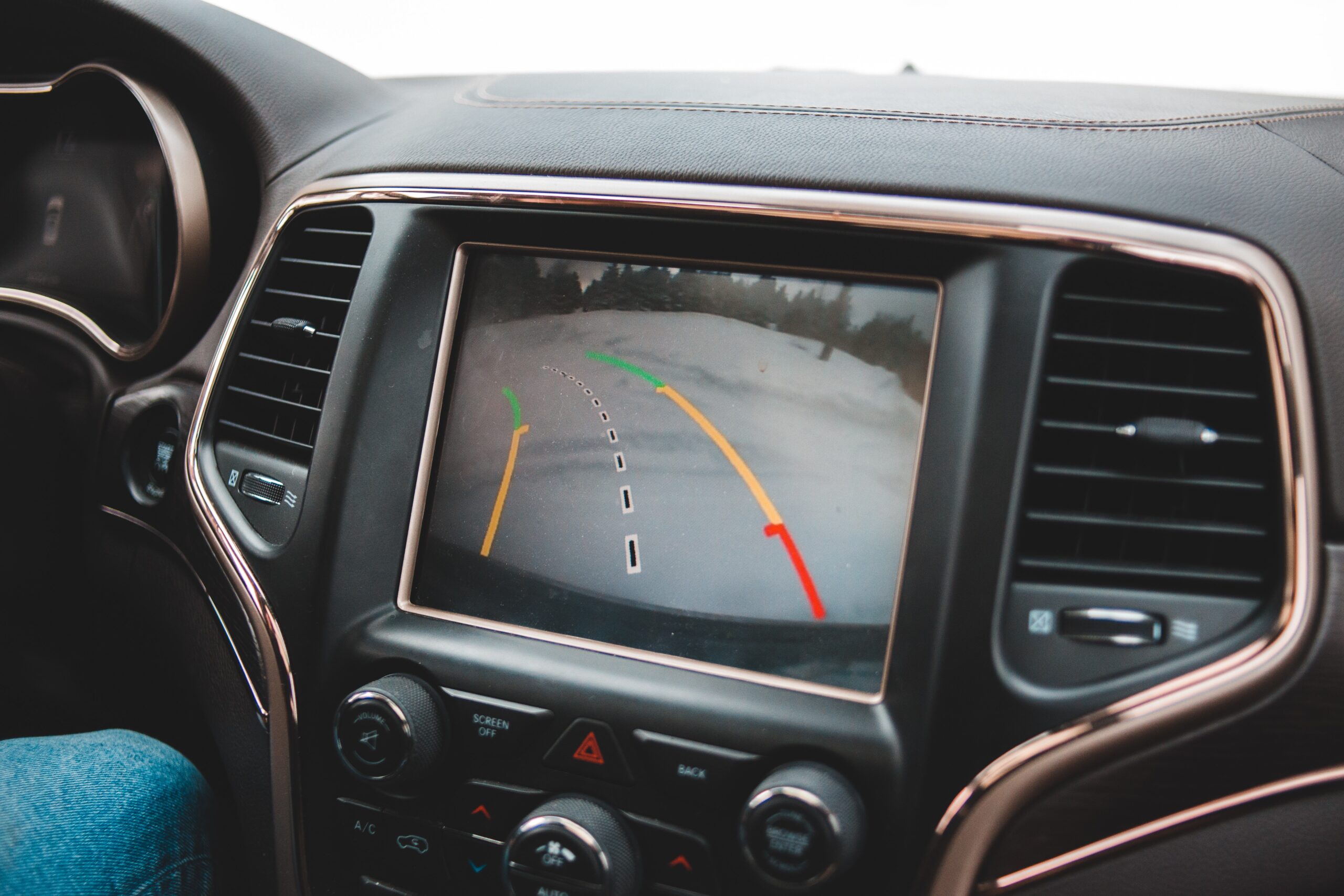
In this high-tech, digital times, sensors like the modern motion detector, impact indicator, lane-shift detector, and more are becoming the eyes and ears of the cars we drive. With autonomous driving on the near horizon, the sensors come in all forms, functions, shapes, and sizes.
But self-driving cars aside, smart sensors are being deployed in a large number of applications from smart cities, to smart manufacturing, to commercial and/or eCommerce shipping, and more. According to a new engineering report, the sensors rely on chips that gather smart data regarding what’s happening in our analog environment. The information is then digitized so it can be mined, correlated, processed, analyzed, and stored by both computers and their human inventors.
Says one expert, next-generation sensors aren’t just being developed for self-driving vehicles. In the new digital era of “edge processing” there are many different applications and multiple generations of sensor technology. Sensor uses are moving way beyond the very basic need for gathering information on environmental conditions like proximity, pressure, motion, humidity, impact, and temperature and doing so very efficiently.
Power and Energy
Power and energy are said to play a critical role in sensor tech applications. Most rely on battery power. Their operation will sometimes rely on “always-on circuitry” for detecting motion and more. At one time, these functions would be included in the system’s general processor, but that was said to be a real waste of energy.
In today’s many different sensor use cases, the development of a flexible system of optimized and dedicated processors, plus hardware accelerators that can offload the host processor, is now considered the basic power and energy requirement.
Communication between sensors is said to also be another essential feature of next-generation sensor implementation. With communications being “periodic in nature,” the experts see sensor elements leveraged for fusion processing, communications, and sensor data retrieval. In the end, this means a more power-efficient use of sensor processing tools and sources.
Automotive Industry
Said to be emerging as the “poster child for sensor technology” in the automotive industry while it makes its smart transition from analog to digital, a new vehicle’s engine control unit or ECU now oversees everything from acceleration and braking to the monitoring of the entire vehicle inside and outside.
In lay terms, advanced driver assistance systems or ADAS are reliant on many different varieties of sensors that are mounted to the vehicle to gather the necessary ECU which is required for making the correct decisions. This is a critical component of self-driving/autonomous technology which is becoming more and more sophisticated. In other words, sensors will play critical roles in meeting security, safety, and convenience protocols.
Collecting Data at 65 MPH
In the automotive sector, going from SAE Level IV or semi-autonomous to Level V or fully autonomous will be dependent on a process by which separate ECUs utilize “sensor-collected information” to make critical decisions on behalf of the human operator.
This process will require three major steps.
- Sensors must accurately transfer analog information into digital data and do it instantly.
- The ECUs must have the ability to interpret the data and make an immediate appropriate decision such as shifting from lane to lane, decelerating, accelerating, or braking altogether.
- At the Level V completely autonomous driving level, machine learning will be built-into the system, which will enable self-driving cars and trucks to properly navigate in all sorts of environments.
This means the vehicle will need to sense and/or see what is surrounding it in order to remain functional on the road while avoiding any kind of accident or collision. As of now, these signals can come from electromagnetic waves, infrared light, ultrasound, and it is all immediately converted into “digital data bits.”
Most vehicles utilize a combination of sensor tech like radar, lidar, HD cameras, and more to detect other vehicles or objects. They can also determine their speed and distance. It’s important to note that automakers haven’t yet decided on a standard for which sensors will be considered best when it comes to fully autonomous driving.
One example is Tesla. Their engineers are said to be taking a “vision only approach” to its new EV models by combining numerous HD cameras with computer Artificial Intelligence or AI systems. Experts say Tesla’s goal is to make machine learning simulate precisely how a human would drive. This requires intensive sensor learning and training on the part of engineers. It also will not happen overnight.