A strong HR department does far more than manage hiring or payroll. It shapes workplace culture, supports employee well-being, fosters career growth, improves safety, drives performance, and builds trust. Learn the essential ways HR empowers employees and strengthens the entire organization.
Key Takeaways
- HR supports employees throughout the entire employee lifecycle — from hiring to development to retention.
- Investing in career growth and upskilling significantly boosts job satisfaction and retention.
- Modern HR plays a major role in workplace well-being, mental health support, and personal growth.
- Performance systems, recognition programs, and strong leadership training improve productivity.
- Trust, inclusivity, and positive culture are now core responsibilities of HR.
- HR is a strategic function — not an administrative one — and directly influences business growth.

When most people think about Human Resources, they think of paperwork, onboarding, hiring, and maybe payroll. But the modern HR department is far more than an administrative function. As Steve Wynn once said, “Human Resources isn’t a thing we do. It’s the thing that runs our business.”
Today, HR shapes the culture, supports employee well-being, builds career paths, and ensures the workplace operates smoothly and safely. For small businesses in particular, HR isn’t just a support function — it’s an engine for stability, growth, and employee loyalty.
This article breaks down exactly what HR provides employees, why these offerings matter, and how organizations can strengthen their HR practices to build resilient, motivated, and high-performing teams.
Table of Contents
What Does the HR Department Offer to Employees?
The HR department does far more than manage hiring and payroll. A strong HR function improves employee retention, enhances workplace culture, supports well-being, and creates opportunities for individual career growth. These benefits don’t just help employees — they strengthen the entire organization.
Below are the key offerings employees receive from a well-equipped Human Resources department.

1. Career growth opportunities
Career stagnation remains one of the top reasons employees quit. HR plays a crucial role in preventing that by helping employees:
- Identify future career paths
- Set goals for skills and promotions
- Participate in development programs
- Understand advancement opportunities
- Transition into leadership when ready
Table 1: Examples of HR-Supported Career Pathways
| Career Stage | HR Support Provided | Expected Outcome |
|---|---|---|
| Early Career | Onboarding, clarity on roles, skill assessment | Faster adaptation, confidence |
| Mid-Career | Training programs, cross-department projects | Skill expansion, job mastery |
| Pre-Leadership | Supervisor training, mentorship | Leadership readiness |
| Leadership | Executive coaching, strategic development | Strong managers, better teams |
When employees see a future within the organization, they stay longer, perform better, and contribute more confidently.
2. Upskilling and training opportunities
In a rapidly changing workplace, upskilling is no longer optional — it’s expected.
HR connects employees with:
- Workshops and seminars
- Tuition assistance or educational reimbursement
- Online course platforms (Coursera, Udemy, LinkedIn Learning, etc.)
- Training during promotions
- Skills refreshers for evolving roles
Training affects retention directly. A 2023 LinkedIn Workplace Learning Report found 94% of employees would stay longer at a company if it invested in their learning.
HR ensures training fits into work schedules, aligns with career goals, and supports the company’s broader objectives.
3. Personal Growth & Employee Support
Employees bring their whole selves to work — and sometimes that means stress, health concerns, financial issues, burnout, family responsibilities, or mental health challenges.
HR provides or coordinates:
- Employee Assistance Programs (EAPs)
- Counseling referrals
- Flexible schedules
- Accommodations for health or disability
- Support during life events such as pregnancy, grief, or family emergencies
Modern HR recognizes that supporting the person supports the performance. When employees feel cared for, loyalty increases dramatically.

4. Performance Management & Productivity Support
An effective HR team ensures employees have clear expectations, regular feedback, and pathways to meaningful improvements.
HR supports performance through:
- Goal-setting frameworks (OKRs, SMART goals)
- Performance reviews
- Coaching and mentoring
- Conflict resolution
- Productivity tools and systems
- Manager training
Organizations with structured performance management systems see up to 24% higher profitability (Gallup).
5. Higher Job Satisfaction & Recognition
Employees who feel unseen eventually disengage. HR helps establish recognition systems that reward performance, innovation, collaboration, and loyalty.
Examples include:
- Monthly awards
- Peer-to-peer recognition
- Anniversary or milestone celebrations
- Reward points systems
- Bonuses for exceptional performance
Table 2: Recognition Methods and Their Impact
| Recognition Method | Employee Impact | Business Impact |
|---|---|---|
| Public praise | Sense of value | Better morale |
| Monetary rewards | Increased motivation | Higher productivity |
| Growth opportunities | Career fulfillment | Improved retention |
| Peer recognition | Community feeling | Stronger culture |
Job satisfaction increases significantly when recognition is consistent and personalized.
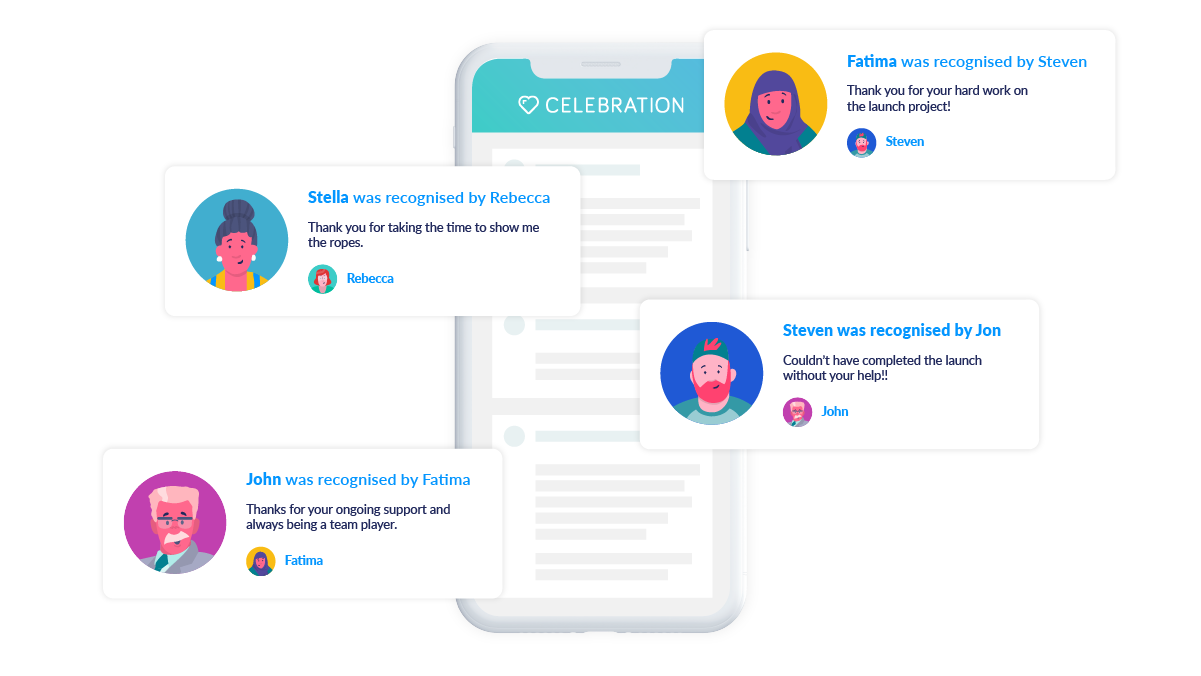
To do this right, an employee recognition platform can be a huge game-changer here. This platform makes it super easy for evaluating employee performance and recognizing their work accordingly. This can be done in many ways. Be it awards, rewards, or unique opportunities, the recognition can be customized on the basis of the employee profile and past performances. This creates an atmosphere of positive feedback.
6. Workplace Safety & Security
HR ensures employees work in a safe, hazard-free environment. This includes:
- Compliance with OSHA and local labor laws
- Safety protocols
- Emergency preparedness
- Workplace ergonomics
- Safety training (especially in manual or high-risk jobs)
Shell famously requires employees to hold railings while using stairs — even in corporate offices — demonstrating that safety culture starts from the top.
For small businesses, HR (or the owner acting as HR) must ensure employees feel safe both physically and psychologically.
7. Manager Support & Leadership Development
Your HR department should offer help to an employee who needs and intervene before the situation gets worse.
Not all managers naturally lead well — HR helps shape strong leadership.
HR provides:
- Coaching for supervisors
- Management training
- Conflict-resolution support
- Communication skills training
- 360-degree feedback systems
A poor manager is a top reason employees quit, so HR’s role here is critical.
8. A Positive, Healthy Work Culture
Culture determines whether employees enjoy their work or dread logging in each morning.
HR fosters positive culture through:
- Open communication channels
- Work-life balance policies
- Anti-harassment and anti-discrimination enforcement
- Flexibility and autonomy
- Employee feedback surveys
- Inclusion programs
A strong culture boosts innovation, reduces burnout, and supports collaboration.
9. Corporate Social Responsibility (CSR) & Community Engagement
Employees increasingly want to work for organizations that give back.
HR coordinates CSR by:
- Supporting volunteer events
- Managing donation-matching programs
- Coordinating nonprofit partnerships
- Offering paid volunteer days
- Using corporate giving software to track impact
Corporate social responsibility (CSR) strengthens brand reputation and boosts employee pride.

By using a corporate giving tool, you can increase employee involvement, keep track of each component of your giving program, promote corporate philanthropy, and fine-tune your corporate giving strategy.
10. Building trust
One of the key reasons why an employee leaves a company is a lack of trust. This means if you need to optimize your employee onboarding costs, retaining their trust is critical. To do this right, you need to make them feel that you care about them.
Trust is foundational. Employees must believe HR will:
- Maintain confidentiality
- Provide fair treatment
- Address issues without retaliation
- Advocate for employee rights
When trust is high, employees communicate openly. When trust breaks, turnover follows quickly.
Many employees are hesitant to contact their company’s HR department because they are concerned that they will not receive the assistance they require or that their interactions with HR will be shared with their coworkers and management.
As an HR professional, you must remind your employees of their rights to communicate with HR and the levels of trust and confidentiality that they can expect.
It will go a long way if HR listens to its employees’ issues and shows them that it cares.
11. Inclusivity, Equity & Parity
Modern HR prioritizes fair treatment and promotes diversity, equity, and inclusion (DEI).
This includes:
- Parental leave support
- Promotion transparency
- Pay equity analysis
- Anti-bias training
- Support for women, minorities, caregivers, and underrepresented groups
When employees feel seen and respected, workplace loyalty increases significantly.
Conclusion
A strong HR department does far more than hire employees — it shapes careers, protects well-being, enhances culture, and drives organizational success.
For employees, HR becomes a partner in personal and professional growth. For businesses, HR is a strategic engine that strengthens retention, performance, and innovation.
If a company wants motivated, loyal, high-performing employees, investing in HR is one of the most powerful moves it can make.
Frequently Asked Questions (FAQs)
Why is the HR department so important for employee success?
The HR department is essential because it supports every stage of the employee experience — from hiring to development to retention. HR ensures employees understand their roles, receive fair treatment, and have access to training and career opportunities. It also addresses personal struggles, maintains a safe workplace, and fosters a positive culture where people can thrive. Without HR, many issues such as conflict, burnout, confusion over expectations, or lack of recognition would go unresolved. For small businesses, HR may be handled by the owner or an outsourced service, but the function still plays the same vital role. A strong HR environment increases retention, productivity, job satisfaction, and organizational stability.
How does HR improve job satisfaction?
HR improves job satisfaction through recognition programs, performance support, career development, training opportunities, and well-structured communication channels. When employees feel valued, heard, and supported, their satisfaction rises. HR also helps enforce fair policies, resolve conflicts, maintain safe working conditions, and ensure employees are treated equally. Additionally, HR creates internal feedback loops — such as surveys and check-ins — so employees can express concerns before they grow into bigger problems. Job satisfaction is directly linked to retention and performance, and companies with strong HR systems typically see a more motivated and engaged workforce.
What role does HR play in building a positive workplace culture?
HR shapes workplace culture by defining expectations, promoting ethical behavior, supporting fairness, and encouraging collaboration. It promotes transparency, enforces anti-harassment and anti-discrimination laws, and supports programs that promote diversity and inclusion. HR also organizes events, encourages employee feedback, and ensures communication flows smoothly throughout the organization. A healthy culture helps employees feel psychologically safe, valued, and motivated. HR monitors culture continuously and adjusts policies to meet changing needs — such as hybrid work, flexible hours, or remote support. When HR actively nurtures the culture, employees become more innovative, engaged, and loyal.
How can HR help employees grow their careers?
HR supports career growth by providing tools, resources, and opportunities for development. This may involve career path planning, training programs, tuition reimbursement, mentorship, cross-department learning, and leadership development initiatives. HR works with managers to identify skill gaps and create actionable development plans. When employees know the company is investing in their future, they feel more motivated and are more likely to stay. HR also ensures employees understand potential promotional paths, performance expectations, and the skills needed to advance. A structured career growth system benefits both employees and employers.
What does HR do to ensure safety and security in the workplace?
HR maintains workplace safety by establishing policies based on OSHA and local regulations, coordinating safety training, and conducting risk assessments. This includes ergonomic evaluations, emergency planning, handling workplace injuries, and enforcing safety behaviors — even in office environments. HR also protects employee data, oversees reporting procedures, and fosters a culture where safety concerns can be discussed openly. In many organizations, HR collaborates with operations or facilities teams to ensure compliance. A strong safety culture reduces accidents, improves trust, and keeps employees focused on productive work rather than worrying about risks.
The article was originally published on September 20, 2021 and updated on November 19, 2025.