
Starting a dump truck business can be profitable, but it requires significant planning, licensing, and upfront investment. This guide explains the real startup costs, skills, permits, and equipment you need—along with revenue examples, profit scenarios, and strategies to win contracts. Learn how to build a successful dump truck business from the ground up.
Starting a dump truck business can be one of the most profitable opportunities in the trucking and construction industry—but only if you enter the market fully prepared. Dump trucks power countless parts of the U.S. economy: road construction, utility work, housing development, mining, landscaping supply, disaster cleanup, and municipal services. In 2024, the U.S. dump truck services market was valued at $20.64 billion, with projected annual growth of 5% through 2030. That means demand isn’t slowing down—if anything, infrastructure spending and housing expansion are making this sector stronger.
However, this business is capital-intensive, regulation-heavy, and extremely competitive. Many beginners underestimate the costs and risks involved, while experienced operators know that success depends on planning, cost control, customer relationships, and choosing the right trucking niche. This guide breaks down everything you need to know before investing your first dollar—from licenses to costs to finding profitable work.
Key Takeaways
- The dump truck services market is worth over $20B and growing due to infrastructure spending and construction demand.
- Startup costs are high—a used truck typically costs $45k–$120k; new trucks exceed $200k.
- Most beginners need a CDL Class B, USDOT registration, commercial insurance, and heavy vehicle taxes.
- Dump truck businesses can earn $3,000–$8,000 net profit per month for a single truck when priced correctly.
- The biggest expenses are fuel, insurance, truck payments, maintenance, and tires.
- Municipal contracts, construction hauling, and asphalt jobs provide the most reliable year-round work.
- Profit margins depend heavily on minimizing downtime, choosing the right niche, controlling maintenance costs, and building strong contractor relationships.
Table of Contents
1. Understand What the Dump Truck Business Really Involves
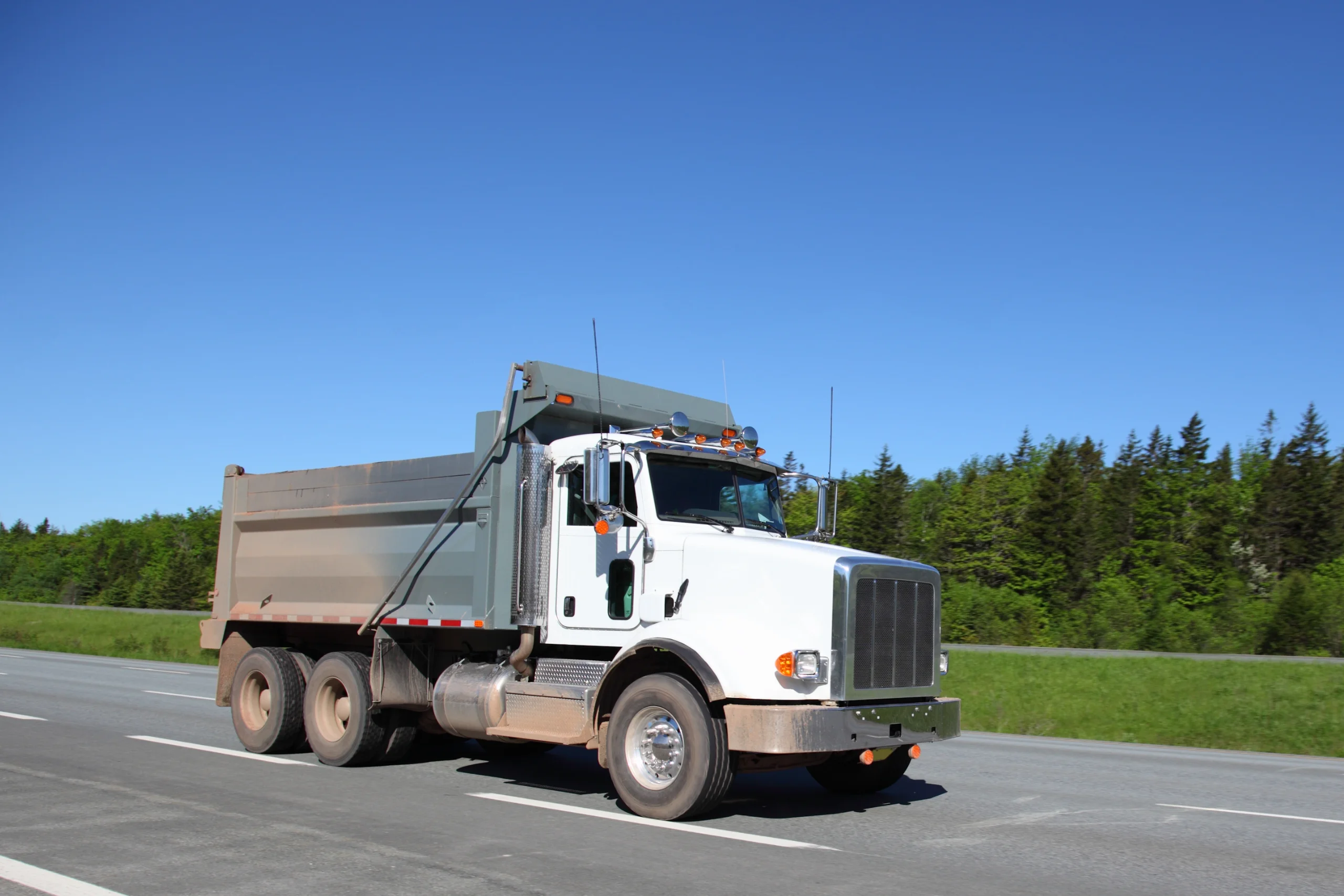
Before buying your first truck, you need a clear understanding of the industry itself. Dump truck companies serve some of the biggest sectors of the U.S. economy, including construction, road building, utilities, mining, landscaping, and government public works. Each sector has different requirements, different levels of profitability, and different types of trucks that work best. Knowing where the demand is strongest in your area helps you choose the right niche and prevents you from buying equipment that won’t fit local needs.
Dump trucks serve multiple industries, including:
- Construction (hauling dirt, gravel, sand, asphalt)
- Landscaping suppliers (mulch, topsoil, stone)
- Municipal governments (snow removal, salt delivery, debris hauling)
- Mining and aggregates
- Demolition contractors
- Waste/cleanup services
These jobs generate consistent work, but your success depends on specialization. For example:
Table 1. Dump Truck Common Service Niches
| Service Niche | Typical Revenue | Notes |
|---|---|---|
| Construction hauling | $70–$120/hr | Most common, competitive pricing |
| Municipal contracts | $85–$150/hr | Stable work but requires bidding |
| Independent landscape suppliers | $60–$95/hr | Seasonal in many states |
| Asphalt/paving | $75–$110/hr | Good margins, no backhauling |
Identifying the right niche determines the type of truck you need, your insurance requirements, pricing strategy, and profitability.

2. Startup Costs: How Much Does It Cost to Start a Dump Truck Business?
This is NOT a low-cost business. The biggest mistake new operators make is underestimating startup and operating expenses.
Starting a dump truck business is a capital-intensive endeavor. Unlike starting a cleaning service or consulting business, this requires a significant upfront investment in equipment, insurance, and licensing. Understanding the full scope of costs helps avoid debt problems or undercapitalization. Additionally, beginners often underestimate maintenance costs, which can turn a profitable month into a financial loss if not properly budgeted.
Startup Budget Breakdown
The biggest reason dump truck businesses fail is underestimating startup expenses. Dump trucks are heavy-duty machines that require expensive insurance, licensing, and maintenance. Below is an expanded table showing realistic costs for new owner-operators.
Table 2. Startup Budget (Detailed Breakdown)
| Expense Category | Low Estimate | High Estimate | Notes |
|---|---|---|---|
| Used Dump Truck | $45,000 | $120,000 | Year, mileage, axle count determine cost |
| New Dump Truck | $130,000 | $200,000+ | High ROI but high financing burden |
| CDL Training (Class B) | $2,000 | $5,000 | Required in most states |
| Truck Insurance | $8,000 | $15,000/yr | Higher if driver has no experience |
| Registration, Title, Permits | $1,000 | $3,000 | State-dependent |
| Heavy Vehicle Use Tax (HVUT) | $550 | $550 | Required for vehicles over 55,000 lbs |
| Fuel (First Month) | $1,500 | $4,000 | Depends on job volume |
| Business Registration & Admin | $300 | $1,500 | LLC, EIN, accounting |
| Marketing Materials | $250 | $1,000 | Basic website + business cards |
| Maintenance Reserve | $5,000 | $20,000 | Needed for breakdowns |
| Safety Gear & Tools | $300 | $1,000 | PPE, tie downs, small tools |
| Estimated Total | $60,000–$80,000 | $150,000–$230,000+ | Depending on used vs. new purchase |
Total startup cost:
- Used truck route: $60,000–$80,000
- New truck route: $150,000–$230,000+
For most beginners, starting with a reliable used truck is the smarter path.
3. Skills and Training Needed
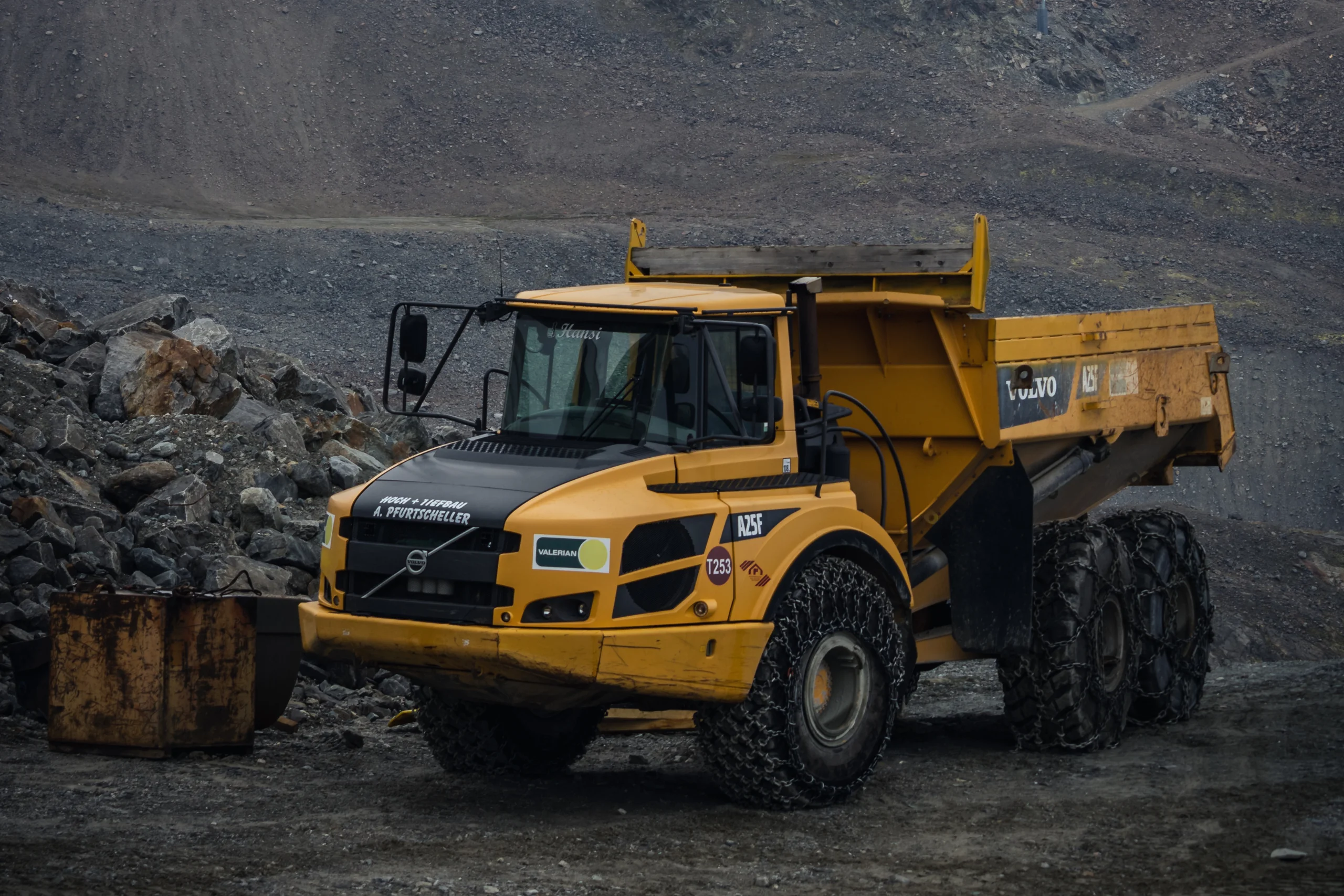
Driving a dump truck is only part of the job; running a dump truck business requires a mix of driving skills, safety awareness, mechanical know-how, and basic business management. Many successful operators either come from a construction or trucking background or invest time upfront in training to fill their knowledge gaps. You don’t need a college degree to get started, but you will need the right license, an understanding of how to operate a heavy vehicle safely, and enough business savvy to price jobs, manage costs, and communicate with contractors. The stronger your skills are in these areas, the easier it will be to win work, avoid costly mistakes, and grow beyond a single truck.
You don’t need a college degree — but you must have:
A Commercial Driver’s License (CDL)
Most dump trucks exceed 26,000 lbs, requiring a CDL Class B license.
Cost: $2,000–$5,000 depending on state and training school.
Basic Mechanical Skills
This business is expensive because breakdowns are expensive. Successful operators often:
- Change oil themselves
- Replace tires
- Handle basic electrical issues
- Do brake jobs
- Diagnose simple repairs
This can save thousands each year. A single shop repair visit can cost $150–$250 per hour.
Business Knowledge
You must understand:
- Pricing and bidding
- Equipment financing
- Fuel cost management
- Insurance requirements
- DOT rules
- Customer acquisition
This job is 50% driving and 50% business management.
4. Required Licenses, Permits, and Legal Requirements
Dump truck operations are heavily regulated at both the federal and state level. Whether you operate intrastate or interstate affects your requirements. Failing to secure the necessary licenses and permits can result in fines, downtime, or even business shutdowns.
You may need the following depending on your state:
Required
- CDL (Class B or A)
- USDOT Number (if crossing state lines)
- MC Number (if hauling interstate commerce goods)
- Heavy Vehicle Use Tax (HVUT — Form 2290)
- Truck registration & title
- Commercial insurance
- Employer ID Number (EIN)
- State business license
Sometimes Required
- Local hauling permits
- Aggregate hauling permit
- Intrastate authority (in certain states)
- Dump truck safety inspection (varies by state)
5. How to Choose the Right Dump Truck
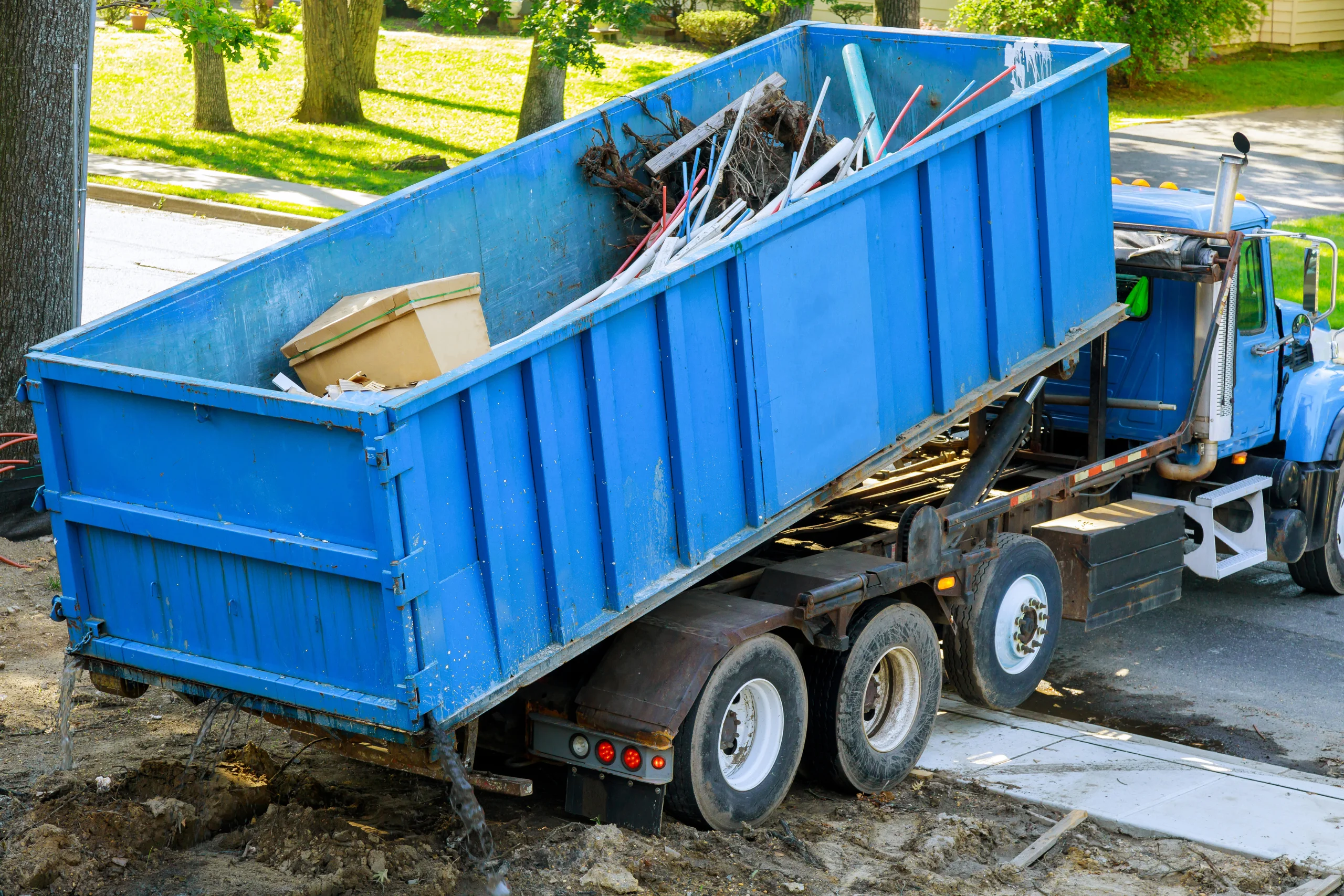
Choosing “a dump truck” isn’t enough—there are many types, and the wrong type limits your earning potential. A tri-axle is ideal for heavy payloads, while a standard dump truck is more flexible for beginners. Side dumps work well for demolition projects, and transfer trucks are preferred for large asphalt jobs. The right truck depends on your budget, your niche, and the terrain you’ll be working in.
Different jobs require different trucks.
Table 3. Most common types of dump trucks for new businesses:
| Dump Truck Type | Best For | Pros | Cons | Typical Cost |
|---|---|---|---|---|
| Standard Dump Truck | General construction, landscaping | Most versatile, easier financing | Lower payload | $40K–$160K |
| Tri-Axle Dump Truck | Heavy loads, asphalt, large construction | Higher weight capacity, stable | Higher insurance & maintenance | $80K–$200K |
| Side Dump Truck | Demolition, highway work | Fast unloading, safer on slopes | Not ideal for tight spaces | $80K–$180K |
| Transfer Dump | Asphalt, road projects | Huge capacity | Expensive, complex | $100K–$200K |
For most beginners, a standard tri-axle dump truck is the most versatile.
6. Operating Costs and Profit Margins
This section breaks down the recurring monthly expenses and explains how profit margins actually work in real-world conditions. Many new operators underestimate fuel usage, tire wear, and unexpected repairs—especially on used trucks. Understanding these costs helps you calculate realistic profit expectations. While the business can be lucrative, it requires careful cost management and strategic job selection.
The average dump truck earns $70–$120 per hour depending on market and job type.
Table 4. Typical Monthly Expenses
| Cost Category | Low Estimate | High Estimate |
|---|---|---|
| Fuel | $3,000 | $8,000 |
| Truck Payment | $1,500 | $3,200 |
| Insurance | $800 | $1,400 |
| Tires | $400 | $1,000 |
| Maintenance | $500 | $2,000 |
| Load Board Fees | $50 | $100 |
| Total Monthly Cost | $6,250 | $15,700 |
Expected net profit:
$3,000–$8,000 per month for one truck, depending on work volume and local rates.
Operators who secure municipal contracts or work with large construction companies can earn significantly more.
Table 5. Profit Scenarios Table (Monthly)
| Scenario | Hours/Week | Rate per Hour | Gross Monthly Revenue | Est. Expenses | Net Profit |
|---|---|---|---|---|---|
| Low Activity (slow season) | 25 hrs | $70/hr | $7,000 | $5,000 | $2,000 |
| Moderate Activity | 35 hrs | $85/hr | $11,900 | $6,500 | $5,400 |
| High Activity (busy season) | 45 hrs | $100/hr | $18,000 | $9,000 | $9,000 |
| Municipal Contracting | 40 hrs | $120/hr | $19,200 | $8,000 | $11,200 |
7. How to Get Customers
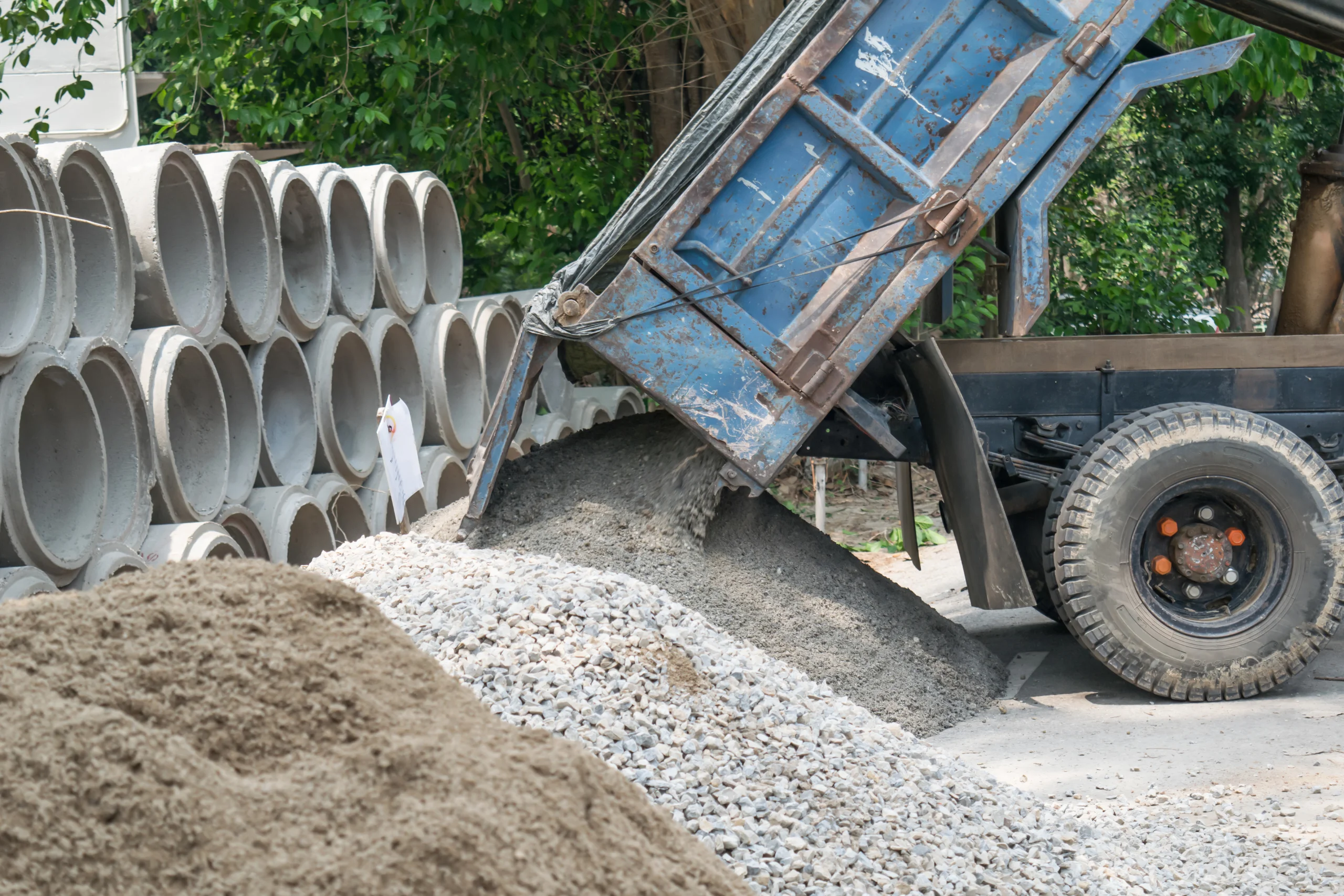
Finding consistent work is the biggest hurdle for most new dump truck operators. Even with the best truck and competitive pricing, you won’t make money without steady clients. This section outlines proven methods to secure local work—contractors, municipalities, load boards, landscaping suppliers, and short-haul jobs. It also explains how new operators can build credibility even without a long track record.
Customer acquisition is the hardest part for beginners. Methods that consistently work:
1. Contact local construction and paving companies
These companies always need reliable haulers.
2. Register as a municipal contractor
Cities hire dump trucks for:
- Snow removal
- Road repair
- Debris hauling
- Water/sewer work
Municipal contracts often pay reliably and may last the entire year.
3. Partner with landscaping suppliers
You can haul:
- Mulch
- Gravel
- Stone
- Compost
This works well in spring/summer.
4. Use load boards
Examples:
- DAT TruckersEdge
- Truckstop.com
- Local industry apps
5. Word-of-mouth
Reliability is everything. Showing up on time is often more valuable than the cheapest bid.
Table 6. Customer Acquisition Channels
| Channel | Cost to Start | Difficulty | Reliability | Notes |
|---|---|---|---|---|
| Construction Contractors | Free | Medium | High | Best long-term income |
| Municipal Contracts | Free | High | Very High | Slow approval but reliable |
| Landscaping Suppliers | Free | Low | Medium | Great for beginners |
| Load Boards | $50–$150/month | Low | Low–Medium | Good for filling gaps |
| Referrals | Free | Medium | High | Grow fast after 6–12 months |
8. Challenges and Risks to Expect
The dump truck industry can be profitable, but it isn’t easy. Fuel prices fluctuate, truck repairs are expensive, and competition can be fierce. Weather conditions and seasonal construction cycles also affect revenue. Understanding these challenges early helps you build a resilient business model, avoid debt traps, and plan for unpredictable months.
Every dump truck business will face these common issues:
Fuel Costs
Fuel is your #1 expense. A typical dump truck burns 4–7 MPG. Fuel price swings can quickly destroy margins.
Maintenance Costs
Dump trucks undergo heavy wear and tear. A transmission repair can cost $4,000–$8,000, and a blown engine can cost $15,000–$25,000.
Inconsistent Work
Construction is seasonal in many states. Winter months often mean slower work unless you have municipal contracts.
Competition
Some operators underbid to win contracts. Competing solely on price is a losing strategy.
Should You Start a Dump Truck Business? Final Thoughts
Dump trucks can be profitable — but only if you approach the business with realistic expectations and a solid financial plan. For beginners, the smartest path is:
- Start with one reliable used truck
- Choose a profitable niche (construction, municipal contracts, paving)
- Learn basic maintenance
- Keep debt low
- Build strong relationships with contractors
- Run the business like a business — track every expense and hour
With the dump truck industry growing and construction spending expected to increase to over $2 trillion by 2031, opportunities will remain strong. But success comes only to those who plan properly, control costs, and operate efficiently.
FAQ on Starting a Dump Truck Business
Is a dump truck business profitable?
Yes, a dump truck business can be profitable today—especially with rising infrastructure spending, new housing development, and increased public works budgets. The average dump truck operator can earn $70–$120 per hour, depending on location and job type. A busy operator can generate $15,000–$20,000 per month in revenue. After fuel, maintenance, insurance, and loan payments, net profits often range between $3,000 and $8,000 per truck per month. Operators who secure municipal contracts or work with major construction firms can earn even more due to consistent, year-round work. However, profitability depends on smart cost management, avoiding excessive truck debt, maintaining the vehicle properly, and building reliable relationships with contractors. With proper planning, the business can scale from a single truck into a small fleet.
How much does it cost to buy a dump truck?
Is a dump truck business profitable?
Yes, a dump truck business can be profitable today—especially with rising infrastructure spending, new housing development, and increased public works budgets. The average dump truck operator can earn $70–$120 per hour, depending on location and job type. A busy operator can generate $15,000–$20,000 per month in revenue. After fuel, maintenance, insurance, and loan payments, net profits often range between $3,000 and $8,000 per truck per month. Operators who secure municipal contracts or work with major construction firms can earn even more due to consistent, year-round work. However, profitability depends on smart cost management, avoiding excessive truck debt, maintaining the vehicle properly, and building reliable relationships with contractors. With proper planning, the business can scale from a single truck into a small fleet.
What licenses do you need to start a dump truck business?
At minimum, most operators need a CDL Class B, which allows you to drive single vehicles over 26,000 pounds, including dump trucks. You’ll also need a USDOT number for identification and a Heavy Vehicle Use Tax (HVUT) payment if the vehicle weighs over 55,000 pounds. Depending on your state, you may need additional permits such as intrastate operating authority, hauling permits, or safety inspections. If you plan to cross state lines, you must obtain an MC Number and comply with federal interstate hauling rules. Additionally, every business needs an EIN, state business registration, commercial insurance, and in some counties, a local hauling license. The process seems complex, but each requirement ensures safety and compliance.
How do dump truck operators find their first customers?
Beginners typically find their first customers through local construction companies, paving contractors, landscaping suppliers, and municipal public works departments. These sectors constantly need materials hauled—dirt, gravel, sand, debris, or asphalt. Networking is crucial: visit local job sites, introduce yourself to foremen, and ask about upcoming projects. Joining local contractor associations or attending city hall bid meetings can also open opportunities. Online load boards like DAT, Truckstop, and Trux give access to short-haul jobs. Many new operators start with small landscaping or aggregate deliveries, then build up to large construction contracts. Reliability—showing up on time and communicating clearly—matters more than experience to most contractors.
What are the biggest risks of owning a dump truck business?
The biggest risks in the dump truck business are fuel volatility, expensive repairs, inconsistent work, and competition. Fuel is your largest expense, and prices can swing dramatically, impacting profits overnight. Dump trucks also experience heavy wear and tear—transmissions, engines, and hydraulics can fail, costing thousands. Seasonal slowdowns in winter can reduce work availability unless you have municipal contracts. Competition is another factor; some operators bid very low just to secure work, making it difficult to compete on price alone. Additionally, debt is a risk—operators with high truck payments struggle during slow months. Proper planning, financial discipline, and diversification help reduce these risks.
Do you need mechanical skills to run a dump truck business?
While not mandatory, mechanical skills are extremely valuable. Dump truck repairs are expensive: shop labor often costs $150–$250 per hour, and even basic fixes like brake jobs or electrical diagnostics can add up quickly. Operators who know how to perform minor maintenance—oil changes, filter replacements, tire swaps, brake repairs—can save thousands per year. Basic mechanical skills also reduce downtime, which means more billable hours and less lost income. However, complex repairs like engine rebuilds or hydraulic failures should still be handled by professionals. Even if you aren’t mechanically inclined, learning routine maintenance can significantly boost profitability.
Should you buy or lease your first dump truck?
Buying a truck gives you ownership and long-term cost savings, but requires a large upfront investment or a long financing commitment. Leasing can reduce upfront costs and often includes some maintenance benefits, but monthly payments can be high and you won’t own the truck at the end. If you have steady work lined up—such as a municipal contract—buying may make more sense. If you’re testing the industry or uncertain about demand, leasing reduces risk. Many new operators start with a used truck (purchased outright or financed) because it keeps costs lower. Ultimately, the choice depends on your credit, financial resources, and access to guaranteed work.
This article was originally published on January 18, 2014 and updated on November 14, 2025.

Great delivery. Outstanding arguments. Keep up the amazing spirit.
Trucking industry had done a great contribution in the society for years. It is making a huge name. And everyone knows how far it can go. Investing in this field will definitely be a great idea, as long as you have the knowledge and interest in trucking business.
Hi everybody, Applied for highway, urban and country road, all position of trucks and bus, long haul over 800kms. Three rib pattern, extra sideslip resistance, delivers superior stability and drainage of driving. Super steel belt carcass construction enhances casing strength and maximizes tire load capacity
I can definitely see how building a large shop where you can repair and maintain your own trucks would be a good idea before buying several of them. I imagine that most companies who use dump trucks regularly would almost certainly need to have a shop like that. If they don’t, another option would be to find and work closely with a very skilled mechanic.