


Read How to Self-Publish Your Books
A key part of self-publishing is getting your books to your customer’s hands, which involves expertise and know-how in distribution and marketing. You do not want to print 2,000 copies of a groundbreaking book only for the books to languish in your basement! You need to do a lot of market analysis, careful planning, budgeting, and persistence to recoup your investment and profit from it.
Table of Contents
Analyzing the Market for Your Self-Published Books
To help you shape your marketing and distribution strategies, the first step is to know the consumers’ book-buying behavior: what makes them buy a book, where they usually buy books, and what attracts them to a particular book.
According to Statista, the most important factor for readers when choosing their next book is the category/genre of the book – 39.80% of readers consider it the most important factor. About 23.20% of readers primarily choose the book based on its author, considering the book’s author as one of the factors when picking the next read.
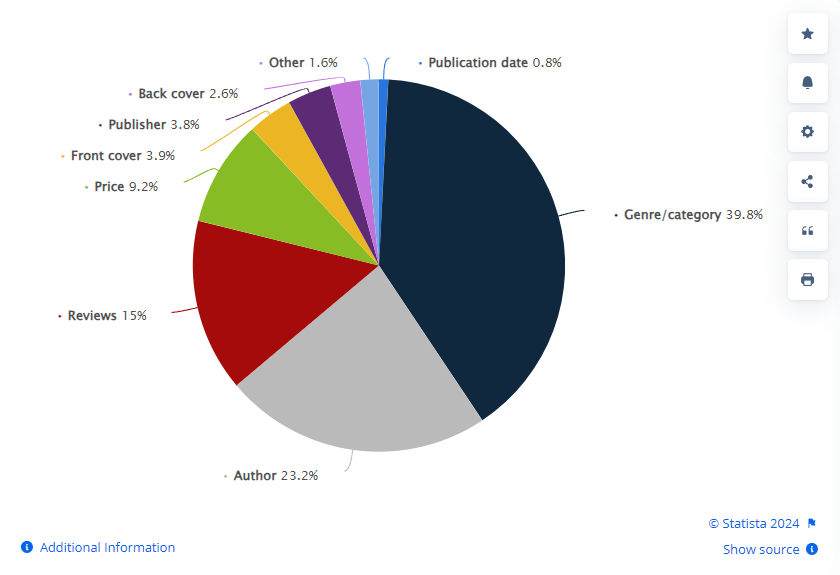
Their findings are consistent with an older study by the Book Industry Study Group that showed that over 44 percent of adults purchasing books base their decision on the subject and approximately 24 percent on the author’s reputation. Price (2%), cover art or endorsements (2%), and having a book on the bestseller list (less than 1 %) are considered marginally important.
Another publication worth reading is the American Book Buyers Study, sponsored by Publishers Weekly and the Book Industry Study Group. Their study showed that 59 percent of their respondents planned their purchases before entering the store, while 40 percent made impulse buys. Confirming the findings of other studies, the study showed that 63 percent of respondents found bestseller lists to be of little importance to them in making a buying decision; only 23 percent said the book jacket or cover was important, but 66 percent thought the information and copy on the inside flaps and back cover was important.
Impact of the Shift to Buying Books Online on Self-Publishers
The advent of online bookstores and digital platforms has revolutionized how readers discover, purchase, and consume books. Thinking of buying books? Check out Amazon first. Fewer people would drive to the ever-disappearing bookstore to buy a book that the bookstore may not be carrying.
This shift towards online book buying has profoundly impacted the publishing landscape, particularly for self-publishers. I would surmise that it is a very good shift for self-publishers. One of the most significant advantages of online book buying for self-publishers is the ability to reach a global audience. Unlike traditional brick-and-mortar stores limited by geographic location, online platforms allow self-publishers to sell their books to readers worldwide, tapping into diverse markets and demographics.
Then there’s that 24/7 availability. Online bookstores operate round the clock, allowing readers to browse and purchase books at any time of the day or night. This continuous availability ensures that self-published books are always accessible to potential readers, enhancing their visibility and sales potential.
However, the best part of the shift to online buying for self-publishers is the lower publishing costs. Self-publishing a book traditionally involved significant upfront printing, distribution, and marketing costs. However, the shift to online book buying has eliminated many of these barriers, allowing self-publishers to bring their books to market at a fraction of the cost. Digital distribution platforms offer affordable publishing options, enabling authors to retain higher royalties and invest more resources into marketing and promotion.

Marketing Strategies for Your Self-Published Books
While self-publishing offers several benefits for authors, such as autonomy, it also means authors are responsible for marketing their self-published books. Without effective marketing strategies, even the most well-written books can go unnoticed amidst the sea of publications.
There are hundreds of ways to market your book. The key is to be creative and plan on doing some hard work promoting it. According to industry insiders, marketing (including selling expenses and promotion) should be about 13 to 16 percent of net sales. You, therefore, have to choose which marketing strategy will yield greater immediate visibility and sales with less cost.
Create a Marketing Plan
Before diving into marketing efforts, authors need to understand their target audience. Who are the readers most likely to resonate with their book? What genres do they enjoy? Authors can tailor their marketing efforts to reach the right readers by understanding their audience’s preferences.
The first step is to create a detailed and realistic marketing plan for the book. Your plan should include strategies to get your books into the hands of buyers – whether wholesale buyers, retail account buyers, or consumers. According to Thomas Woll in his book Publishing for Profit: Successful Bottom-Line Management for Book Publishers
- Marketing budget
- Sales goals for year 1 and 2
- Specific marketing targets for this book
- Marketing strategies (including direct response mailings)
- Publicity strategies (i.e., bound galleys to pre-reviewers; review copy plans; publicity releases; author tours and interviews planned; feature stories planned; press/publication parties)
- Author questionnaires
- Book exhibits
- Advertising plans (trade advertising such as booklists and library journals; consumer advertising in magazines, catalogs, and newspapers; support advertising in bookstores such as Borders and Barnes and Noble)
- Author seminars, lectures, speaking engagements
- In-store promotions (brochures, counter packs, posters, etc.)
- Library promotions
- Wholesaler promotions
- Textbook and/or school adoptions
- Special sales prospects
- Sub-rights sales prospects (book club sales, reprint sales, foreign rights, audio rights, serial rights and other rights)
- Premium sales prospects
- Mail order catalogs
- Specialty outlets
PR/Publicity
Of the above strategies, getting publicity for your book should be your first marketing step to promote your self-published books.
Publicity is the most effective but inexpensive way to promote your material. The media is always looking for fresh content, and you, as a self-publisher and author, are in the best position to offer that content. Establish and build on your relationships with the media: they must see you as an expert in your field to use for their stories or article contributions.
Getting publicity entails three main approaches:
- Sending a book to book reviewers for review in various newspapers, magazines, journals, and online publications
- Writing feature stories about your book and sending them to newspapers, magazines, and online publications
- Going on book tours, book fair appearances, in-store book-related events, radio and TV interviews.
Positive reviews and testimonials can serve as social proof, reassuring potential readers of the book’s quality. Authors can contact book bloggers, reviewers, and early readers for honest feedback and endorsements.
Book events such as attending book fairs, festivals, and conferences provide valuable opportunities for authors to connect with readers, network with industry professionals, and promote their books. Research upcoming events in your area and consider attending as an exhibitor or panelist.
Consider hosting a book launch event, author readings, or signing to celebrate the release of your latest book and engage with readers in person. Partner with local bookstores or libraries to host and promote the event through social media and your author’s website. Hosting virtual or in-person events allows authors to connect directly with readers.
Online Marketing
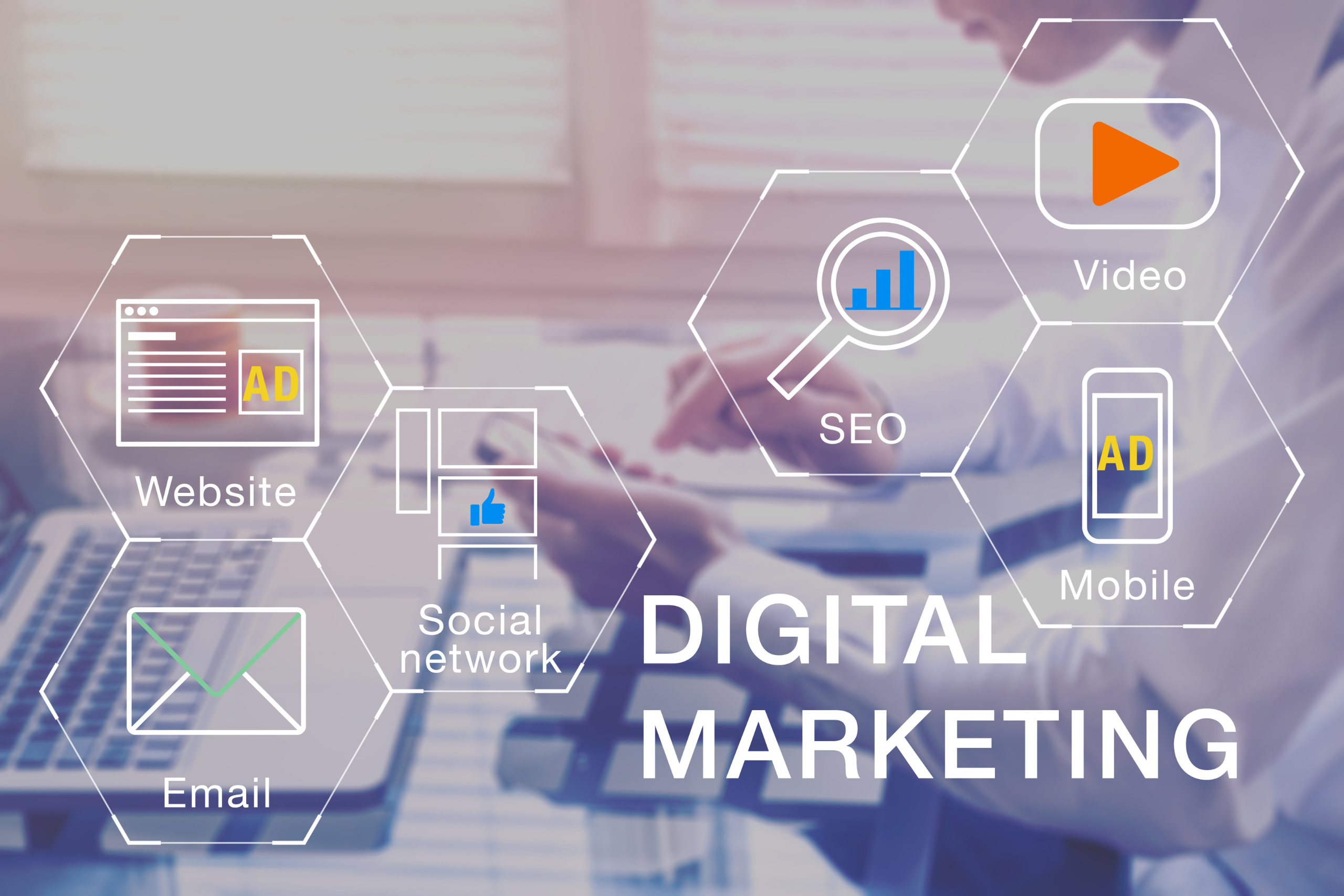
Another key component of your marketing plan to promote your self-published books should be Internet marketing. With an increasing number of customers buying and discovering books online, you must map out your online strategies.
You can list your book at various Internet bookstores for wider visibility and exposure.
Building a strong author platform is crucial for establishing a presence in the literary world. This includes having a professional website, active social media profiles, and a mailing list. A strong author platform helps promote current books and lays the foundation for future releases. You can follow the lead of many authors and self-publishers who create websites to promote themselves and their books. Create a website for the book or you as the author. You can also spread the word about your book and website using social media, newsgroups, listserves, chatrooms, discussion forums, and opt-in email newsletters.
Social media platforms like Facebook, Instagram, Twitter, and TikTok offer invaluable opportunities for authors to connect with readers. Authors can engage their audience and generate buzz around their books by sharing behind-the-scenes glimpses, hosting Q&A sessions, and running giveaways. Organizing giveaways on social media platforms can help increase visibility and engagement.
Building an email list allows authors to communicate directly with their readers. Sending out regular newsletters with updates, exclusive content, and special offers can help keep readers engaged and eager for future releases.
Tracking and Analyzing Your Marketing Efforts
Tracking the performance of marketing efforts to increase the sales of your self-published books is essential for refining strategies and maximizing results. Authors should monitor key metrics such as book sales, website traffic, email open rates, and social media engagement to identify what’s working and needs improvement.
Conclusion: Marketing Self-Published Books
Publishing yourself can be a rewarding experience and can launch a whole new career for you. If you like to write, book publishing can be a worthy goal.
However, marketing self-published books requires dedication, creativity, and strategic planning. By understanding your audience, building a strong author platform, and utilizing various marketing channels, you can increase visibility, attract readers, and ultimately achieve success in the competitive world of self-publishing.
Recommended Books on How to Market Your Self-Published Books:
- You Self-Published, Now What? How to Promote Your Book (Self-Publishing Made Easy)
- The Nonfiction Book Marketing and Launch Plan – Workbook and Planning Guide
- How to Find the Perfect Readers for Your Self-Published Book: (A Quick Book Marketing Research Guide for Authors)
- Self-Published Millionaire: The Step-by-Step Guide to Writing Publishing and Marketing Your First Book (How to Self Publish)
The article was originally published on November 16, 2013. Updated April 10, 2024.
