
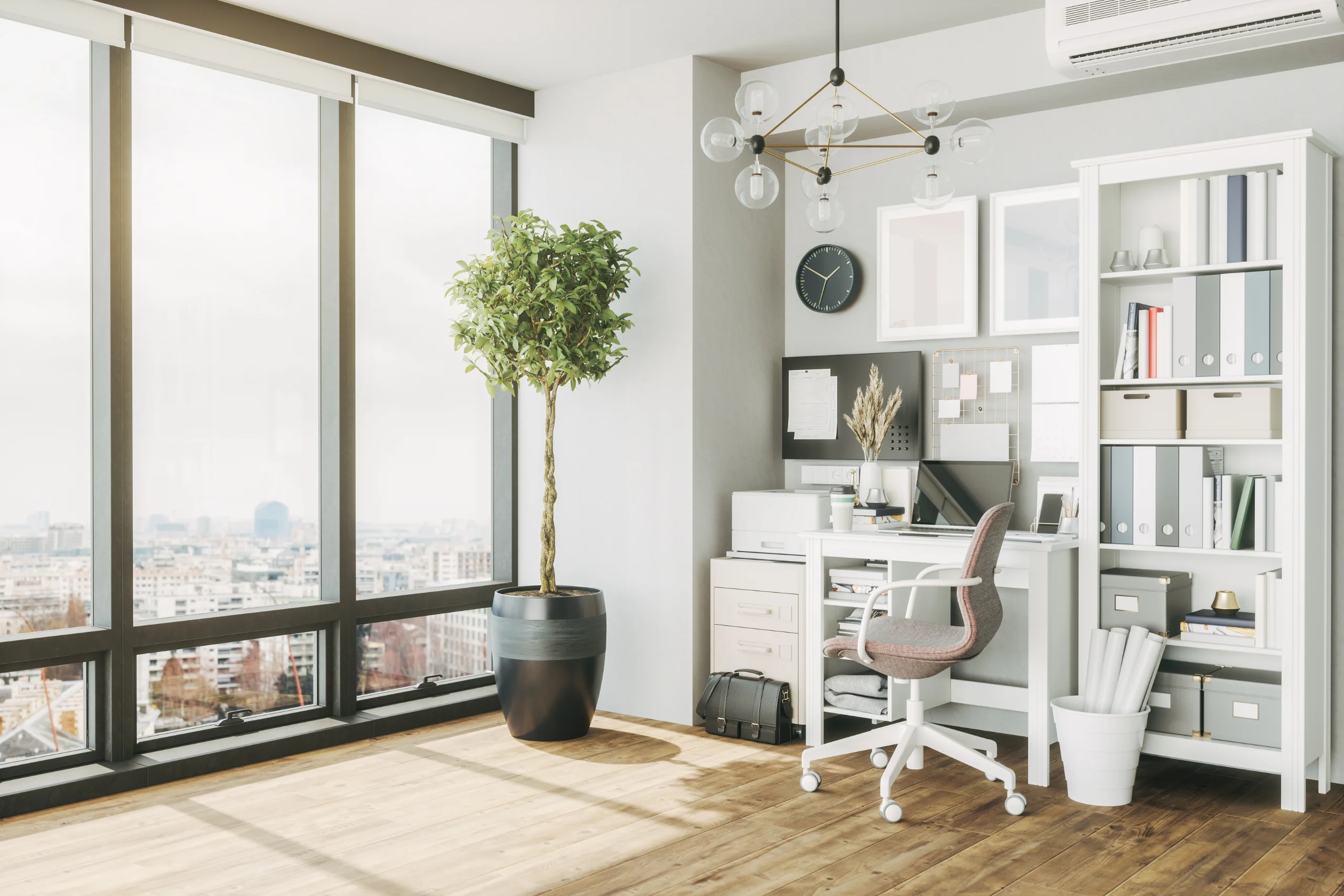
Working from home has become a standard practice, making it more vital than ever to have a comfortable and efficient home office. Whether new to remote work or just looking to upgrade, creating the perfect workspace can significantly boost your productivity and well-being.
This blog post explores the essential furniture pieces to help you build a home office tailored to your needs and preferences.
Table of Contents
Why a Well-Designed Home Office Matters
A well-designed home office isn’t just about aesthetics; it’s about creating a space that promotes productivity and comfort. When your work environment is optimized, you can focus better, work more efficiently, and even improve your mental health. Investing in quality furniture is the first step toward achieving this goal.
Then, decorating it to personalize your space follows. In terms of the latter, explore the internet, where you may come across Luis Via Roma discount codes that you can use to accentuate your home office space with decor purchased at a reasonable price. From there, you can create a stylish and functional workspace without breaking the bank.
1. Choosing the Right Desk
The desk is the centerpiece of any home office. It should be spacious enough to accommodate your computer, documents, and other necessary tools. Measure your space before purchasing to ensure the desk fits comfortably without overcrowding. Look for desks with adjustable heights, or consider investing in a standing desk to switch between sitting and standing throughout the day. Desks with built-in storage can keep your workspace organized. Drawers, shelves, and compartments offer convenient places to store office supplies, reducing clutter and making it easier to find what you need.
2. The Importance of a Quality Office Chair
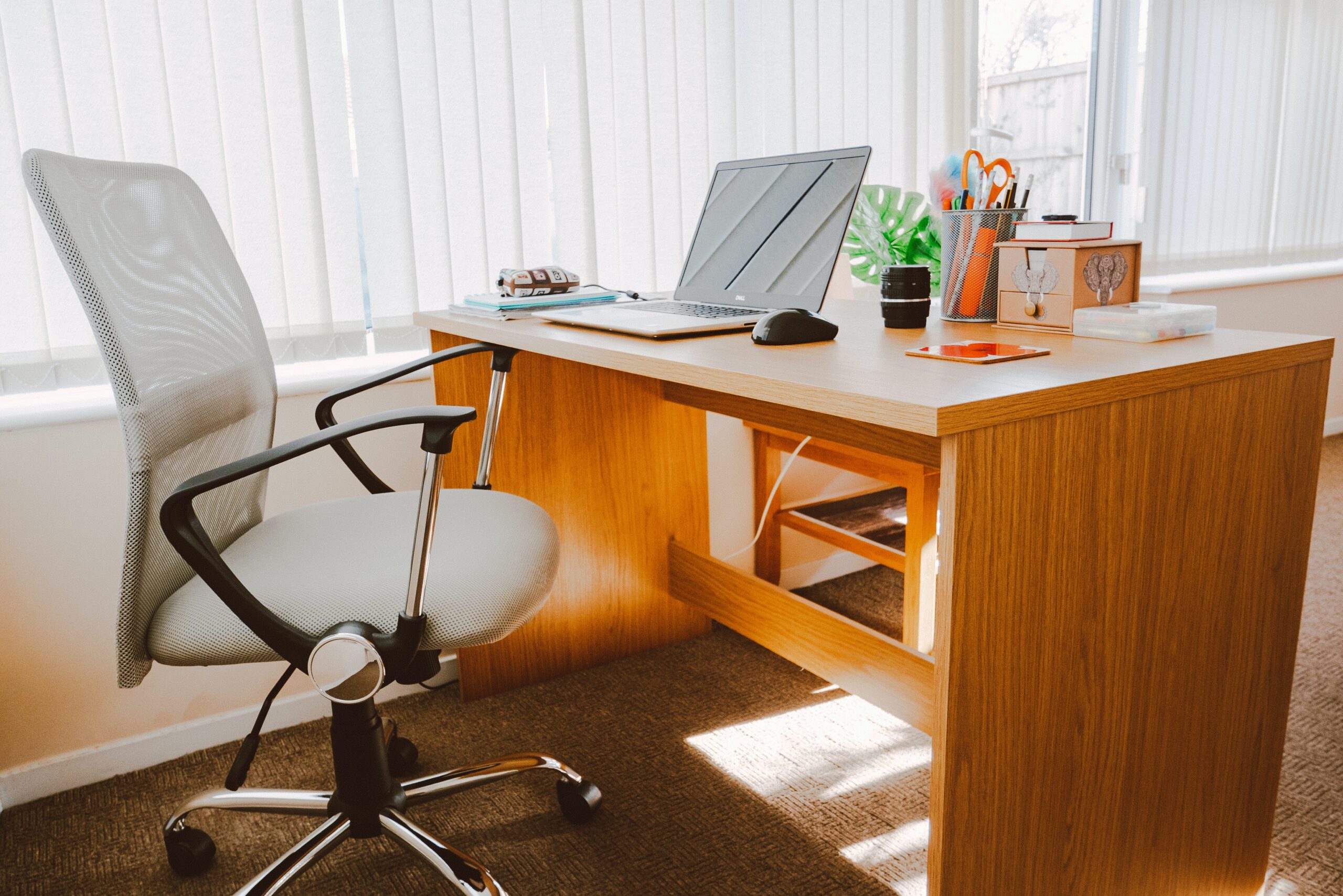
Look for features like lumbar support, adjustable height and armrests, and breathable fabric to ensure you can sit comfortably for extended periods. A chair that allows you to move freely around your workspace can make reaching different areas of your desk easier and accessing various office supplies. While functionality is critical, the visual appeal of your chair shouldn’t be overlooked. More importantly, investing in quality furniture ensures your home office lasts for years. Comfort should also be a top priority when choosing office furniture. Pieces that provide support and reduce strain can improve your overall well-being and productivity.
3. Lighting Your Workspace
Adjustable lamps can be directed where you need them most, reducing eye strain and improving concentration. Ambient lighting creates a comfortable atmosphere in your home office. Use floor lamps, wall sconces, or overhead lights to provide a balanced light source that reduces shadows and glare. To make your workspace more comfortable, control noise levels in your home office to minimize distractions. Use noise-canceling headphones, white noise machines, or soundproofing materials to create a quieter work environment. Proper airflow and a comfortable climate can help you stay focused and productive. Designate a small area in your office for breaks.
4. Storage and Organization
Shelving units are versatile storage solutions that hold books, files, and decorative items. They help keep your office tidy and make it easier to locate important documents. Filing cabinets provide secure storage for important papers and documents. Drawer organizers neatly arrange small office supplies like pens, paperclips, and sticky notes. This reduces clutter and makes it easier to find what you need quickly.
Regular cleaning helps maintain a tidy and organized space. Dusting surfaces, vacuuming carpets, and wiping down equipment can prevent clutter from accumulating. Implement decluttering strategies, such as the “one in, one out” rule, to keep your office free of unnecessary items. Regularly assess your belongings and donate or discard items you no longer need. Utilize storage solutions like bins, baskets, and trays to keep your office supplies organized.
5. Incorporating Technology
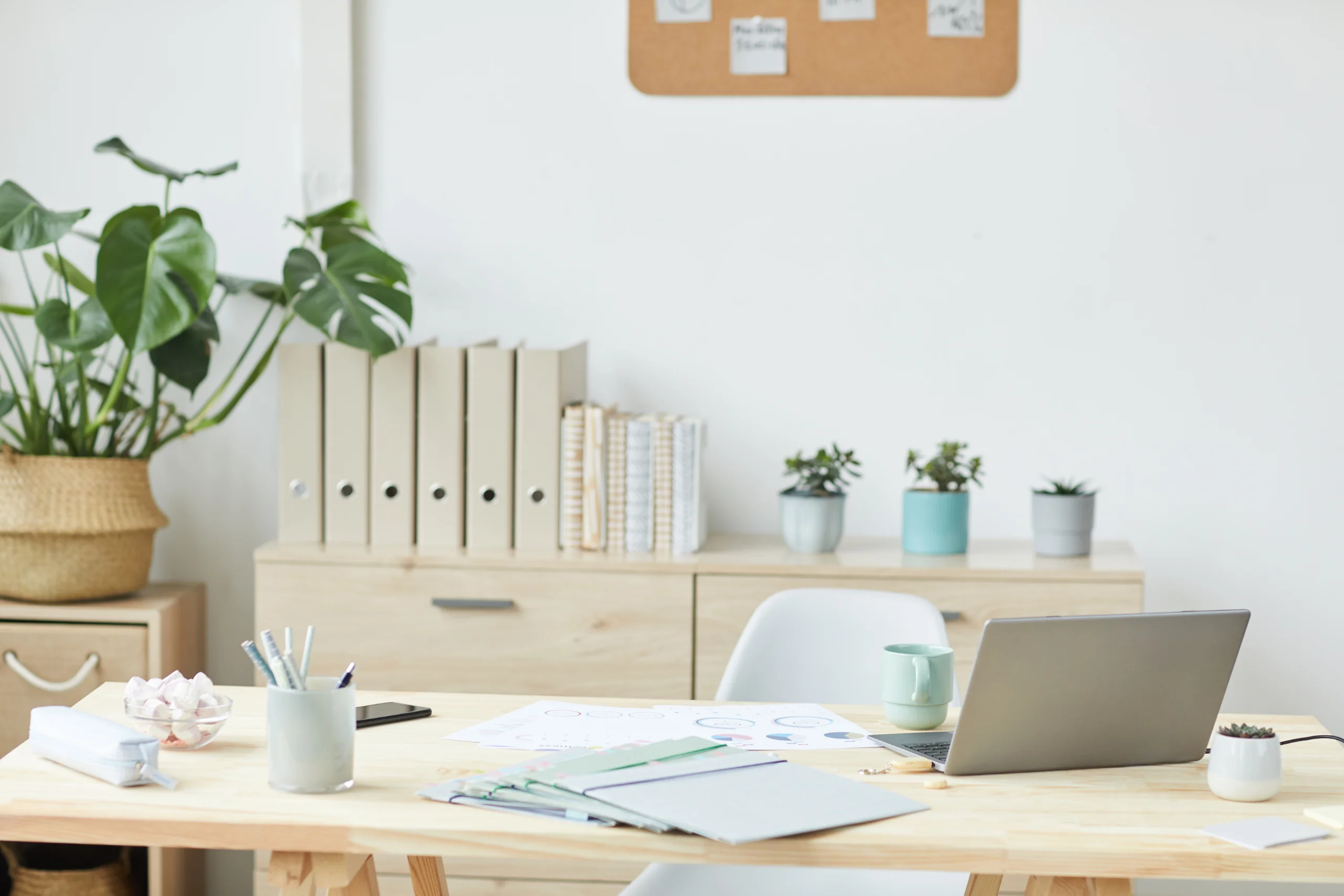
Using stands for your computer and monitor can help maintain an ergonomic setup. They elevate your screens to eye level, reducing neck and eye strain. Charging stations provide a central location to charge all your devices, keeping your workspace tidy and your gadgets powered up. Look for stations with multiple ports to accommodate various devices.
6. Personalizing Your Space
Personal touches like artwork, plants, and decorative items can make your home office more inviting. Calming colors like blues and greens promote focus, while brighter colors like yellow can boost energy and creativity. Comfort items like throw blankets, cushions, and rugs add warmth and coziness to your office. These elements can make your workspace more enjoyable and help you feel more at ease.
Divide your office into zones for different activities, such as work, meetings, and relaxation. This helps create a clear separation between tasks and can improve productivity and organization. Arrange your furniture and equipment so everything you need is within easy reach. Ensure there is enough space to move freely around your office. A well-planned layout with clear pathways can improve the flow of your workspace and make it more functional.
Creating a comfortable and efficient home office maximizes productivity and well-being. Start by assessing your current setup, then follow the tips in this guide to build a functional and inviting workspace. Ready to take the next step? Explore various ranges of home office furniture and find the perfect pieces to elevate your work-from-home experience.
