When running a home-based business, it is essential that you are able to operate the business without interruption — and that includes power loss. When the electricity is down, it will be hard to continue working and that’s something that you need to prepare for. This is why you need to have portable generators for your home office.
Finding the best home generators will take some thorough research. Generators aren’t your ordinary home appliances they are more complex than buying a washing machine, dishwasher or oven. However, they aren’t as complex as many people think they are so don’t be to put off.
Portable generators are among the most popular types available, especially for people looking for a generator they can take out and about with them. For example, a portable generator is exactly what you need if you want extra power on a camping trip or during a caravanning holiday.
But they can still be useful additions to your home. If you have a blackout or power trip, a portable generator will give you a power bank you can take from place to place to power essential appliances. It won’t give you the full coverage of a home backup generator, but it is still sure to be very useful.
Table of Contents

Understanding Your Power Needs
Before choosing a portable generator for your home office, it’s essential to determine how much power your workspace actually requires. Overestimating can lead to unnecessary costs, while underestimating may leave you scrambling during a power outage. Carefully evaluating the wattage needs of your devices ensures that you invest in the right generator—one that can safely and reliably support your work without interruptions.
Typical Power Requirements of Home Office Devices
Here’s a breakdown of common equipment found in a home office and their average power consumption:
- Laptop/Desktop Computer: 200–500 watts
Whether you’re running a basic laptop or a high-performance desktop workstation, this is often your biggest power draw in a home office. Desktops, especially those used for graphic design or coding, tend to consume more energy than laptops. - Monitor: 30–100 watts
Most modern LED monitors are fairly energy-efficient, but if you’re running dual or triple displays, the power consumption can quickly add up. - Wi-Fi Router: 10–50 watts
Routers don’t use much electricity, but during an outage, they’re crucial for maintaining connectivity if you rely on cloud platforms or video conferencing. - Printer/Scanner: 50–100 watts (idle), 300–500 watts (active)
These peripherals don’t constantly draw high power, but startup surges and active use can temporarily spike wattage needs. - Lighting: 60–200 watts
LED lighting is energy-efficient, but older bulbs or larger workspaces using multiple fixtures can increase the total load. - Other Devices to Consider:
- External hard drives or charging hubs: 10–50 watts
- Mini fridge (if you use one in your office): 100–250 watts
- Speakers or audio interfaces: 10–100 watts
- Air purifier or small fan/heater: 50–1500 watts (depending on type)
How to Calculate Your Total Power Needs
- List all the devices you plan to use during a power outage.
- Add up the running watts—the continuous power each device needs to operate.
- Account for starting watts, which is the surge required to power up devices like printers, fridges, or monitors.
- Add a 15–25% safety buffer to your total to avoid overloading the generator and allow for future additions.
For example:
| Device | Running Watts |
|---|---|
| Laptop | 300 W |
| Monitor | 60 W |
| Wi-Fi Router | 30 W |
| Printer | 100 W |
| LED Desk Lamp | 20 W |
| Mini Fridge (optional) | 200 W |
| Total | 710 W |
| +25% Buffer | 888 W |
In this case, a generator rated for at least 1,000 running watts would comfortably power this setup.
Recommended Generator Capacity
- Basic Setup: If you’re only running essential electronics (laptop, router, light), a generator with a 1,000–1,500 running watt capacity should be sufficient.
- Expanded Setup: If you have dual monitors, a desktop, and peripherals like printers and backup drives, aim for a 2,000–3,000 running watt generator.
- Heavy-Duty Needs: For professionals running high-power tools, production equipment, or heating/cooling devices, look into models with 3,500–5,000+ watts, though these may be overkill for most home offices.
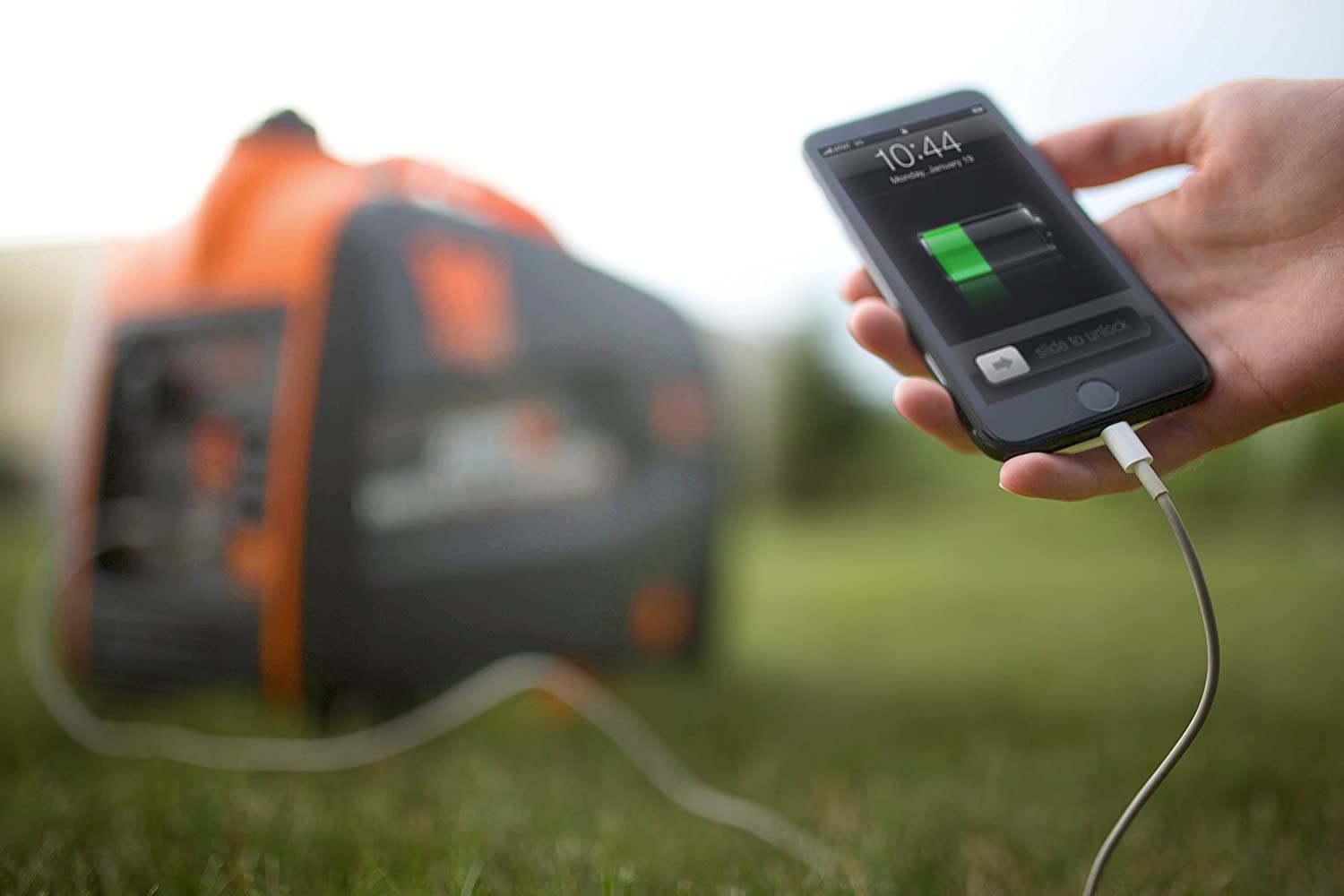
Key Features to Consider When Choosing a Portable Generator
Not all portable generators are created equal—especially when it comes to powering a home office. Since your work environment depends on reliable, clean energy, it’s important to evaluate more than just wattage. The following features can significantly affect performance, safety, usability, and even your productivity during an outage.
Inverter Technology
Inverter generators are the gold standard for powering sensitive electronics like laptops, monitors, routers, and external hard drives. Unlike conventional generators that produce raw AC power with fluctuations, inverter generators convert power into stable, clean energy that mimics the electricity from your wall outlets.
- Why it matters: Voltage spikes from non-inverter models can damage modern electronics or cause data loss.
- Bonus: Many inverter models are also more compact, quieter, and fuel-efficient.
If you’re using devices with microprocessors—anything from computers to printers—this feature is a must.
Low Noise Level
Working from home requires focus. Traditional generators can emit 70–100 decibels of sound—roughly equivalent to a vacuum cleaner or lawn mower—which can be incredibly disruptive. Inverter generators, on the other hand, are much quieter, with some models running as low as 48–60 decibels, akin to soft conversation or a quiet office environment.
- Pro tip: Always check the decibel rating at 25% and 50% load. Manufacturers sometimes highlight the lower figure to appear quieter.
A low-noise generator helps preserve your concentration, improves remote meeting quality, and avoids disturbing your family or neighbors.
Fuel Efficiency and Run Time
Fuel efficiency is key if you expect to rely on your generator for extended periods—such as during storm-related outages or rolling blackouts. Generators with “eco-mode” or automatic load sensing can adjust the engine speed based on the power being drawn, reducing fuel consumption and emissions.
- Look for: Run times of at least 8–12 hours on a single tank at 25–50% load.
- Dual fuel options (gasoline and propane) offer flexibility during fuel shortages or emergencies.
More efficient generators save money over time and require fewer refueling interruptions, which is a major plus during long workdays.
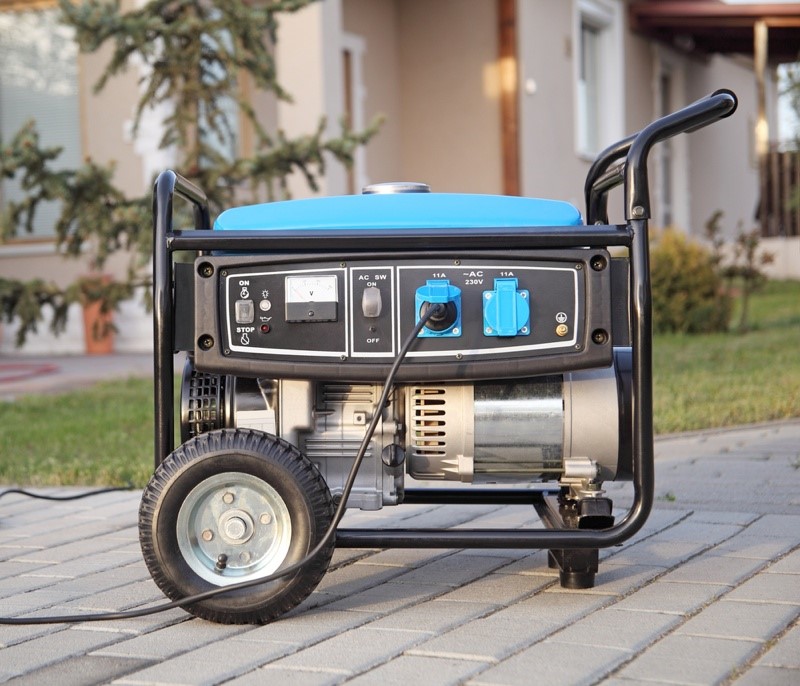
Portability and Compact Design
If you work from a small home office or live in an apartment, you’ll want a generator that’s easy to move and store. Portability becomes even more crucial if you plan to use the generator in different settings—say, as backup during family trips or outdoor events.
- Ideal specs: Look for models weighing under 60 pounds with built-in handles or wheels.
- Compact size means the generator can be stored in a closet or under a desk when not in use.
Some power stations are so lightweight and sleek that they double as travel-friendly battery banks, making them great multi-use tools.
Safety Features
Safety is non-negotiable when using any power source—especially one that uses fuel and produces carbon monoxide (CO). Many newer generators come with built-in safety mechanisms to protect both users and equipment.
- CO Monitoring and Auto Shut-Off: This feature shuts down the generator if CO levels rise to dangerous levels, helping prevent carbon monoxide poisoning.
- Overload Protection: Prevents the generator from overheating or damaging connected electronics.
- Low-Oil Shutoff: Automatically powers down the unit when oil levels get too low to prevent engine damage.
If you plan to use your generator near living spaces or indoors (in the case of solar or battery models), these safety features are crucial.
By prioritizing these features, you’re not just investing in a generator—you’re choosing peace of mind, operational continuity, and protection for your home office setup. The best portable generator balances power output with convenience, safety, and smart technology to keep you connected and productive when it matters most.
Reviews of Some of the Top Portable Generators
Portable generators come in many different forms and under a variety of different brand names. The main thing you need to look out for though is the fuel type they use. Propane, gas, diesel and solar power are the main types of fuel and some dual fuel generators can use more than one.
That covers the basics of portable generators, but I’d suggest checking out Best Generators.org for more detailed, in-depth information. Best Generators.org is a dedicated generator website that examines all areas of generators, including professional reviews and guides.
To give you some idea of the best portable generators for your home below I’ve outlined some of the best models to give you a starting point for your search.
Clarke IG2200
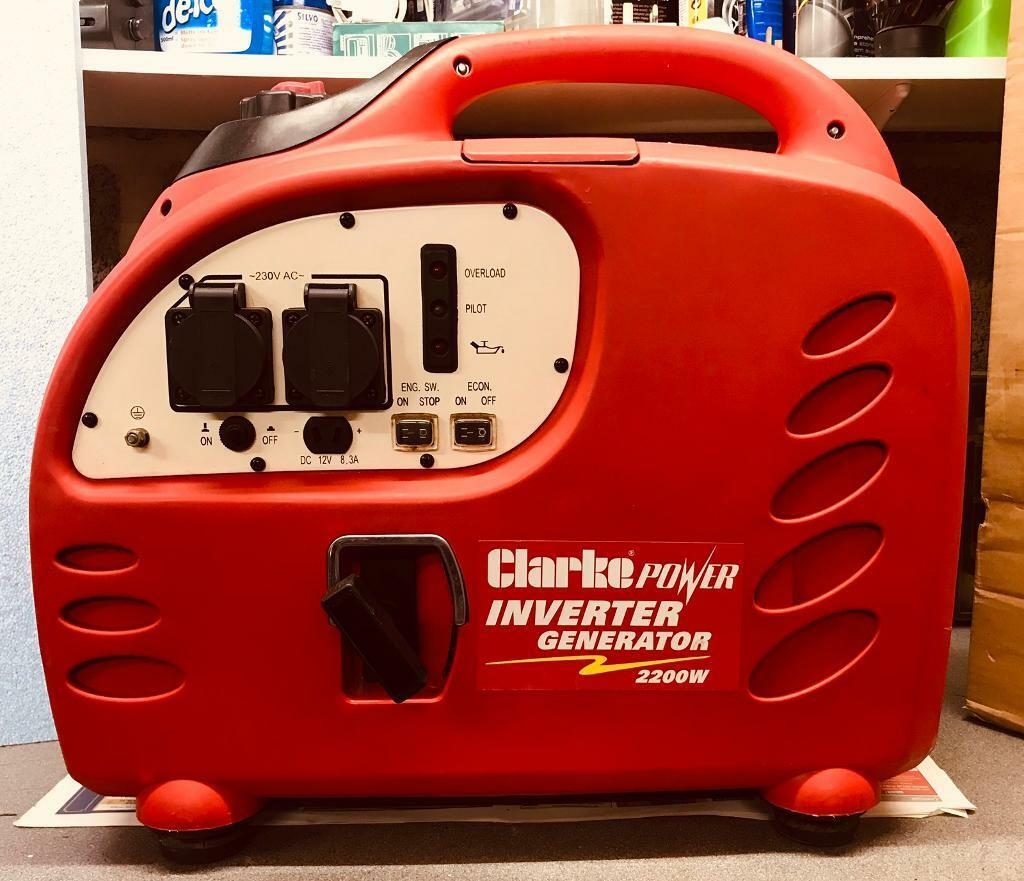
The Clarke IG2200 is a high-quality inverter generator that as a 2200 watts maximum power level. This generator is a very compact model and features a built-in handle making it easier to carry about from place to place. Because it is an inverter generator you will also get more refined power which makes it perfect for charging things like laptops.
Senci SC2000i Inverter Generator
This is another portable inverter generator that is ideal for people looking for one for their home. This petrol generator is designed to be very quiet when running and it features a variety of features aimed to make operating the generator more simple and straightforward.
Hyundai Petrol Mobile Generator
Small, lightweight and ideal for people looking for a portable home generator this Hyundai machine is a great choice of portable generator. The lower power of 1000 watts might put a few people off but you will still likely have enough power for a wide array of different appliances.
There is an LED display panel as well which makes adjusting controls and getting readings much easier.
Honda 1600 Watt Generator
With a maximum power of 2000 watts and a compact lightweight design this Honda generator is easy to move about and quick to set-up. It is petrol powered so a little noisier than some alternatives but the built-in inverter provides more refined power.
Other Notable Portable Generators
Honda EU2200i 2200 Watt Portable Inverter Generator
Renowned for its reliability and quiet operation (as low as 48 dB), the Honda EU2200i delivers 2,200 watts of clean power, making it ideal for sensitive electronics. Its compact design and fuel efficiency are perfect for home office setups.
Westinghouse iGen2200 Digital Inverter Generator
A budget-friendly option without compromising quality, the iGen2200 offers 2,200 peak watts and operates at 52 dB. It’s lightweight and features USB ports for direct device charging.
Jackery Explorer 2000 Plus Portable Power Station
This solar-compatible power station provides 2,000 watts of power and can be expanded up to 6,000 watts. It’s emission-free, making it safe for indoor use, and offers multiple charging options.
EcoFlow DELTA Mini Portable Power Station
With a 1,400-watt output and rapid charging capabilities, the DELTA Mini is perfect for those needing quick power replenishment. Its compact size and multiple outlets support various devices simultaneously.
Pulsar 4000W Dual Fuel Portable Generator
Offering versatility with gasoline and propane fuel options, this generator delivers 4,000 peak watts. Its CO Sentry technology ensures safety, and the telescopic handle aids in portability.
Yamaha EF2200iS Inverter Generator
Known for its durable build, the EF2200iS provides 2,200 watts of clean power. Its smart throttle adjusts engine speed based on load, enhancing fuel efficiency and reducing noise.
Champion 2000-Watt Portable Inverter Generator
Weighing just 39 pounds, this lightweight generator is easy to transport. It offers 2,000 starting watts and operates quietly, making it suitable for small home offices.
Conclusion: Powering Productivity Without Interruption
A reliable portable generator isn’t just a backup plan—it’s a smart investment in your ability to stay productive no matter what. For remote workers and home-based business owners, power outages can mean missed deadlines, lost income, and unnecessary stress. By understanding your power needs and choosing the right generator—whether it’s a fuel-powered inverter model or a solar-compatible power station—you ensure that your home office stays up and running even during emergencies.
Prioritize clean energy output, quiet operation, and portability when making your decision. And don’t forget to regularly maintain your generator so it’s ready to go when you need it most.
With the right generator, you can keep the lights on, the Wi-Fi strong, and your business moving forward—even when the grid lets you down.
FAQ on Portable Generators
Why should I choose an inverter generator for my home office?
Inverter generators produce clean and stable electricity, essential for sensitive electronics like computers and routers. They adjust engine speed based on power demand, resulting in quieter operation and improved fuel efficiency compared to conventional generators.
Can I run my generator indoors?
Traditional fuel-powered generators emit carbon monoxide and should never be used indoors or in enclosed spaces. However, battery-powered generators, like the Jackery Explorer 2000 Plus, produce no emissions and are safe for indoor use.
How do I determine the right generator size for my needs?
Calculate the total wattage of all devices you plan to power simultaneously. Add a 20% buffer to ensure the generator can handle startup surges. For example, if your equipment totals 1,000 watts, opt for a generator with at least 1,200 watts capacity.
What maintenance does a portable generator require?
Regular maintenance includes checking and changing the oil, inspecting air filters, and ensuring spark plugs are clean. Always follow the manufacturer’s guidelines and perform maintenance after a set number of operating hours or monthly, whichever comes first.
Are there quiet generators suitable for residential areas?
Yes, inverter generators are designed for quiet operation. Models like the Honda EU2200i and Yamaha EF2200iS operate below 60 decibels, making them suitable for residential use without disturbing neighbors.