There’s a good chance you have at least one gift card sitting somewhere, unused. Maybe it’s for a store you don’t shop at, a restaurant that closed down, or worse—a brand you absolutely hate. Whatever the case, that card represents money that’s locked away, waiting to be used… or better yet, sold.
The good news? You don’t have to let those gift cards collect dust. Selling them is not only possible, but it can also be a way to get real cash, trade for something you actually need, or even flip them for profit. The trick is knowing where to sell, how to avoid scams, and how to get the best deal.
Table of Contents
The Evolution of Gift Card Selling
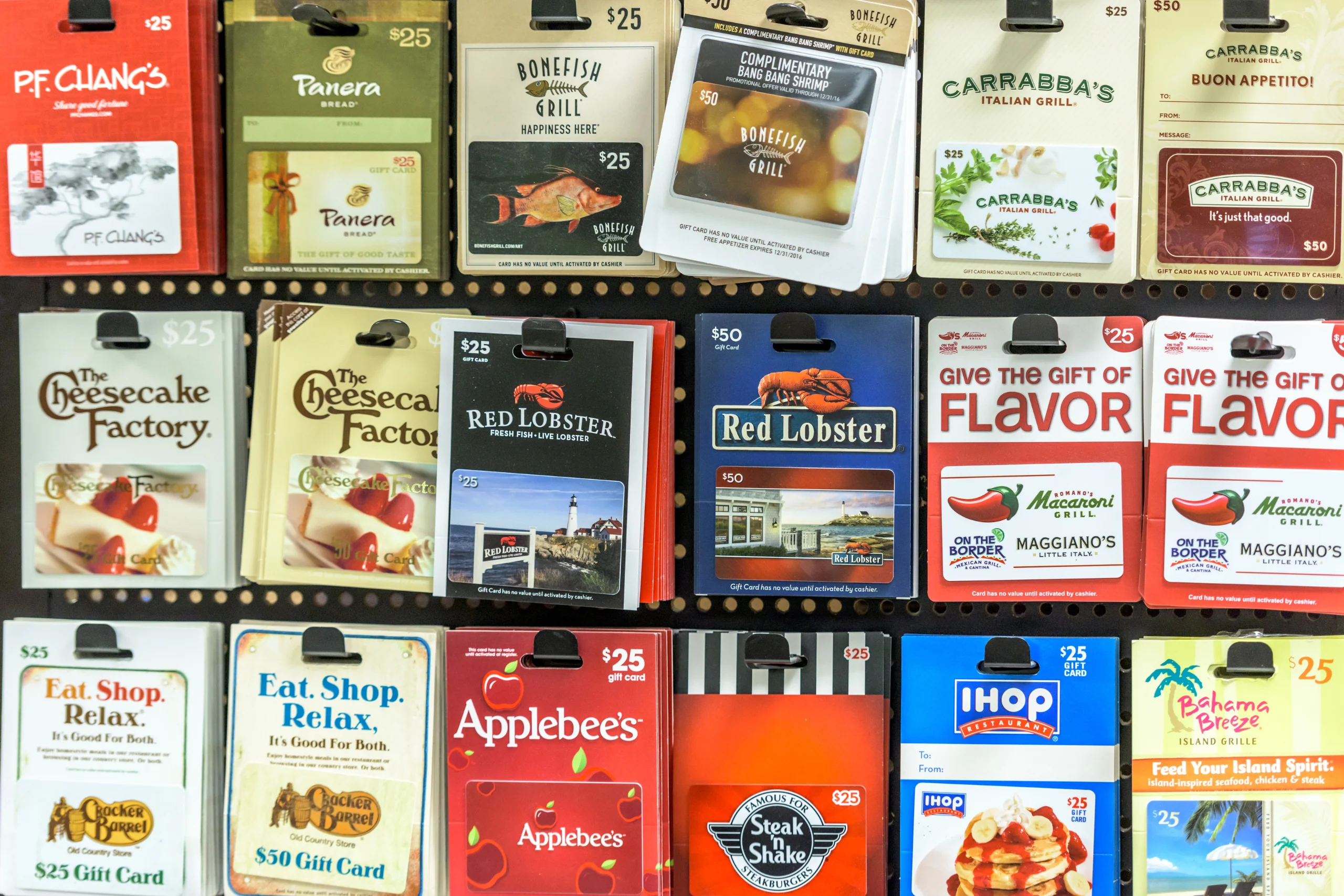
Once upon a time, if you wanted to get rid of an unwanted gift card, your best option was to find a friend or family member who wanted it. Now, an entire secondary market exists where people buy, sell, and trade gift cards—sometimes at a discount, sometimes for profit, and sometimes as a way to move money between different financial systems.
The demand is high, but so is the risk. Gift cards are as good as cash in some circles, which means scammers and shady buyers are always lurking. Selling gift cards can be profitable, but only if you do it right.
Where to Sell Gift Cards (And What to Expect)
Selling a gift card isn’t just about finding a buyer. It’s about knowing the best platform to get the highest value while minimizing risk. Here are your options:
1. Online Marketplaces
Platforms like Raise, CardCash, and Gift Card Granny exist purely to connect gift card sellers with buyers. You list your card, set a price (usually below face value), and when it sells, the platform takes a cut.
- Pros: Safe, easy, no personal interaction required.
- Cons: You won’t get full value, and it can take time to sell.
2. Peer-to-Peer Selling
Want to cut out the middleman? Sites like Reddit’s r/giftcardexchange, Facebook Marketplace, or even eBay allow you to sell directly to buyers.
- Pros: You might get a higher price than marketplace platforms offer.
- Cons: More risk of fraud, chargebacks, or people trying to scam you.
3. In-Person Sales
Some pawn shops, check-cashing stores, and kiosks in malls buy gift cards instantly. They pay you cash on the spot, but for significantly less than the card’s value.
- Pros: Instant cash, no online scams to worry about.
- Cons: Expect to get only 50-75% of the card’s balance.
4. Gift Card Trading
If cash isn’t a must, you can trade your unwanted card for one you’ll actually use. Some sites allow direct swaps, while others work like a barter system where you trade for credits to use on another card.
- Pros: No loss in value if you find a perfect trade.
- Cons: You still don’t get cash, and trades aren’t always instant.
Avoiding Scams When Selling Gift Cards
Because gift cards are basically untraceable money, scammers love them. If you’re selling, here’s how to protect yourself:
- Never give the card details before getting paid. If someone asks for the code first, they’re going to drain the balance and disappear.
- Be wary of payment methods like PayPal or Venmo. Buyers can claim they never got the card and file a chargeback.
- Stick to trusted platforms. Selling directly to strangers can be risky—use sites that offer seller protection.
- Watch out for deals that seem too good to be true. If someone offers full price (or more) for your card, they might be setting you up for a scam.
How to Maximize Your Gift Card Sale
Not all gift cards are created equal. Some hold value better than others, and if you’re strategic, you can get more cash for your card.
- Popular Brands Sell for More – Amazon, Walmart, Target, and Visa gift cards sell closer to face value because they’re in high demand.
- Discount Retailers Sell for Less – Stores like Kohl’s, Bath & Body Works, or niche brands usually have lower resale value.
- Timing Matters – Certain times of the year (holidays, back-to-school season) mean higher demand, and you’ll get better offers.
- Split Large Balances – A $200 gift card might be harder to sell than four $50 ones, since more buyers want smaller amounts.
The Business of Gift Card Flipping
Some people don’t just sell gift cards—they make a business out of flipping them. Here’s how it works:
- Buy discounted gift cards (people offload them for cash all the time).
- Resell them at a smaller discount (or in some cases, even face value if demand is high).
- Pocket the difference.
Retailers hate this and have started restricting gift card sales, limiting redemptions, and even banning accounts that look like resellers. Still, as long as there’s a gap between buying and selling prices, there will be people making money off the system.
Selling Gift Cards the Smart Way
Selling gift cards isn’t difficult, but doing it safely and getting the most money requires some strategy. Whether you’re trying to turn store credit into cash or thinking about jumping into the resale game, the key is knowing where to sell, what to watch out for, and how to avoid getting scammed.
At the end of the day, a gift card is only worth as much as someone is willing to pay for it. Play the game right, and you can turn that unused plastic into real cash—no wasted balances, no regrets.