

Healthcare shortage is one of the most pressing issues today. Learn about the growing concerns surrounding US healthcare staff shortages.
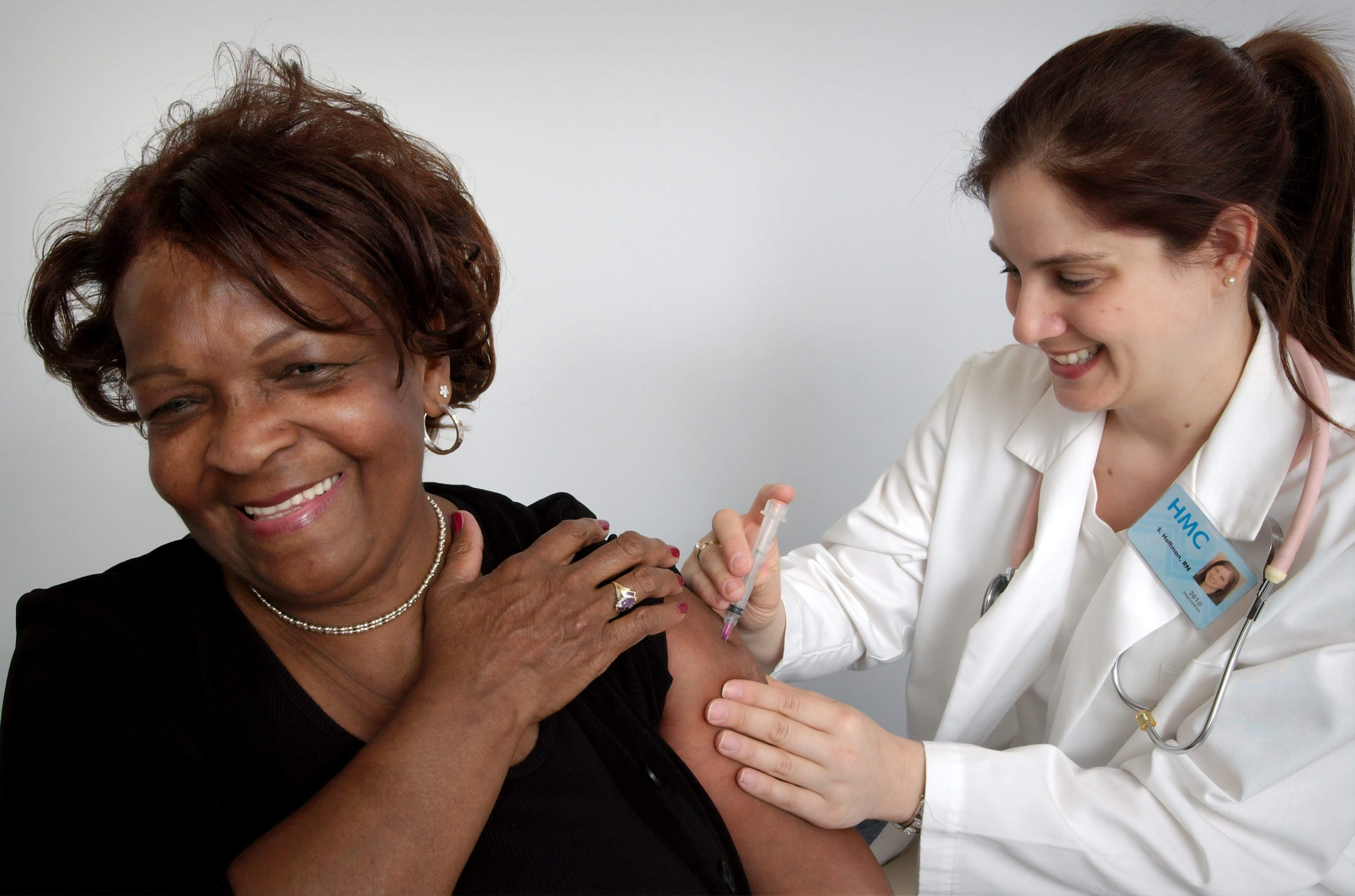
The US healthcare system is one of the most expensive and understaffed. Policymakers, healthcare leaders, and the nation recognize the issue as being one of the most prominent the country is dealing with. Along with being one of the most inaccessible healthcare systems in the world for the general public, the lack of doctors, nurses, midwives, and general healthcare workers poses problems moving into 2024.
The impact is vast. Health inequalities and poor quality of care are seriously impacting the general public in the US.
Below, we’ll explore the growing concerns surrounding US healthcare staff shortages.
Table of Contents
Understanding the Healthcare Shortage
The deficit in the healthcare workforce continues to grow. According to the latest online sources, there’s a need for 17,000 primary care practitioners. That’s not to mention the 12,000 dental practitioners and 8,200 mental health practitioners. Currently, one in five American adults is impacted by mental health issues and a failure to access services. And that’s just adults.
The healthcare shortage numbers are only estimates. The scale of the understaffing damage is predicted to be more severe than predictions reveal.
Diversity in Healthcare
Addressing the healthcare shortage crisis also involves looking into the issue of diversity in the workforce. The current underrepresentation of various ethnic and racial groups in the healthcare sector significantly affects the quality and accessibility of healthcare services. This diversity gap often leads to disparities in healthcare outcomes.
Some senators are at the forefront, championing the cause for a more inclusive healthcare workforce that is equipped to understand and meet the unique needs of all communities in the US.
The Economic Burden of Health Inequities
The lack of diversity and the broader workforce healthcare shortage has significant economic implications. A study by the National Institute on Minority Health and Health Disparities points to the staggering economic burden of health inequities in the United States, amounting to hundreds of billions of dollars.
The Pandemic’s Exacerbation of the Crisis
The COVID-19 pandemic has further exposed and aggravated these disparities, revealing a disproportionate impact on Black and brown communities. The pandemic underscored the dire need for a more robust healthcare workforce capable of responding effectively to such crises.

The Future Outlook
Looking ahead, the projected healthcare shortage of workers is alarming. By 2025, there’s an expected healthcare shortage of over 400,000 home health aides and nearly 30,000 nurse practitioners. Unless the US finds ways to address the shortages, the shortcomings in staff will directly impact patient care.
In response, physician staffing companies are crucial in bridging the healthcare shortage gap.
These companies are instrumental in recruiting and placing healthcare professionals in hospitals and beyond. They’re providing a flexible and efficient means of addressing staffing needs – these companies have become an integral part of the solution. They give some breathing room to healthcare facilities in the US.
Addressing the Root Causes
The roots of the healthcare worker shortage are complex and multifaceted. Factors like the aging population, advances in medicine prolonging life, and a growing preference among physicians to specialize rather than practice general medicine contribute to this crisis. Rural areas, in particular, are feeling the brunt of these shortages. However, addressing the issues is not something to happen overnight.
Strategies for Alleviating the Shortage
Combatting this issue requires a multi-pronged approach. Promoting public health and preventive measures, attracting more nurses to primary care roles, offering online healthcare degrees and certificates, and increasing policy initiatives to support human resource development are some of the strategies being considered.
Collecting reliable data for health databases and giving healthcare workers a voice in shaping legislation and policies are crucial steps toward a more efficient and responsive healthcare system.
The Critical Role of Healthcare Educators and Midwives
Healthcare educators and midwives are at the forefront of tackling America’s healthcare worker shortage. The issue runs deep. Nursing schools are struggling with a lack of faculty, directly impacting the number of new nurses joining the healthcare ranks. It isn’t just about numbers. It’s about the capacity to care and heal.
The scarcity of midwives in the US adds another layer to the crisis – especially given the country’s concerning rates of cesarean sections and maternal and infant mortality.
This shortage in the healthcare workforce isn’t just a temporary problem. It calls for immediate and lasting solutions. As the demand for healthcare services continues to climb, the nation must act decisively.
The journey towards resolving this crisis is twofold. The US needs to tackle the shortages head-on by boosting the number of healthcare workers and addressing accessibility issues that the US is continuously struggling with.
