
Not every advertising trend is worth chasing. This in-depth guide breaks down ten overhyped marketing tactics that often fail small businesses and explains what actually works in 2026.
Key Takeaways
- Most advertising trends are designed for large budgets, not small businesses
- Overhyped tactics often distract from proven fundamentals
- Search visibility and owned audiences remain critical
- Automation should support strategy, not replace it
- Trust, relevance, and clarity outperform novelty
Every year, new advertising trends promise smarter targeting, higher engagement, and faster growth. They arrive wrapped in buzzwords, backed by slick presentations, and amplified by agencies eager to sell “the next big thing.”
But for most small and home-based businesses, chasing trends is not just risky. It is expensive, distracting, and often counterproductive.
The problem is not innovation. The problem is misapplied innovation. Many advertising trends are developed for large brands with massive budgets, long timelines, and tolerance for experimentation. When smaller businesses attempt to follow the same playbook, the return rarely justifies the effort.
Below are ten advertising trends that have been repeatedly overhyped over the years and continue to resurface in new forms. Each section explains why the trend sounds appealing, where it falls short, and what works better in 2026 for entrepreneurs who need results, not hype.
Table of Contents

1. Immersive Virtual Worlds as a Primary Marketing Channel
Immersive virtual worlds are digital environments where users interact through avatars, branded spaces, or simulated experiences. Over the years, this idea has appeared in many forms, from early virtual communities to modern VR, AR, and “metaverse” concepts. The promise has always been the same: deeper engagement, longer attention spans, and stronger emotional connections between brands and customers.
The problem is that immersive environments solve a problem most customers do not actually have. People are not looking for more complex ways to interact with brands. They are looking for faster answers, clearer value, and easier decisions. For small businesses, especially, immersive platforms introduce friction instead of removing it.
Another issue is audience readiness. Most consumers do not spend time in virtual worlds, and those who do are often there for entertainment or social reasons, not to discover small brands or make purchasing decisions. When businesses invest heavily in immersive marketing, they are often betting on future behavior rather than current demand. Virtual environments have been marketed for years as the future of brand engagement. Early platforms promised digital storefronts, avatar-based networking, and fully immersive brand experiences. More recently, the concept has resurfaced under new labels tied to virtual reality, augmented reality, and branded digital worlds.
Why it sounds compelling
Immersive environments suggest deep engagement, novelty, and early-mover advantage. Marketers are drawn to the idea that customers will spend meaningful time inside branded experiences rather than skimming ads.
Why this is a problem for small businesses
Immersive marketing requires significant investment, technical expertise, and ongoing maintenance. The return is uncertain, difficult to measure, and rarely aligned with short-term revenue goals.
Why does it rarely work for small businesses
Immersive platforms require:
- High development costs
- Steep learning curves for users
- Hardware or platform adoption that most customers do not prioritize
For most businesses, customers want speed, clarity, and convenience. They do not want to learn a new interface just to interact with a brand.
What works better in 2026
Use immersive tools only when they directly reduce buying hesitation or improve understanding.
- Product visualization where it directly reduces friction
- Training or onboarding tools
- Demonstrations that solve a real buying hesitation
If immersion does not shorten the path to purchase or understanding, it is usually unnecessary. Prioritize clarity and accessibility.
2. Artificial Social Proof and Manufactured Recommendations
Artificial social proof refers to paid endorsements, scripted testimonials, fake reviews, or influencer posts that appear organic but are not rooted in genuine customer experience. This tactic continues to resurface because social proof is powerful, and many businesses are tempted to accelerate trust rather than earn it.
The issue is that trust cannot be manufactured without consequences. Audiences today are far more media-literate than they were a decade ago. They recognize patterns, question authenticity, and quickly disengage when something feels staged or exaggerated.
Search engines, marketplaces, and social platforms are also increasingly effective at detecting unnatural recommendation patterns. What once slipped through now carries reputational, ranking, and even legal risk.
Why it sounds compelling
Social proof works. Seeing others endorse a product influences behavior. The mistake is assuming all social proof works equally.
Why it backfires
Small businesses rely heavily on credibility. A single breach of trust can undo years of reputation-building. Unlike large brands, there is little margin for error.
Audiences are more skeptical than ever. Artificial praise:
- Erodes credibility when discovered
- Violates platform policies
- Can damage long-term brand trust
Search engines and marketplaces are also far better at identifying patterns associated with manufactured endorsements.
What works better in 2026
Earned credibility outperforms borrowed credibility:
- Real customer stories
- Transparent case studies
- Reviews collected systematically and ethically
Trust compounds slowly, but once broken, it is difficult to rebuild. Focus on real customer stories, transparent feedback, and consistent proof over time. Authentic trust compounds and performs better in both human and algorithmic evaluation.

3. “Smart Ads” That Promise Automatic Optimization Without Oversight
“Smart ads” are advertising systems that claim to automatically optimize targeting, creative, and placements using machine learning. These systems are marketed as hands-off solutions that eliminate the need for strategic involvement.
The appeal is understandable. Many business owners are overwhelmed by advertising complexity and hope automation will compensate for limited time or expertise. The reality is that automation amplifies whatever inputs it is given. Weak messaging, unclear goals, or poor targeting are not fixed by algorithms.
Automation does not replace strategy. It executes strategy.
Why it sounds compelling
Automation suggests efficiency and reduced effort. Business owners hope to “set it and forget it.”
Why this is a problem for small businesses
Algorithms optimize for platform goals, not business goals. Without:
- Clear inputs
- Strong messaging
- Ongoing monitoring
Without oversight, smart ad systems often prioritize platform efficiency over business outcomes. Budgets get spent, but results are inconsistent or misleading.
What works better in 2026
Automation should support strategy, not replace it:
- Use automation for bidding and delivery
- Control messaging and audience definition
- Review performance trends regularly
Use automation as an execution layer, not a decision-maker. Maintain control over messaging, audiences, and success metrics. Human judgment remains essential.
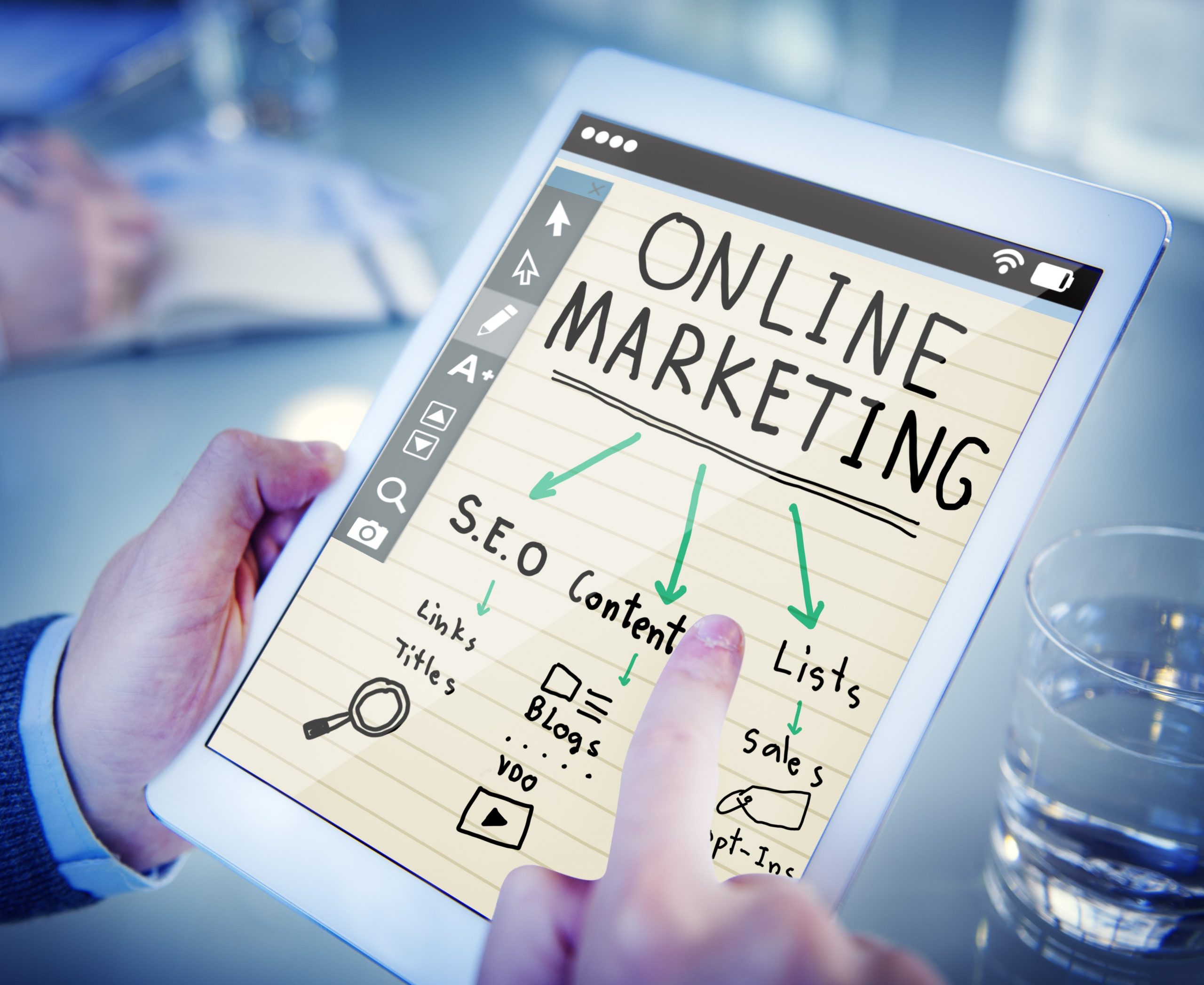
4. Neglecting Search Visibility in Favor of Flashier Channels
Search visibility refers to how easily customers can find your business when actively looking for solutions. Despite its proven effectiveness, search marketing is often overlooked in favor of newer, more visually exciting platforms.
The issue is not that newer channels are ineffective. It is that they serve different stages of the buying journey. Search captures intent. Many other channels capture attention.
Ignoring search means ignoring customers who are already motivated.
Why it sounds reasonable
Search feels slow and unglamorous. Social and video platforms feel immediate and exciting.
Why this is a costly mistake
Search traffic reflects active demand. People searching are already looking for solutions. Ignoring search visibility means missing customers who are ready to act.
Small businesses benefit most from high-intent traffic. When search visibility is neglected, they miss opportunities that are often cheaper and more conversion-ready.
What works better in 2026
A balanced strategy prioritizes:
- Search-friendly content
- Clear answers to buyer questions
- Visibility across traditional search and AI-assisted discovery
Search remains one of the most cost-effective acquisition channels for small businesses. Build content and visibility around customer questions, problems, and comparisons. Search remains foundational, including in AI-assisted discovery.
5. Audio-Dependent Video Advertising
Audio-dependent video ads rely heavily on voiceovers, dialogue, or sound cues to communicate their message. This approach assumes viewers are watching attentively with sound enabled.
In reality, most video content is consumed silently, especially on mobile devices and social platforms. Viewers scroll quickly, multitask, and rarely stop for long-form audio explanations.
When sound is required to understand the message, the message is often lost.
Why it sounds logical
Audio allows storytelling, emotion, and nuance.
Why it fails in practice
Most video content is consumed:
- Muted
- In short bursts
- While multitasking
If the message does not work visually, it will not land.
Why this is a problem for small businesses
Production resources are limited. If a video fails to communicate instantly and visually, the investment is wasted.
What works better in 2026
Design video for silent-first consumption:
- Clear visuals
- On-screen text
- Immediate context
Use visuals and text to convey value immediately, with audio as a secondary enhancement. Audio should enhance, not carry, the message.
6. Human-Powered Search and Curation Models
Human-powered discovery systems rely on editors, curators, or community voting to surface content and recommendations. These systems are often positioned as more thoughtful or trustworthy than algorithms.
While human judgment adds value in certain contexts, it struggles with scale, speed, and consistency. Discovery systems must respond to real-time demand across massive content ecosystems.
Why it sounds appealing
Human judgment implies quality, nuance, and trust.
Why this is a problem for small businesses
Relying on human curation limits reach and predictability. Exposure becomes dependent on gatekeepers rather than relevance.
Why it struggles to scale
Human-powered systems:
- Lack speed and coverage
- Introduce bias
- Cannot match real-time demand
They work in niche environments but not as primary discovery engines.
What works better in 2026
Hybrid models:
- Algorithmic discovery
- Human editorial oversight where it adds value
Scale matters in discovery.

7. Knee-Jerk Algorithmic Media Buying
Algorithmic media buying outside of search involves automated placement of ads across websites, apps, and networks based on data signals. It promises reach and efficiency at scale.
The challenge is that scale without context often results in wasted impressions. Ads appear in environments that are irrelevant, low-quality, or misaligned with brand values.
Why this is a problem for small businesses
Smaller budgets magnify inefficiencies. Poor placements drain resources quickly without delivering meaningful engagement.
Why it sounds powerful
It promises reach, efficiency, and data-driven precision.
Why it disappoints
Poor targeting, lack of transparency, and low-quality placements often erode performance, especially for smaller budgets.
What works better in 2026
Prioritize contextual relevance and controlled environments over raw reach. Intent-first placement:
- Contextual relevance
- Clear audience definition
- Controlled environments
More reach is not better if it reaches the wrong people.
8. Overreliance on Behavioral Targeting
Behavioral targeting uses past user behavior to predict future interests. While effective in theory, it has become increasingly constrained by privacy regulations, platform changes, and consumer skepticism.
Behavior does not always reflect intent. People research, browse, and explore without necessarily intending to buy.
Why this is a problem for small businesses
Behavioral data is less accessible and less reliable than before. Dependence on it creates instability.
Why it sounds effective
Targeting users based on past behavior feels precise.
Why it is increasingly risky
- Privacy regulations
- Platform restrictions
- Consumer distrust
Behavioral data is less reliable and more restricted than it once was.
What works better in 2026
Contextual relevance and first-party data strategies rooted in trust and transparency. Contextual and first-party strategies:
- Content relevance
- Email relationships
- Voluntary data exchange
Trust-based data wins long term.
9. Treating Social Platforms as Standalone Advertising Solutions
Social platforms are powerful distribution channels, but they are not owned assets. Algorithms change, reach fluctuates, and dependence creates vulnerability.
Many businesses mistake activity for control.
Why this creates problems
Overdependence on social platforms exposes businesses to sudden loss of visibility. Social platforms are volatile:
- Algorithms change
- Reach fluctuates
- Dependence creates risk
What works better in 2026
Social should support:
- Brand visibility
- Community building
- Traffic to owned assets
Your website and email list should remain the foundation. Use social platforms to support awareness and engagement while directing audiences to owned channels.
10. Intrusive Mobile Advertising
Intrusive mobile advertising interrupts users with pop-ups, auto-play videos, or aggressive formats. While attention may be captured momentarily, goodwill is often lost.
Mobile devices are personal spaces. Disruption feels more invasive.
Why it persists
Mobile usage is dominant, and attention feels scarce.
Why this is a problem for small businesses
Negative mobile experiences damage brand perception and reduce trust.
Why it hurts brands
Intrusive formats:
- Increase bounce rates
- Damage brand perception
- Trigger ad avoidance
What works better in 2026
Mobile-first does not mean disruptive:
- Respect user context
- Prioritize usability
- Focus on relevance
Helpful beats aggressive every time: respectful, relevant, mobile-first experiences that prioritize usability and timing.
11. Streaming TV Advertising Treated as a Direct-Response Channel
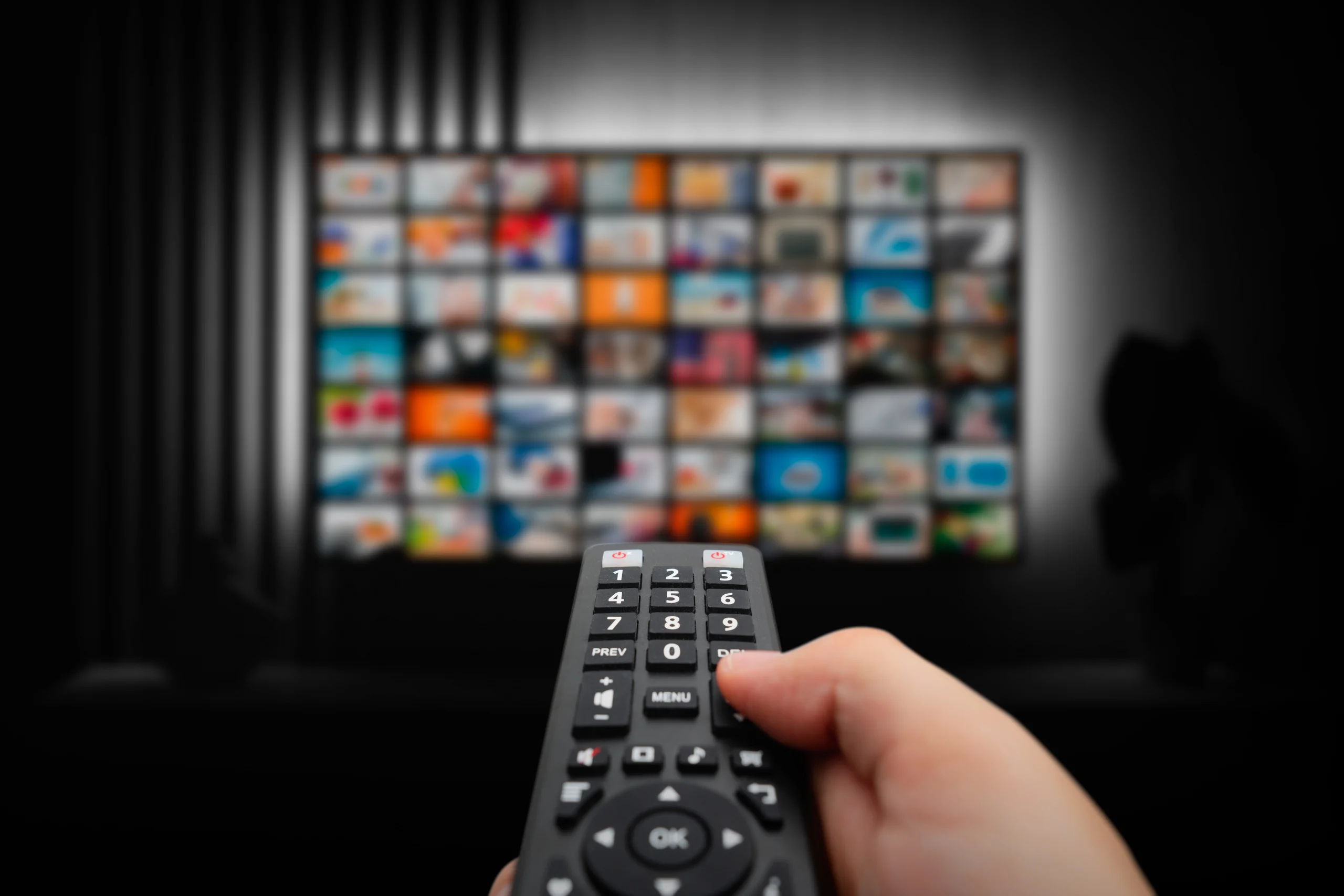
Streaming TV advertising refers to ads shown within ad-supported streaming platforms, often grouped under Connected TV (CTV). These ads appear during shows and movies on platforms such as Amazon Prime Video, Hulu, Roku, and similar services. They look like traditional television commercials but are delivered digitally, with targeting layered on top of household and viewing data.
This trend has gained traction because it promises the best of both worlds: the perceived credibility and attention of television combined with the targeting capabilities of digital advertising. For many business owners, streaming TV feels like a more “serious” or legitimate form of advertising compared to crowded social feeds.
The problem is not the format itself. The problem is how it is often positioned and sold to small businesses. Streaming TV is frequently marketed as a performance channel that can drive immediate sales, leads, or measurable conversions. In reality, it functions much closer to traditional television than to search or paid social.
Why this is a problem for small businesses
Streaming TV is primarily an awareness and reinforcement channel. Viewers are typically relaxed, passive, and not in an active buying mindset. Attribution is indirect, response is delayed, and results are influenced heavily by frequency and repetition. For small businesses with limited budgets, this makes testing expensive and outcomes difficult to evaluate.
Additionally, targeting is often less precise than advertised. Many streaming platforms rely on household-level data, inferred interests, or broad audience segments. This can be effective for large brands seeking reach, but inefficient for niche or local businesses that depend on precision.
What works better in 2026
Streaming TV can play a role when:
- Brand positioning is already clear
- Demand exists and needs reinforcement
- Search, retargeting, or email capture supports the campaign
Used in isolation, streaming TV rarely delivers the accountability small businesses need. Used strategically, it can strengthen credibility once fundamentals are already in place.
12. Early-Stage AI Platform Advertising Without Established Authority
AI platform advertising is an emerging category that refers to paid or sponsored visibility within AI-assisted environments. This can include promoted answers, sponsored recommendations, or paid placement within AI-driven search, shopping, or discovery interfaces.
The excitement around this trend is understandable. AI platforms increasingly sit at the moment of decision. Users ask direct questions, receive synthesized answers, and often act on those recommendations with a high level of trust. From an advertiser’s perspective, this looks like the most valuable real estate imaginable.
The challenge is that AI-driven discovery does not operate like traditional advertising. Visibility is not determined solely by budget. It is heavily influenced by perceived authority, clarity, consistency, and trustworthiness across the web.
Why this is a problem for small businesses
Many businesses assume AI platform advertising will function like paid search or display ads, where placement can be bought and results are immediate. In practice, AI systems are cautious about what they surface and how they label paid influence. Weak brands, unclear positioning, or thin content often fail to gain traction, even with paid support.
There is also instability in this space. Formats, disclosure rules, and placement mechanics are evolving rapidly. Businesses that build strategies around immature ad models risk wasted spend and inconsistent visibility.
What works better in 2026
The most reliable way to benefit from AI platforms today is not to start with advertising, but to start with AI-readiness:
- Clear definitions and explanations
- Well-structured, authoritative content
- Consistent messaging across owned assets
- Strong search visibility and credibility signals
Paid amplification may enhance visibility later, but it cannot substitute for trust. In AI-driven environments, authority is the entry requirement, not an optional upgrade.

What Actually Works Better Than Chasing Advertising Trends
While advertising trends constantly evolve, the principles that drive sustainable growth remain remarkably stable. Businesses that perform well over time are rarely the ones that jump on every new platform or tactic first. They are the ones who understand their market deeply and apply proven fundamentals with discipline and consistency.
Clear positioning
Clear positioning is the foundation. When customers can immediately understand who you serve, what problem you solve, and why you are different, marketing becomes easier and more effective. Trend-driven advertising often masks weak positioning with novelty. Strong positioning removes the need for gimmicks by making the value obvious from the start.
Customer-focused messaging
Customer-focused messaging consistently outperforms cleverness. Advertising trends tend to emphasize formats and tools, but customers care far more about relevance. Messaging that speaks directly to real problems, objections, and goals builds trust and drives action, regardless of channel. Businesses that invest time in understanding customer language gain an advantage that no algorithm can replace.
Search visibility
Search visibility continues to deliver some of the highest-quality traffic available. When people search, they are expressing intent. Showing up with clear, helpful answers at that moment creates a natural bridge between need and solution. In 2026, this includes traditional search results as well as AI-assisted discovery tools that surface trusted, well-structured content.
Owned audiences
Owned audiences provide stability in an increasingly volatile digital landscape. Email lists, content libraries, and engaged communities give businesses direct access to their audience without relying entirely on third-party platforms. While social networks and ad platforms will always play a role, ownership protects against algorithm changes and rising acquisition costs.
Consistent testing and refinement
Consistent testing and refinement separate disciplined marketers from trend chasers. Rather than overhauling strategies every time a new tactic emerges, successful businesses make incremental improvements based on real performance data. Small adjustments compound over time, producing more reliable growth than periodic reinvention.
Trends promise shortcuts. Fundamentals reward patience.
Conclusion: Why Fundamentals Matter More Than Ever in 2026
Advertising will continue to evolve. New platforms will emerge, technologies will advance, and bold claims about “the future of marketing” will keep circulating. None of that is inherently bad. Innovation matters. But innovation without judgment is rarely profitable.
For small and home-based businesses, the real competitive advantage is not early adoption. It is clarity, consistency, and credibility. When positioning is strong, messaging is grounded in customer reality, and visibility is built on trust rather than tricks, marketing becomes resilient instead of reactive.
The most successful businesses are not the ones chasing every trend. They are the ones that understand which trends to ignore, which to test carefully, and which fundamentals to protect at all costs. In a crowded and noisy marketplace, that restraint is not a weakness. It is a strategy.
By focusing on what works and resisting what merely sounds impressive, businesses put themselves in a position to grow steadily, adapt intelligently, and remain visible long after today’s advertising trends have faded.
Frequently Asked Questions on Overhyped Advertising Trends
Are advertising trends worth following at all?
Yes, but selectively. Trends should be tested only when they align with your audience, budget, and goals. Chasing trends without strategy usually leads to wasted resources.
What is the biggest advertising mistake small businesses make?
Confusing visibility with effectiveness. Being seen does not matter if the message does not resonate or convert.
Is automation replacing marketers?
No. Automation handles execution efficiently, but human judgment is still required for strategy, messaging, and interpretation.
Should small businesses still invest in social media advertising?
Yes, but as part of a broader ecosystem. Social should drive awareness and traffic, not replace search or owned channels.
How can I tell if a trend is worth testing?
Ask whether it:
– Solves a real customer problem
– Reduces friction
– Supports long-term growth
If not, it is likely a distraction.
