
Security has emerged as a critical requisite irrespective of enterprise size and type, given the changing security environment. It safeguards both physical and virtual assets in addition to increasing productivity, improving the extent of credibility in clients, and providing assurance. There are six main considerations for why an effective security framework must be put in place.
Table of Contents
1. Protects Physical Assets
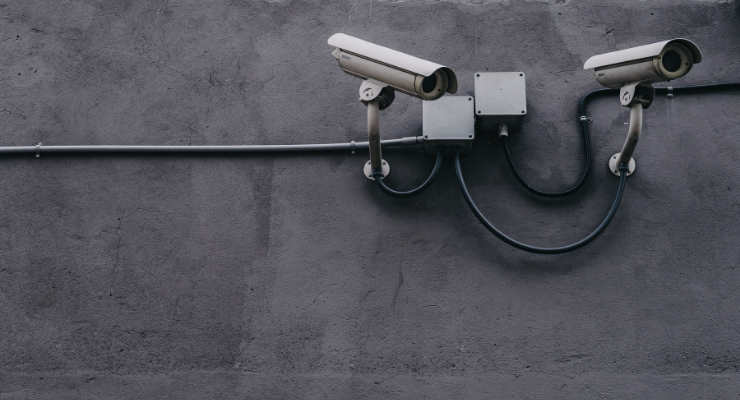
The major role of a security system is to protect goods, tools, inventory and any other property that belongs to the organization. Anything from theft, vandalism and unauthorized access can cause great losses in terms of money and hinder any business. Must have surveillance, alarms and access controls to enhance security to prevent criminals from accessing your facility or taking your assets. It serves as a protection shield against probable risks. A modern security camera system, for instance, will monitor your property continuously and provide live feeds, which will serve as proof in the event of an incident.

2. Enhances Employee Safety
The protection of employees is ever important for a company to be productive and efficient in its operations. Security systems enhance the safety of employees through control of entry points, parking bays, and other internal practice areas. Other features, for example, access control systems, allow only those people who are allowed to be in certain zones to gain access. Prominent signs are also going to provide a comforting and secure environment for employees. These include break-ins or safety-related issues. For example, the alarms and other communication systems allow for a quick response so everyone remains safe.
3. Prevents Unauthorized Access
Security threats can threaten the business processes of organizations, and vulnerable regions can be violated. Normal security systems that have limited access points ensure that only accredited persons are allowed entry. Things such as keycards and biometric devices keep the restricted areas protected. They enhance a form of monitoring that involves real-time, provides additional protection, and ensures accountability. Measures ensure the protection of the assets and provide security to the employees, as well as ensure the clients’ confidence.
4. Reduces Insurance Costs
Most of the insurers rely on offering premium discounts to businesses that have tight security measures put in place. There are a lot of benefits a good security system provides, including decreased theft and vandalism. Thus, security is good risk management. Brief descriptions of such security measures as video surveillance, alarms, and monitoring services contribute to the decrease of your risk profile and may lead to a reduction of insurance tariffs. Such savings can be moved to another important aspect of your business. You can, therefore, prevent break-ins by installing security systems that will cost your business less financially while improving its security.
5. Supports Regulatory Compliance
Some establishments are in sensitive sectors like health, finance and retail, and need to meet high security and privacy policy requirements. A good security system assists in covering these demands by recording persons’ access, retaining secure facilities, and the right procedure of information. It also covers audit and compliance review by offering records of certain security measures. Also, compliance makes your organization attractive to the stakeholders by demonstrating your commitment to the protection of confidential data. A well-developed system protects you from the implications of non-compliance and proves your organization’s compliance with industry rules.
6. Provides Real-Time Monitoring and Insights
Contemporary security systems are more sophisticated, and they can include real-time monitoring, data analysis as well as remote control. These are some of the features that enable you to monitor activities, discover problems, or act to contain an event that happened at your business while you’re out of the office. They also make it possible to introduce the best decisions through available information. Solutions based on data will enable enhancing existing systems, for example, employees’ working hours and dealing with frequent problems appearing in certain zones. They put the saddening back into your security system actually to become an active part of your strategic plan.
Conclusion
An integrated security system is a necessity for any organization that wants to secure its property and people besides protecting its image. Apart from protection, those systems enhance functionality, enhance legal requirements, and provide functionalities. Therefore, adopting the principle of security to your business prioritizes the physical and virtual assets of your business, hence offering room for its growth in a protected and safe environment.
