Web scraping has become an effective mechanism for collecting publicly available data at scale. Whether you need to conduct academic research or perform competitive analysis, scraping enables access to insights that might otherwise remain hidden across thousands of pages. But before jumping into the world of large-scale data collection, it’s wise to experiment first, and that’s where free proxies come in.
Table of Contents
What Is Web Scraping and Why Does It Matter?
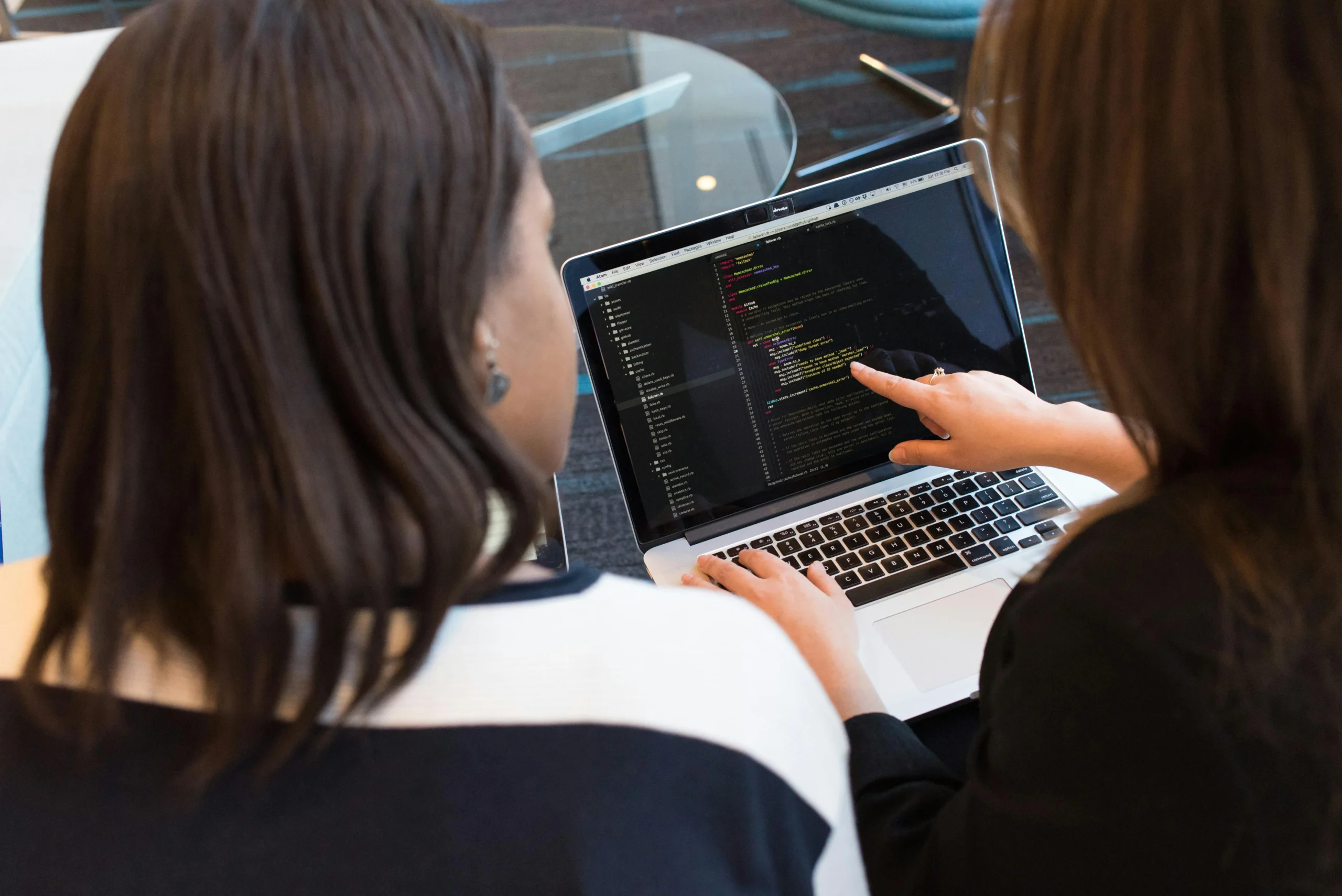
Web scraping is an automated technique to extract data from websites. As a result, developers, analysts, and data scientists use it to extract structured data when there’s unstructured HTML content. It’s the technique that powers everything from price-tracking platforms, like Google Shopping Results, to job aggregation sites.
Scraping public data operates in a legal gray area, especially regarding how that data is used and whether a website’s terms of service are respected. That’s why reviewing the site’s robots.txt file and terms of service is essential, as overlooking them could result in legal complications or your scraper being blocked.
What Are Free Proxies?
Free proxies act as intermediaries between your device and the web. Instead of sending a request directly to a server, your request goes through a proxy, which masks your IP address and makes it appear as though the request is coming from a different location.
Many of these proxies are available for free and are often run by individuals or communities. Free proxies come in several types, including HTTP/HTTPS proxies, which vary in anonymity and security, and SOCKS proxies, which are known for handling a wider range of protocols.
Free Proxies as a Sandbox Environment
When you’re new at web scraping, technical hiccups are inevitable. By employing free proxies, you get your own sandbox environment, so you get to test your scripts, rotate your IPs, and see how a website acts after multiple requests without hammering your actual IP.
This kind of testing environment is invaluable. It lets you:
- Play with the request headers and behave as if you are a different browser or user agent.
- You can easily cope with errors like 403 (Forbidden) or 429 (Too Many Requests).
- Scrape at different intervals and see when a website might rate-limit or block you.
Since scraping can accidentally set off defenses like CAPTCHAs, getting blocked is part of the learning process. Free proxies present a risk-tolerant way to navigate through that process.
Benefits of Using Free Proxies for Scraping
Free proxies come with a lot of practical advantages for beginners and hobbyists:
- Cost-effective: It requires no cash upfront, which is perfect for early-stage projects.
- Hands-on learning: Working with unstable and slow proxies helps you understand the real-world limitations of web scraping.
- Risk reduction: Disposable proxies protect your actual IP, minimizing the risk of getting stuck on your target site.
- IP diversity: Free proxy lists usually have IPs from various global locations, which can be used to test the accessibility of geo-specific content.
This is what makes free proxies a great starting point for those learning to create scalable and responsible scraping architectures.
Limitations and Considerations
Despite the perks, free proxies come with notable downsides.
- Speed: Free proxies are often considerably slower than paid (both in server load and usage).
- Unreliability: Many public proxies go offline without notice. To keep a pool operational, you have to keep checking.
- Security Risks: Some proxies of this kind can log your activity or inject unwanted content into the response source.
- Limited anonymity: Certain proxies may leak headers that expose your true IP or location.
For sensitive scraping tasks (e.g., analysis of user data, which should be anonymized or avoided wherever possible), free proxies may not provide the level of protection you need.
Free Proxies: A Good Starting Point, But Not the Finish Line
Free proxies can be a great starting point for anyone just getting into web scraping or automating tasks online. They provide a free option to learn the basics of rotating IPs, headers, and session management without getting locked into a paid service. For small-scale projects, quick tests, or proof-of-concept work, free proxies can work just fine. Just keep in mind that they’re often public, slow, and unreliable, and they come with a higher risk of bans or connection drops.
That said, once your scraping becomes more frequent, data accuracy is important, or you are targeting sites with higher defenses, it’s time to explore premium options. Paid proxies also bring speed, stability, and privacy, all important factors for any serious scraping or production environment. Free proxies are like training wheels: good for practice but not made to withstand the long haul.
Conclusion
Free proxies offer a low-risk way to learn the ropes of web scraping, giving beginners room to experiment without major consequences.They are great for beginners to explore web scraping, but as your needs grow, upgrading to premium proxies becomes essential for ensuring faster speeds, security, and reliability. As your scraping goals grow, so should your tools. Upgrading to premium proxies isn’t just about better performance — it’s about building scraping workflows that scale responsibly and sustainably.