


Small companies often face big challenges, from understanding customer behavior to improving operational efficiency. That’s where business analytics and data science step in as game-changers. By leveraging enterprise data management services, small businesses can harness the power of data just like big corporations. Curious how? Let’s dive into how analytics, statistics, and data mining are leveling the playing field for small companies.
Table of Contents
The Power of Business Analytics for Small Companies
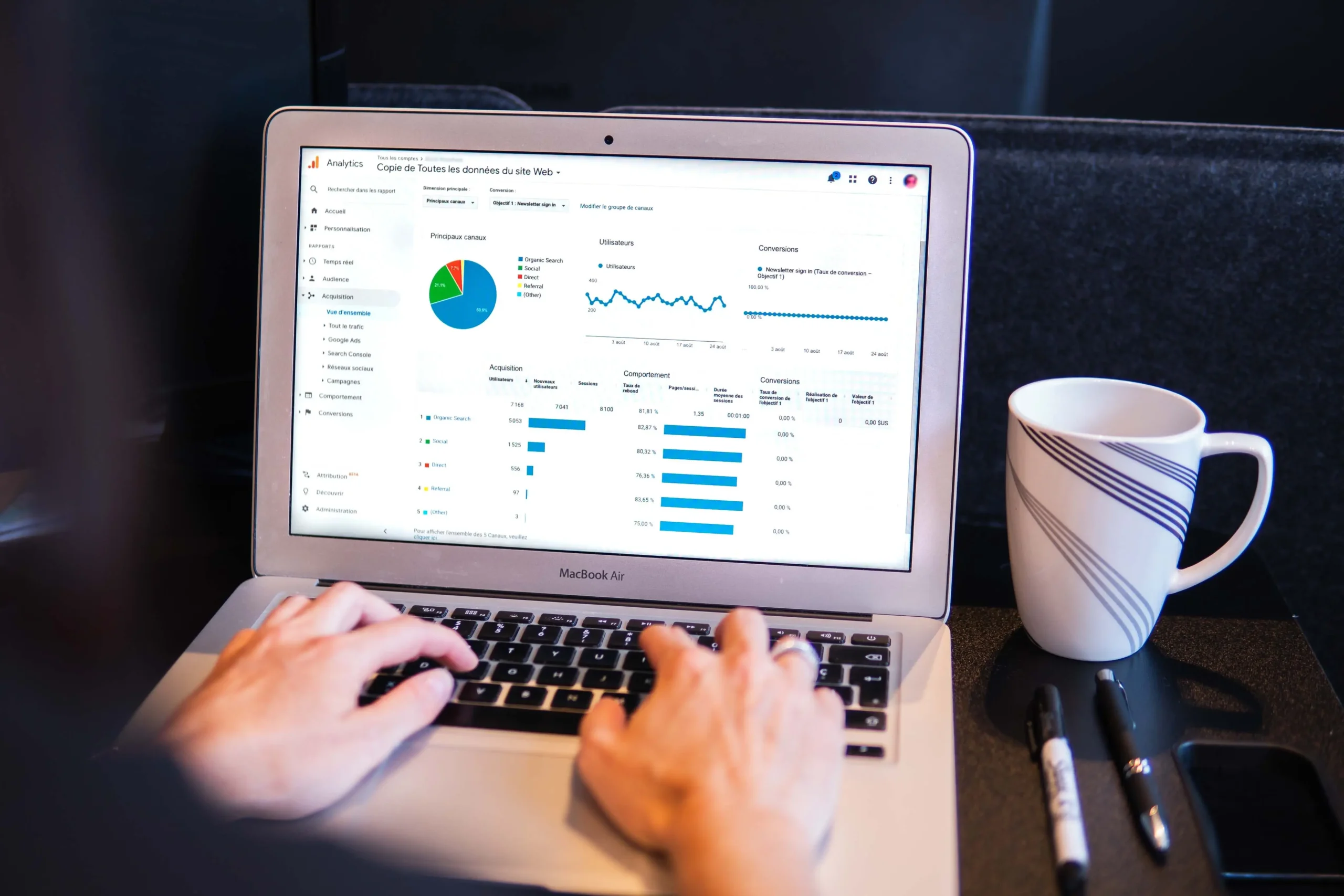
Business analytics is no longer reserved for Fortune 500 companies. It’s a vital tool for small businesses seeking growth. With accessible tools like Google Analytics, Tableau, and Power BI, companies can analyze sales trends, customer preferences, and even employee performance.
Key Benefits:
- Improved Decision-Making: Data-driven insights eliminate guesswork.
- Enhanced Efficiency: Identify bottlenecks and optimize processes.
- Customer-Centric Strategies: Predict buying behavior to offer personalized experiences.
How Big Companies Use Statistics to Solve Problems
Big corporations use statistics to tackle challenges like forecasting demand, optimizing supply chains, and detecting fraud. But small businesses can adopt similar approaches:
- Customer Segmentation: Divide customers into groups for targeted marketing.
- Predictive Analytics: Anticipate trends and stock inventory accordingly.
- Performance Metrics: Track and improve key performance indicators (KPIs).
Example: Starbucks uses statistical models to decide where to open new stores. Small businesses can replicate this by analyzing foot traffic and local demographics.
Data Science for Small Business: A Scalable Advantage
Data science might sound complex, but small companies can implement it with affordable tools and cloud services. Machine learning models, for instance, can forecast sales or recommend products to customers.
Steps to Get Started with Data Science:
- Collect Relevant Data: Start with sales, customer, and operational data.
- Choose the Right Tools: Use platforms like Azure ML or Python libraries like Pandas.
- Experiment: Begin with small, manageable projects like sales forecasting.
Data Mining for Small Business: Discovering Hidden Gems
Data mining involves extracting patterns from raw data. For small businesses, this means identifying trends to drive growth.
- Customer Behavior: Know what products your customers love.
- Market Trends: Stay ahead of competitors by identifying industry shifts.
- Operational Insights: Pinpoint inefficiencies and reduce costs.
Real-World Example:
A boutique clothing store used data mining to identify their top-selling items during holiday seasons, enabling them to stock up in advance and boost revenue.

Why Small Businesses Should Embrace Data Management
Efficient data management best practices underpin all these activities. Without it, data becomes a liability rather than an asset. Small businesses can partner with providers offering enterprise data management services to ensure their data is secure, organized, and accessible.
Conclusion
From business analytics to data mining, small companies now have access to tools and techniques once exclusive to large corporations. By leveraging statistics and embracing data science, they can solve problems, drive growth, and thrive in today’s data-driven world.
Ready to transform your business with data? Start small, think big, and watch your business grow!
