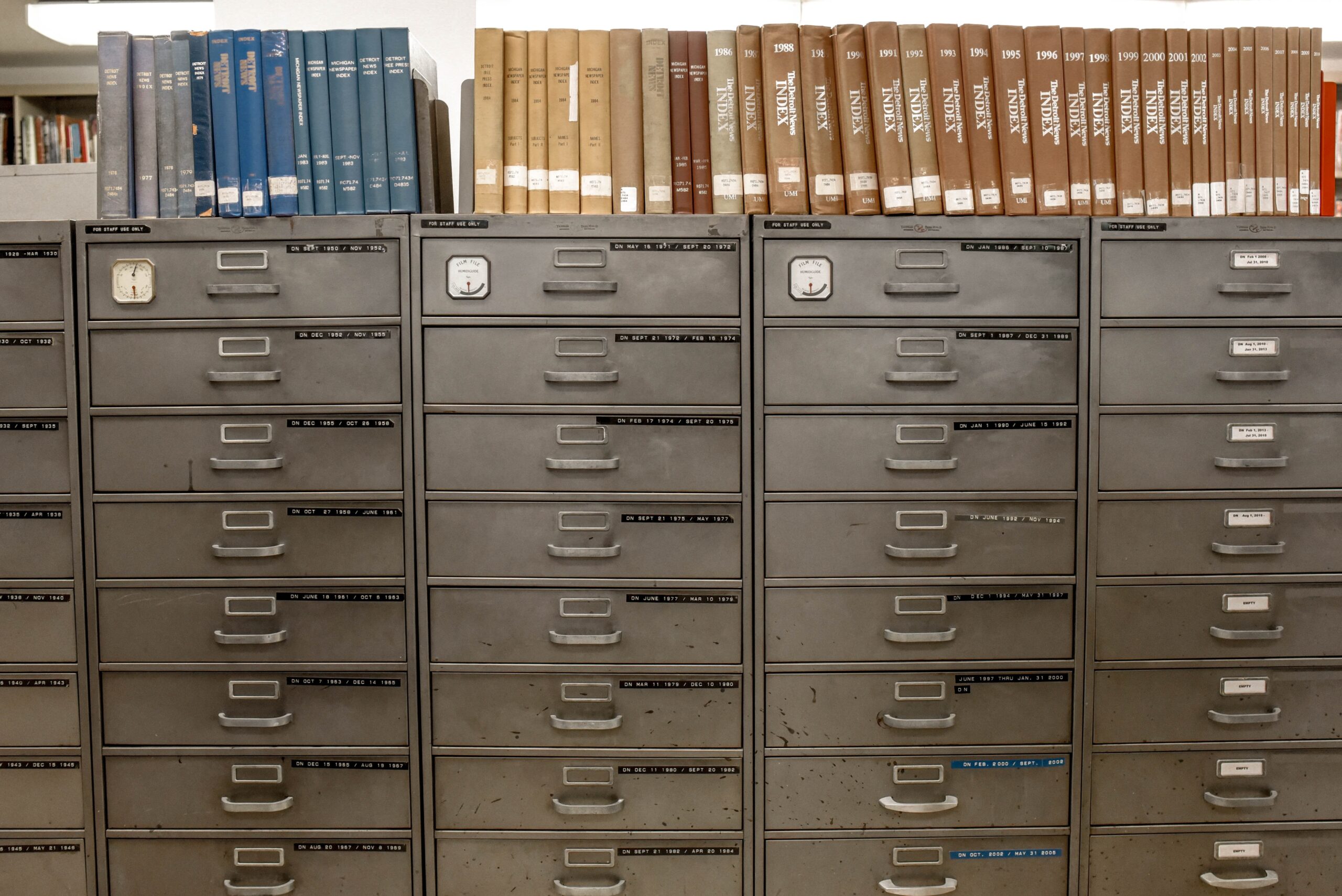
When it comes to your business or personal commitments, documents and data are an integral part of them. Especially for businesses, they are the bread and butter. In today’s day and age, where everything is digital, having a document management system has become ever more crucial. So, before locking on your final pick, evaluate all your requirements and needs.
Introducing Electronic Document Management Systems (EDMS)
An electronic document management system or EDMS comprises software offerings. These typically include self-built, proprietary ‘on-premise’ and cloud-based solutions. These systems intend to provide structure and security to your digital filing capabilities and searchability. Also, they render you control to all the required documentation for your business. The control and monitoring aspects enable you to run and operate your work effectively and meet regulatory requirements.
Who should go for an EDMS?
Businesses that deal with a ton of paperwork and documentation are definitely in need of an EDMS. These include law and accounting firms, financial consultants, business advisory units, and others. Poor document issuance and control procedures can cost businesses their reputations, especially when meeting standards, including the ISO 9001 and ISO 13485.
Why should you go for an EDMS?
There are obvious benefits of opting for an EDMS, like time and cost efficiencies. Also, the system streamlines shareability which translates into quicker collaborations and decision-making. However, an EDMS also comes to the rescue to battle out any inadequacies in security infrastructure. Now, this is vital if you have loads of sensitive and confidential data. Remember that your commercial reputation is at stake, so make the correct choice!

Top five tips for choosing an EDMS
1. Go for a vendor with industry know-how
Most organizations have a document handling system as a daily routine, and not every business does so in the same way. Each records the data and documents differently. The industry also is another parameter. This is especially crucial for those operating in the legal or healthcare sectors with specific regulations that need adherence. Hence, when opting for an EDMS, ensure that the vendor understands your industry and is well-versed with the challenges faced.
As a tip, beware of vendors that claim to have cutting-edge solutions. Choose a vendor who can adapt to your requirements and has a scalable infrastructure for doing so. Also, keep in mind the unique compliance, security, and administrative needs of your company.
2. On-premise or cloud-based?
These are the two broad types of electronic document management systems out there.
Let us look at the on-premise system. The solution requires you to have independent servers and storage. So, maintenance is your hassle. With this one, you are also in charge of data security. The option is best suited for large and multinational corporations with dedicated IT resources because of the higher technical demands. Also, the system puts you in direct control of the system. Another aspect is the subscription. This aspect will determine the technical support and software updates. The upside of this system is complete control. The downfall, however, is that there are upfront costs. Plus, the onus for appropriate backup systems lies on the business owners.
Cloud-based software is a system accessible online. These systems usually charge a monthly or an annual fee, inclusive of maintenance and software updates. The price range varies as per your features. The benefit of cloud-based systems is that you do not require an IT team. Furthermore, there are no upfront costs. In this, you are at the mercy of your provider for the operations and functionality of the system. If the vendor faces a problem, the ripple effect will also affect your business activities.
3. Enquire about integration capabilities
Mobile access
A mobile or smartphone is like a digital soulmate. It takes care of all our personal and professional needs and renders anytime and anywhere access. However, you can control and monitor the extent of access. For instance, whether you want the documents to be read-only or allow editing and sharing capabilities.
Tiered permissions
When it comes to integration, the same document should be accessible by multiple parties from anywhere. Now, this can be controlled and monitored by creating permission-based access to certain documents. One way of doing so is by tiered permissions. In this system, only certain employees can access specific documents.
4. Look for collaborative features
Storage
Great collaboration cannot happen without adequate storage. And storage is among the vital functions of a document management system. It allows your company documents to get stored in a safe and easily searchable manner.
Monitoring tools
Collaboration is healthy, but it does need some control. So, keep a tab on who accesses what document. Also, this helps to ensure that your confidential documents are safe and secure.
5. Support Options
Keyword search
Note that an effective document management system offers a broad keyword search option. This mechanism renders next-to-effortless access to any document. However, you can choose among multiple options. Some systems include metadata and tags that make it simple to recall a document or a set of them. A typical example is tagging all the invoices as ‘invoice’.
Document history and restoration
These features enable you to see who edits the documents. Another aspect is versioning. You can recall older versions to see the changes.
Auto-deletion for outdated documents
An EDMS comes with regulation controls that cater to automatic saving and deletion. This option is critical in freeing up the storage space.
Conclusion
Each EDMS comes with pros and cons attached! Some might choose a system that is simple and cheap, and quick to install. Yet others might go for those that render robust and rigorous solutions. So, keep in mind the features that best suit the nature of your business and the documentation. Even if inflexibilities do kick in due to commercial realities, the consequences will be manageable. In short, do your due diligence and choose your EDMS carefully!