

In the intricate web of processes that define the food industry, one fundamental aspect stands out as paramount: climate and temperature control. The meticulous regulation of temperature and humidity throughout the various stages of food production, storage, and distribution is not merely a matter of convenience but a critical factor that directly impacts food safety, quality, and shelf life.
From farms to processing plants and warehouses to transportation, maintaining precise environmental conditions ensures that food products meet regulatory standards, satisfy consumer expectations, and remain contamination-free.
Table of Contents
The Impact on Food Safety and Quality
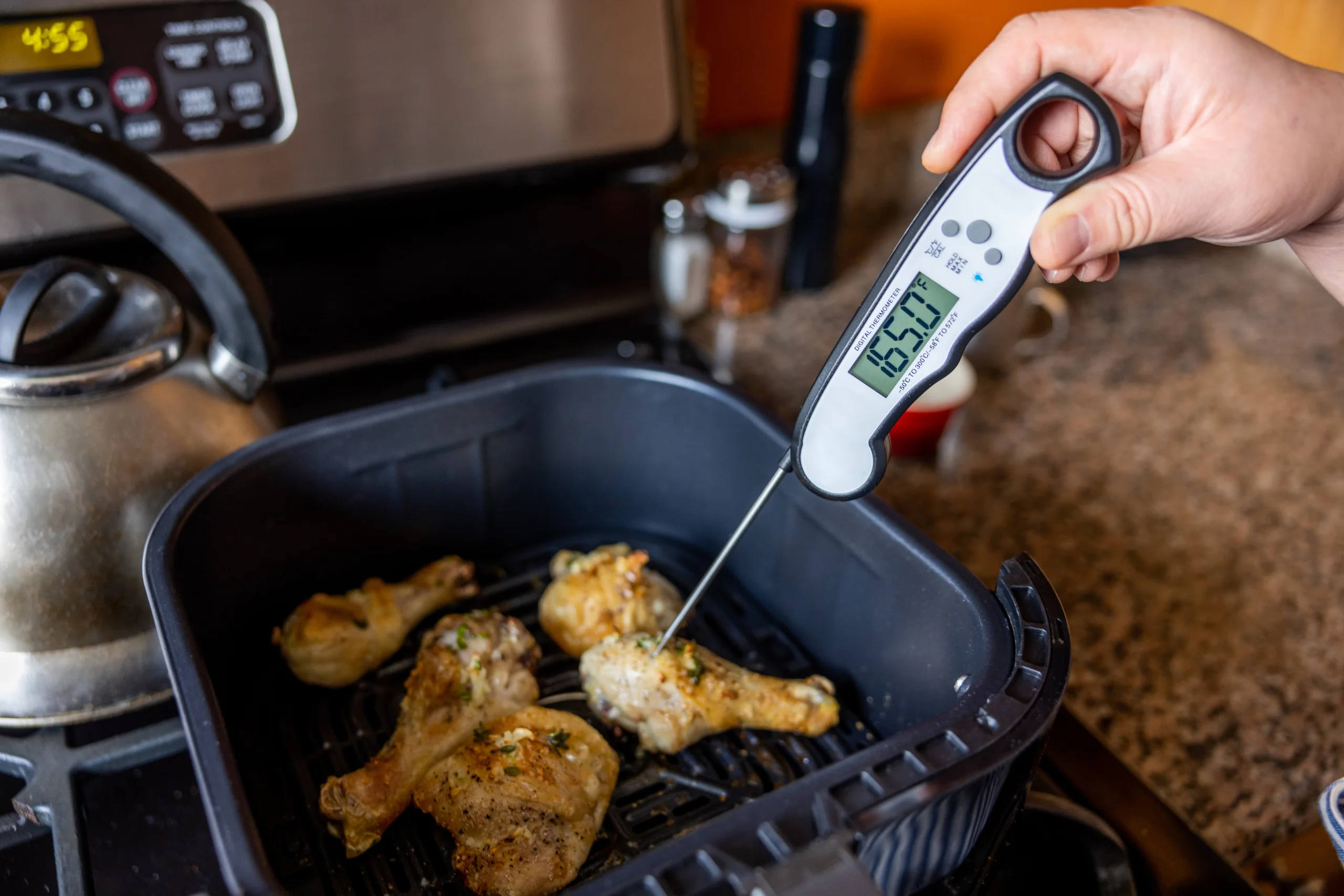
Ensuring the safety and quality of food products is a non-negotiable priority for any reputable food business. Proper climate and temperature control play a central role in preventing microbial growth, enzymatic reactions, and chemical deterioration that can compromise the integrity of food items. Whether it’s fresh produce, dairy products, meats, or packaged goods, maintaining optimal temperature inhibits the proliferation of harmful bacteria, reducing the risk of foodborne illnesses. Additionally, precise temperature control helps preserve the sensory attributes of food, such as taste, texture, and appearance, ensuring that consumers receive products that meet their expectations of freshness and quality.
Preservation of Nutritional Value
Beyond safety and quality, the nutritional value of food is another critical consideration influenced by climate and temperature control. Many vitamins, minerals, and other nutrients are sensitive to heat, light, and air exposure, which can lead to degradation during processing and storage. By implementing controlled environments that mitigate factors contributing to nutrient loss, food manufacturers can better preserve the essential components that contribute to the health benefits of their products. From vitamin-rich fruits and vegetables to fortified dairy items, maintaining optimal conditions throughout the supply chain helps uphold the nutritional integrity of food items, supporting consumer health and well-being.

Extending Shelf Life and Reducing Waste
One of the persistent challenges faced by the food industry is minimizing waste and maximizing shelf life. Inefficient climate and temperature control can accelerate the spoilage of perishable goods, leading to significant financial losses and environmental impacts. By investing in advanced technologies and practices for temperature regulation, such as cold chain management and controlled atmosphere storage, food businesses can prolong the shelf life of their products and minimize the risk of unsalable inventory. This not only enhances economic sustainability by reducing food waste but also contributes to environmental conservation by curbing greenhouse gas emissions associated with decomposing organic matter.
Enhancing Process Efficiency and Productivity
Efficient production processes are the lifeblood of any successful food operation. Proper climate and temperature control optimize the efficiency of various manufacturing and processing activities, enabling smoother workflows and higher productivity levels. Whether baking, brewing, fermenting, or freezing, precise environmental conditions are essential for achieving consistent results and minimizing production errors. For instance, Industrial Drying Solutions, offer cutting-edge drying technologies that facilitate the efficient removal of moisture from food products, preserving their quality and extending their shelf life. By integrating such solutions into their operations, food manufacturers can streamline their processes, reduce energy consumption, and enhance overall productivity.
Regulatory Compliance and Consumer Confidence
In today’s highly regulated food industry, compliance with stringent safety and quality standards is not optional but imperative. Climate and temperature control are key components of regulatory compliance frameworks established by government agencies and industry organizations to safeguard public health and ensure fair trade practices. From HACCP (Hazard Analysis and Critical Control Points) to FSMA (Food Safety Modernization Act) requirements, adherence to temperature management protocols is essential for demonstrating due diligence and avoiding costly penalties. Moreover, maintaining consistent quality through effective climate control instills confidence in consumers, reassuring them that the products they purchase are safe, reliable, and worthy of their trust.

Addressing Environmental Sustainability Challenges
As concerns about environmental sustainability continue to rise, the food industry faces increasing pressure to adopt eco-friendly practices and reduce its carbon footprint. Climate and temperature control strategies play a vital role in this endeavor by optimizing resource utilization, minimizing energy consumption, and reducing emissions. Innovative solutions like energy-efficient refrigeration systems, renewable energy sources, and sustainable packaging materials contribute to a greener, more sustainable food supply chain. By embracing these technologies and practices, food businesses can align with evolving consumer preferences for environmentally responsible products and contribute to broader efforts to mitigate climate change.
In conclusion, the importance of proper climate and temperature control for the food industry cannot be overstated. From safeguarding food safety and quality to maximizing shelf life and productivity, the benefits of precise environmental regulation are manifold. By investing in state-of-the-art technologies, implementing best practices, and prioritizing regulatory compliance, food businesses can mitigate risks, enhance efficiency, and earn the trust and loyalty of consumers. As we navigate the complexities of a globalized food system, the imperative to uphold rigorous standards of climate and temperature control remains essential for ensuring a sustainable and resilient future for the industry.
