
Staff augmentation offers a flexible and efficient solution for businesses seeking to expand their workforce without the overhead of permanent hires. However, the success of staff augmentation depends on careful planning and implementation to overcome potential challenges. This guide will delve into common pitfalls and provide actionable strategies for seamlessly integrating augmented staff into your team.
By partnering with a reputable staffing agency, companies can access a pool of skilled professionals tailored to their needs. Learn more about how Pharmbills can help you get started with staff augmentation by visiting our website: https://pharmbills.com/industry-healthcare-providers
Table of Contents
Common Challenges in Staff Augmentation
1. Communication Barriers
Time Zone Differences:
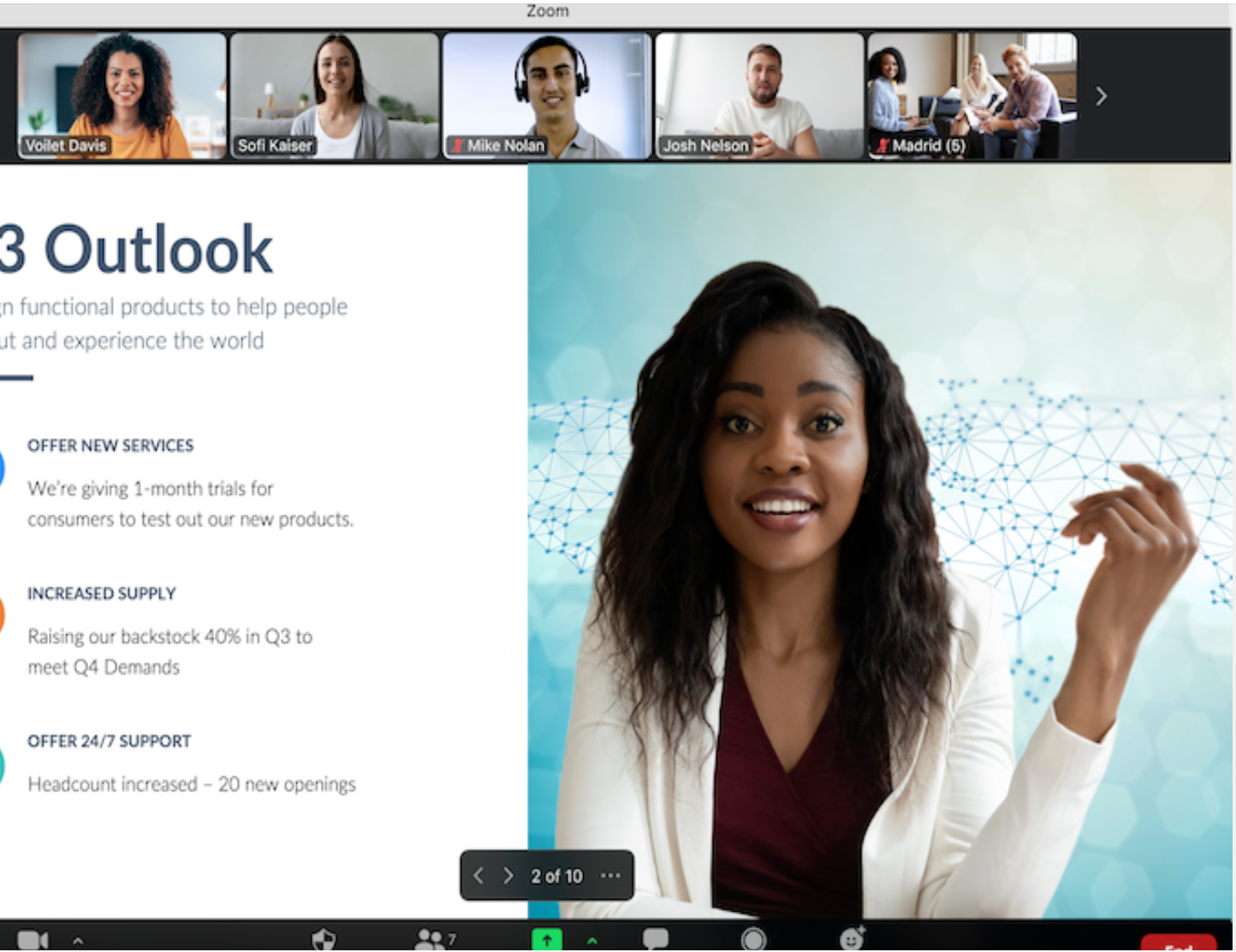
Significant time zone differences can create obstacles to scheduling meetings and maintaining consistent communication. For instance, a team based in the United States might need help coordinating with augmented staff in India due to the considerable time disparity. To address this, it’s essential to utilize collaboration tools with real-time features, schedule meetings at times that work for both teams or consider employing asynchronous communication methods.
Differences in Communication Styles:
Understanding cultural differences in communication styles is crucial, as variations can lead to misunderstandings and misinterpretations. For example, a culture that values directness may come across as rude or aggressive to a culture that prefers more indirect communication. To address this, promoting cultural awareness and understanding, providing training on intercultural communication, and using clear and concise language are essential solutions to bridge the gap in communication styles.
2. Cultural Differences
Cultural differences can lead to conflicts between augmented staff and existing team members. For instance, a company that encourages a competitive work environment may need help integrating augmented staff from a culture that values collaboration and consensus decision-making. Promoting a culture of respect and understanding, providing cultural awareness training, and establishing clear expectations and guidelines are essential to address this.
Values and beliefs:
Clashing values and beliefs between augmented staff and existing team members can create friction and hinder collaboration. For example, the full-time team may focus on personal performance and rewards. At the same time, the augmented staff may prioritize group goals and maintain harmonious relationships within the team.
Work ethic:
Differences in work ethic can impact productivity and team dynamics. To overcome these differences, it’s important to establish clear expectations, provide cultural training, and create an inclusive work environment.
3. Skill Mismatch
A skill mismatch happens when augmented staff need more qualifications or expertise. More than clear job descriptions can lead to mismatched expectations, reduced productivity, and dissatisfaction. To address this, create detailed job descriptions with clear guidelines.

Ensuring Effective Communication
To ensure effective communication with augmented staff, it is essential to utilize collaboration tools, schedule regular meetings, and establish clear reporting structures. Collaboration tools like Slack, Trello, or Google Drive provide a centralized platform for real-time communication, document sharing, and project updates, enhancing productivity and collaboration. Regular meetings offer open discussion, problem-solving, and building relationships, ensuring everyone is aligned and informed. Clear reporting structures clarify who is responsible for what and who to contact for specific information, promoting accountability and efficiency.
Aligning Company Culture with Augmented Staff
Integrating augmented staff into your company culture is crucial for successful collaboration and retention. A well-structured onboarding program can introduce new staff to your values, expectations, and company culture, fostering a sense of belonging and accelerating productivity. Offering relevant training programs for augmented staff and existing team members can facilitate knowledge transfer, skill development, and improved performance. Additionally, organizing social events or team-building activities can encourage interaction, build relationships, and boost morale.
Matching Skills and Expectations
To ensure a successful staff augmentation experience, it is essential to clearly define roles and responsibilities for augmented staff and conduct effective vetting processes. Precise role definitions provide clarity, reduce misunderstandings, and contribute to improved performance. A thorough vetting process that includes skills assessments, reference checks, and project-specific tests helps to identify the best candidates and reduce the risk of a skill mismatch, leading to higher-quality work and enhanced productivity.
Maintaining Data Security and Compliance
Protecting sensitive company information and ensuring compliance with industry regulations is paramount when working with augmented staff. Non-Disclosure Agreements (NDAs) are essential to safeguard confidential information and reduce the risk of data breaches. Employing secure communication channels helps to prevent unauthorized access to sensitive data and demonstrates a commitment to data security. Ensuring that all augmented staff are familiar with and adhere to relevant industry regulations and data security protocols is crucial for mitigating legal risks, enhancing reputation, and building customer trust.

Evaluating and Refining the Staff Augmentation Process
Regular performance reviews, feedback mechanisms, and data analysis are essential for evaluating and refining the staff augmentation process. Performance reviews provide opportunities to assess augmented staff contributions, identify areas for improvement, and recognize achievements. Feedback mechanisms help gather insights from augmented staff and internal teams, allowing for continuous improvement and enhanced collaboration. Analyzing project metrics and team feedback can provide valuable insights for optimizing processes, increasing efficiency, and making data-driven decisions.
Summary
Staff augmentation can be a powerful tool for boosting your team’s capabilities and achieving business goals by acknowledging and addressing potential challenges. Visit pharmbills.com to learn about fostering effective communication, promoting cultural alignment, ensuring skill alignment, maintaining data security, and continuously refining your staff augmentation process from experts.