
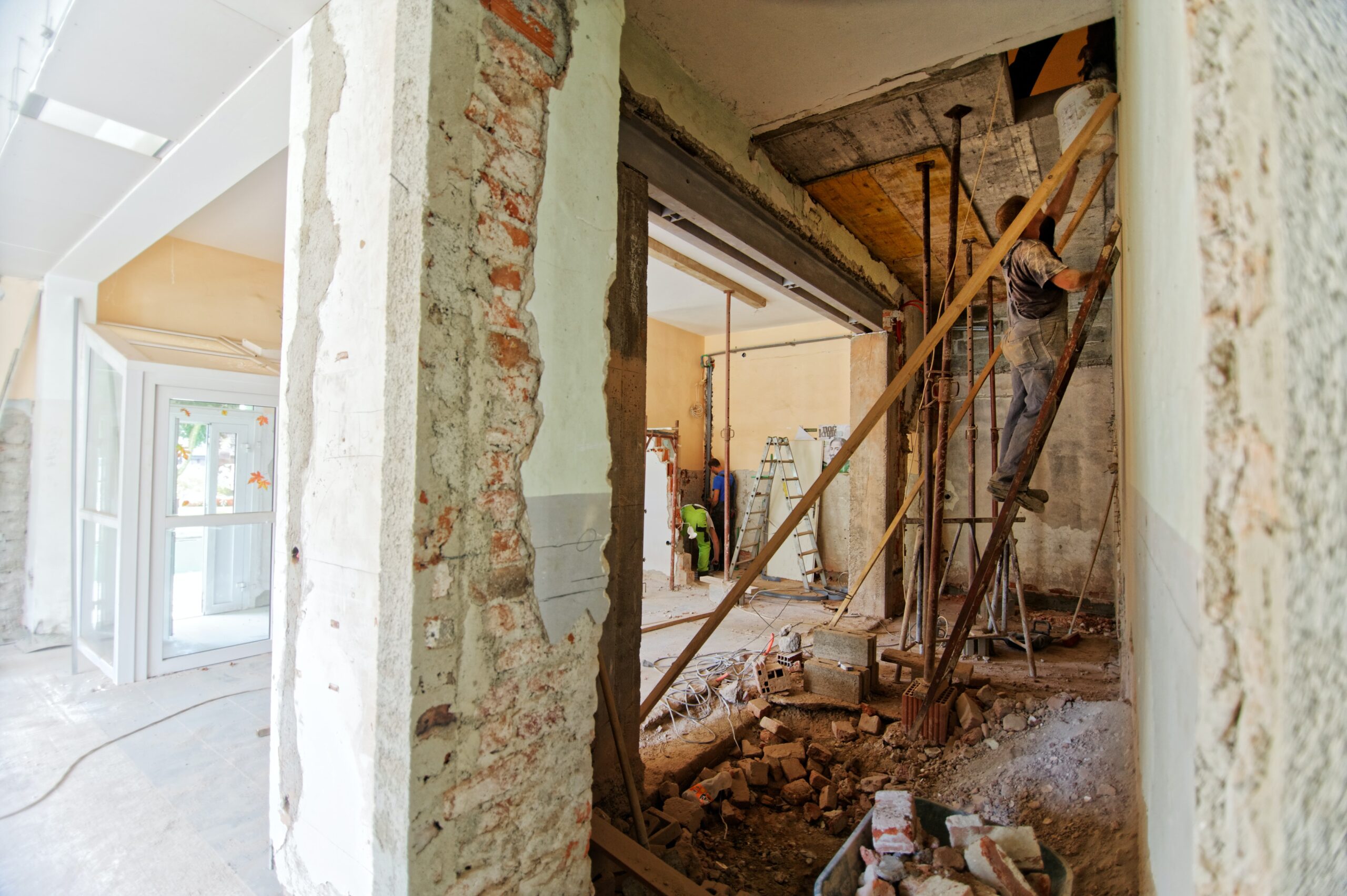
Are you thinking of creating a dedicated home office so you can work better at home? While almost any space could be turned into a home office, a dedicated home office space allows you to better focus, reduces distractions, mentally gets you into a work mode, and helps create a work/life balance while working from home.
However, the home office of your dreams may need a substantial redesign of your existing space. Before embarking on the renovations, try virtual staging from real estate photo editing companies to visualize how you want your home office to look including different color palettes before investing in paint, flooring, furniture, and other décor items. You can then choose the best design concepts that work for you and your space allowing you a better estimate of how much you need for renovation.
Note though that this home improvement may require a significant home improvement budget. Do you have a home improvement budget to cover the cost of building your home office? Taking out a home improvement loan could make your project more affordable. To finance your home office project, using a personal loan for home improvement may be a viable option. This is contingent on your needs and your finances in terms of loan repayment.
A home improvement loan is a personal plan that’s specifically aligned to give aid on renovation costs.
In financing this, using a personal loan for home improvement may be a viable option. This is contingent on your needs and the interest rate you can reach.
What is a home improvement loan?
Home improvement loans let you finance a renovation without using your home as collateral. Also considered a personal loan, a home improvement loan can be used to finance renovations and repairs from large projects like finishing a basement to smaller jobs like converting an existing room into a home office.
Here are the key features home improvement loans share:
Usually requires no collateral
Unlike home equity loans and HELOCs, a home improvement loan is a personal loan that has no asset attached to it to secure the debt. These loans do not use your homes as collateral and require you to have a certain amount of home equity to qualify. Collateral is not a requirement, so there won’t be risks for your property if you cannot make payments.
Higher interest rates than on secured loans
Like other unsecured loans, home improvement loans are usually bundled with higher interest rates than secured ones, such as home equity loans or home equity lines of credit (HELOCs) where your home becomes the collateral. Secured loans tend to offer lower interest rates than those that are unsecured because the lender can repossess the asset used as collateral if the borrower does not repay the debt.
Fixed APR and monthly payments
Home improvement loans often come with fixed interest rates and monthly repayments over a set number of years. This will allow you to know how much your loan will cost you each month so you can set your budget properly.
Fast, lump-sum funding
The application process for personal loans is typically quick and painless. In as early as one to three days (with some lenders offering same day approval), a lender can give your home improvement loan application a decision. You may be able to borrow anywhere from $1,000 to $100,000 of loan amounts depending on your credit history.

Is using a personal loan to pay for home improvements a good idea?
You will need to consider the cost of paying the loan and your tolerance for risks in terms of using your home as collateral. Home improvement loans may come with higher interest rates than home equity loans and HELOCs since they are unsecured, but you will not be required to use your home as collateral. With a personal loan, a higher interest rate means you will make larger interest payments over the life of the loan.
You also do not need to have equity in your home with a personal home improvement loan. For a secured home equity loan, you will need to have ample equity in your home – the difference between how much you owe on your mortgage and what your home’s worth. In this case, how much you borrow will be determined by the size of your equity. If you have just bought your house and just paid closing costs, you may not have much of an equity so your best bet is a personal loan.
There is no risk of the lender seizing your house and other assets if you are unable to make payment to your unsecured home improvement loan. If you don’t make your loan payments for a personal home improvement loan, your property is not at risk, though your credit score could take a significant hit. The lender can send your account to collections resulting in a major drop in your credit score. This default notice could be on your credit record that could take as long as seven years.
Applying for a personal home improvement loan is also less complicated than applying for home equity loans. This is especially true if you have good credit. You’ll be able to avail the best interest rates with good to excellent credit. You will only need to show proof of income and employment, whereas secured loans can require extensive documentation similar to what you submitted when applying for a mortgage.
If you need to have a new home office but is afraid of the cost of building one that is functional and aesthetically pleasing, consider a personal loan to help you finance its cost.
