

Ending up with bad credit can happen to anyone. Even if you’re careful, certain mistakes can be made that can send your numbers spiraling. Don’t give up hope if that happens, though. Fortunately, there are many different ways you can start working on repairing your credit score. Before you know it, you’ll be on your way to a fresh start.
Know Where You Stand
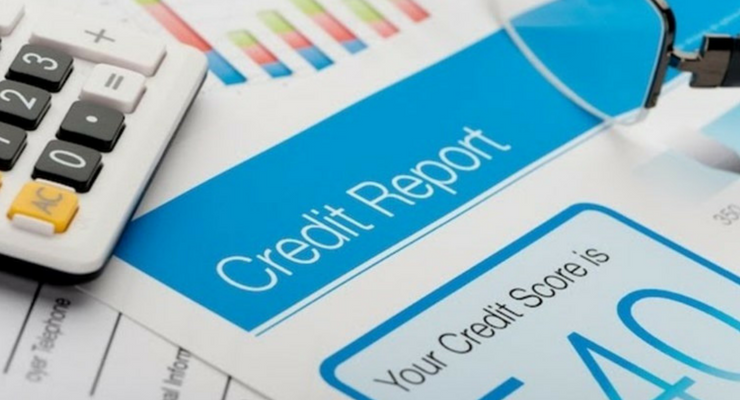
The first step to repairing your credit is to understand exactly what needs to be fixed. You’re allowed to order one free credit report from each of the three credit bureaus per year at AnnualCreditReport.com. This report will show you exactly where your mistakes are, and what areas are affecting your overall credit score. From there, you can begin working on improvements.
Deal With Past Due Accounts
Accounts that are past due will have a big impact on your credit score. In fact, The Balance states that your payment history makes up 35 percent of your total score, making it the single largest factor in determining what your score will be. Prioritize paying off any past due accounts first, so that they become paid or current instead.
Learn What Will Change Your Score
Some actions will result in your credit score being lowered, and others will help it bounce back up. Know which actions will lead to a positive change and which will lead to negative ones. Before you take any actions, make sure that you know what the end result will be. Don’t let your hard work go to waste by making an avoidable mistake just because you weren’t aware that it could have been damaging.
Search Out Errors
Errors in your credit report can and sometimes do happen! In fact, up to 70 percent of credit reports have some kind of mistake in them. Make sure that you look at your report carefully to ensure that no mistakes have been made. If there are errors, you can then take steps to rectify them, such as opening a dispute. It only takes a little extra time to see if your report lines up correctly, and it can save you a lot of headaches.
Be Timely in the Future
Moving forward, you should pay all of your bills on time. This includes things like utility and rent, but it also applies to any debts you may have. All bills that you pay late will count against your credit score, no matter what it’s for. Don’t undo your hard work by starting to backslide into more late payments. Create a payment schedule for yourself and stick to it precisely.
Don’t Close Your Credit Cards
This may seem like a good idea when you’re struggling to stay afloat, but it can actually hurt you way more than it can help you. Closing a credit card account can make your score even worse, especially if it’s an old account or if there’s a balance on it when you close it. You could potentially affect the length of your credit history by closing an older account, too.

Look Into Secured Credit Cards
If you need to build your credit, this is a great option. Secured credit cards operate differently from unsecured credit cards in that you must put a certain amount of money into an attached savings account before receiving the card. That way, if you miss any payments, the bank will be able to take money from that savings account to pay off your bills. Since it’s relatively low-risk for them because of that, they’re usually more willing to give those with bad credit a chance to rebuild through this method. Just keep in mind that you might need a co-signer in order to qualify.
Seek Professional Guidance
There are professionals out there who specialize in aiding people who are trying to repair their credit scores, no matter what their financial situation may look like. “There are some benefits to DIY credit repair, but one benefit of getting professional credit help is our ability to diligently interact with creditors to correct inaccuracies on your credit report,” stated Scott Smith president of CreditRepair.com. “This small and consistent act can make a huge difference for your credit repair success.” Navigating through credit repair alone can certainly be a daunting process, so if you have the time and money on hand, see what a professional can do to guide you through this difficult time.
Don’t Count Out Bankruptcy
No one wants to file for bankruptcy. Unfortunately, there are some cases where it’s inevitable or at the very least, the best option you have. There are some situations where damage to your credit is so steep that the best way to repair it is to file for bankruptcy. If this is the case for you, it’s best not to waste your limited time and money by trying out solutions that are meant for people who don’t necessarily have as much credit damage to deal with. Go straight for the bankruptcy options, because the sooner you work something out, the sooner you’ll be able to start fixing your credit score.
Keep on Trying
Setbacks may happen while you’re working on improving your credit score. Sadly, it’s not something that you can fix overnight. If you see sudden drops in your score, it’s likely not because you’ve done something wrong recently. Credit scores go up and down over time. The only way to ensure that it continually improves is by keeping good financial habits, paying your bills on time, and not making the mistakes that can lower your credit score. If you’re doing those things, then don’t let fluctuations get you down. Soon enough, you’ll see the fruits of your labor as your continued good habits continue to steadily lift your score up.
The road to credit repair isn’t necessarily going to be the same for everyone. Examine your own personal situation, take a look at all of the tools available, and experiment to see what works the most efficiently for you. These tips are a great starting point for just about anyone, and they can easily be built off of with more personalized methods. Before you know it, you’ll find yourself well on your way to a good credit score.
