Starting a home-based appliance parts business is more realistic than most people think. With the right niche, smart sourcing, and great customer support, you can turn simple replacement parts into a steady side income. This guide shows you how to find demand, market effectively, and build loyal repeat customers.
Key Takeaways
- You don’t need a storefront—just good product knowledge, smart niche selection, and great customer support.
- Focus on popular appliance brands like Samsung, LG, Whirlpool, and GE to attract organic traffic immediately.
- Clear photos and simple, friendly product descriptions help convert stressed customers into confident buyers.
- Marketplaces like eBay, Facebook Marketplace, and TikTok Shop make it easy to start selling with zero website experience.
- Teaching small repairs through short-form videos or posts builds trust and makes you stand out from big-box competitors.
- Excellent customer support—fast model verification, friendly follow-up—creates repeat buyers and word-of-mouth referrals.
- Start small, track what sells, and let real demand guide your inventory expansion.
Starting a home-based appliance parts business is one of those surprisingly doable ideas that can turn into a steady income if you treat it seriously. You do not need a storefront or a huge investment to get moving. What you really need is a niche you can own, a bit of patience, and a clear sense of what customers actually need.
Table of Contents

Small Market Size Snapshot
Before you invest time in any home-based business, it helps to understand the size of the opportunity. The appliance parts market is much bigger than most people expect. According to IBISWorld data, the U.S. appliance repair market is worth over $7.0 billion, and a large portion of that revenue comes directly from replacement parts, not service labor. This makes sense when you think about it: 90%+ of U.S. households own at least one major appliance, and most people try to repair a fridge, washer, or dishwasher before replacing it.
Even better, replacement parts are a steady, year-round business. Refrigerators, washers, and dryers run daily, which means components like belts, pumps, seals, and motors wear out continuously. This creates predictable demand—and as a home-based seller, you can capture a slice of it without the overhead of a repair company.
Understand the Appliance Market Before You Start
A good starting point is simply learning what breaks most often in people’s homes. When a fridge stops cooling or a dryer stops spinning, customers want fast answers from someone who sounds like they know what they are doing. If you understand the common failure points in appliances, you can stock parts that are in high demand instead of wasting money on random items.
Look at trends, talk to technicians, and browse what people search for online. Parts for refrigerators, washers, and dishwashers always sell because those appliances run daily and wear down. Knowing which parts fail regularly lets you build an inventory that actually sells, instead of one that sits untouched in your hallway.
Pricing Table: Common Appliance Parts & Profit Margins
| Part | Average Wholesale Cost | Average Selling Price | Typical Profit Margin |
|---|---|---|---|
| Refrigerator Water Filter | $12 | $29–$39 | 60–70% |
| Dryer Belt | $5 | $14–$20 | 60% |
| Washing Machine Drain Pump | $22 | $55–$80 | 60–70% |
| Evaporator Fan Motor | $18 | $45–$70 | 60% |
| Dishwasher Spray Arm | $8 | $20–$30 | 55–60% |
| Ice Maker Module | $35 | $79–$120 | 55–65% |
| Heating Element (Dryer) | $10 | $25–$40 | 55–60% |
Start With Popular Brands to Attract Customers
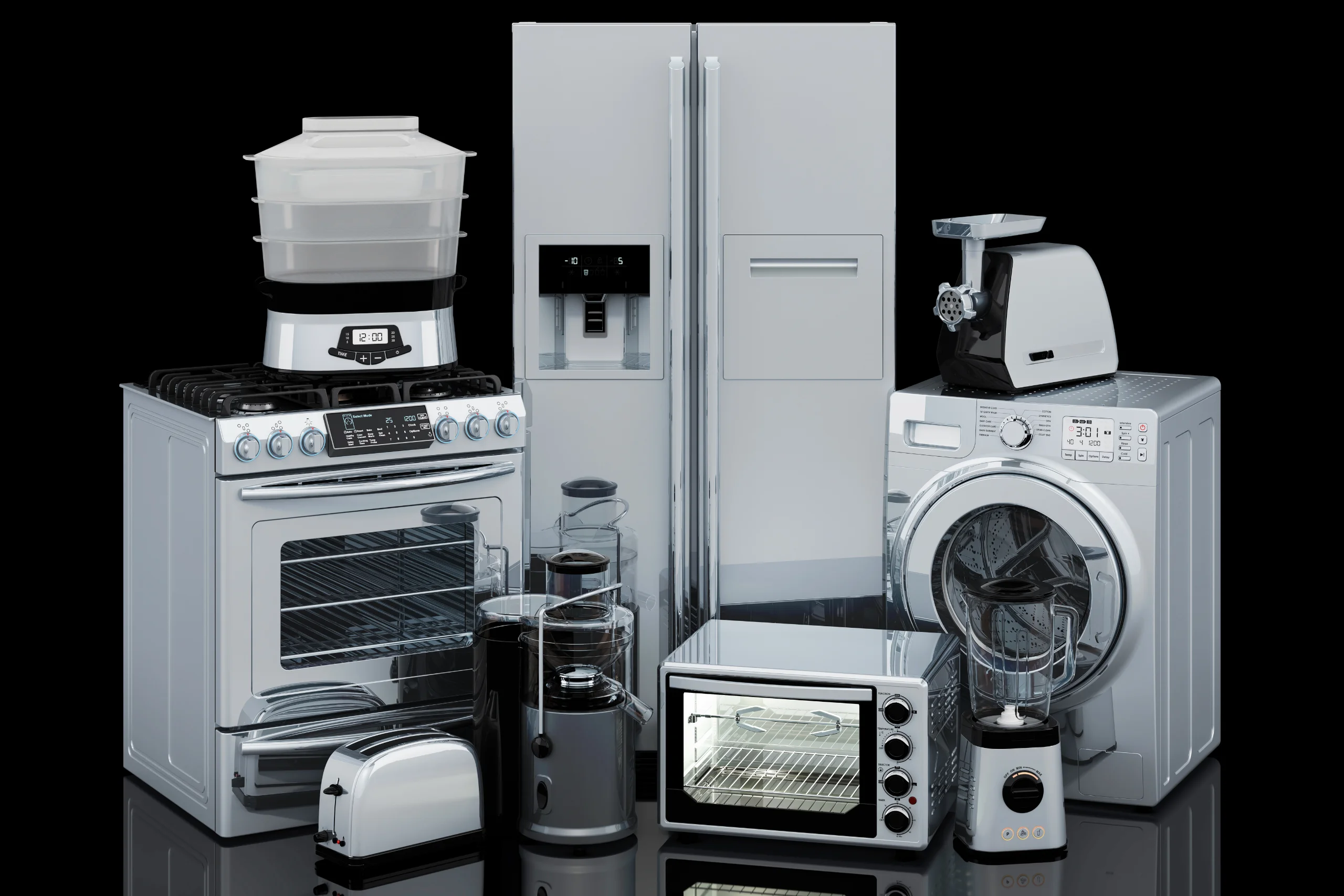
If you want customers to find you quickly, focus on parts for brands they already trust. People tend to type the brand name first when searching for help. For example, offering support for providing Samsung fridge repairs can instantly put your business on the map because Samsung appliances have high demand and a constant stream of replacement needs.
A simple way to start is by choosing three or four big brands like Samsung, LG, and Whirlpool. Offer water filters, fan motors, control boards, and seals. These items break often, and people prefer a seller who knows exactly which models they fit. Specializing in well-known brands helps customers feel confident that you can solve their problem.
Starter Inventory Checklist
To avoid wasting money on slow-moving parts, begin with proven bestsellers from high-demand categories.
Refrigerator Parts
- Water filters (Samsung, GE, LG, Whirlpool)
- Ice maker replacement kits
- Evaporator fan motors
- Defrost thermostats
Washer Parts
- Drain pumps
- Door locks
- Water inlet valves
- Drive belts
Dryer Parts
- Dryer belts
- Heating elements
- Fuses/thermostats
- Rollers + idler pulleys
Dishwasher Parts
- Spray arms
- Drain pumps
- Door gaskets
- Heating assemblies
Supplies to Have On Hand
- Poly mailers + bubble wrap
- Microfiber cloths
- Small digital scale
- Basic screwdriver set
This starter list keeps you focused on fast-moving parts and helps avoid inventory mistakes.
Create Product Listings That Feel Clear and Personal
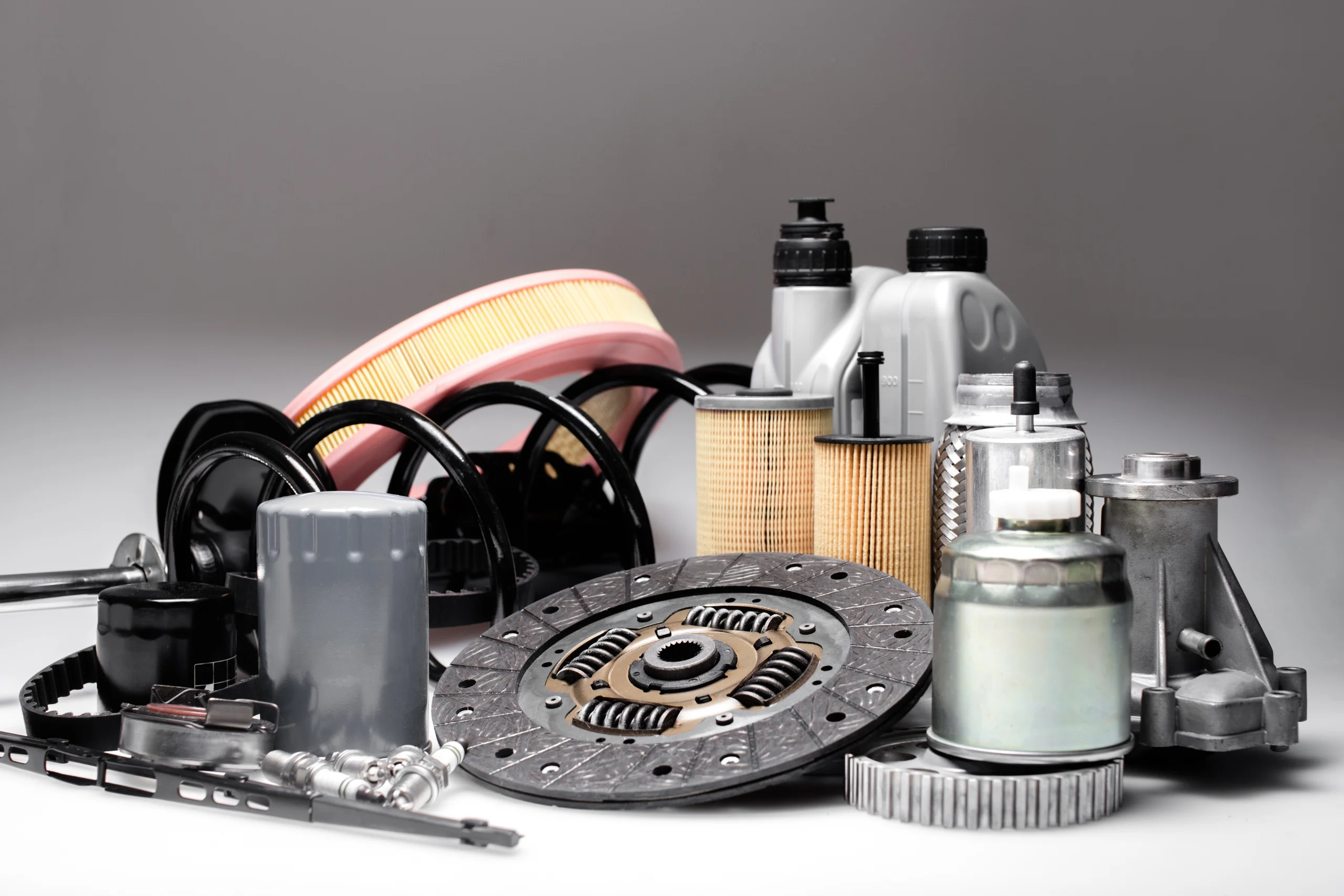
When someone is already stressed about a broken appliance, the last thing they want is a confusing product description. Keep your listings friendly and simple. Tell them which appliance the part fits, what problem it solves, and why it is a good replacement.
Also, good photos make a huge difference. Even if you shoot them at home, clean lighting and a neutral background help people feel sure about what they are buying. A quick close-up of a motor or seal can be the thing that convinces a customer to hit buy.
5-Step Launch Plan
1. Choose Your Niche & Brands
Start with 2–4 popular brands (Samsung, LG, Whirlpool, GE). Focus on high-demand categories like refrigerators and washers.
2. Buy Small Starter Inventory
Spend under $300. Begin with 5–10 high-turnover parts that always sell.
3. Create Clear, Friendly Listings
Use simple photos and list model compatibility clearly. Stress-free = more sales.
4. Sell on Marketplaces First
Start on eBay, Facebook Marketplace, and TikTok Shop. They already have built-in buyers.
5. Build Loyalty Through Customer Support
Fast replies, part verification, and helpful tips set you apart from big companies.
This launch plan gives beginners a clear, realistic path.
Use Online Platforms to Grow Your Customer Base
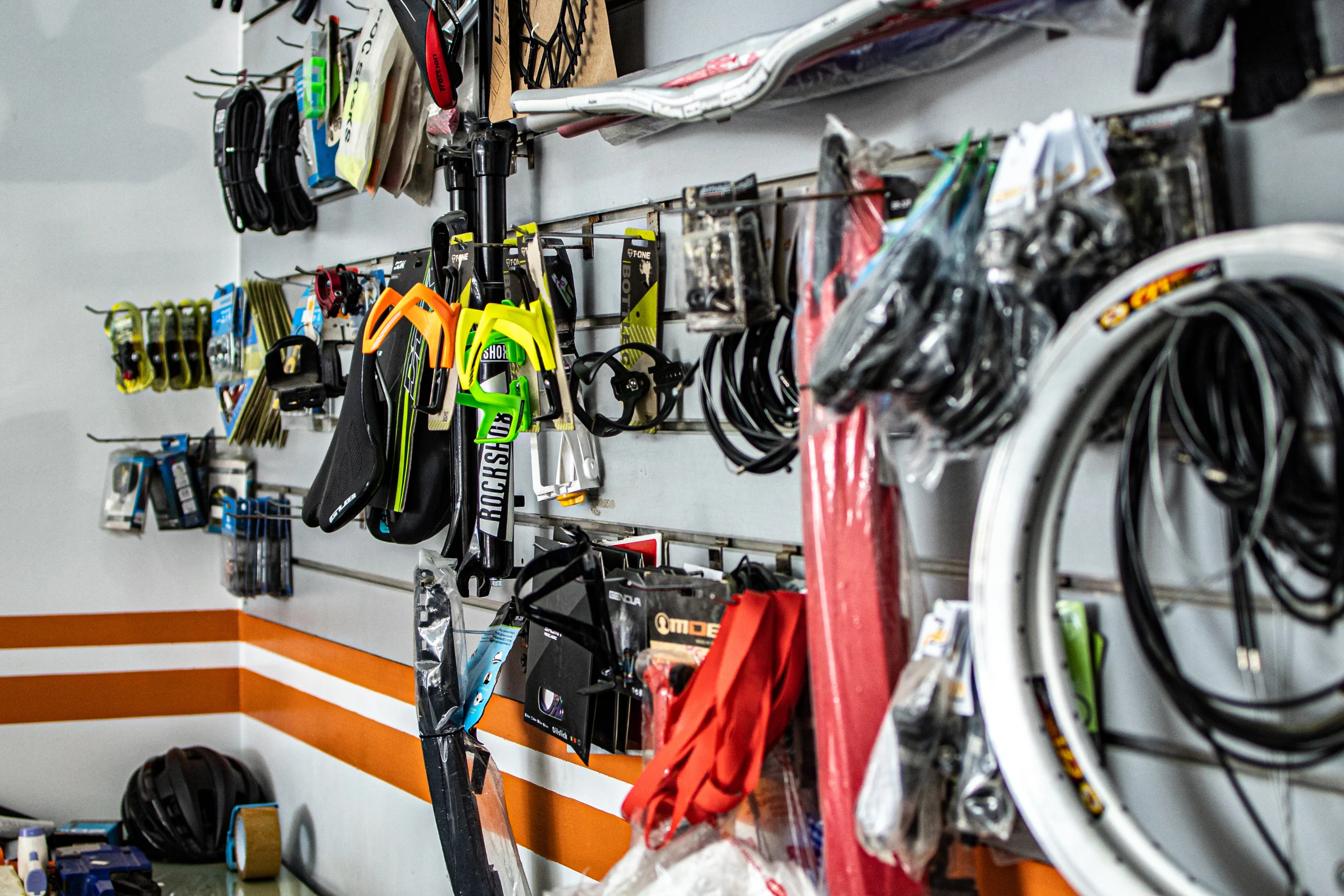
Marketplaces are your friend when you are starting out. Sites like eBay, Facebook Marketplace, and TikTok Shop already have traffic, so your parts have a better chance of appearing in front of the right buyers. After you get comfortable, you can build your own small website to look more professional.
You can also use short videos or simple posts to share practical tips, like how to replace a dryer belt or how to swap a refrigerator filter. People love creators who teach, not just sell. Offering small and helpful maintenance tips can make you stand out from bigger, faceless competitors.
Offer Customer Support That Builds Loyalty
One of your biggest advantages as a small seller is that you can actually talk to people. When someone messages you asking whether a part fits their exact model, a friendly and quick response can turn a one-time shopper into a repeat customer. It also reassures them that they are not dealing with a marketplace bot.
It helps to follow up after purchases when you can. A simple message asking whether the part worked can earn you long-term trust. People who fix their own appliances often return for more help down the line. Thoughtful customer support creates repeat business without spending a cent on ads.
Profit Scenario Breakdown
Scenario 1: Start With $300
- 10 water filters → $120
- 5 drain pumps → $110
- 10 dryer belts → $50
Total Investment: $280
Sell everything and you make around $835 revenue and $500+ profit after fees.
Scenario 2: Casual Side Hustle
Selling 20 items a month at $18–$22 profit each produces:
➡ $360–$440 monthly profit
Scenario 3: Larger Inventory
With 100+ parts in stock, many sellers hit:
➡ $1,600–$2,200 monthly profit
This is one of the easiest side businesses to scale slowly.
Lastly, Start Small and Grow at Your Own Pace
Building a home-based appliance parts business is realistic, affordable, and surprisingly beginner-friendly. When you start small, focus on popular brands, and offer genuine support, you create a side business that feels personal and trustworthy.
Start with a handful of parts, see what sells, then slowly expand based on real data. Keep track of which listings get the most clicks, which brands bring the most customers, and which price points work best. With steady work, it can grow into something that brings in a reliable income month after month.
Frequently Asked Questions (FAQs)
How much money do I need to start a home-based appliance parts business?
You can start with surprisingly little—many sellers begin with $200 to $500 in initial inventory. Focus on fast-moving, low-cost parts like refrigerator filters, dryer belts, dishwasher spray arms, and drain pumps. These sell regularly and don’t require much upfront space. The real cost comes down to how broad you want your starting inventory to be and whether you’ll list on paid marketplaces. eBay and Facebook Marketplace are free to start, but keep in mind platforms charge fees only when you sell. Over time, you can reinvest profits into higher-priced items like control boards and motors. The key is starting with what sells most frequently, analyzing real demand, and scaling slowly based on actual sales—not guesses.
Where can I source appliance parts affordably?
Most small sellers start with wholesale suppliers, liquidation pallets, manufacturer-authorized distributors, or clearance sections of big-box stores. Many wholesalers allow small minimum orders, and buying refurbished OEM parts can significantly increase profit margins. You can also reach out to local repair technicians who often have unused inventory from customer cancellations or upgrades. In the beginning, focus on reliable suppliers that offer consistent part availability and clear information on compatibility. As your business grows, you can negotiate better pricing or buy in bulk to reduce your cost per unit. Avoid random Amazon suppliers early on, as they often lack detailed specifications you’ll need for accurate product listings.
What are the best-selling appliance parts for beginners?
Certain parts consistently sell because they correspond to high-use appliances. Refrigerator water filters, evaporator fan motors, ice maker kits, dryer belts, heating elements, dishwasher spray arms, and washing machine drain pumps are common entry points for beginners. These items fail regularly, are easy to ship, and typically cost under $30–$40 wholesale but resell for double. Sticking to popular brands like Samsung, GE, Whirlpool, and LG gives your listings built-in search demand because users often type “Samsung fridge fan motor” or “LG washer drain pump.” Start with 10–20 units of high-turnover products, learn what moves fastest, then grow your inventory from there.
Do I need a website, or can I rely on marketplaces?
You do not need a website when starting—marketplaces like eBay, Amazon, TikTok Shop, and Facebook Marketplace already have massive traffic and built-in trust. They’re the easiest entry point because you don’t have to worry about SEO, payments, or logistics. However, as you gain experience, having a simple website makes you look more professional and gives you a place to brand yourself. It also allows you to collect emails for repeat customers, run your own sales, and reduce reliance on platform fees. A hybrid approach works best: use marketplaces for exposure and your own site for long-term brand building.
How do I build trust with appliance parts customers?
Broken appliances create instant stress, so buyers want to feel confident they’re buying the right part. Trust comes from three things: (1) detailed compatibility information, (2) fast communication, and (3) honest photos. List the appliance models that a part fits, show close-up angles, and answer questions quickly. Adding short video tips—like “How to replace your dryer belt in 3 minutes”—helps position you as someone knowledgeable instead of just another seller. Follow-up messages after purchase (“Just checking that the part worked for you—let me know if you need anything else!”) boost loyalty and reduce returns. Over time, customers will return because they prefer a real person over a giant store.