

Generative AI is no longer just a tool for writing quick social posts or answering customer questions. In 2026, small businesses will increasingly use AI to automate workflows, personalize marketing, analyze data, create multimedia content, and compete with larger companies. Here are the generative AI trends entrepreneurs should understand now.
Generative AI has moved far beyond the “try this chatbot” phase. For small businesses, it is becoming a practical tool for marketing, customer service, operations, sales, data analysis, and decision-making. The opportunity is not simply to use AI because it is popular. The bigger opportunity is to use AI to save time, reduce repetitive work, improve customer experiences, and make better business decisions with fewer resources.
That matters because AI adoption among small businesses is accelerating quickly. A U.S. Chamber of Commerce report found that 58% of small businesses said they used generative AI in 2025, up from 40% in 2024 and 23% in 2023. The same report found that 82% of small businesses using AI increased their workforce over the past year, which challenges the idea that AI adoption automatically means cutting jobs.
New business owners are also adopting AI early. Gusto’s 2025 New Business Formation Report found that 47% of new businesses used generative AI, up from 21% in 2023, and 81% of new-business owners using GenAI said it helped them get more done.
Key Takeaways
- Generative AI is becoming a mainstream business tool, not just an experimental technology.
- Agentic AI, or AI systems that can complete multi-step tasks, will become one of the biggest trends to watch in 2026.
- Small businesses can use AI to improve marketing, sales, customer service, content creation, operations, and decision-making.
- AI search and generative search experiences will change how customers discover products, services, and local businesses.
- The small businesses that benefit most from AI will be the ones that combine automation with human oversight, clear goals, and basic governance.
Table of Contents
Why Generative AI Matters More for Small Businesses in 2026
Large companies have always had an advantage in technology, data, automation, and staffing. Generative AI narrows that gap. A solo consultant can use AI to create a first draft of a proposal. A local service business can summarize customer calls, draft follow-up emails, and organize leads. An online store can generate product descriptions, ad variations, email campaigns, and customer support responses without hiring a full creative team.
That does not mean AI replaces business judgment. In fact, the opposite is true. The more powerful AI tools become, the more important it is for small business owners to decide what should be automated, what should remain human-led, and what should be carefully reviewed before customers ever see it.
JPMorgan Chase Institute research found that while small businesses are paying for more types of gen AI development services, monthly AI-related spending has decreased from about $50 per month in 2019 to around $20 to $30 per month in 2025. That lower cost has helped make AI tools more accessible to small companies.
Table 1: How Generative AI Can Help Small Businesses in 2026
Generative AI can support almost every part of a small business, but the best use case depends on the problem you are trying to solve. Some businesses need help creating more consistent marketing content. Others need faster customer follow-up, better internal organization, or easier ways to analyze business data. The table below shows practical ways small businesses can use generative AI across common business functions.
| Business Area | How Generative AI Can Help | Example for a Small Business |
|---|---|---|
| Marketing | Create campaign ideas, email drafts, social posts, ad variations, and landing page copy | A bakery creates separate Valentine’s Day offers for families, couples, and corporate gift buyers |
| Sales | Draft follow-up emails, summarize lead conversations, prioritize prospects, and personalize outreach | A home services company follows up automatically with quote requests |
| Customer Service | Answer common questions, summarize support tickets, and route customers to the right person | An ecommerce store uses AI to answer shipping and return questions |
| Operations | Automate repetitive workflows, organize documents, and create checklists | A cleaning business turns job notes into service reports |
| Finance | Summarize expenses, flag unusual costs, and create basic financial summaries | A freelancer reviews monthly spending categories before meeting with a bookkeeper |
| Content Creation | Generate blog outlines, product descriptions, video scripts, and image concepts | A small retailer produces seasonal buying guides faster |
| Decision-Making | Analyze reviews, customer feedback, sales patterns, and competitor positioning | A local gym identifies which membership offers customers mention most often |

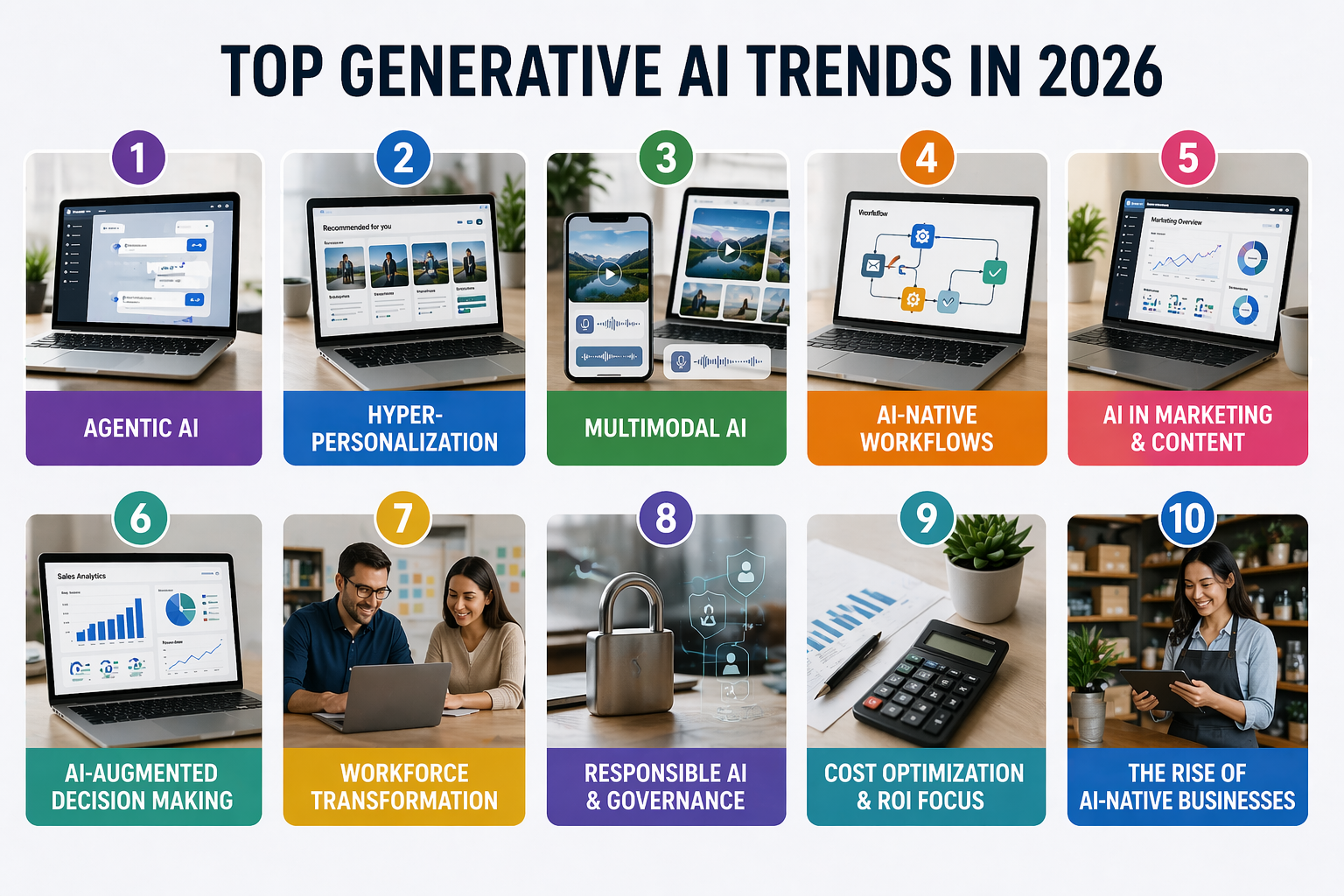
Top Generative AI Trends Small Businesses Should Watch in 2026
The next wave of generative AI will not be defined by one tool or one platform. It will be defined by how deeply AI becomes woven into everyday business operations. For small businesses, that means AI will increasingly show up in marketing campaigns, customer follow-up, sales support, content creation, financial analysis, workflow automation, and even strategic planning.
The trends below are the ones small business owners should pay closest attention to in 2026. Some are already becoming mainstream, such as AI-assisted marketing and content creation. Others, such as agentic AI and AI-native business models, are still emerging but could significantly change how small companies operate and compete.
The goal is not to adopt every trend at once. Instead, use this list to identify where generative AI could solve real problems in your business, whether that means saving time, improving customer service, creating more personalized marketing, or making faster, better-informed decisions.
1. Agentic AI Will Move From Hype to Practical Workflow Automation
One of the most important generative AI trends for 2026 is the rise of agentic AI. Unlike a basic chatbot that waits for a prompt and produces a response, an AI agent can plan and carry out a series of steps toward a goal. For example, an agent might identify new leads, draft outreach emails, schedule follow-ups, update a CRM, and alert the business owner when a prospect is ready for a human conversation.
McKinsey’s 2025 State of AI survey found that 88% of respondents said their organizations use AI in at least one business function, while 23% reported scaling an agentic AI system somewhere in the enterprise and another 39% said they had begun experimenting with AI agents. Deloitte also predicted that 25% of enterprises using GenAI would deploy AI agents in 2025, growing to 50% by 2027.
For small businesses, agentic AI could become especially useful in areas where work is repetitive but still requires multiple steps. Think lead handling, appointment scheduling, customer onboarding, invoice follow-up, inventory updates, review monitoring, and basic customer support.
This is also where many businesses may look for outside help, including consultants, automation specialists, or gen AI development services that can connect AI tools to existing business systems.
The key is to start with a workflow, not a tool. Instead of asking, “What AI agent should I buy?” small business owners should ask, “What task keeps slowing us down every week?”
2. Hyper-Personalization Will Become an Expectation, Not a Luxury
Customers are used to personalized recommendations, targeted offers, and relevant content. In 2026, generative AI will make that level of personalization more accessible to smaller companies.
A small business no longer needs a large marketing department to segment customers by interest, buying history, location, industry, or stage in the buying process. AI tools can help create different versions of emails, product recommendations, website messages, ad copy, and follow-up offers based on what a customer has already done.
For example, a small ecommerce business could create different abandoned-cart emails for first-time shoppers, repeat buyers, and wholesale customers. A local fitness studio could send different messages to prospects interested in weight loss, strength training, injury recovery, or senior fitness. A consultant could tailor follow-up proposals based on each client’s industry and pain points.
The risk is overdoing it. Personalization should feel helpful, not invasive. Businesses should avoid using sensitive customer information in ways that feel creepy or manipulative. The safest approach is to personalize based on customer intent, preferences, purchase history, and voluntarily shared information.
3. Multimodal AI Will Change How Small Businesses Create Content
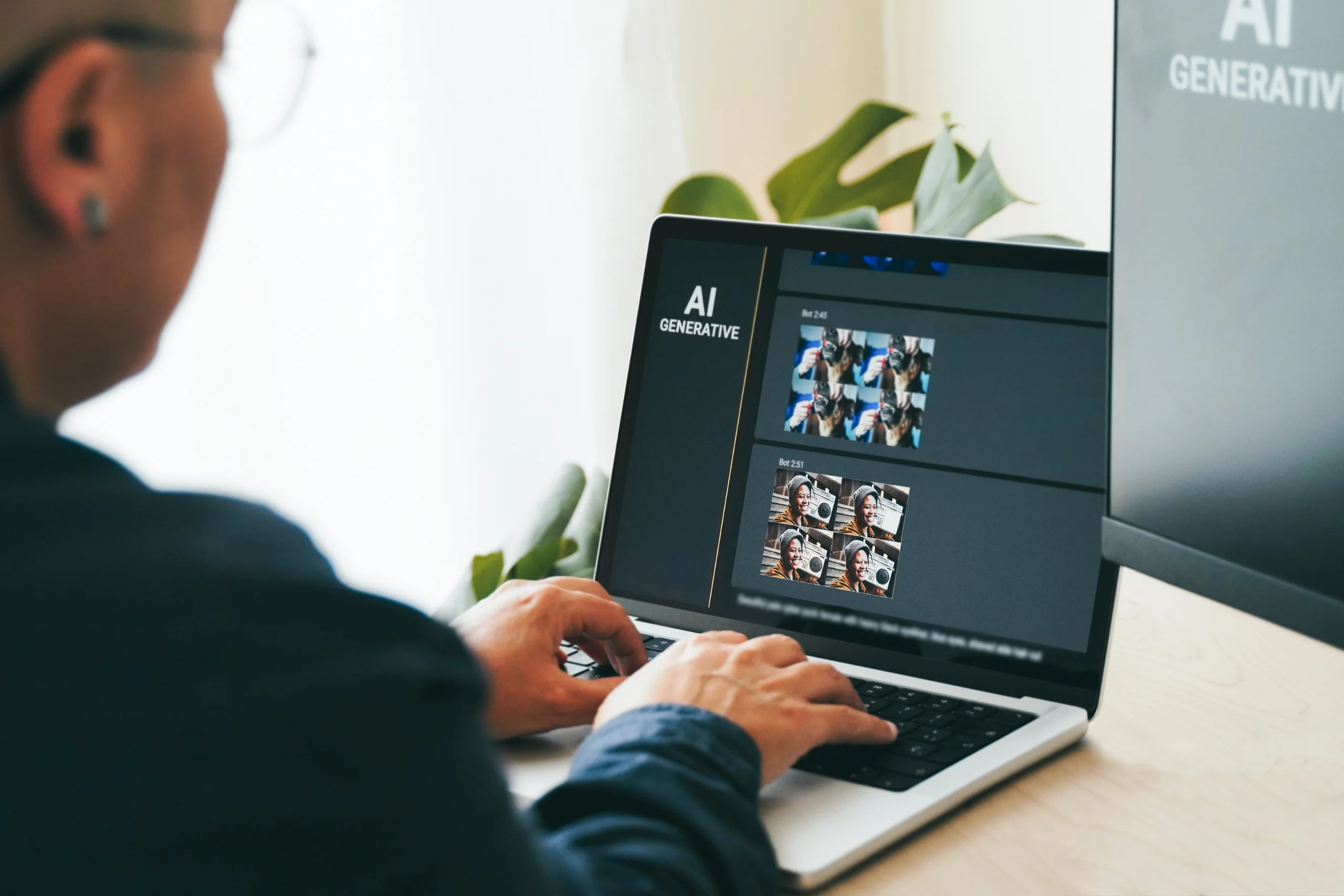
Generative AI is becoming increasingly multimodal, meaning it can work across text, images, audio, video, and voice. This is a major shift for small businesses because content creation has traditionally been expensive, time-consuming, and dependent on multiple specialists.
In 2026, a business owner may be able to take one idea and turn it into a blog post, short video script, email campaign, social media carousel, product image concept, voiceover, and customer FAQ. That does not eliminate the need for brand judgment or editing, but it does reduce the friction involved in getting content started.
For example, a home improvement contractor could use multimodal AI to turn before-and-after project photos into a short video, a blog post about the renovation process, a social media caption, and an email newsletter. A restaurant could create seasonal menu graphics, short-form video ideas, and localized promotional copy from the same campaign brief.
Small businesses should still be careful with accuracy, copyright, customer likenesses, and brand consistency. AI-generated visuals and videos should be reviewed before publication, especially if they show products, people, claims, pricing, or regulated services.
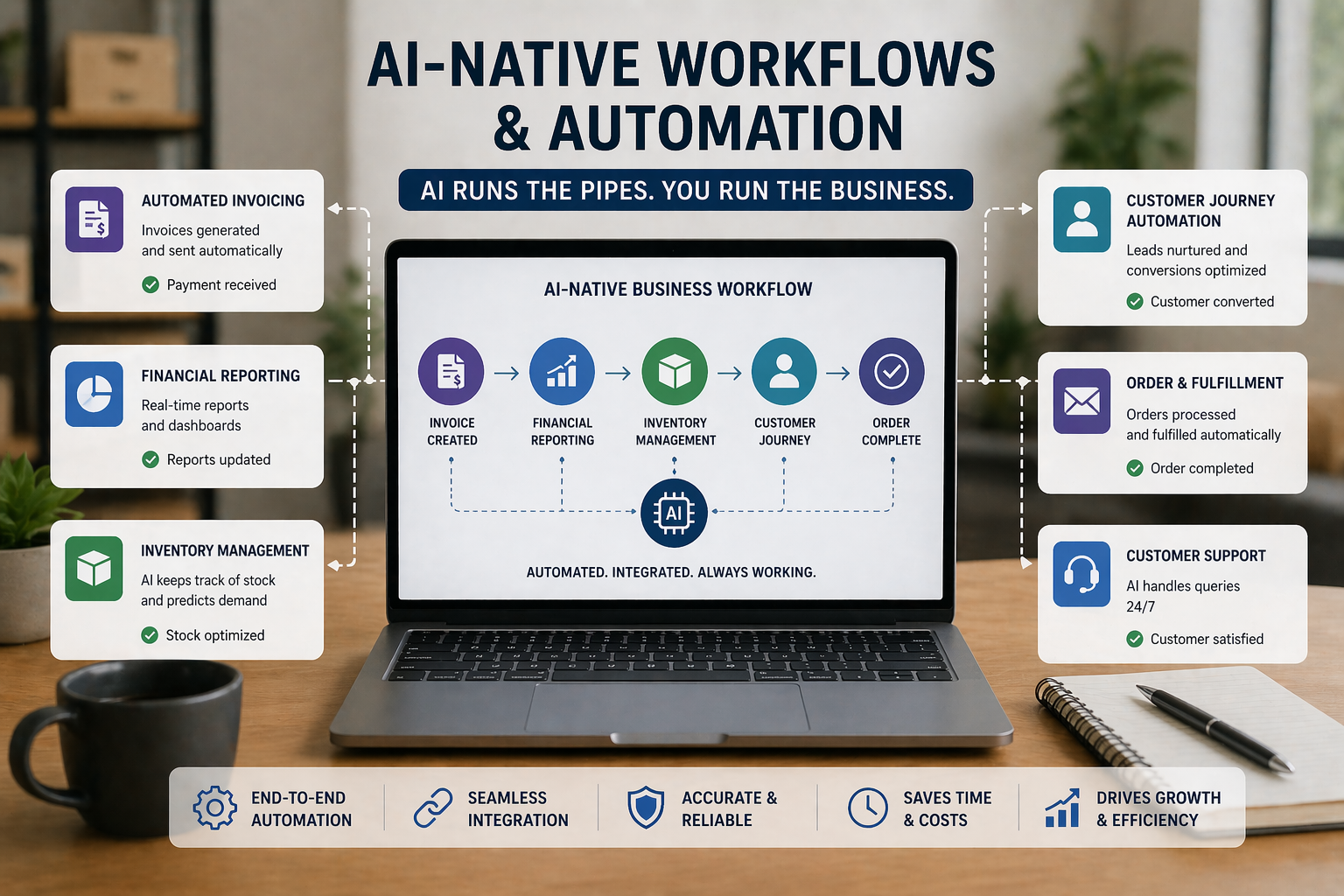
4. AI Will Become Embedded in Everyday Business Software
In the early days of generative AI, many small business owners used standalone tools. They opened a chatbot, typed a prompt, copied the output, and pasted it somewhere else. In 2026, that workflow will feel increasingly outdated.
AI is being built into the software businesses already use: email platforms, CRMs, accounting tools, scheduling systems, ecommerce platforms, website builders, help desks, design tools, and analytics dashboards. That means AI will often show up as a feature inside existing workflows rather than as a separate product.
This trend is important because it makes AI adoption easier. A small business owner may not need to “implement AI” in a formal sense. They may simply begin using AI features inside tools they already pay for.
However, this also creates a new management challenge. If AI appears inside every software platform, businesses need to know which tools have access to customer data, financial information, employee information, or proprietary business documents. Convenience should not replace oversight.
Table 2: AI Workflow Opportunities by Small Business Type
The most effective AI adoption usually starts with one specific workflow, not a vague goal to “use AI.” A home-based consultant, ecommerce seller, local service provider, and online coach will all have different needs. The table below shows examples of where different types of small businesses can begin using AI in a practical, low-risk way.
| Type of Business | Best First AI Workflow to Test | Why It Matters |
|---|---|---|
| Home-based consultant | Proposal drafts and client follow-up emails | Saves time and improves response speed |
| Ecommerce store | Product descriptions, FAQs, and abandoned-cart emails | Improves merchandising and conversion opportunities |
| Local service business | Lead intake, quote follow-ups, and appointment reminders | Reduces missed opportunities |
| Freelancer | Invoice reminders, project summaries, and content repurposing | Helps one person operate more professionally |
| Restaurant or food business | Menu descriptions, local promotions, and review summaries | Supports marketing and reputation management |
| Online educator or coach | Lesson outlines, worksheets, email sequences, and student FAQs | Helps scale knowledge-based services |
| Retail shop | Seasonal campaigns, product recommendations, and customer segmentation | Makes marketing more targeted |
5. AI Search Will Change How Customers Find Small Businesses
Search is changing. Customers are no longer only typing short keywords into Google and clicking through a list of blue links. They are asking longer, more specific questions in Google’s AI-powered search experiences, ChatGPT, Perplexity, Gemini, and other answer engines.
Google has advised site owners that success in AI search still depends on creating unique, helpful, satisfying content for real users, especially as people ask longer and more specific follow-up questions.
For small businesses, this means SEO is not dead, but it is evolving. Traditional SEO still matters, but businesses also need content that clearly answers specific customer questions. A vague service page is less useful than a page that explains pricing factors, service areas, process, timelines, common mistakes, and how to choose the right provider.
Small businesses should think about the questions customers ask before they are ready to buy. For example:
- “What should I know before hiring a bookkeeper?”
- “How much does carpet cleaning cost for a small office?”
- “What is the difference between a business line of credit and a term loan?”
- “How do I choose a registered agent for my LLC?”
Content that answers these types of questions clearly may be more useful in AI-driven discovery than generic promotional copy.
6. Marketing and Content Creation Will Become More Data-Driven
Marketing is already one of the biggest use cases for generative AI among entrepreneurs. Gusto found that 76% of new businesses using generative AI apply it to marketing tasks such as content creation and market research, while 41% use it for sales and 26% for customer service.
In 2026, the strongest AI-assisted marketing will not simply be “more content.” It will be more targeted content, based on clearer customer insights.
AI can help small businesses analyze customer reviews, support tickets, sales calls, website analytics, survey responses, and social media comments. That information can reveal what customers care about most, what objections stop them from buying, what words they use to describe their problems, and what offers resonate.
This is where AI can become especially powerful for small businesses that do not have a full marketing department. Instead of guessing what to say, they can use AI to identify patterns and turn those patterns into better campaigns.
The warning is that AI can also make it easier to publish thin, generic content. That may hurt trust. A good small-business content strategy should combine AI efficiency with real experience, examples, customer stories, owner insight, photos, case studies, and practical advice.
7. AI Will Help Small Businesses Make Faster Decisions
Generative AI is increasingly useful for summarizing information, comparing options, analyzing patterns, and helping business owners think through decisions. This does not mean AI should make final decisions. It means AI can help owners see information more clearly.
For example, a business owner could ask AI to summarize customer complaints from the past six months, compare sales by product category, identify common reasons leads do not convert, or turn messy notes into a clearer action plan.
This can be especially valuable for small businesses because many owners make decisions while juggling operations, sales, staffing, bookkeeping, and customer service. AI can help reduce the mental load by organizing information faster.
Still, AI outputs should be treated as a decision-support tool, not a source of unquestioned truth. Business owners should verify financial data, legal requirements, customer claims, and strategic recommendations before acting.
8. AI Will Reshape Jobs Instead of Simply Replacing Them
One of the most common fears about AI is that it will eliminate jobs. Some jobs and tasks will certainly change. But for many small businesses, AI’s more immediate impact will be shifting how people spend their time.
Employees may spend less time drafting routine emails, searching through documents, creating first drafts, formatting reports, or answering repetitive questions. They may spend more time reviewing AI output, helping customers, improving processes, selling, managing relationships, and making judgment calls.
McKinsey’s research on agentic marketing workflows describes a future where people design and oversee networks of AI agents that handle much of the execution, while humans focus on strategy, creativity, and judgment.
For small businesses, this means AI literacy will become a practical workplace skill. Employees do not need to become machine learning engineers, but they do need to know how to use AI safely, write useful prompts, check outputs, protect customer data, and understand when a human should step in.
9. AI Governance Will Become a Small Business Issue
AI governance may sound like something only large corporations need, but small businesses also need basic rules. If employees are using AI tools to process customer information, draft client communications, generate marketing claims, or summarize business data, the company needs guardrails.
NIST’s AI Risk Management Framework includes a Generative AI Profile designed to help organizations identify risks unique to generative AI and choose risk-management actions that fit their goals and priorities.
A small business AI policy does not need to be complicated. It can start with a one-page document that explains:
- Who is allowed to use AI tools
- What types of information should never be pasted into public AI tools
- Which outputs need human review
- How the business checks accuracy
- Who approves AI-generated customer-facing content
- How customer privacy is protected
The goal is not to slow innovation. The goal is to prevent avoidable mistakes, such as exposing confidential information, publishing inaccurate claims, creating misleading content, or relying on AI for decisions that require professional expertise.
Table 3: Basic AI Governance Checklist for Small Businesses
As AI becomes easier to use, small businesses also need simple rules for using it responsibly. This does not require a complicated corporate policy, but it does require common-sense guardrails around privacy, accuracy, customer communication, and human review. The table below gives small business owners a starting checklist for managing AI use safely.
| Governance Area | Question to Ask | Simple Small Business Rule |
|---|---|---|
| Data privacy | Are employees pasting customer or financial data into AI tools? | Do not enter sensitive customer, employee, legal, or financial data into public AI tools |
| Accuracy | Could this AI output mislead a customer? | Human review is required before publishing or sending |
| Brand voice | Does the content sound like the business? | Edit all AI-generated marketing copy before publication |
| Legal/compliance | Does this involve taxes, contracts, employment, health, finance, or regulated claims? | Use AI for drafts only; consult qualified professionals when needed |
| Customer service | Could the AI make promises the business cannot keep? | Limit AI responses to approved policies and FAQs |
| Security | Who has access to AI tools and connected apps? | Keep a list of approved tools and remove unused access |
| Accountability | Who owns the final output? | A human owner must be responsible for customer-facing work |
10. ROI Will Matter More Than Experimentation
In 2023 and 2024, many businesses experimented with generative AI because it was new. In 2026, experimentation alone will not be enough. Businesses will need to measure whether AI is actually improving results.
McKinsey noted in 2026 that while nearly eight in ten organizations are using generative AI in at least one business function and 62% are experimenting with agentic AI, 60% still had not seen enterprise-wide EBIT impact from their AI programs. The firm argues that AI impact should be measured with the same rigor as any other capital investment.
Small businesses should take that lesson seriously. AI should not become another monthly subscription that slowly drains cash without producing value.
Good AI metrics might include:
- Time saved per week
- Faster response time to leads
- Higher email open or click-through rates
- More completed quotes
- Lower customer support backlog
- More content published without lowering quality
- Improved conversion rate
- Reduced administrative hours
- Lower outsourcing costs
- Better customer satisfaction
The best AI projects are tied to a specific business problem. “We want to use AI” is not a strategy. “We want to reduce lead response time from 24 hours to 2 hours” is a strategy.
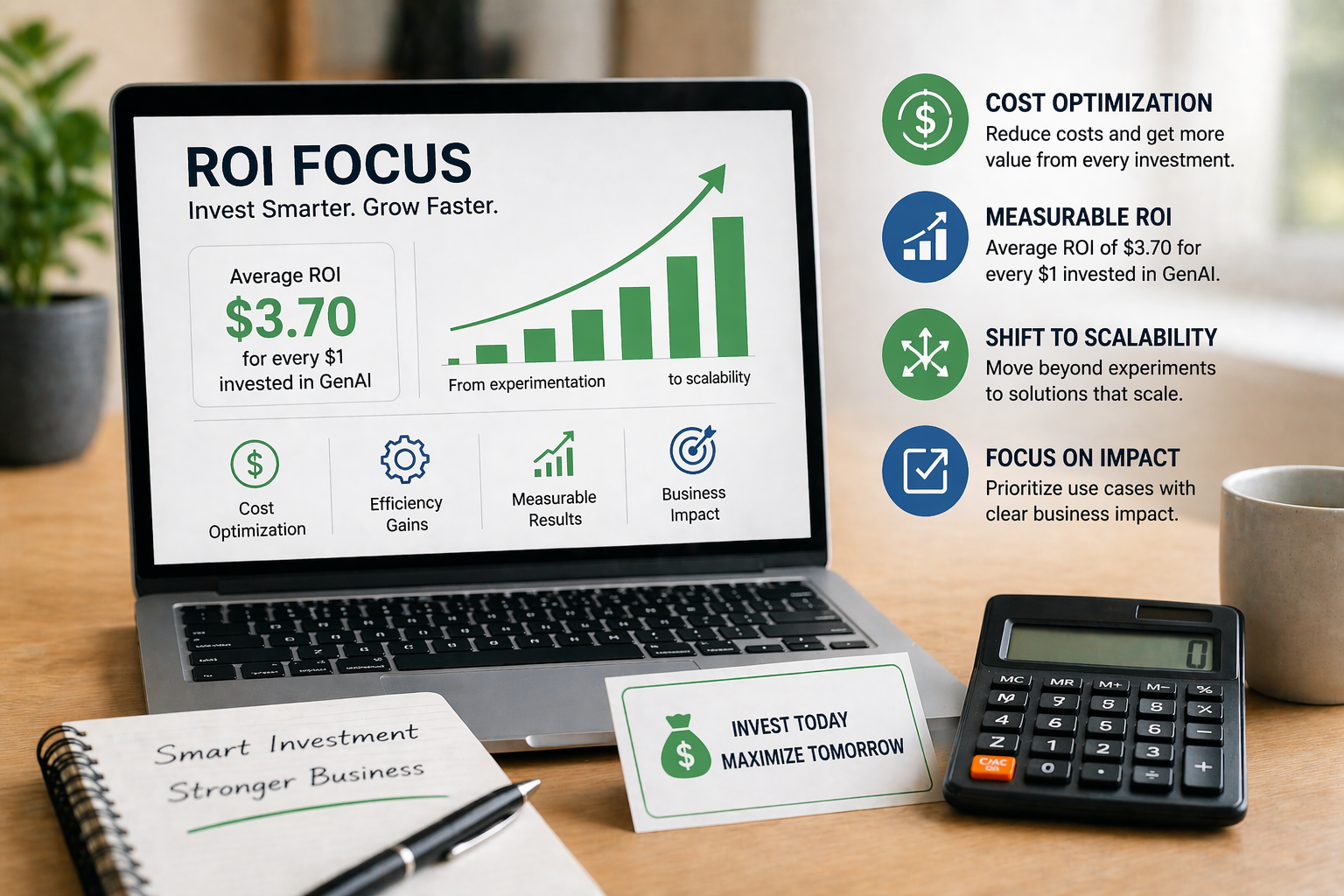
Table 4: How to Measure AI ROI in a Small Business
AI tools should not become another monthly expense with unclear value. Before investing more time or money into AI, small businesses should connect each tool to a measurable business outcome. The table below shows common AI use cases and the types of results business owners can track to determine whether the tool is actually helping.
| AI Use Case | What to Measure | Example Goal |
|---|---|---|
| Lead follow-up | Response time, booked calls, quote requests | Respond to new leads within 2 hours |
| Customer support | Ticket volume, resolution time, customer satisfaction | Reduce repetitive support questions by 30% |
| Content creation | Publishing frequency, traffic, conversions | Publish two helpful guides per month without adding staff |
| Email marketing | Open rate, click rate, sales, unsubscribes | Improve email click-through rate by 15% |
| Sales outreach | Reply rate, meetings booked, close rate | Increase qualified sales conversations |
| Operations | Hours saved, error reduction, task completion speed | Save 5 administrative hours per week |
| Finance/admin | Time to prepare reports, invoice follow-up rate | Reduce overdue invoice follow-up time |
11. AI-Native Businesses Will Compete Differently
In 2026, more businesses will be built with AI from day one. These AI-native businesses will not treat AI as an add-on. They will use it in their business model, customer experience, operations, marketing, and decision-making from the beginning.
An AI-native business may launch with fewer employees, automate more back-office work, personalize customer communication earlier, and test more ideas faster. That can create pressure on traditional small businesses that still rely entirely on manual processes.
However, existing small businesses have an advantage AI-native startups do not always have: real customers, experience, local reputation, industry knowledge, relationships, and trust. AI can help amplify those strengths if it is used wisely.
The goal is not to make every business feel like a tech startup. The goal is to use AI to strengthen the business you already have.
How Small Businesses Should Start Using Generative AI in 2026
Small business owners do not need to adopt every AI trend at once. In fact, trying to do too much too quickly can create confusion, unnecessary cost, and security risks.
A better approach is to choose one high-impact workflow and improve it step by step.
Start by identifying a repetitive task that consumes time every week. Then define the desired outcome. Do you want faster follow-up? Better marketing output? Fewer customer service questions? Cleaner reporting? More consistent proposals? Once the goal is clear, test one AI tool or workflow, measure the result, and then decide whether to expand.
A practical 30-day starting plan could look like this:
- Week 1: Choose one workflow and document the current process.
- Week 2: Test AI on a small part of that workflow, such as first-draft emails or FAQ responses.
- Week 3: Add human review, edit the output, and track time saved or results improved.
- Week 4: Decide whether to keep, improve, or stop using the workflow.
AI adoption should feel like a business improvement project, not a technology trend-chasing exercise.
Final Thoughts
Generative AI will be one of the most important competitive forces for small businesses in 2026. But the winners will not simply be the businesses that use the most AI tools. The winners will be the businesses that use AI with the clearest purpose.
For a small business, AI can help create content, serve customers, manage leads, analyze data, automate tasks, and compete with larger companies. But it still needs human judgment, customer understanding, brand voice, ethical use, and clear measurement.
The best approach is practical: start small, focus on measurable business value, protect customer trust, and train your team to use AI responsibly. Small businesses that do that will be better prepared not only to keep up with AI-driven change, but to use it as a real advantage.
Frequently Asked Questions
Is generative AI affordable for small businesses in 2026?
Yes. Generative AI has become much more affordable for small businesses because many tools are available through monthly subscriptions, freemium plans, or built-in features inside software companies already use. Small businesses no longer need to build their own AI models or hire a large technical team to benefit from AI. The more important issue is not whether AI is affordable, but whether the tool produces enough value to justify its cost. A $30-per-month tool that saves five hours a week may be a strong investment. A $300-per-month tool that no one uses consistently may be wasteful. Small businesses should evaluate AI tools the same way they evaluate any software: by looking at time saved, revenue supported, customer experience improved, or costs reduced.
What is the biggest generative AI trend small businesses should watch in 2026?
Agentic AI is likely one of the most important trends to watch because it moves AI from simple content generation to multi-step workflow automation. A basic chatbot can draft an email or answer a question. An AI agent may be able to take a goal, break it into steps, use connected tools, update records, and alert a human when needed. For small businesses, this could affect lead follow-up, appointment scheduling, customer onboarding, reporting, and customer support. However, agentic AI also requires more oversight because the system may be taking actions, not just generating text. Small businesses should begin with low-risk workflows and keep a human in control of approvals.
How can a small business start using generative AI safely?
The safest way to start is with one specific, low-risk use case. For example, a business might use AI to draft social media posts, summarize public customer reviews, create blog outlines, or organize internal meeting notes. Avoid starting with sensitive areas such as legal advice, hiring decisions, medical information, financial recommendations, or customer data processing unless there are strong safeguards in place. Businesses should also create simple rules for employees. These rules should explain what information can and cannot be entered into AI tools, which outputs need human review, and who is responsible for approving customer-facing content. AI should support good judgment, not replace it.
Will AI replace employees in small businesses?
AI will change many tasks, but it does not automatically replace employees. In many small businesses, AI is more likely to reduce repetitive work and help employees focus on higher-value activities. For example, an employee who spends hours answering the same customer questions may use AI to draft faster responses or organize FAQs. A marketing assistant may use AI to create first drafts and then spend more time refining strategy, visuals, and customer insights. The businesses that benefit most will train employees to work with AI rather than simply impose tools without guidance. Human oversight remains especially important for customer service, sales, brand voice, and judgment-based decisions.
What types of small businesses can benefit most from generative AI?
Almost any small business can benefit from generative AI if it has repetitive tasks, customer communication, marketing needs, administrative work, or data to analyze. Service businesses can use AI for quote follow-ups, appointment reminders, customer FAQs, and review summaries. Ecommerce businesses can use it for product descriptions, buying guides, email campaigns, and customer support. Consultants and freelancers can use it for proposals, reports, research summaries, and client communication. Restaurants, retailers, coaches, agencies, home-based businesses, and local contractors can all find practical use cases. The best starting point is usually the task that is both frequent and time-consuming.
What are the biggest risks of using generative AI in a small business?
The biggest risks include inaccurate information, privacy problems, weak security, generic content, overreliance on automation, and misleading claims. AI tools can sound confident even when they are wrong. That can create problems if a business publishes incorrect pricing, legal information, product claims, or financial guidance. Privacy is another major concern. Employees should not paste sensitive customer, employee, financial, or proprietary business information into tools that have not been approved for that type of use. Businesses should also avoid publishing AI-generated content without editing it for accuracy, tone, originality, and brand fit. The safest approach is to combine AI efficiency with human review.
How should small businesses measure the ROI of AI?
Small businesses should measure AI ROI by connecting each tool or workflow to a specific business result. Instead of tracking vague benefits, measure practical outcomes such as hours saved, faster lead response time, higher email click-through rates, more completed quotes, fewer repetitive support tickets, lower outsourcing costs, or improved customer satisfaction. Before adopting a tool, write down the current baseline. For example, how long does it take to respond to a new lead? How many hours does blog writing take each month? How many support questions repeat every week? After testing AI, compare the results. This makes it easier to decide whether to keep, expand, or cancel the tool.
Should small businesses use AI for SEO and content marketing?
Yes, but carefully. AI can help with brainstorming, outlines, drafts, FAQs, title ideas, meta descriptions, and content repurposing. However, AI should not be used to flood a website with generic articles that do not add real value. Search engines and AI answer engines are increasingly focused on helpful, specific, experience-based content. Small businesses should use AI to support content that includes real expertise, examples, original insights, customer questions, product knowledge, and local or industry-specific experience. A strong AI-assisted SEO strategy should still sound human, answer real questions, and reflect what the business actually knows.
