

Historic homes can offer entrepreneurs more than charm. Learn how to turn an older home into a productive, professional hybrid workspace while managing zoning, design, compliance, and business operations.
Key Takeaways
- A historic home can function as a real business asset when it supports workflow, privacy, client experience, and operational efficiency.
- This model works best for low-impact, service-based, consulting, creative, and appointment-driven businesses.
- Entrepreneurs should verify zoning, insurance, parking, licensing, and preservation restrictions before renovating.
- The best hybrid workspaces separate focused work, client interactions, and support functions like storage or fulfillment.
- Renovations should prioritize business function while preserving the features that give a historic property its identity.
For many entrepreneurs, the dream workspace is not a bland office suite in a generic commercial strip. It is a space with character, flexibility, and enough room to support real work without draining the budget every month. That is one reason more business owners are rethinking how residential properties can support modern entrepreneurship.
A well-planned home-based workspace can do much more than hold a laptop and filing cabinet. It can function as a private office, a client-facing meeting area, a content studio, a consultation room, or even a light operations hub for inventory, fulfillment, and administrative work. For entrepreneurs living in older or historic properties, the opportunity can be even stronger. These homes often include front parlors, detached structures, finished basements, separate entries, and architectural details that create a sense of professionalism many newer homes lack.
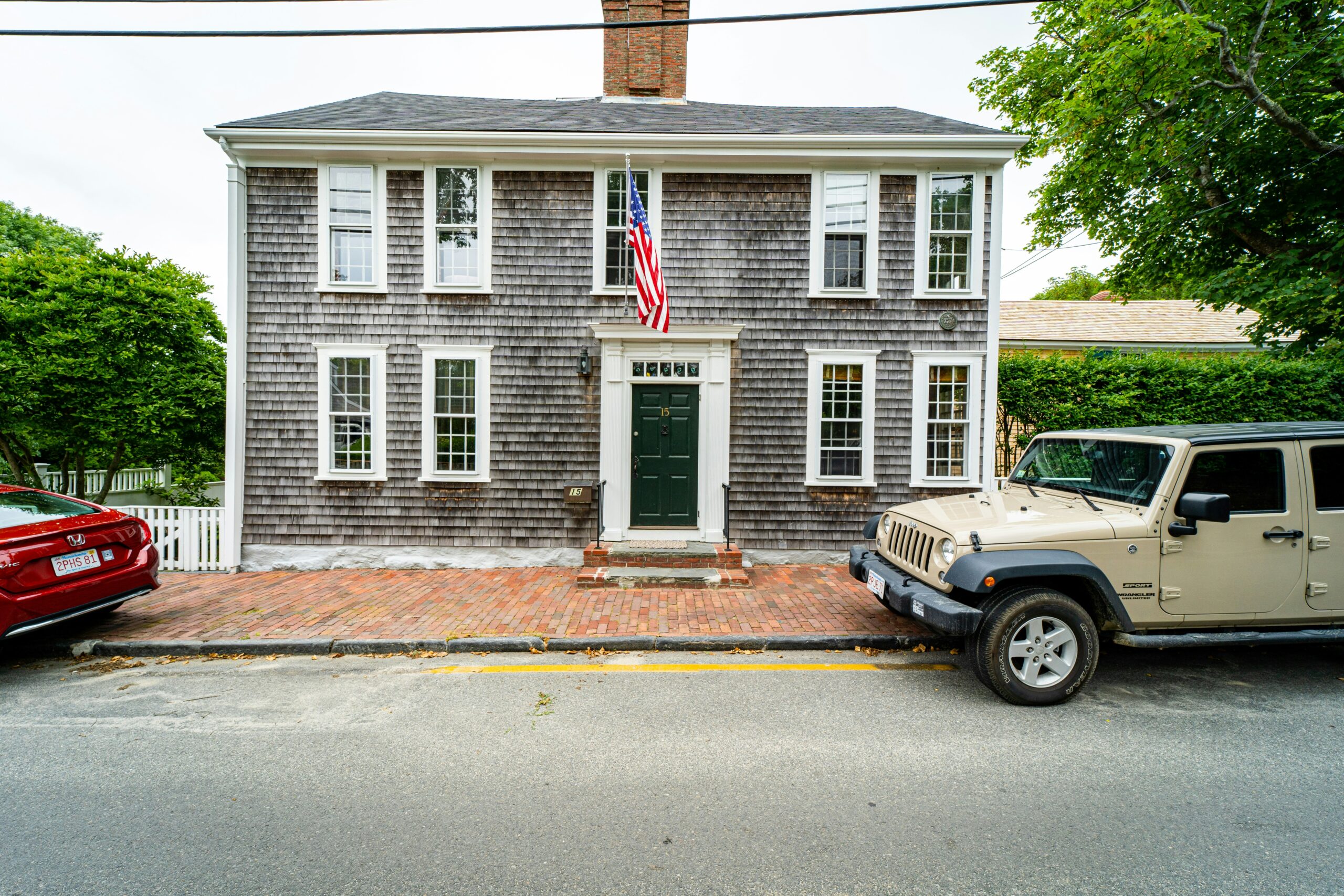
This is especially true in places like Massachusetts, where older housing stock and historic neighborhoods are common. For the right type of small business, a historic home can become more than a residence. It can become a strategic business asset. The challenge is making that transition thoughtfully. Owners need to balance preservation, zoning, insurance, workflow, branding, and customer experience without turning the property into something impractical or legally risky.
For PowerHomeBiz readers, that is the real question: not whether an old home looks appealing, but whether it can help run a better business. In many cases, the answer is yes, provided the space is designed around business function rather than aesthetics alone.
According to the IRS, qualified taxpayers may be able to deduct expenses for the business use of a home, and the rules can apply not only to a room inside the house but also to structures on the property such as a detached garage, studio, barn, or greenhouse when they meet the requirements. That matters because many entrepreneurs use more than one area of a property to support operations.
Table of Contents
Why a Historic Home Can Make Sense for a Small Business
The biggest advantage of using a historic home for business is not charm. It is control.
Commercial leases can lock a small business into fixed monthly costs, restrictive terms, and a layout that is expensive to customize. By contrast, a well-designed business space inside a home can give an owner more control over scheduling, overhead, branding, and day-to-day workflow. For service providers, consultants, creatives, tutors, wellness professionals, and certain appointment-based businesses, the right home setup can reduce commuting time, create a more personal customer experience, and make better use of an asset they already own.
Historic homes can be especially effective because they often include features that adapt well to business use. A front room can become a consultation office. A side entrance can create a more professional client path. A finished attic, basement, or carriage house can support storage, shipping, content production, or focused work away from the main living area. Older homes also tend to project a sense of permanence and identity, which can support trust in businesses where image and personal reputation matter.
That said, a historic home is not automatically a good business location. The property needs to support the actual demands of the business. A beautiful house with poor parking, weak internet access, no private entry, and an awkward floor plan can create more friction than value. The smartest owners evaluate the home as an operating environment, not just a design opportunity.
When This Setup Works Best
Not every home business belongs in a historic residential property. This model tends to work best when the business is low-impact, client-friendly, and operationally manageable from a residential setting.
Examples include:
- consulting and coaching businesses
- accounting, bookkeeping, and tax preparation
- real estate and mortgage professionals
- writers, designers, and digital marketers
- online sellers with modest inventory needs
- tutors and education-related services
- therapy, wellness, or by-appointment services where local rules permit
- content creators, photographers, and creative freelancers
These businesses usually benefit from a mix of quiet workspace, visual professionalism, and flexible room use. They do not require heavy foot traffic, industrial equipment, or constant delivery activity that would create friction with neighbors or zoning rules.
In other words, the best candidates are businesses that need a professional environment without needing a full commercial facility.
Table 1: Best Types of Businesses for a Historic Home Workspace
Not every business is a natural fit for a historic residential property. The strongest candidates are usually low-impact businesses that need privacy, professionalism, and flexible space rather than heavy foot traffic or industrial-style operations.
| Business Type | Fit for Historic Home? | Why It Works or Does Not Work |
|---|---|---|
| Consultant / Coach | Excellent fit | Needs a quiet, professional environment for calls, strategy sessions, and occasional client meetings. |
| Accountant / Bookkeeper / Tax Preparer | Excellent fit | Works well in a private office setting with limited traffic and a strong need for confidentiality. |
| Writer / Editor / Digital Marketer | Excellent fit | Primarily desk-based work that benefits from focus, low overhead, and a productive home office. |
| Real Estate Professional / Mortgage Broker | Strong fit | Can use the space for meetings, paperwork, and remote work, though parking and client access matter. |
| Tutor / Educational Consultant | Strong fit | Suitable if local rules allow visits and the home has a quiet, distraction-free area. |
| Therapist / Wellness Practitioner | Conditional fit | May work well if zoning, privacy, accessibility, insurance, and licensing requirements are fully addressed. |
| Photographer / Content Creator | Strong fit | Historic homes can add visual appeal, though lighting, storage, and room flexibility are important. |
| Online Seller with Light Inventory | Strong fit | Works if storage is organized and delivery activity does not overwhelm the property. |
| Interior Designer / Creative Freelancer | Strong fit | Benefits from a visually distinctive environment and a flexible workspace for client-facing work. |
| Salon / Personal Care Business | Conditional fit | May require special licensing, plumbing, parking, and local approval depending on the services offered. |
| Retail Storefront Operation | Weak fit | Customer traffic, signage, parking, and zoning issues often make this difficult in a residential setting. |
| Food Production Business | Weak fit | Usually involves stricter health, safety, and permitting requirements that may exceed what a home can support. |
| Manufacturing / Heavy Production | Poor fit | Noise, equipment, deliveries, and code issues usually make commercial space a better choice. |
The Business Case for Relocating Out of Traditional Commercial Space
Many entrepreneurs start with the assumption that business growth automatically means leasing outside office space. But that is not always the smartest move, especially for owner-led service businesses.
If you are relocating your local business, a historic home may offer a more flexible and brand-friendly alternative to a conventional lease. Instead of paying for square footage you do not fully use, you may be able to invest in improvements that strengthen both your property and your business operations. For businesses built around appointments, remote work, creative production, or local consulting, that can be a meaningful strategic shift.
This approach may also help a business create a stronger identity. A thoughtfully restored home office can feel more memorable than a standard office suite. Clients may perceive it as more personal, more established, and more distinctive, especially when the environment is polished and clearly organized for business use.
Still, the financial case should be evaluated carefully. A home-based setup can reduce lease costs, but it may introduce renovation costs, code compliance needs, insurance changes, and technology upgrades. The right question is not whether it is cheaper in every case. The right question is whether it improves the business enough to justify the investment.

What Owners Need to Check Before Making the Space Business-Ready
This is where many otherwise promising ideas go sideways. Owners get excited about layout and design before confirming whether the property can support business use legally and practically.
Massachusetts makes clear that anyone starting a home office or business should check local ordinances and bylaws for zoning restrictions, health regulations, and related requirements. Because zoning authority is delegated to cities and towns under Massachusetts law, the rules can vary significantly depending on the municipality and neighborhood.
Before making major changes, review the following:
1. Local zoning and home occupation rules
Even if the business seems low impact, local rules may limit signage, employee presence, customer visits, parking, or the percentage of the home used for business.
2. Historic district or preservation restrictions
If the property is in a local historic district or is subject to preservation oversight, exterior changes and certain interior modifications may require review. The National Park Service notes that rehabilitation should make possible a compatible use while preserving the features that convey the property’s historic value.
3. Insurance implications
A homeowner’s policy may not fully cover business equipment, inventory, customer visits, or liability arising from commercial activity.
4. Parking and access
A business that creates client traffic, deliveries, or employee visits needs a workable access plan. What looks manageable on paper can become a daily frustration if parking is tight or the entry sequence is awkward.
5. Electrical, internet, and HVAC capacity
Historic homes were not built for modern business technology. Owners may need upgrades to support lighting, internet reliability, computers, printers, cameras, climate control, or specialized equipment.
6. Licensing and permits
Some types of businesses may need state or local licenses before operating. Massachusetts maintains a centralized business licenses and permits resource, but local requirements still matter.
This stage is not glamorous, but it protects the owner from expensive mistakes. It also prevents the common problem of building a workspace that looks finished but cannot legally or practically support the business.
Table 2: Historic Home Business Readiness Checklist
Before spending money on renovations or moving business operations into a historic property, entrepreneurs should assess the practical and legal realities first. This checklist helps identify the issues most likely to affect cost, compliance, and day-to-day operations.
| Area to Review | Why It Matters | Questions to Ask |
|---|---|---|
| Local Zoning Rules | Determines whether home-based business activity is allowed and what limits apply. | Are client visits, signage, employees, or deliveries restricted? |
| Home Occupation Regulations | Some towns allow home businesses only under narrow conditions. | Does the business meet the definition of a permitted home occupation? |
| Historic District Restrictions | Exterior changes and some property modifications may require approval. | Do I need permission before changing entrances, windows, signage, or exterior features? |
| Insurance Coverage | Standard homeowner policies may not fully cover business activity. | Will my policy cover equipment, inventory, liability, and client visits? |
| Parking Availability | Limited parking can create neighborhood friction and client inconvenience. | Is there enough parking for visitors, staff, or service providers? |
| Private Entry Access | A separate entry improves professionalism and protects household privacy. | Can clients enter without walking through personal living space? |
| Internet Reliability | Remote work, video calls, and digital business operations depend on stable connectivity. | Is the current internet strong enough for my daily business needs? |
| Electrical Capacity | Older homes may not support modern equipment, lighting, or tech loads. | Will I need upgraded outlets, circuits, or panel capacity? |
| HVAC and Comfort | Temperature control affects productivity and client comfort. | Can the workspace stay comfortable year-round without major disruption? |
| Noise and Privacy | Business calls and meetings require separation from home activity. | Can I create a quiet area for focused work and confidential conversations? |
| Accessibility | Client-facing spaces may need safer, easier access depending on the business. | Will visitors be able to enter and use the space comfortably and safely? |
| Storage Capacity | Supplies, files, and inventory can quickly overwhelm shared household areas. | Is there enough room to keep business materials organized and out of family living areas? |
| Safety and Code Compliance | Renovations and commercial use may trigger code requirements. | Do I need permits, inspections, or fire safety upgrades? |
| Business Licensing | Some professions require local or state approvals before operating. | Does my business need a specific license or permit to operate from home? |
How to Choose the Right Business Zone Inside the Home
A successful hybrid workspace is built on good placement. The best room is not always the prettiest room. It is the room that supports concentration, privacy, workflow, and professionalism.
Start by asking practical questions:
- Will clients need to enter this space?
- Can the owner work without constant household interruption?
- Is there adequate natural light for meetings or video calls?
- Can paperwork, supplies, or inventory be stored without taking over family space?
- Is there enough separation between business and personal life?
For many entrepreneurs, the ideal setup includes three distinct zones:
A focused work zone
This is the daily operational core. It should support concentration, computer work, calls, planning, and administration.
A client or presentation zone
This may be a front room, meeting area, studio backdrop, or consultation space. It should feel clean, intentional, and separate from household clutter.
A support zone
This includes storage, fulfillment supplies, file systems, tech gear, printing stations, or secondary work surfaces.
That three-zone model helps a home business function more like a real operating environment and less like a temporary workaround.

Renovating for Function Without Erasing Character
One of the biggest mistakes owners make is treating a historic home as either untouchable or disposable. Neither extreme works well. A productive small-business workspace usually requires updates. The goal is to make the building functional without stripping away the features that create its value and identity.
The National Park Service’s rehabilitation standards are useful here because they focus on compatible use while preserving significant historic materials and features. In practice, that means owners should look for upgrades that improve function while respecting original trim, built-ins, flooring, windows, stair details, and room proportions whenever possible.
Smart renovations often include:
- upgraded electrical service
- stronger Wi-Fi and wired internet access
- improved task and video lighting
- sound control for meetings and calls
- zoning HVAC improvements to support work areas
- built-in storage that fits the architecture
- a secondary client entrance where feasible
- flexible furnishings that allow rooms to serve more than one function
The strongest projects are usually phased. Instead of renovating the whole property at once, owners can start with the room that delivers the biggest business benefit. That may be the office, a consultation room, or a studio space. Once revenue grows or the workflow becomes clearer, additional improvements can follow.
How Design Supports Productivity and Brand Credibility
For a home-based entrepreneur, design is not just decoration. It is infrastructure.
A disorganized room with poor lighting, visible household clutter, and no clear purpose can make even a capable business feel scattered. A well-designed room does the opposite. It improves focus, supports better meetings, reduces daily friction, and communicates professionalism to clients.
This matters more than many owners realize. In a hybrid work environment, the space itself becomes part of the customer experience. It affects how the business appears on video calls, how clients feel when they visit, and how confidently the owner works every day.
Historic homes offer an advantage here. They often come with texture, craftsmanship, and visual identity that newer spaces lack. When those features are paired with practical improvements such as hidden storage, consistent signage, clean finishes, modern technology, and good lighting, the result can be both distinctive and highly functional.
The point is not to create a picture-perfect office for social media. The point is to create a space that helps the business operate better and look more credible.
The Hidden Risks Entrepreneurs Should Not Ignore
This model is not without drawbacks, and PowerHomeBiz readers should be realistic about them.
A historic home can create limits that newer properties do not. Layouts may be awkward. Maintenance costs may be higher. Insulation, wiring, and HVAC may need more work than expected. Accessibility may be difficult to improve. Some neighborhoods may not be suitable for regular client traffic. And if the owner fails to set strong boundaries, the home can start to feel like an office that never closes.
There is also the risk of overbuilding. Some owners spend heavily on renovations before proving the business case. That is especially risky for new ventures or business models that are still evolving.
A better approach is to let business needs guide improvements. Invest first in the changes that improve workflow, client experience, compliance, and revenue potential. Save the cosmetic extras for later.
A Practical Framework for Deciding Whether This Is a Good Move
Before committing to a hybrid business setup in a historic home, ask five questions:
1. Does the business truly fit residential operation?
If the business creates heavy traffic, noise, or operational disruption, it may not belong in a home environment.
2. Will the space improve productivity?
A beautiful room is not enough. The setup should help you work better, meet clients more effectively, or operate more efficiently.
3. Can the property support legal and practical business use?
Zoning, insurance, access, parking, permits, and technology all need to align.
4. Will the investment strengthen the business?
Improvements should serve a clear business purpose, not just aesthetics.
5. Can you maintain separation between home and work?
Long-term success depends on boundaries. Without them, convenience can turn into burnout.
Table 3: Should You Use a Historic Home for Your Business?
Not every entrepreneur should move business operations into a historic home. This decision table gives readers a practical way to assess whether the property is likely to support their business goals or create unnecessary friction.
| Decision Factor | Strong Yes Signal | Warning Sign |
|---|---|---|
| Business Type | Service-based, creative, consulting, or appointment-based work | High-traffic, production-heavy, or operationally complex business |
| Client Experience | The home adds trust, warmth, and professionalism | The home feels awkward, cluttered, or hard for clients to access |
| Space Layout | Separate zones can be created for work, meetings, and storage | Business activity would spill into core family living areas |
| Legal Feasibility | Local rules clearly allow the intended business use | Zoning, licensing, or preservation rules create major limitations |
| Parking and Access | Adequate access exists for visitors and deliveries | Parking is limited or entry routes are inconvenient |
| Technology Readiness | Internet, lighting, and power can support modern business needs | The house needs major upgrades just to function at a basic level |
| Privacy and Boundaries | Owner can maintain clear separation between work and home life | Work would constantly interrupt household routines |
| Investment Level | Improvements directly support productivity and revenue | Renovations are mostly cosmetic or too expensive for the business stage |
| Brand Fit | The property strengthens the business image | The property creates confusion about the type or professionalism of the business |
| Long-Term Usefulness | The space can adapt as the business grows | The setup would likely be outgrown quickly or create burnout |
Final Thoughts
A historic home can be far more than a charming place to live. For the right entrepreneur, it can become a productive headquarters, a client-ready environment, and a long-term business asset. The key is to approach the project like an operator, not just a homeowner.
That means evaluating the property for workflow, compliance, customer experience, and return on investment. It means preserving what makes the home distinctive while upgrading what the business actually needs. And it means understanding that the best hybrid workspaces are not improvised. They are planned.
For home-based entrepreneurs who want more control, more flexibility, and a stronger sense of identity, a thoughtfully adapted historic home can offer something commercial space often cannot: a workplace that supports both the business and the person building it.
FAQ
Can I legally run a business from a historic home?
Possibly, but the answer depends on local zoning, home occupation rules, licensing requirements, and whether the property is subject to historic district restrictions. In Massachusetts, the state specifically notes that entrepreneurs should check local ordinances and bylaws before starting a home office or business, because local governments control many zoning rules. That means a business may be permitted in one town or neighborhood and restricted in another. Even if your business itself is allowed, you may still face limits on signage, customer visits, parking, employees, or physical alterations to the property. Before investing in renovations, it is smart to confirm what is allowed with your city or town, insurer, and any local preservation authority.
What kinds of businesses work best in a historic home?
The best fit is usually a business that is low-impact, professional, and easy to operate in a residential environment. Examples include consulting, accounting, coaching, tutoring, writing, design, digital marketing, photography, and certain appointment-based services. These businesses typically need quiet space, a professional setting, and limited client traffic rather than industrial equipment or heavy daily deliveries. A historic home can be especially effective when the business benefits from atmosphere and trust, such as advisory services or client meetings. The key is not whether the home is attractive, but whether it supports operations without creating compliance, parking, or workflow problems.
Are there tax benefits to using part of my home for business?
There can be, but the rules are specific. The IRS says qualified taxpayers may be able to deduct expenses for business use of the home, including under a simplified option of $5 per square foot for up to 300 square feet. The IRS also explains that the definition of “home” can include structures on the property such as a detached garage or studio when they qualify. However, the business-use area generally must meet IRS requirements, and not every home-based arrangement qualifies. This is one reason entrepreneurs should think carefully about how the space is actually used and documented.
How do I modernize a historic home without ruining its character?
The best approach is selective modernization. Focus first on upgrades that improve business function, such as electrical service, internet reliability, lighting, sound control, climate management, and storage. Then evaluate how those changes can be made while preserving important historic features. The National Park Service’s rehabilitation guidance emphasizes making possible a compatible use while preserving the property’s significant materials and character-defining features. In practice, that usually means retaining original trim, floors, built-ins, windows, or room proportions when possible and avoiding unnecessary alterations that erase the home’s architectural identity.
Is using a historic home better than leasing office space?
It depends on the business model, but for many owner-led businesses, it can be a smart alternative. A home-based hybrid workspace may reduce lease obligations, save commuting time, improve schedule flexibility, and create a more distinctive brand experience. On the other hand, it may also require renovation costs, technology upgrades, code compliance work, and stronger boundaries between business and personal life. The better comparison is not simply rent versus mortgage. It is whether the property improves how the business operates, serves clients, and uses capital. For many service-based entrepreneurs, that answer may be yes, but only if the setup is designed intentionally.
