

A clean office floor does more than make your workspace look better. It helps support focus, better air quality, and a more professional business environment. Here is how home-based business owners can care for different flooring types, prevent wear, and use practical tools such as vacuum cleaners and floor cleaner solutions to keep their workspace in top shape.
For many entrepreneurs, freelancers, consultants, and remote professionals, the home office is the control center of the business. It is where client calls happen, deadlines are met, invoices are sent, content is created, and decisions get made. Yet while most people spend plenty of time thinking about desks, lighting, storage, and technology, they often overlook one of the biggest contributors to how the workspace feels every day: the floor.
That matters more than it seems. Office flooring in a home-based business takes on a surprising amount of wear. It collects dust, dirt, pet hair, crumbs, tracked-in grime, and the occasional coffee spill. Over time, that buildup affects more than appearance. It can make the office feel stale, distract from work, worsen allergies, and create a less polished impression during video meetings or in-person visits. Keeping floors in good condition is not about perfection or obsessing over cleanliness. It is about creating a workspace that feels intentional, healthy, and ready for business.
The good news is that floor maintenance does not have to be complicated. With the right routine, a little prevention, and dependable tools such as vacuum cleaners for dry debris and a good floor cleaner for surface maintenance and spills, home-based business owners can keep their work areas cleaner without wasting valuable time.
Key Takeaways
- Clean office floors help support productivity, comfort, and a more professional home business environment
- Dust, dirt, and allergens can quietly affect both indoor air quality and focus
- Different flooring types require different maintenance routines
- A simple cleaning schedule is more effective than occasional deep-cleaning marathons
- Preventive habits reduce wear and save time over the long run
- Smart tools like robot vacuums and microfiber systems improve efficiency for busy entrepreneurs
Table of Contents

Why Clean Floors Matter More Than Many Home-Based Business Owners Realize
A home office does not operate in isolation from the rest of the house. Even if you have a dedicated room, dirt and dust still find their way in through foot traffic, open windows, pets, deliveries, and daily life. If your workspace is part of a shared room or mixed-use area, the problem grows even faster. Floors end up carrying the hidden burden of everyday business operations, collecting debris that can make the workspace feel less organized and less comfortable over time.
This affects more than aesthetics. A dusty carpet or gritty hard floor can subtly change how the room feels to work in. Allergens can get stirred into the air when you move your chair, walk across the room, or shift equipment around. Neglected flooring can also start to look dull, worn, or stained, which matters in an age when video calls, content creation, and virtual meetings are often part of doing business. A clean floor may seem like a background detail, but it supports the larger impression of professionalism, order, and care that serious businesses want to project.
Table 1: Why Floor Care Matters in a Home Business
The table below shows the main ways floor condition can affect the day-to-day function and presentation of a home-based business.
| Area of Impact | Why It Matters |
|---|---|
| Productivity | A cleaner environment reduces visual distraction and helps the workspace feel more organized |
| Air Quality | Dust, pet dander, and fine debris can circulate and irritate allergies or breathing |
| Professional Appearance | Clean floors contribute to a polished office during client calls or visits |
| Flooring Lifespan | Routine care helps reduce stains, scratches, and long-term wear |
| Daily Comfort | A clean floor makes the workspace feel fresher and easier to use |
What Actually Builds Up on Office Floors and Why It Becomes a Problem
Most office floors do not become messy overnight. The problem is usually gradual. A little dust gathers under the desk. Some dirt gets tracked in from outside. Pet hair starts collecting around the chair legs. A few crumbs fall during lunch at the desk. A small spill leaves behind residue that attracts even more grime. Because this buildup happens incrementally, many people do not notice how much has accumulated until the room suddenly feels harder to clean and less pleasant to work in.
The type of debris also matters. Fine particles can affect the air in the room. Grit can scratch hardwood or laminate. Moisture can damage sensitive surfaces. Carpet can trap odors and allergens long after the visible mess is gone. When home business owners understand what is actually gathering on the floor, they are more likely to shift from reactive cleaning to consistent maintenance. That is the real goal: preventing the floor from becoming a source of distraction, discomfort, or unnecessary wear.
Matching Your Cleaning Routine to Your Flooring Type
One reason floor care often feels frustrating is that people use the same cleaning habits on every surface. But flooring materials behave differently. Carpet traps particles below the surface. Hardwood can scratch easily and react badly to too much water. Laminate may look durable but can swell if it is soaked. Tile is relatively sturdy, yet grout lines can stain if ignored. Vinyl is low-maintenance, though it can still collect residue in busy areas. A one-size-fits-all approach often leads to wasted effort or, worse, accidental damage.
For home-based professionals, the smartest approach is to work with the floor you actually have. That means using methods and products suited to the material, the traffic level, and the way the office is used. A room where clients visit occasionally may need a stronger emphasis on appearance, while a workspace shared with pets may need more frequent debris removal. Choosing the right combination of vacuum cleaners and a suitable floor cleaner helps protect both the flooring itself and the overall quality of the workspace.
The table below shows how different home office flooring types typically perform and what they need most.
Table: Home Office Flooring Maintenance Guide
Different flooring materials respond best to different cleaning methods, so it helps to build your routine around the needs of the surface rather than using the same approach everywhere.
| Floor Type | Common Office-Use Problems | Best Routine | What to Avoid |
|---|---|---|---|
| Hardwood | Chair scratches, dust, dullness | Vacuum or dry mop weekly, damp clean carefully as needed | Excess water, harsh scrubbers |
| Carpet | Dust, allergens, odors, flattened fibers | Vacuum several times a week, deep clean periodically | Letting spills sit, over-wetting |
| Tile | Visible debris, dirty grout, tracked-in grime | Sweep often, mop weekly | Letting grout stains build up |
| Laminate | Dust, scuffs, moisture sensitivity | Dry clean often, use light damp cleaning only | Soaking the floor |
| Vinyl | Residue, scuffs, dirt buildup in busy areas | Vacuum or sweep regularly, wipe spills quickly | Abrasive pads and harsh chemicals |
Building a Practical Cleaning Schedule for Busy Business Owners
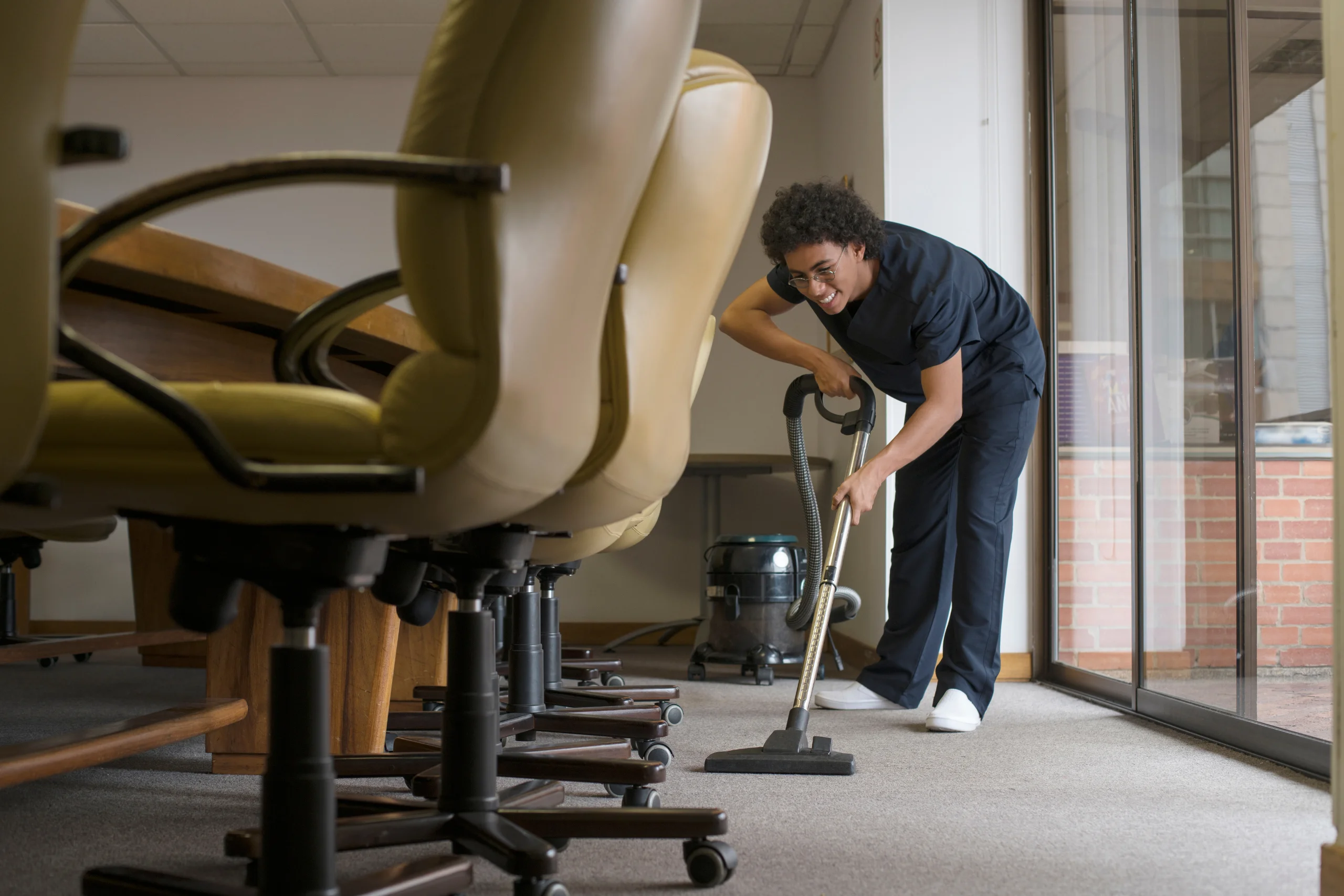
A lot of people wait until their office floor looks obviously dirty before doing anything about it. The trouble with that approach is that by the time you notice the mess, cleaning has already become a bigger task than it needed to be. For business owners and remote workers, that usually means maintenance gets postponed even longer because there is always something more urgent to do. Then what could have been a five-minute reset turns into a time-consuming cleanup.
A better system is to break floor care into small, repeatable actions. The point is not to create another complicated routine to manage. It is to make upkeep light enough that it becomes part of the normal rhythm of running the business. A quick pass with vacuum cleaners a few times a week, paired with occasional spot cleaning using the right floor cleaner, often does more good than one big deep-clean session every few weeks. Consistency is what keeps floors manageable.
Below is an example of a floor maintenance rhythm that works well for many home offices.
Table: Simple Cleaning Schedule for a Home Office
For most home-based professionals, a simple schedule works better than an ambitious one, especially when it breaks floor care into small tasks that fit naturally into the week.
| Frequency | Task | Purpose |
|---|---|---|
| Daily | Quick vacuum or sweep of visible debris | Keeps dust and crumbs from building up |
| 2–3 times per week | Clean under desk area and chair path | Targets the highest-use zone |
| Weekly | Full floor cleaning based on material | Resets the room and improves appearance |
| Monthly | Inspect corners, edges, mats, and hidden areas | Prevents neglected buildup |
| Quarterly | Deep clean carpet or detailed wash for hard floors | Maintains long-term condition |
How Clean Floors Support Focus, Comfort, and Work Flow
There is a reason tidy spaces often feel easier to work in. Physical surroundings influence mental state more than many people realize. When a home office floor is dusty, grimy, or visibly neglected, the room can feel heavier and more cluttered even when the desk itself is organized. That low-level friction can quietly chip away at concentration. A clean floor, on the other hand, helps the room feel fresher, calmer, and more functional.
There is also a practical side to this. Rolling chairs move better on maintained surfaces. Dust is less likely to collect around cords and under equipment. The room smells better. It becomes easier to transition into work mode when the workspace feels cared for. For home business owners, that sense of order matters because it supports consistency. You may not think of floor maintenance as a productivity strategy, but in practice, it helps create the kind of environment where focused work comes more naturally.
Managing Dust, Allergens, and Air Quality Starts at Floor Level
Floors are one of the main collection points for indoor debris. Dust settles there. Pet hair gathers there. Pollen gets tracked in and stays there. Over time, those particles do not necessarily stay put. They get disturbed by footsteps, airflow, and movement around the room. That is one reason an office can feel stale or irritating even when it looks acceptable at first glance. Floor maintenance is closely tied to how the air in the room feels over the course of a long workday.
This becomes even more important for anyone who deals with allergies, asthma, or sensitivity to dust. Regular cleaning can help reduce the cycle of particles settling, being disturbed, and recirculating. A combination of frequent debris removal, microfiber tools, and the right cleaning products can help keep the office more comfortable. In practical terms, that means the floor is not just a surface to keep looking nice. It is part of the foundation of a healthier workspace.
Table: Common Contaminants Found on Home Office Floors
Knowing what commonly collects on office floors can help you choose a cleaning routine that targets the real causes of dust, odor, and discomfort.
| Contaminant | Where It Comes From | Why It Matters |
|---|---|---|
| Dust | Air vents, furniture, daily activity | Can affect comfort and make the office feel neglected |
| Pet Hair and Dander | Dogs, cats, soft furnishings | Triggers allergies and collects quickly in corners and carpet |
| Pollen | Shoes, open doors, windows | Adds to allergy issues and indoor buildup |
| Tracked-In Dirt | Foot traffic, deliveries, outside shoes | Scratches floors and makes surfaces look dirty fast |
| Food Crumbs and Spills | Coffee, snacks, lunch breaks at desk | Attracts odors, stains, and sticky residue |

Handle Spills and Stains Quickly Before They Become Bigger Problems
A home office may not seem like a high-risk place for messes, but in reality, it is full of small accident opportunities. Coffee cups get knocked over. Rainwater gets tracked in. Ink marks happen. Snack crumbs collect under the desk. These are everyday problems, not unusual ones, and the biggest mistake is usually letting them sit too long. What starts as a minor inconvenience can become staining, lingering odor, or surface damage if it is ignored.
The best response is speed combined with the right method. Carpet usually needs blotting rather than rubbing. Hardwood needs minimal moisture. Tile and vinyl may tolerate more cleaning, but even there, a proper floor cleaner matched to the surface works better than guessing with random household products. Staying ready for minor messes helps preserve the appearance of the office and reduces the odds that a tiny issue turns into a major annoyance later.
Table: Quick Responses to Everyday Office Floor Problems
A fast response is often the difference between a temporary mess and a stain or maintenance issue that keeps drawing your attention later.
| Problem | Best Immediate Response |
|---|---|
| Coffee on carpet | Blot immediately, then use a gentle cleaner |
| Dust buildup under desk | Vacuum with edge attachment |
| Chair scuffs on hard floor | Clean gently and add a protective chair mat |
| Sticky residue on tile or vinyl | Wipe with a floor-safe cleaner and warm water |
| Mud or tracked-in dirt | Let it dry if needed, then vacuum or sweep before wiping |
Preventive Habits Save Time and Protect Your Flooring Investment
The easiest mess to clean is the one that never spreads in the first place. That is why preventive habits are such an important part of office floor care. Many people think of cleaning as reacting to dirt after it appears, but the most efficient strategy is reducing how much dirt, moisture, and wear your floors face each day. This not only saves time, it also protects the condition of the flooring over the long term.
Small habits can make a surprisingly large difference. A doormat at the office entrance catches debris before it gets tracked across the room. A no-shoes policy reduces dirt and moisture immediately. Chair mats protect surfaces from repeated rolling wear. Furniture pads prevent scratches. Keeping floor-level clutter under control makes routine cleaning faster and more thorough. None of these steps are complicated, but together they lower maintenance needs and help the office stay cleaner between full cleanings.
Table: Preventive Habits for Cleaner, Longer-Lasting Office Floors
Preventive habits reduce cleaning time because they stop much of the dirt and wear from spreading across the workspace in the first place.
| Preventive Habit | Why It Helps |
|---|---|
| Place a doormat at entry points | Captures dirt before it reaches the office floor |
| Use a no-shoes policy | Reduces dust, moisture, and outdoor debris |
| Add a chair mat | Protects flooring from wear and rolling damage |
| Use felt pads on furniture | Prevents scratches and scuffs |
| Declutter floor-level areas | Makes regular cleaning faster and more thorough |
| Clean spills immediately | Prevents stains, odors, and long-term damage |
Choose Tools That Make Routine Cleaning Easier, Not Harder
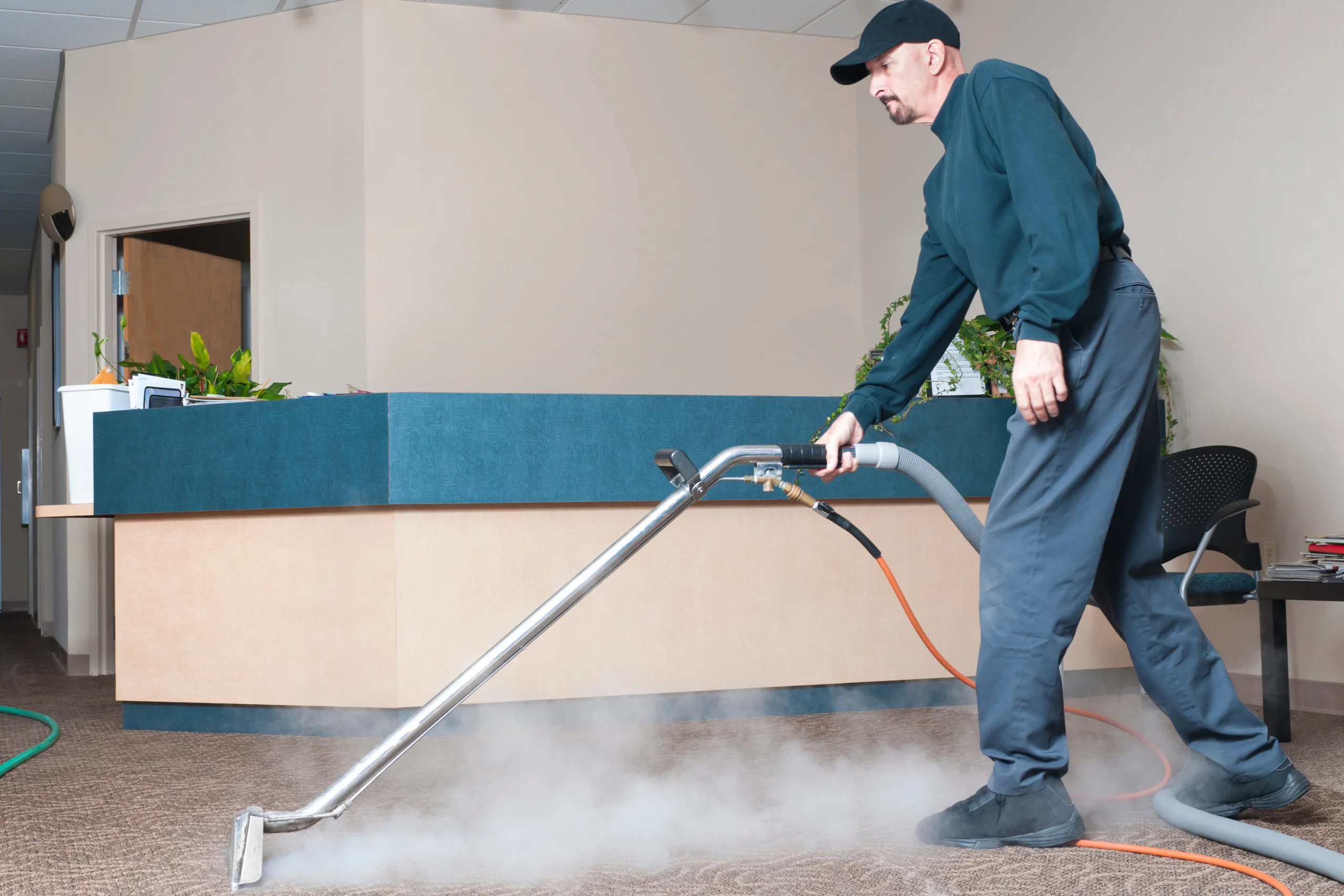
The right cleaning tools can turn floor care from a chore into a quick maintenance habit. The wrong tools tend to do the opposite. They make cleanup slower, less effective, and easy to put off. For busy entrepreneurs, convenience matters. The simpler it is to clean up dust, dirt, and minor spills, the more likely it is that the office actually stays in good condition week after week.
That is why many home-based professionals benefit from keeping their setup simple and practical. Dependable vacuum cleaners make it easier to remove dry debris quickly, especially in carpeted offices, rug-covered workspaces, or homes with pets. A good floor cleaner helps handle spills, residue, and routine surface care on hard floors without relying on overly harsh methods. Beyond that, microfiber tools, mats, and other low-effort aids can help reduce the overall cleaning burden. The goal is not to buy every gadget available. It is to have a few useful tools that help you maintain the workspace without disrupting the workday.
Table: Tools That Make Home Office Floor Care Easier
A few well-chosen cleaning tools can help keep a home office presentable without requiring a lot of time, effort, or storage space.
| Tool | Best Use |
|---|---|
| Vacuum cleaners | Removing dust, dirt, and pet hair quickly |
| Microfiber mop or cloth | Capturing fine dust on hard floors |
| Chair mat | Protecting high-wear zones under rolling chairs |
| Entry mat | Trapping dirt before it spreads |
| Spot cleaner or gentle floor solution | Handling small spills before they set |
| Robot vacuum | Maintaining daily baseline cleanliness |
Clean Floors Support Better Work Habits and a Better Business Environment
The value of clean flooring goes beyond cleanliness itself. It supports the larger habits that make a home business function well: consistency, readiness, order, and attention to detail. When the workspace feels maintained, it is easier to start the day with focus and less friction. When the office looks polished, it supports a more professional business presence. When the floor is cared for properly, it also lasts longer and requires fewer frustrating cleanup sessions.
That is really the bigger takeaway. Clean office floors are not just about making the room look nice. They help create a workspace that works with you rather than against you. For home-based business owners, a simple routine built around the right tools, the right cleaning methods, and a few preventive habits can make the office feel more comfortable, more efficient, and more business-ready every day.
Frequently Asked Questions
How often should I clean the floor in my home office?
That depends on the flooring type, how much traffic the room gets, and whether pets or children are regularly passing through the area. In most cases, a quick cleanup several times a week works well, with a more thorough cleaning once a week. Carpet usually benefits from more frequent vacuuming, while hard floors often need regular dust removal and occasional use of a proper floor cleaner. The key is consistency. Small, routine cleanings are much easier to maintain than waiting until the mess becomes obvious.
What type of flooring is best for a home office?
There is no universal best option, because the ideal flooring depends on your priorities. Hardwood and laminate can look polished and professional, but they need careful maintenance. Carpet is comfortable and can reduce noise, though it traps more dust and allergens. Tile and vinyl are often easier to clean and may work well in high-traffic home offices. The best flooring is usually the one that balances comfort, durability, appearance, and ease of care for the way you work.
Why do clean floors matter for productivity?
Clean floors help a room feel more organized, more intentional, and less distracting. Dirty or dusty floors can make the whole office feel neglected, even if everything else is in order. They can also affect comfort if allergens, pet hair, or stale odors start building up. A maintained workspace helps support focus, which is one reason floor care can have a real effect on how professional and functional a home office feels during the workday.
Are vacuum cleaners necessary in a home office?
For many home offices, yes. Vacuum cleaners are one of the fastest and most practical ways to manage dust, crumbs, dirt, and pet hair, especially in carpeted workspaces or rooms with area rugs. Even on hard floors, vacuuming can often be more effective than sweeping because it lifts fine particles rather than pushing them around. For busy home-based professionals, that speed makes it easier to stay consistent with cleaning.
What kind of floor cleaner should I use in an office?
Use a floor cleaner that matches the flooring material. Hardwood, laminate, tile, vinyl, and carpet all have different needs, and using the wrong product can do more harm than good. A floor cleaner should remove residue or spills without leaving the surface sticky, overly wet, or damaged. When in doubt, use the mildest effective option recommended for your flooring type and test it in a small area first.
