Northern California doesn’t just look beautiful—it can shape how a home business feels, reads, and sells. When you treat your surroundings as part of your story, your visuals become more authentic, your messaging becomes calmer, and trust builds faster. This article shows how to turn a place into a branding advantage while still keeping operations practical and growth sustainable.
Key takeaways
- Scenic surroundings can function like a “silent brand partner,” reinforcing calm, care, and quality before a customer ever contacts you.
- Lifestyle branding often starts at home—your routines and environment naturally shape tone, visuals, and values.
- Nature makes “show, don’t tell” easier: consistent light, textures, seasons, and real moments create recognizable content with less staging.
- Local identity helps you stand out online when it feels specific and natural (place cues, regional tone, grounded storytelling).
- Lifestyle-driven brands can earn trust faster because they feel human, consistent, and aligned with real life—not overly promotional.
- Relocation can refresh a brand when the new environment better matches the business’s values and customer expectations.
- To keep the “lifestyle feel” while growing, scale intentionally: systems, automation, outsourcing, and brand guidelines prevent drift.
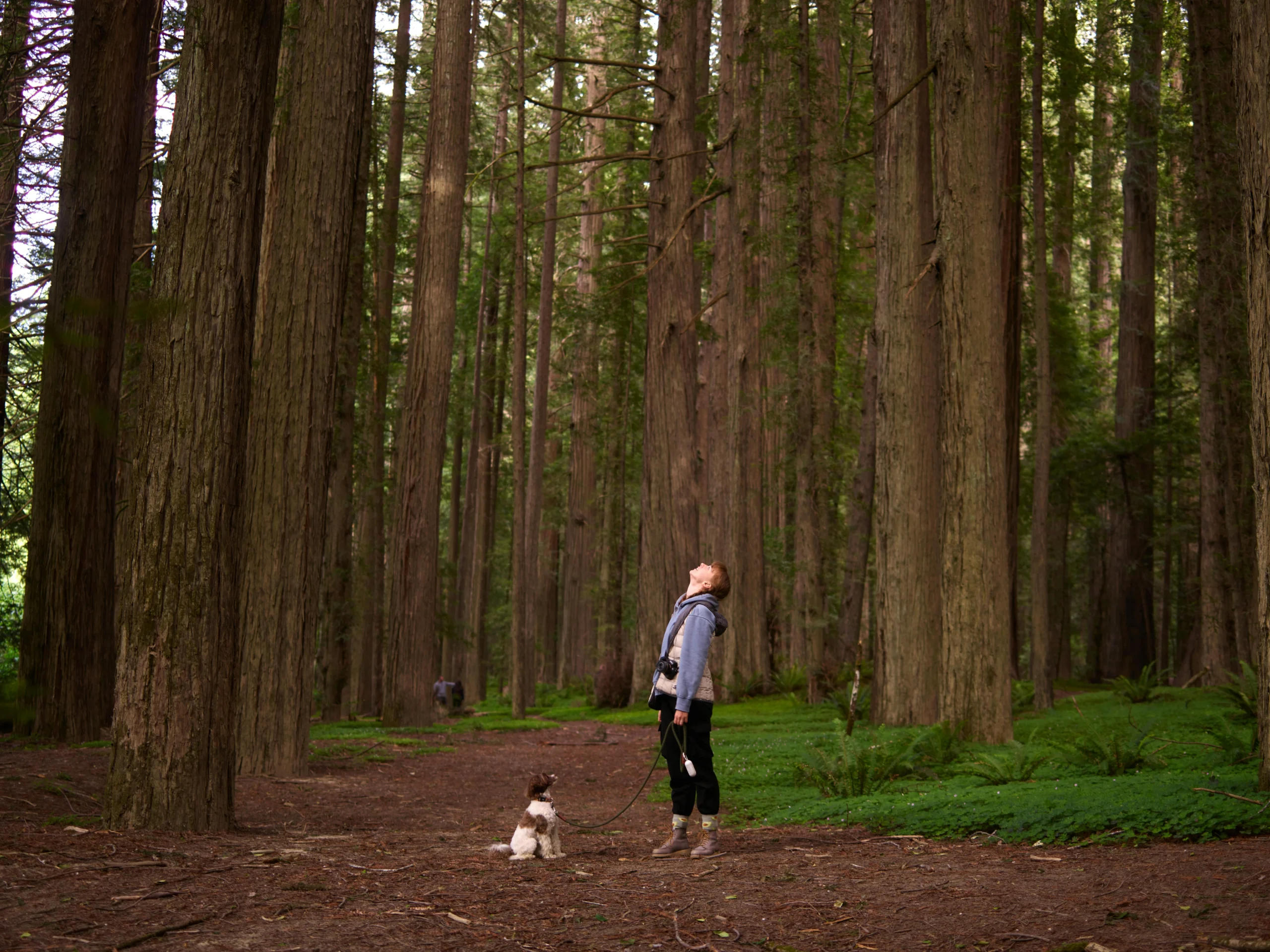
Northern California does more than look beautiful. It shapes how businesses feel and grow. For many entrepreneurs, scenic surroundings become part of the brand story. Views influence mood, trust, and buying decisions. This is especially true for Northern California home businesses with lifestyle appeal. From vineyards to redwood forests, location adds meaning. When used well, scenery becomes strategy. It turns everyday workspaces into powerful lifestyle brands that connect with modern customers.
Table of Contents

Scenic Living as a Business Advantage
Scenic living gives home businesses a clear edge. Natural surroundings influence how people see a brand. A peaceful view suggests balance, care, and quality. As a result, customers often feel more trust before the first interaction. In Northern California, landscapes become silent brand partners. They support storytelling without extra effort. Photos feel more authentic. Messaging feels calmer.
This advantage also helps pricing feel justified. When a business reflects its surroundings, it feels intentional. For Northern California home businesses with lifestyle appeal, scenic living is not decoration. Instead, it becomes a smart, everyday branding tool.
Table 1 — Scenery-to-Brand Assets Map
It’s easy to think of Northern California scenery as just “nice background,” but in branding, it can do real work for you. Certain settings naturally communicate emotions—calm, premium, grounded, adventurous—before you say a word. This table helps you translate the environment around you into repeatable brand cues and content ideas, so your visuals feel consistent and intentional (not random or overly staged).
| Northern CA setting cue | What it signals (brand cue) | Content you can create fast | What the buyer feels |
|---|---|---|---|
| Coastline / ocean air | clarity, freshness, freedom | “morning routine” Reel, coastal product flat-lay, “behind the scenes” walk-and-talk | calm + trust |
| Redwoods / forest trails | grounded, timeless, craftsmanship | process video with natural textures, “why we do it this way” post | quality + depth |
| Vineyards / rolling hills | premium, intentional living | lifestyle photoshoot, pairing/guide content, “weekend vibe” email | elevated + aspirational |
| Foggy mornings / soft light | mood, focus, minimalism | consistent “signature lighting” product shots, cozy desk setup stories | comfort + authenticity |
| Farmer’s markets / local makers | community, realness | vendor-day vlog, supplier spotlight, “made with…” story | transparency + connection |
| Mountains / outdoor adventure | resilience, independence | “pack/ship with me,” travel kit, founder story content | confidence + loyalty |
Lifestyle Branding Starts at Home
Home-based businesses carry a different energy. They feel real. They feel lived in. Daily surroundings quietly shape how owners communicate and show up online. A kitchen table office creates a softer tone than a downtown suite. Over time, routines blend into messaging, visuals, and values. Somewhere in that process, your visual identity becomes easier and more honest. The setting does part of the work.
Clients sense consistency without needing explanations. This matters for lifestyle home businesses, where scenery supports a slower, intentional way of working. The home is not hidden. Instead, it becomes part of the brand promise.
Turning Nature Into a Visual Story
Strong brands show, not explain. Scenic surroundings make that easier. Light changes through the day. Colors shift with the seasons. These details quietly shape visual content. A simple product photo feels richer near a window. Short videos gain depth without filters. Even casual behind-the-scenes posts feel thoughtful. Over time, the environment becomes familiar to the audience. It builds recognition through repetition, not force.
This approach keeps content relaxed and believable. Instead of staging perfection, businesses document real moments. Nature provides the structure. The brand simply follows along. That honesty keeps visuals engaging while staying effortless and consistent.
Table 2 — Lifestyle Brand Content Rhythm (Weekly Plan)
Lifestyle brands don’t win because they post more—they win because they post consistently in a way that feels real. Instead of reinventing your content every time, it helps to build a simple weekly rhythm you can repeat (and tweak seasonally). Use this table as an easy “content calendar starter” that keeps the scenic/lifestyle feel present while still guiding people toward your offers.
| Day / cadence | Post type | Simple prompt to follow | Scenic element to include | CTA that fits the vibe |
|---|---|---|---|---|
| 1×/week | “Real life” short video | “Here’s what a normal day looks like behind the brand.” | window light / walk / nature sound | “Join the list for updates.” |
| 1×/week | Product/process post | “One detail we never skip…” | natural textures / seasons | “See the collection.” |
| 1×/week | Founder values post | “What we’re building—and why it’s slower on purpose.” | home workspace + view | “Reply with what you’re working on.” |
| 2×/week | Story / BTS | “Packing, prepping, creating—no filters.” | natural light / candid moments | “DM for recommendations.” |
| 1×/week | Community/local post | “A local place that inspires our work…” | place cue (market, trail) | “Save this / share it.” |
| 2×/month | Long-form (blog/email) | “How to…” or “Why…” tied to lifestyle | seasonal theme | “Get the guide.” |
Using Local Identity to Stand Out Online
Online spaces feel crowded. Local identity helps cut through the noise. Small details make a difference. Place names, familiar scenery, and regional tone add clarity. Visitors understand where a business belongs within seconds. That sense of place builds comfort. It also improves search visibility when done with care.
In many cases, a localized marketing strategy works best when it feels natural, not forced. Content should reflect real surroundings and daily life. Connection comes first, sales second. With time, the brand feels grounded. It stands out by being specific, not louder than everyone else.
Table 3 — Local Identity Signals: Do/Don’t (So It Doesn’t Feel Forced)
Local identity can be a competitive advantage online—but only when it feels authentic. The line between “rooted and real” and “trying too hard” is surprisingly thin. This table gives you quick do/don’t guidance so you can use Northern California cues in a way that builds trust and memorability, without sliding into travel-brochure vibes or keyword-stuffed marketing.
| Do this | Why it works | Don’t do this | Why it backfires |
|---|---|---|---|
| Use specific place cues (redwoods, coastline mornings, wine country pace) | feels real + memorable | Stuff “Northern California” into every sentence | reads like SEO bait |
| Show real routines tied to place | lifestyle feels lived-in | Use stock “lifestyle” images | breaks trust |
| Mention local collaborations subtly | adds credibility | Pretend you’re “local” to everywhere | loses identity |
| Use seasonal patterns (fog season, harvest, rainy months) | gives repeatable themes | Over-romanticize constantly | feels performative |
| Write like you’re speaking to a neighbor | builds comfort | Write like a travel brochure | feels salesy |
Why Buyers Trust Lifestyle-Driven Brands More
Trust often forms before a sale begins. Lifestyle-focused brands create that trust quietly. They feel open and consistent. Customers see how the business fits into real life. There is less pressure and more clarity. Visual cues suggest care, balance, and intention. These signals reduce doubt. They also shorten decision time. People feel safer buying from brands that seem human.
When a business shares its pace and values, it invites alignment. That connection feels personal, not promotional. This trust leads to repeat buyers. It also encourages word-of-mouth. The brand grows through relationships, not constant persuasion.
When Relocating a Business Strengthens the Brand
Relocation can be more than a logistical move. It can reset how a brand is perceived. A new environment often brings clarity and renewed focus. Growth often begins by choosing space over speed. So, during planning, choosing the best location for moving a business becomes a creative decision, not just a practical one. Surroundings influence energy, workflow, and communication style. Customers notice these shifts. The brand feels refreshed without rebranding.
Relocation also opens access to new communities and partnerships. When the setting aligns with values, the business feels settled. That stability supports long-term storytelling and stronger connections.

(Photo by Tina Witherspoon on Unsplash)
Balancing Inspiration With Daily Operations
Beautiful surroundings inspire creativity, but operations still matter. A strong business needs a structure to support the vision. Internet access, deliveries, and zoning rules shape daily routines. These details can either support growth or slow it down. Planning helps prevent friction later. Many Northern California home businesses with lifestyle appeal succeed by setting clear boundaries between work and home life. They protect focus without losing flexibility.
Systems keep things running smoothly when inspiration fluctuates. With the right setup, creativity and consistency work together. The scenery motivates the work. Practical choices keep it sustainable, predictable, and ready to grow over time.
Scaling Without Losing the Lifestyle Feel
Growth brings excitement. It also brings pressure. Systems expand, and expectations rise. The challenge is keeping the original feel intact. Many owners pause before adding more clients or products. They want growth to feel intentional. In that moment, learning to scale strategically protects both energy and identity.
Small adjustments work best. For instance, automating simple tasks saves time, while outsourcing frees creative focus. Clear brand guidelines prevent drift. Growth does not need to be fast to be effective. When expansion follows values, the brand stays familiar. Customers still recognize it. The business grows, yet the lifestyle it represents remains calm, human, and sustainable.
Table 4 — Scale Without Losing the Lifestyle Feel
Most lifestyle brands don’t lose their magic because they grow—they lose it because growth forces them into rushed decisions and inconsistent execution. The goal is to scale the business while protecting the parts customers actually love: the voice, the pace, the visuals, and the personal feel. This table breaks down what to keep founder-led, what to automate, and what to outsource so you can grow without the brand starting to feel generic.
| Business area | Keep founder-led (protect the feel) | Automate (save time) | Outsource (scale safely) |
|---|---|---|---|
| Brand voice + storytelling | founder POV, captions, core messaging | content scheduling | copy edits, repurposing |
| Visual style | final aesthetic choices | presets/templates | basic editing, formatting |
| Customer experience | “tone” of replies, key moments | canned FAQs, routing | inbox support, order status replies |
| Fulfillment | quality check + packaging “signature” | shipping labels, tracking emails | pick/pack help, prep work |
| Admin | decisions + priorities | invoicing, bookkeeping workflows | bookkeeping, VA tasks |
| Growth | partnerships, creative direction | lead capture sequences | SEO support, tech implementation |
The Future of Place-Based Home Businesses
Place-based businesses are gaining momentum. Remote work changed expectations. Customers now value meaning, not just convenience. Brands rooted in real environments feel refreshing. They offer contrast to fast, generic online experiences. This shift rewards businesses that show how and where they work. Sustainability also plays a role. People notice thoughtful choices tied to location.
As tools improve, small businesses can reach wide audiences without leaving home. That balance feels powerful. The future favors brands that stay grounded while staying visible. When a place remains part of the story, businesses feel stable, relatable, and ready to adapt without losing their core identity.
When the View Becomes the Message
Scenic surroundings can shape more than mood. They shape meaning. When used with intention, place becomes part of the promise. For Northern California home businesses with lifestyle appeal, the view is not extra. It is integrated, authentic, and powerful. Branding grows naturally when environment and values move together.
FAQ
How do you turn your location into a brand asset (without it feeling forced)?
Start by treating your location like a supporting character, not the whole plot. Use it to reinforce what you already stand for—calm, craft, wellness, quality, sustainability, or simplicity. Then build a repeatable content rhythm: the same window light, the same outdoor walk-and-talk clip, the same “behind the scenes” angle that includes subtle place cues. Over time, your audience begins to recognize your environment the way they recognize a logo. The key is consistency and honesty—document real moments instead of staging a perfect lifestyle. That’s how place becomes familiar, believable, and brand-building (instead of looking like a tourism ad).
Why do lifestyle-driven home businesses build trust faster?
Because customers can “feel” the business before they buy. Lifestyle brands show how the work fits into real life—pace, values, daily habits, and the environment behind the scenes. Those cues reduce uncertainty. People aren’t just evaluating the product; they’re evaluating the experience they expect from you: your care, your consistency, your attention to detail. When your visuals and voice match (and your setting supports that message), it creates a quiet confidence that shortens decision time and encourages repeat purchases. Trust grows through alignment—customers feel like they know what you’re about, even before the first call or checkout.
How can a small business use “local identity” to stand out online?
Local identity works best when it’s specific and natural. Mention place in ways that reflect real life: regional language, familiar scenery, seasonal patterns, and community references that only locals (or fans of the region) would recognize. This helps visitors understand where you belong within seconds, which builds comfort and differentiation. It can also support search visibility when your content reflects genuine surroundings and context rather than keyword-stuffed location pages. Think “grounded signals,” not “forced SEO.” If your brand is rooted in real environment and daily life, your online presence becomes more memorable—because it’s not generic.
What are the practical challenges of running a lifestyle home business in a scenic area?
The view is inspiring—but operations still have to work. Common friction points include reliable internet, deliveries and shipping logistics, zoning or permitting, workspace boundaries (home vs work), and maintaining consistency when inspiration comes and goes. The businesses that thrive build simple systems that protect focus: set working hours, create order for tasks, standardize fulfillment, and plan content so you’re not dependent on the “perfect” day or mood. In other words, the scenery can support the brand, but the systems protect the business. When you balance both, you stay creative and sustainable.
How do you scale without losing the calm “lifestyle” vibe that customers love?
Scale in ways that preserve what customers already recognize. The safest path is to automate or outsource the parts that don’t require your personal creative touch (admin tasks, scheduling, basic edits, customer support templates), while protecting the elements that define your brand voice and visual feel. Brand guidelines help prevent drift as you add helpers: define your tone, photo style, pacing, and “what we never do” (like pushy sales language). Growth doesn’t have to be fast to be real—intentional scaling keeps the business profitable while still feeling human, calm, and consistent to your audience.