Flipping houses no longer requires boots on the ground or endless site visits. With today’s proptech tools, you can research, buy, renovate, and sell properties from the comfort of your home office. This guide breaks down how to start remote house flipping —from setting up your digital workspace to managing renovations and maximizing ROI—so you can run a profitable real estate business without ever leaving your desk.
Flipping houses has always been a boots-on-the-ground business. You’d visit properties, talk with contractors, and negotiate deals in person. But what if you could do it all—from scouting opportunities to managing renovations—without ever leaving your home office? Thanks to digital tools, virtual marketplaces, and a growing number of reliable service platforms, remote house flipping is not only possible but profitable.
In this comprehensive guide, we’ll walk through how to start flipping homes remotely, the tools that make it work, the process from start to sale, and how to optimize your ROI—all while staying firmly planted at home.
Key Takeaways
- Remote house flipping is here to stay. Virtual marketplaces and property data tools now let investors research, buy, and sell properties from anywhere.
- Digital tools power efficiency. Platforms like PropStream, Buildertrend, and QuickBooks help manage deals, budgets, and contractors remotely.
- Local partnerships matter. Even with remote operations, having trusted on-the-ground agents, contractors, and inspectors ensures project success.
- Video and smart-tech monitoring reduce risk. Smart locks, cameras, and virtual walkthroughs keep you updated without physical visits.
- Data-driven investing increases ROI. Focus on properties below market value, quick cosmetic updates, and strong local demand.
- The flipping market remains strong. Despite slight dips, the average U.S. home flip still earns about $65,000 gross profit with ~25% ROI.
- Avoid common pitfalls. Verify inspections, estimate costs realistically, and don’t over-renovate beyond the neighborhood’s value range.
Table of Contents
Why Remote House Flipping Works Now
According to ATTOM Data Solutions, 78,621 single-family homes and condos were flipped in Q2 2025, accounting for 7.4% of all home sales between April and June. While that’s a slight dip from earlier in the year, it shows that house flipping remains a robust investment avenue.
Even more interesting? The average gross profit per flip was $65,300, with an ROI of 25.1%, according to The Motley Fool. That’s lower than the 30% returns seen in 2024, but investors are adapting—many by leveraging remote management to reduce travel costs and overhead.
The key advantage? Flexibility. When you can manage projects online, you can evaluate properties across multiple states, hire the best contractors for your budget, and oversee progress through digital updates. It’s a way to scale without burnout.

Setting Up Your Remote Flipping System
1. Establish Your Digital Workspace
First things first: set up your virtual office. You’ll need a combination of cloud-based and communication tools to coordinate with agents, inspectors, and contractors.
Core tools to start with:
- Google Workspace or Microsoft 365 – for contracts, budgets, and file sharing.
- Zoom or Microsoft Teams – for walkthroughs and progress meetings.
- Slack or Trello – to manage projects and assign tasks.
- DocuSign – for remote signatures on contracts and closing paperwork.
A well-organized system means you can flip homes in Texas while sitting in your living room in New Jersey.
2. Build a Local Partner Network
Even if you’re working remotely, you’ll need local experts on the ground. Think of them as your eyes and hands in the field.
Key players include:
- Real estate agents (to identify undervalued properties)
- Contractors and handymen (for renovation work)
- Property inspectors (to assess value and repair needs)
- Property managers (if you decide to hold rather than sell)
Use platforms like Thumbtack, Angi, or HomeAdvisor to find and vet professionals. Ask for project portfolios, references, and photos of previous work before hiring.
Finding the Right Properties to Flip
You don’t have to walk neighborhoods anymore. Tools like PropStream, DealMachine, and Roofstock let you analyze potential deals remotely.
Look for properties that meet these criteria:
- Listed below market value (foreclosures, estate sales, or short sales)
- Located in areas with strong buyer demand and low days-on-market
- Require cosmetic, not structural, updates
Data-driven investing beats gut feeling. For instance, the Harvard Joint Center for Housing Studies reports that U.S. residential remodeling and repair spending remains above $600 billion annually—meaning buyers value well-renovated homes.
If you plan to sell fast, study cash buyer behaviors. This guide to selling for cash outlines how these investors operate—and how you can structure deals that appeal to them.
Managing Renovations Remotely
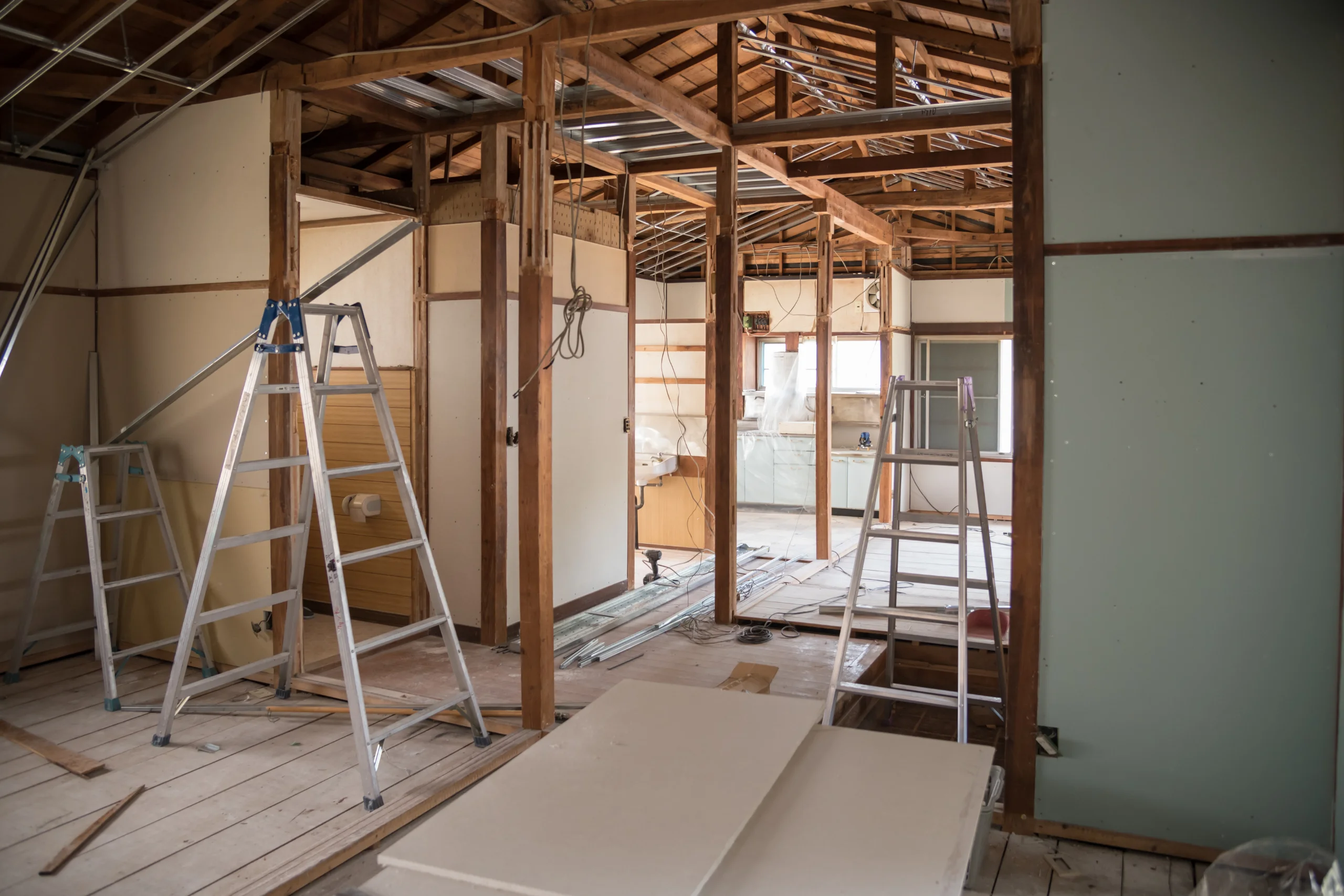
Once you’ve secured a property and finalized your budget, the real work begins — managing the renovation. Doing it remotely might sound daunting at first, but with the right systems and communication tools, it’s surprisingly efficient. Today’s technology makes it possible to oversee every stage of a remodel — from demo day to the final coat of paint — without ever setting foot on-site.
The key is visibility and trust: working with reliable contractors, setting up consistent progress updates, and using smart devices that let you check in whenever you need. Here’s how to keep your projects on track, on budget, and stress-free — no travel required.
Video Walkthroughs and Progress Reports
Today’s contractors often offer virtual updates via FaceTime or WhatsApp video calls. Ask for weekly walkthroughs and photo documentation. You can even request drone footage for exterior inspections.
Using Smart Home Tech for Oversight
Install smart locks, cameras, and thermostats (like Google Nest) so you can monitor progress without being there. These devices also add value for future buyers.
Color and Design Choices
Want to stay on trend? According to Dulux’s 2026 paint color trends, earthy neutrals, muted greens, and warm terracottas will dominate. Choosing future-forward finishes keeps your property looking fresh longer and helps appeal to buyers planning for next year’s styles.
Once you’ve secured a property and finalized your budget, the real work begins — managing the renovation. Doing it remotely might sound daunting at first, but with the right systems and communication tools, it’s surprisingly efficient. Today’s technology makes it possible to oversee every stage of a remodel — from demo day to the final coat of paint — without ever setting foot on-site. The key is visibility and trust: working with reliable contractors, setting up consistent progress updates, and using smart devices that let you check in whenever you need.
Let’s break down how to stay in control of your renovation from miles away — while keeping quality, budget, and timelines firmly on track.
The Remote Flipper’s Process Checklist
Managing a house flip remotely might sound like juggling a dozen moving parts, but with the right workflow, it becomes a well-oiled system. Think of it as a four-step playbook: research, plan, oversee, and sell. Each stage builds on the last, ensuring you stay organized, profitable, and in full control — even from hundreds of miles away. Here’s a practical checklist you can follow to streamline your remote flipping process from start to finish.
Step 1: Research and Acquisition
The foundation of every successful flip starts with the right property. Use trusted property data platforms like PropStream or DealMachine to scout undervalued homes in promising neighborhoods. Analyze ROI, estimate repair costs, and study comparable sales to ensure the numbers make sense before you buy. Then, partner with a local real estate agent or inspector who can provide eyes on the ground and flag potential deal-breakers early.
Action Steps:
- Use property data platforms to find undervalued listings.
- Analyze potential ROI and repair costs.
- Partner with a local agent for offers and inspections.
Step 2: Planning and Budgeting
Before a single hammer swings, build a realistic financial plan. Create a shared spreadsheet or project dashboard to track every expense, from materials to permits. Always include a buffer fund (10–15%) for surprise repairs — because there’s always something unexpected. Break your project into phases — demolition, repair, design, and finishing — to keep your timeline structured and transparent. A solid plan now saves you from stress later.
Action Steps:
- Create a shared spreadsheet for all costs.
- Include buffer funds for unexpected repairs.
- Schedule work phases: demo, repair, design, finish.

Step 3: Renovation Oversight
Overseeing renovations remotely is all about structure and communication. Set expectations with contractors from day one: weekly photo or video updates, milestone-based payments, and clear deliverables. Use digital tools like Trello, Asana, or Buildertrend to manage progress and upload invoices or permits in one place. Paying by milestones instead of hours helps ensure quality and accountability while keeping costs predictable.
Action Steps:
- Require weekly visual updates from contractors.
- Pay by milestones, not by time.
- Track permits and invoices digitally.
Step 4: Marketing and Sale
Once the property shines, it’s time to sell — efficiently and remotely. Invest in professional photography and virtual staging to make listings stand out online. Partner with a local agent to list on the MLS and coordinate showings through smart lockboxes, so buyers can view safely and conveniently. Combine data-driven pricing with your agent’s local insights to sell quickly and maximize returns.
Action Steps:
- Use professional photos and virtual staging.
- List with local MLS access via your agent.
- Coordinate showings remotely through lockboxes.
The beauty of remote flipping lies in its scalability. Once you’ve refined your process — from digital research to remote selling — you can replicate it across multiple markets without adding travel costs or complexity. The secret is consistency: a reliable system, strong local partners, and smart use of technology. Master these four steps, and you’ll turn remote real estate flipping into a repeatable, profitable business model that runs from wherever you call home.
Understanding ROI and Profit Margins
In 2025, the average flip made about $65,000 in gross profit, but margins vary widely. Factors that affect ROI include:
- Purchase price vs. ARV (After-Repair Value) – Always buy under 70% of ARV minus repairs.
- Holding costs – Taxes, insurance, utilities, and financing.
- Contractor management – Remote oversight can lower or increase costs depending on efficiency.
To improve your ROI:
- Focus on quick cosmetic updates.
- Reuse materials when possible.
- Hire experienced crews familiar with remote communication.
And always review local market reports from sources like Global Market Insights Inc., which projects the home remodeling market to hit $812.8 billion by 2034. That’s a strong indicator of long-term demand.

Tech Tools for Smarter Investing
Technology has completely transformed how investors find, manage, and profit from real estate deals. What once took weeks of in-person research and endless paperwork can now be done in hours with the right apps and platforms. From analyzing properties and managing contractors to tracking every expense, today’s tech tools make remote flipping faster, smarter, and far more efficient. Whether you’re managing one property or scaling your portfolio nationwide, these tools help you work like a seasoned investor — even from your living room.
Property Analysis
- PropStream: For ARV, comps, and foreclosure data.
- Reonomy: To research ownership and zoning.
- Zillow Research: For market trend data.
Contractor Coordination
- Buildertrend: Manage bids, schedules, and updates.
- CoConstruct: Keep budgets and communications in sync.
Financial Management
- QuickBooks Online or Stessa: Track every expense.
- Google Sheets: For shared renovation budgets.
Technology has completely transformed how investors find, manage, and profit from real estate deals. What once took weeks of in-person research and endless paperwork can now be done in hours with the right apps and platforms. From analyzing properties and managing contractors to tracking every expense, today’s tech tools make remote flipping faster, smarter, and far more efficient. Whether you’re managing one property or scaling your portfolio nationwide, these tools help you work like a seasoned investor — even from your living room.
Together, these platforms act as your virtual real estate team — analyzing opportunities, keeping projects organized, and giving you the insights you need to make confident investment decisions, no matter where you are.
Market Insights: Why Flipping Still Makes Sense
The National Association of Realtors notes that 46% of buyers are now less willing to compromise on home condition. That’s great news for flippers offering renovated properties.
And with over $603 billion spent on home remodeling in 2024 alone, the appetite for refreshed homes is far from slowing. Combine that with lower housing inventory and continued buyer demand, and remote flippers are well-positioned to thrive.
Common Mistakes to Avoid
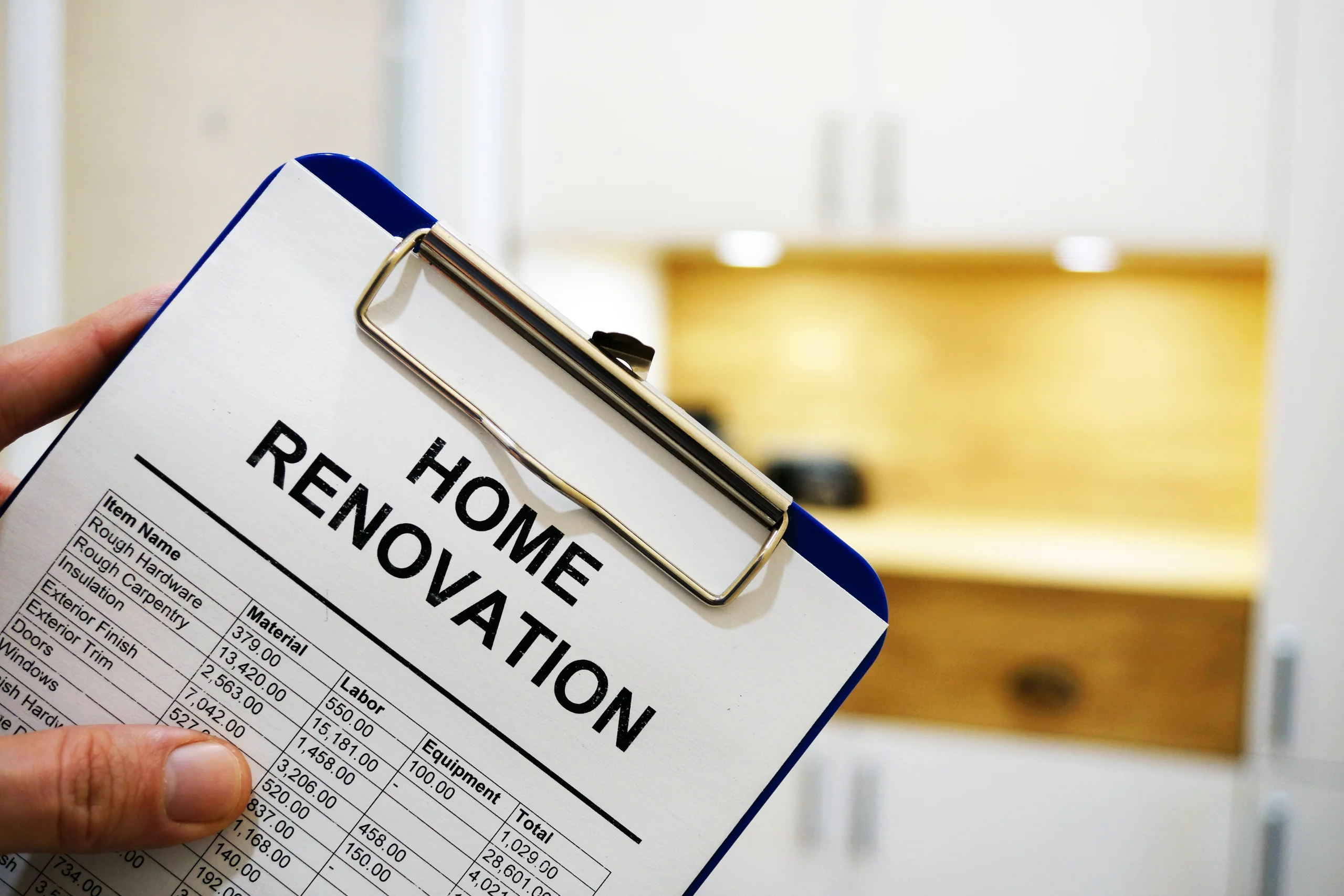
Even with the best tools and a solid plan, remote house flipping can go sideways if you overlook the basics. Many first-time investors lose money not because the deal was bad, but because they skipped simple due diligence steps or over-improved a property. The good news? Most of these pitfalls are completely avoidable once you know what to watch out for. Here are some of the most common mistakes that can eat into your profits — and how to stay one step ahead.
- Skipping on-site verification: Always get an independent inspector.
- Underestimating repair costs: Get multiple contractor quotes.
- Ignoring local regulations: Each state has different flipping rules.
- Over-renovating: You’re selling, not custom-building.
Remember—less can be more. Focus on updates that offer high returns, such as kitchen refreshes and curb appeal improvements.
Avoiding these common errors when embarking on remote house flipping not only protects your bottom line but also sets the stage for smoother, more profitable flips—making your next project easier, faster, and more rewarding.
Conclusion: Flipping Homes Without Leaving Yours
Remote house flipping merges the best of real estate investing with digital convenience. You can scout deals across the country, manage renovations through cloud platforms, and track profits—all without boarding a plane or driving across town.
As the remodeling market expands and new proptech tools emerge, the opportunities to grow a flipping business from home are only getting better. Whether you’re a seasoned investor or just starting out, this is your moment to turn remote strategy into real estate profit.
FAQs
Is it really possible to flip houses remotely?
Yes, and it’s becoming increasingly common. Thanks to digital platforms like PropStream, Roofstock, and DealMachine, investors can analyze deals, hire local contractors, and manage renovations through cloud-based systems. With tools like Zoom, Trello, and DocuSign, the entire process—from property scouting to closing—can be done online. The key is building a reliable local team and using project-tracking software to maintain oversight.
What are the main challenges of remote house flipping?
The biggest challenges of remote house flipping include verifying property conditions, managing contractors from afar, and navigating local regulations. You can overcome these by hiring trusted local partners, scheduling regular video walkthroughs, and confirming all work with photos or drone footage. Always use licensed professionals and budget for contingencies—remote flipping works best when you plan for the unexpected.
How much money do you need to start flipping homes from home?
Startup costs vary depending on the market and financing strategy. Some investors start with $25,000–$50,000 for down payments and renovations, while others use partnerships or hard-money loans. Focus on buying properties under 70% of their after-repair value (ARV) to ensure profitability. Remember to include holding costs—taxes, insurance, and utilities—when calculating total investment.
What are the best tools for remote property management and renovation?
Top tools include:
– PropStream for deal analysis and comps.
– Buildertrend or CoConstruct for contractor communication and budgeting.
– QuickBooks Online or Stessa for financial tracking.
– Loom, Zoom, and Slack for async updates and collaboration.
These tools make remote coordination smooth while reducing delays and miscommunication.
How can I increase ROI when flipping remotely?
Prioritize efficiency. Target undervalued properties that need cosmetic—not structural—repairs. Reuse materials when possible, and avoid over-customization. Using local market data from sources like ATTOM or The Motley Fool helps you price flips realistically. Managing remotely also saves on travel costs, which directly boosts your bottom line.