

Access to timely funding is important for the growth and smooth functioning of any business. Whether you want to buy new equipment, manage day-to-day expenses, or expand your business, taking a business loan can be a smart choice. However, one of the key concerns for borrowers is the interest rate on the loan, as it directly impacts the overall cost of borrowing. In this article, we’ll explain simple and useful steps that can help you get a business loan at an affordable interest rate.
Table of Contents
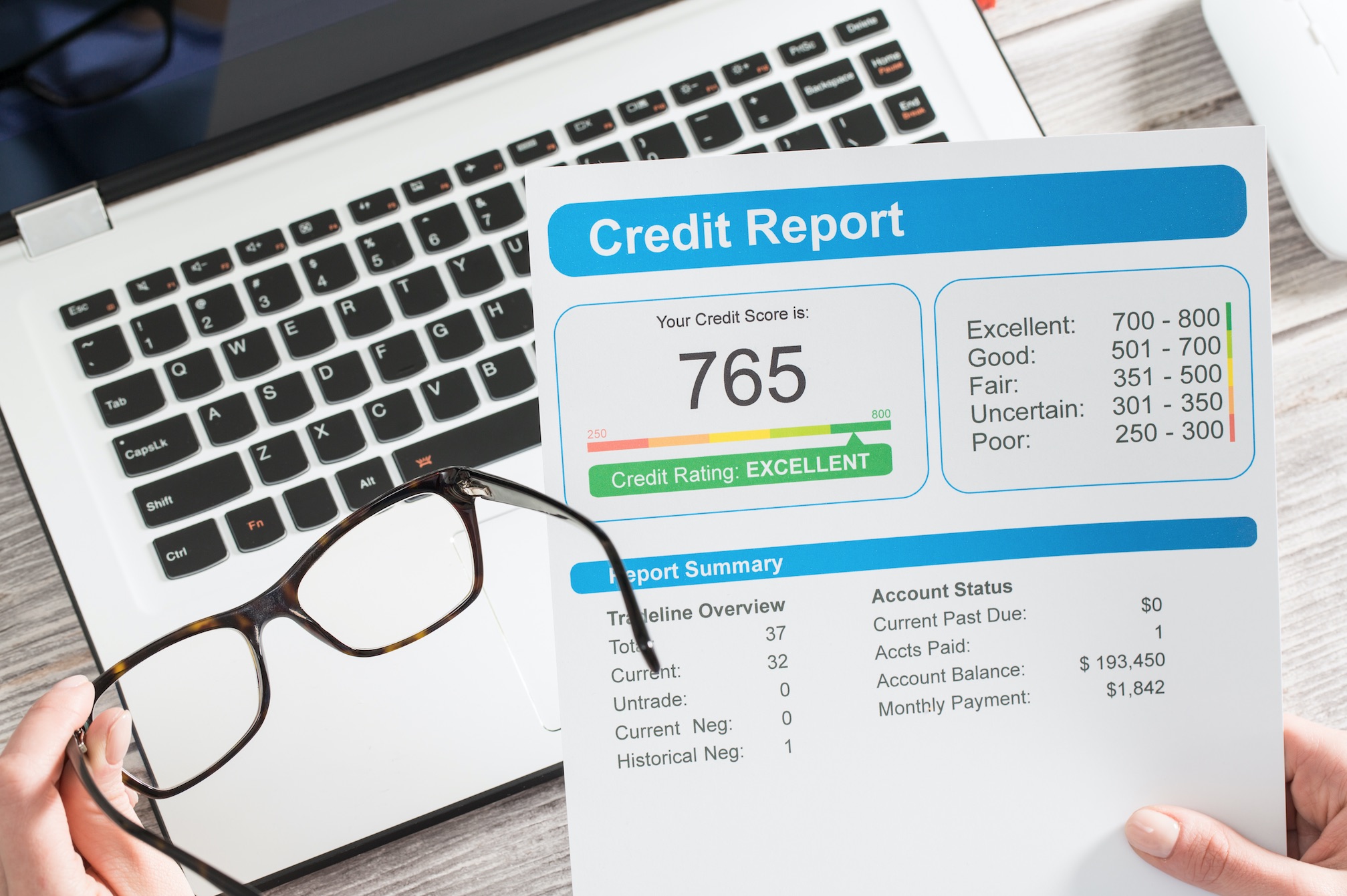
1. Maintain a Strong Credit Profile
A strong credit profile indicates responsible borrowing and repayment behaviour, lowering the lender’s risk.
Tips to maintain a healthy credit score:
- Pay EMIs and credit card bills on time
- Avoid defaults or cheque bounces
- Keep credit utilisation low
- Check credit reports regularly for discrepancies
For business loans, a credit score above 750 is generally considered favourable and can lead to lower interest rates.
2. Showcase Financial Stability
Lenders want to be assured of the business’s financial strength and cash flow consistency. If your business demonstrates stable revenue, profits, and efficient expense management, you are likely to get an affordable business loan interest rate.
Key financial documents to keep in order:
- Audited financial statements (profit & loss, balance sheet)
- Income Tax Returns (ITRs) for at least 2–3 years
- Bank statements reflecting regular inflows
- GST returns (if applicable)
The stronger your financial records, the more confidence the lender will have in your repayment capacity.

3. Opt for a Shorter Loan Tenure
Loan tenure affects the interest rate significantly. While longer tenures reduce the monthly EMI burden, they often come with higher total interest costs over time. If you can manage slightly higher EMIs, choosing a shorter tenure can help you get suitable interest rates and save on interest payments.
Use a business loan EMI calculator to evaluate what tenure works best for your budget and goals.
4. Compare Offers from Multiple Lenders
Different lenders have different risk appetites, policies, and borrower profiles they prefer. Comparing interest rates, processing fees, prepayment charges, and other terms from banks, NBFCs, and digital lenders allows you to find the most affordable offer for your business.
Look out for:
- Seasonal or festive loan offers
- Pre-approved loans with special rates
- Tie-ups with government schemes offering subsidised interest
Online loan marketplaces can simplify this comparison process by showing multiple options based on your business details.
5. Strengthen Your Business Plan
When applying for a business loan, especially for expansion or new projects, a clear business plan adds to your credibility. Lenders want to see:
- Revenue projections
- Growth strategy
- Break-even timeline
- ROI (return on investment) expectations
A well-drafted business plan can support your loan application and improve your chances of negotiating a lower rate.

6. Offer Collateral if Possible
Business loans can be secured or unsecured. Secured loans, where you provide collateral like property, equipment, or inventory, usually come with lower interest rates due to reduced risk to the lender.
If your business has valuable assets, consider opting for a secured business loan. Even partially securing the loan can sometimes help negotiate better terms.
7. Maintain Good Relationships with Your Bank
If you have an existing relationship with a bank, through a current account, term deposits, or a past loan, there’s a higher chance of getting a loan at a lower interest rate. Loyal customers with a strong banking track record often receive preferential rates and quicker approvals.
Check if your bank offers pre-approved business loan offers based on your transaction history or creditworthiness.
8. Avoid Frequent Loan Applications
Every time you apply for a loan, lenders make a hard enquiry about your credit report, which may slightly reduce your credit score. Multiple applications within a short span of time may also signal financial instability, affecting the loan terms.
Instead, check for soft-check or pre-approved loan offers, and apply only after carefully evaluating the most suitable option.
Conclusion
Finding a business loan at an affordable interest rate isn’t just about selecting the right lender; it also requires presenting a strong case for your business’s financial health and repayment capacity. By maintaining a good credit score, demonstrating financial discipline, and comparing offers carefully, you can reduce borrowing costs. With proper planning, such options can help your business secure the funds it needs at a manageable cost.
