
Key Takeaways
- A properly written check includes the date, payee, numeric and written amounts, memo, and signature.
- Avoid mistakes like misspelled names, blank fields, or pencil writing.
- Use checks for transactions where digital payment isn’t practical.
- Keep a record of every check to maintain control over your finances.
- Secure your checks and monitor your bank account to avoid fraud.
In an increasingly digital world, writing a check might seem like a lost art. However, checks are still widely used for paying rent, sending money by mail, settling business transactions, and even issuing payments where digital options aren’t feasible. Whether you’re a small business owner issuing payments or an individual managing personal finances, knowing how to properly write a check is an essential skill that ensures your money reaches the right hands securely.
This guide will walk you through how to write a check step-by-step, highlight common mistakes to avoid, and answer frequently asked questions so you can write checks with confidence.
Table of Contents
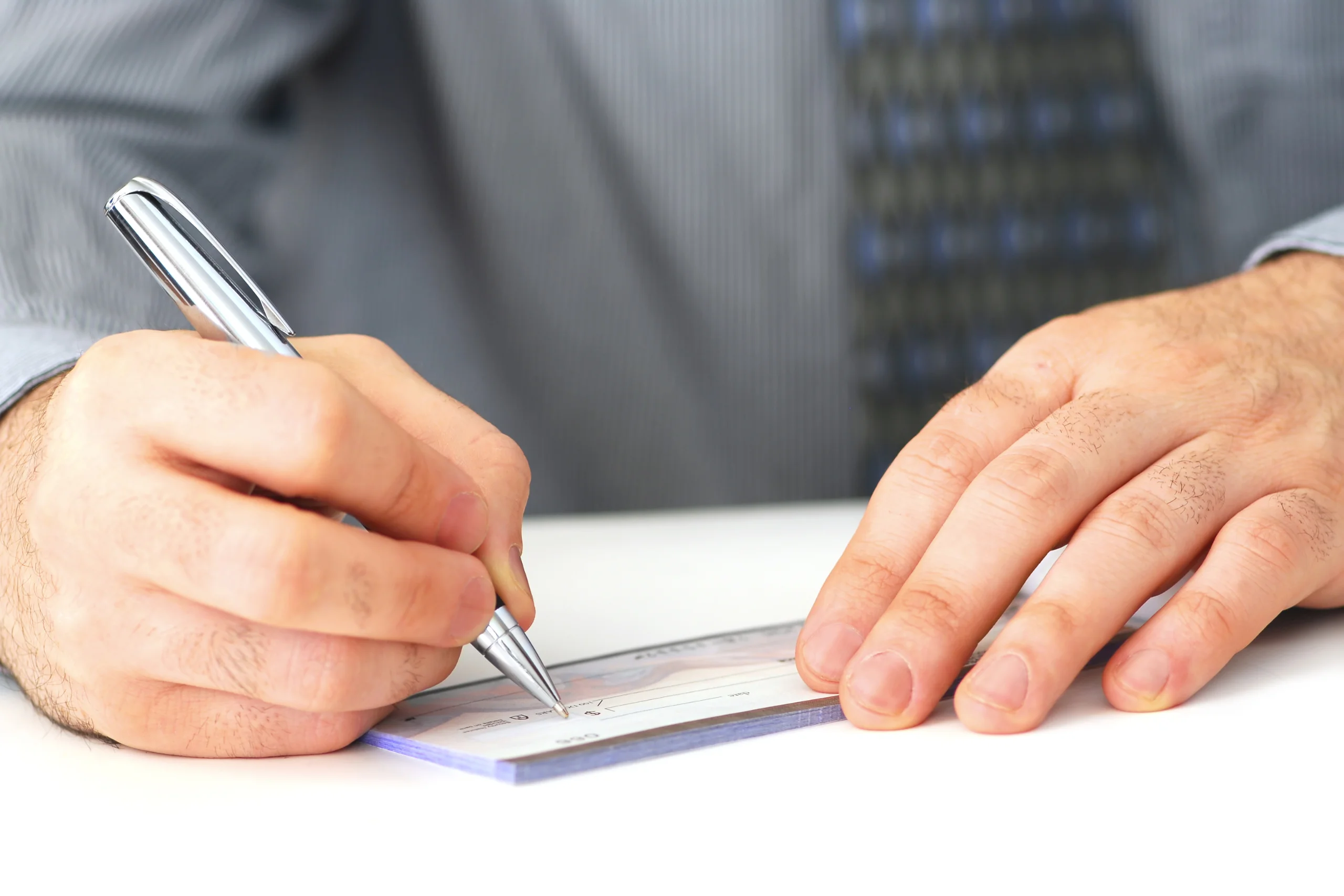
What You’ll Need Before Writing a Check
Before you get started, have the following on hand:
- A checkbook from your financial institution
- A pen (preferably black or blue ink; never use a pencil)
- The exact details of the payee and payment amount
- A record-keeping system or check register
Step-by-Step Instructions for Writing a Check
1. Date Line
Where it is: Top right corner of the check.
What to write: The current date. Format can be MM/DD/YYYY or Month Day, Year (e.g., 07/12/2025 or July 12, 2025).
Why it matters: Dating your check ensures the bank knows when the check was written. Some banks won’t accept checks older than 6 months (180 days), making this step important.
2. Payee Line (“Pay to the Order of”)
Where it is: First line in the middle-left of the check.
What to write: The full legal name of the person or business you are paying.
Why it matters: Misspelled names or vague identifiers (like “cash”) can result in delays or potential fraud. Be specific and accurate.
3. Numeric Amount Box
Where it is: Box next to the payee line.
What to write: The amount in numbers (e.g., “$425.00”).
Why it matters: This is the amount the bank will withdraw. Be careful to align the numbers to the left and write clearly to avoid alteration.
4. Written Amount Line
Where it is: Directly below the payee line.
What to write: The amount in words (e.g., “Four hundred twenty-five and 00/100 dollars”).
Why it matters: This line is legally binding and takes precedence if the numerical and written amounts conflict.
5. Memo Line (Optional but Helpful)
Where it is: Bottom left corner.
What to write: The reason for the check (e.g., “July Rent” or “Invoice #1321”).
Why it matters: Helps both you and the recipient track the purpose of the payment.
6. Signature Line
Where it is: Bottom right corner.
What to do: Sign the check exactly as your name appears on the bank account.
Why it matters: Your signature authorizes the bank to process the payment. Without it, the check is invalid.
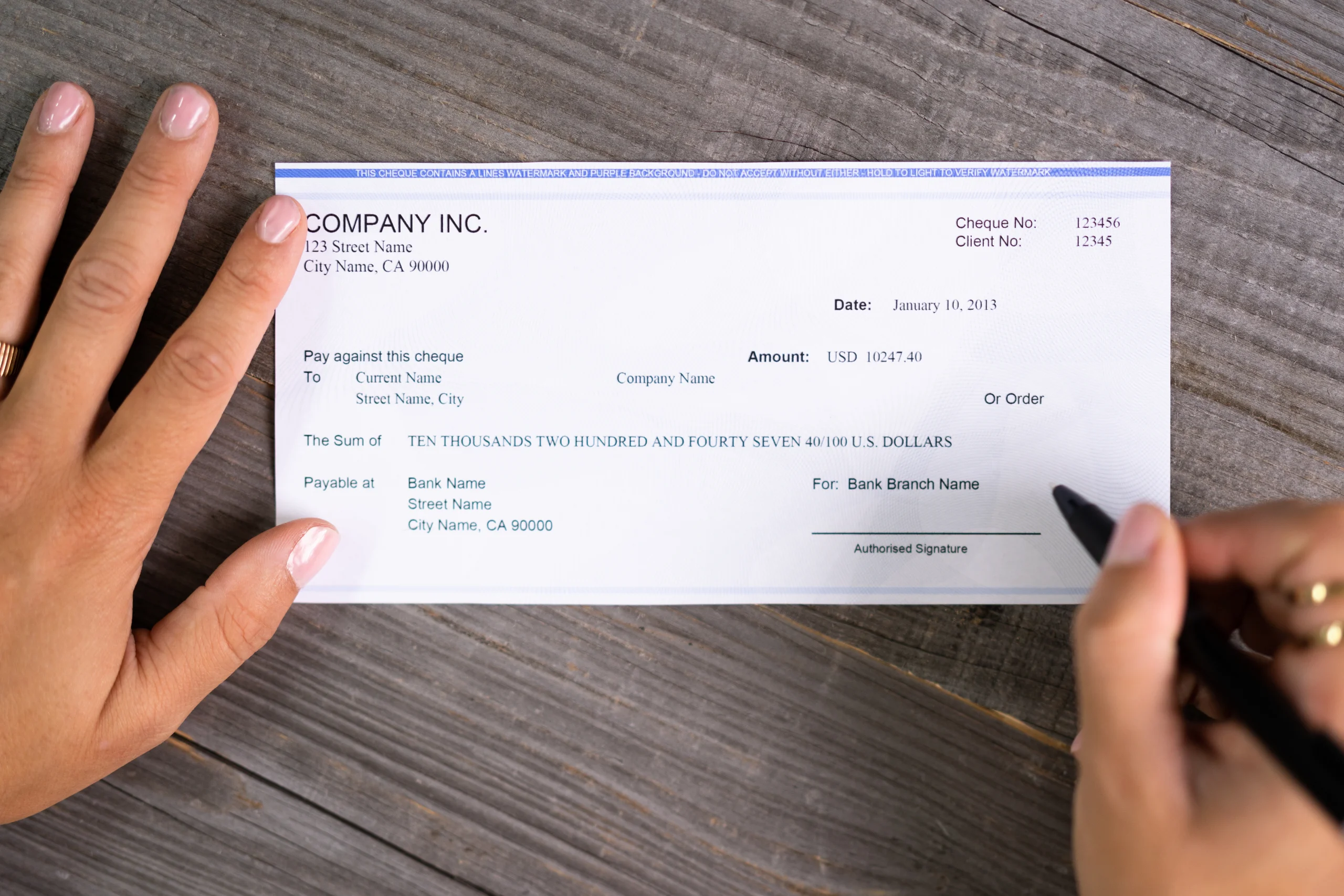
Example Check Filled Out Correctly
Date: July 12, 2025
Pay to the Order of: John Doe
$425.00
Four hundred twenty-five and 00/100 dollars
Memo: July Rent
Signature: [Your Signature]
Common Mistakes to Avoid
Even though writing a check may seem simple, small errors can lead to major inconveniences—like delayed payments, bounced checks, or even fraud. Whether you’re new to check writing or just a little out of practice, it’s important to understand what to avoid to ensure your check is processed smoothly and securely.
Below are some of the most common mistakes people make when writing checks and how you can steer clear of them.
- Writing in pencil: Always use a pen to avoid tampering.
- Leaving blank fields: Always fill in all sections to prevent unauthorized changes.
- Incorrect spelling or amount: Double-check payee names and amounts.
- Post-dating a check: Avoid dating a check in the future unless explicitly agreed upon.
- Not recording the check: Log it in your check register to track your balance.
How to Keep Track of Checks You Write
Writing a check is only half the task: keeping accurate records is just as important. Without proper tracking, it’s easy to lose sight of your spending, miss potential errors, or accidentally overdraw your account. Maintaining a check register, whether on paper or digitally, gives you a clear picture of your financial activity and helps you stay in control of your budget. Here’s what you should record every time you write a check to ensure your finances stay organized and up to date.
Every check you write should be recorded in a check register or digital tracking system. Be sure to include:
- Check number
- Date
- Payee
- Amount
- Purpose
- Updated balance
This will help you avoid overdrafts and give you a clear history of spending.
Why Some People Still Use Checks in 2025
In an era dominated by digital payments and mobile apps, it might seem like checks are a thing of the past. But in 2025, checks continue to play an important role in both personal and business transactions. Their reliability, traceability, and universal acceptance make them a practical option in situations where digital methods fall short. From avoiding fees to creating a clear paper trail, here’s why many people still rely on checks today.
Despite digital wallets and mobile banking apps, checks are still useful in scenarios such as:
- Paying rent to landlords who don’t accept digital transfers
- Making large payments without incurring credit card fees
- Sending money by mail
- Issuing official business payments
- Avoiding transaction fees with certain vendors
Checks also offer a paper trail, which can be useful for recordkeeping, taxes, and disputes.
Alternatives to Writing a Check
While checks remain a trusted form of payment, they’re not always the most convenient or efficient option—especially in our fast-paced, digital world. Thankfully, numerous alternatives offer speed, security, and ease of use for both personal and business transactions.
Whether you’re looking to pay someone instantly, schedule recurring payments, or handle large transfers, these modern methods can help you move money without ever touching a checkbook. Here are some of the most popular and practical alternatives to writing a check.
- Zelle or Venmo: Fast peer-to-peer payment apps
- ACH transfers: Great for recurring business payments
- Wire transfers: For high-value or international transactions
- Debit cards: Secure and accepted widely
- Online bill pay: Offered by most banks for scheduled check mailings
Security Tips When Writing a Check
Although checks are a reliable way to make payments, they can also be vulnerable to fraud if not handled carefully. Since each check contains sensitive information like your bank account and routing numbers, it’s crucial to take steps to protect yourself. From how you fill out your check to how you store and track it, adopting a few smart habits can go a long way in keeping your finances secure. Here are some essential security tips to follow every time you write a check.
- Never leave blank spaces. Use lines to prevent additions.
- Store your checkbook securely. Treat it like cash.
- Monitor your bank account. Detect fraud early.
- Avoid using “cash” as a payee. It makes checks easily redeemable by anyone.
- Shred old or voided checks. Prevent dumpster diving fraud.
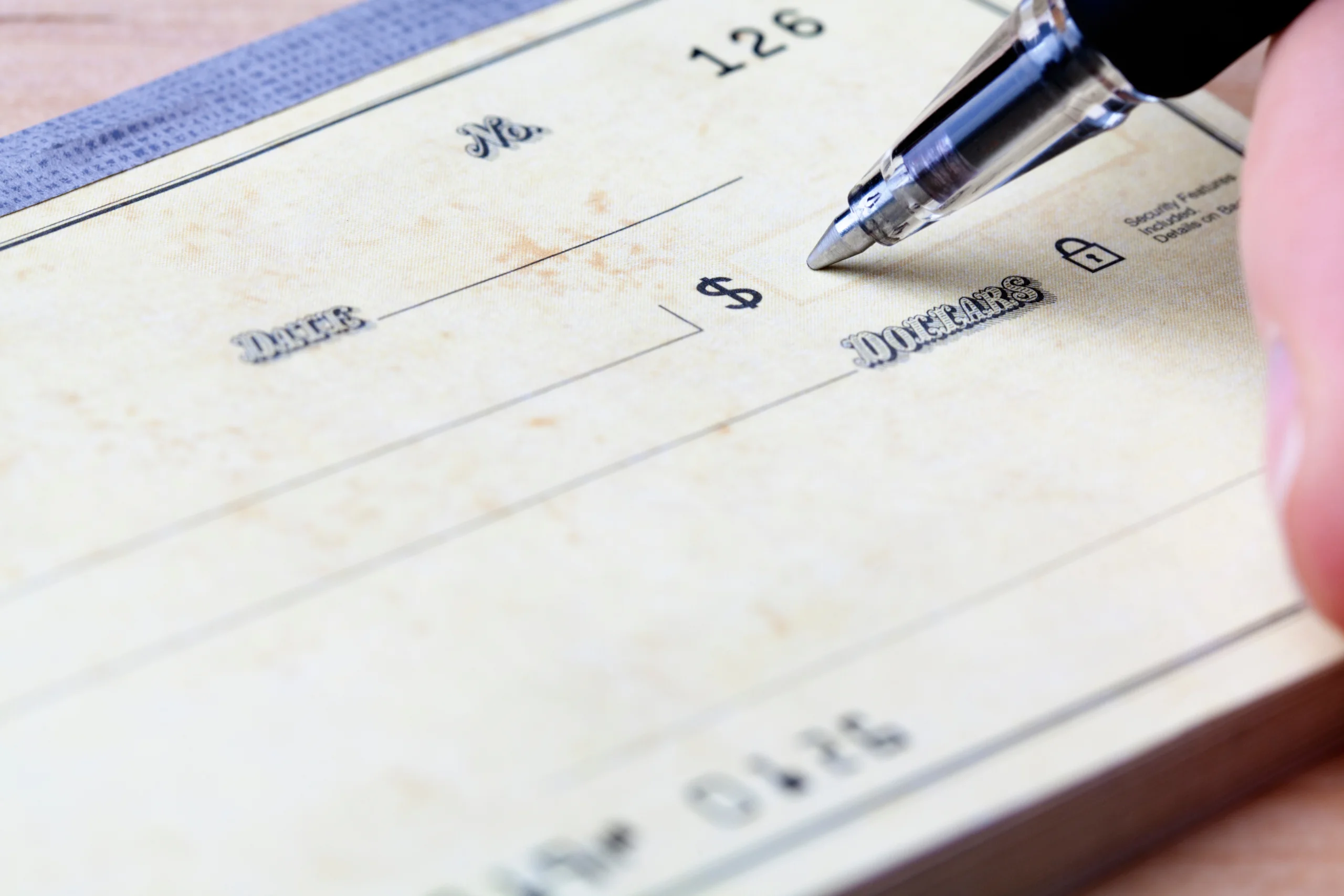
FAQs: How to Write a Check
What happens if I forget to sign a check?
If you forget to sign your check, the bank will not process it. An unsigned check is considered invalid and incomplete. When the recipient tries to deposit or cash it, the bank will typically reject it. This can lead to delayed payments, missed due dates, and frustration on both ends. Always make your signature the last step before handing over or mailing a check. If you realize the omission early, issue a new check rather than attempting to sign one that has already left your possession.
Can I use a pencil to write a check?
Technically you can, but you should never do so. Pencil marks can be erased and altered, making your check vulnerable to fraud. Banks strongly recommend using a black or blue pen—preferably one that is permanent and smudge-resistant. Some even suggest using gel pens, as they’re harder to wash out with chemicals. Writing a check in pen ensures that all the data remains intact and tamper-proof once you’ve handed it off to the payee or mailed it.
What should I do if I make a mistake while writing a check?
If you make a mistake—like entering the wrong amount or spelling the payee’s name incorrectly—it’s best to void the check. Write “VOID” in large letters across the front of the check. Do not sign it or hand it to anyone. Then record the voided check in your register, shred it, and write a new one. Crossing out or scribbling over errors isn’t advisable, as it could lead to check rejection or raise suspicions of fraud.
Are checks still a secure form of payment in 2025?
Yes, checks can still be secure when used properly. However, they come with some risks compared to digital payment systems. Because checks include sensitive information like your bank account and routing number, you should only give them to trusted recipients. To keep checks secure, always write clearly, avoid mailing them in unmarked envelopes, and track your bank activity regularly to catch any unauthorized use. Using checks through online bill pay platforms can add a layer of security.
Can I post-date a check to delay payment?
While you can physically write a future date on a check (post-dating), most banks do not honor post-dated checks unless you have made a specific arrangement. If someone deposits your post-dated check early, the bank may still process it, potentially causing overdrafts or bounced checks. If you need to delay payment, it’s better to communicate directly with the recipient or use online banking tools to schedule payment for a specific date.
By following these steps and understanding the intricacies of check writing, you’ll ensure your payments are processed smoothly and securely, even in today’s digital-first financial landscape.
