Flying private may not be an option yet for most home business owners, but let’s be honest, it’s the dream. It’s more than just skipping airport lines or flying in comfort; it’s a powerful symbol that you’ve truly made it in business. Beyond the luxury, private air travel offers game-changing advantages that can boost productivity, improve flexibility, and influence decision-making in ways that commercial flights simply can’t match.
Table of Contents
Flying Private Saves Time Before, During, and After the Flight
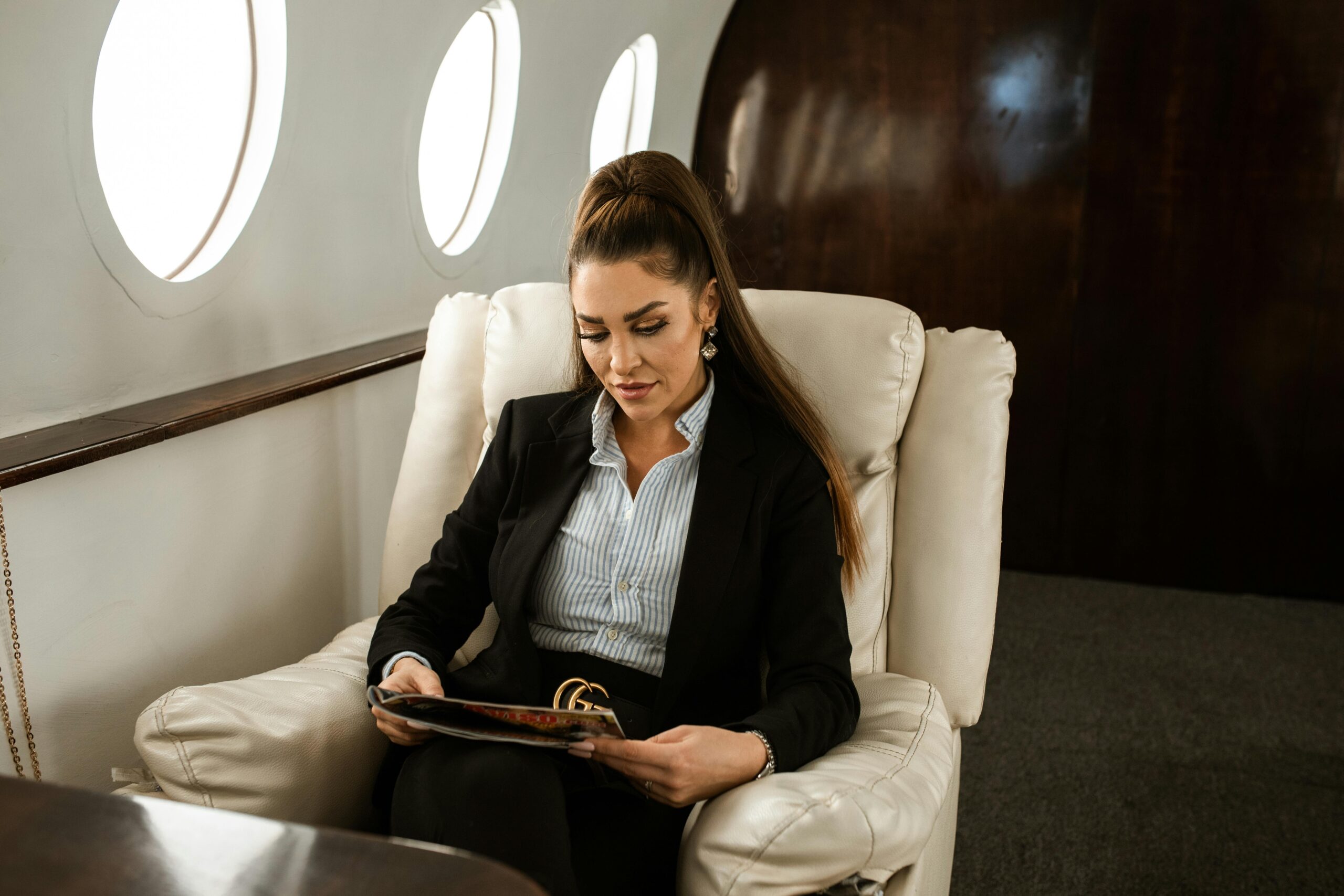
Flying private saves you time before, during, and after the flight. You don’t have to wait in line to check in; security checks go quicker, and aircraft depart from smaller, less busy airports. Flyers also get on the plane a few minutes before departure and get off just before landing. Private terminals are closer to parking and autos; thus, many airlines utilize them.
All of this makes the trip go more smoothly from start to end. That implies extra time for meetings, relaxation, or concentrated work for those who travel to work. It’s not only about speed; the saved time is also about managing the whole trip experience and avoiding delays that slow down work.
It Creates Space for Clear Thinking
There are typically crowds, noise, and other things that get in the way of business flights. When you fly privately, you don’t have to deal with such things. The room is peaceful, tidy, and ready for work or relaxation. Passengers can read reports, send emails, or have quiet conversations without the noise of other passengers.
A tranquil setting helps you think more clearly, which is useful before important meetings or when you make quick judgments. Short trips seem to yield more productivity. People come back from private flights sharper, more relaxed, and eager to do something. That mental advantage may make a big difference in how well a business trip goes.
It Helps You Get Along Better at Work
When flying private, you and your colleagues or customers have more time together in a private place. That makes talks longer, trust builds faster, and planning goes more smoothly. This type of conversation doesn’t happen readily on commercial planes. People can talk and make plans in the cabin of a private plane without anybody else hearing them. When teams can exchange ideas, prepare meetings, or discuss outcomes while on flight, they can reach a consensus more quickly.
For customers, traveling together indicates that you care and are worth their time. It seems like both a personal and professional thing. Shared time makes business ties stronger in ways that a phone call or email can’t be made.
It Adapts to Last-Minute Schedule Changes
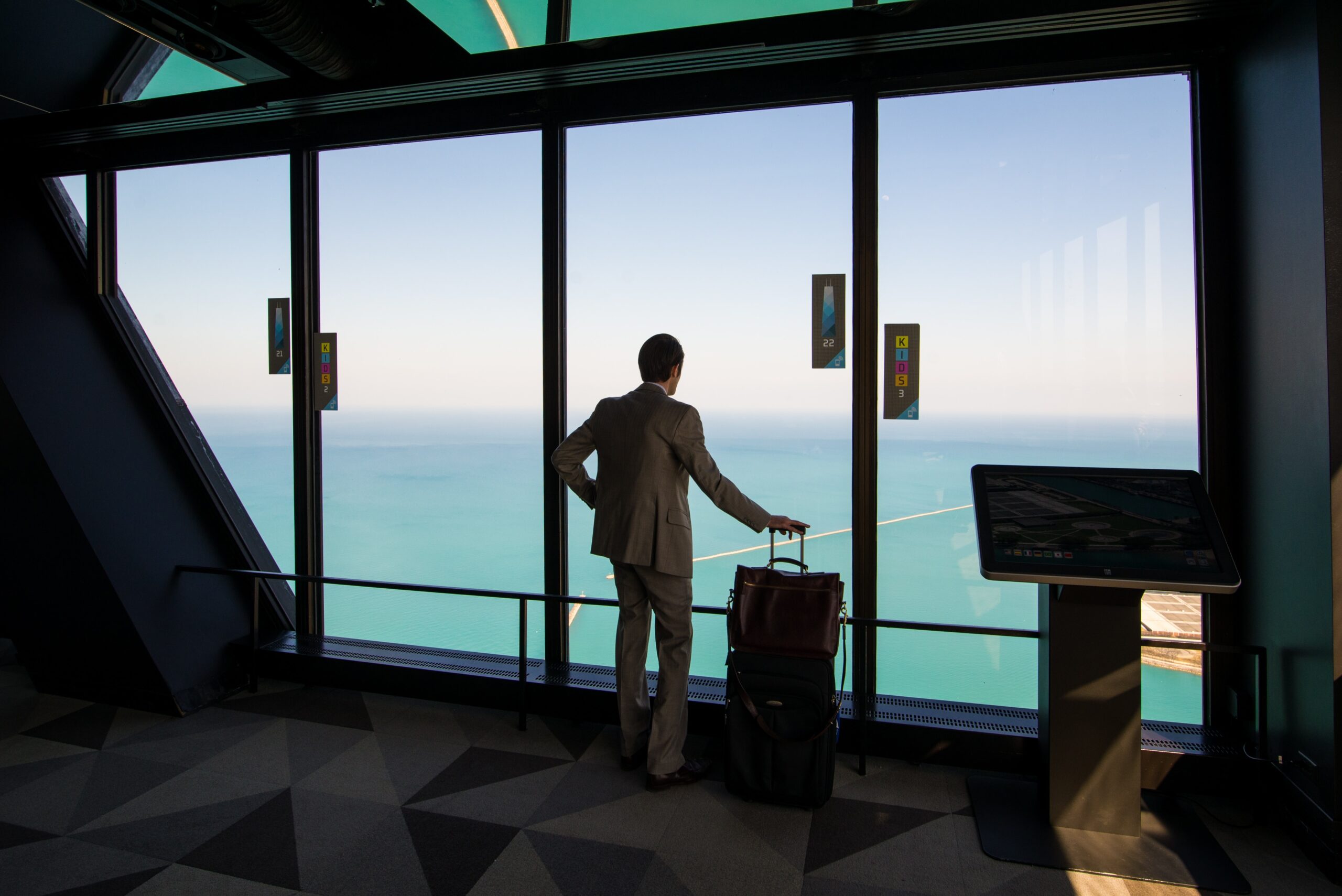
In business, plans change rapidly. People can respond quickly when they fly privately, which means they don’t miss out on important opportunities. Private flights might change at the last minute if a meeting changes or fresh business comes up in another place.
Travelers don’t rely on set airline timetables. That leaves space for unexpected opportunities, quick choices, and simple changes to plans. Services like ParamountBusinessJets.com help travelers adjust flights, switch cities, or add last-minute stops with ease. This flexibility is beneficial for firms when time is important. It keeps teams going without having to cancel plans, hustle, or hang about at terminals. That type of independence makes travel more beneficial and less stressful.
It Reaches Places Commercial Flights Don’t
Most commercial flights go to large cities. But many business demands occur outside of big cities. Private planes may land at tiny airports that are closer to industries, facilities, or offices in the middle of nowhere. That access cuts down on lengthy trips and unnecessary nights in hotels. It opens up marketplaces and opportunities that others miss due to their inaccessibility.
When teams travel privately, they may go straight to where the job is. Companies will now think about growth, collaborations, and delivery in a different way. It also helps when you have to make two or more trips in one day because of a tight timetable. Getting closer means less time in traffic and more time on the things that count.
It Protects Business Talks and Data
A lot of business travel includes private conversations, planning, and legal issues. There is no chance of being overheard on a private plane. The area remains safe, and passengers decide who may embark. You can keep your phones, computers, and papers nearby and safe. There is no need for teams to worry about numbers, agreements, or contracts. Some planes also provide safe Wi-Fi and encrypted communication capabilities.
This functionality enables businesses to remain in touch with one another while keeping their data safe. It isn’t simple to keep corporate information safe in public settings, such as airports and airline cabins. Flying private eliminates that issue without needing any additional equipment or processes.
Conclusion
Flying private is more than simply comfortable; it also helps businesses in better ways. The subtle advantages add up, from routes that save time and help you stay focused to anonymity and the ability to make modifications on the fly. These hidden benefits enable travelers to maintain focus, foster trust, and maximize their journey.