

The event planning industry is ever-evolving, driven by technological advancements, shifting societal values, and new expectations from audiences. As we approach 2025, event planners must stay ahead of the curve to deliver engaging, memorable experiences. From sustainability to cutting-edge technology, here’s an in-depth look at the hottest trends shaping the event planning landscape in 2025.
Table of Contents

1. Sustainability at the Core
Sustainability is no longer optional—it’s an expectation. In 2025, events are becoming greener, with organizers prioritizing eco-friendly practices like reducing single-use plastics, sourcing local and organic catering, and minimizing waste. Carbon-neutral events are gaining momentum, with planners leveraging tools to calculate and offset emissions. For example, virtual or hybrid formats are often chosen to reduce travel-related carbon footprints.
Additionally, there’s a growing emphasis on sustainable decor and reusable materials. For instance, LED lighting, biodegradable tableware, and repurposed furniture are becoming staples. Green certifications are also being sought by venues to assure eco-conscious clients of their commitment.
2. Immersive and Experiential Events
Audience expectations have shifted from passive observation to active participation. In 2025, immersive experiences are dominating the industry. Technologies like augmented reality (AR) and virtual reality (VR) allow attendees to explore virtual spaces or interact with content in ways that weren’t possible before.
For instance, corporate events might include AR-enhanced product demonstrations, while a wedding could incorporate VR photo booths that let guests explore moments from the couple’s past. Gamification is another key driver of engagement, with planners creating interactive challenges and reward systems to captivate attendees.
3. Personalized Experiences Through AI
Artificial intelligence (AI) is revolutionizing the way event planners deliver personalized experiences. AI-powered platforms can analyze attendee data to tailor invitations, recommend breakout sessions, or suggest networking opportunities based on individual interests. For example, event apps can now serve as personal assistants, reminding attendees of upcoming sessions they’ve marked as favorites or suggesting relevant workshops. Chabot’s, powered by natural language processing, also ensure attendees get instant answers to queries, enhancing satisfaction and streamlining operations.
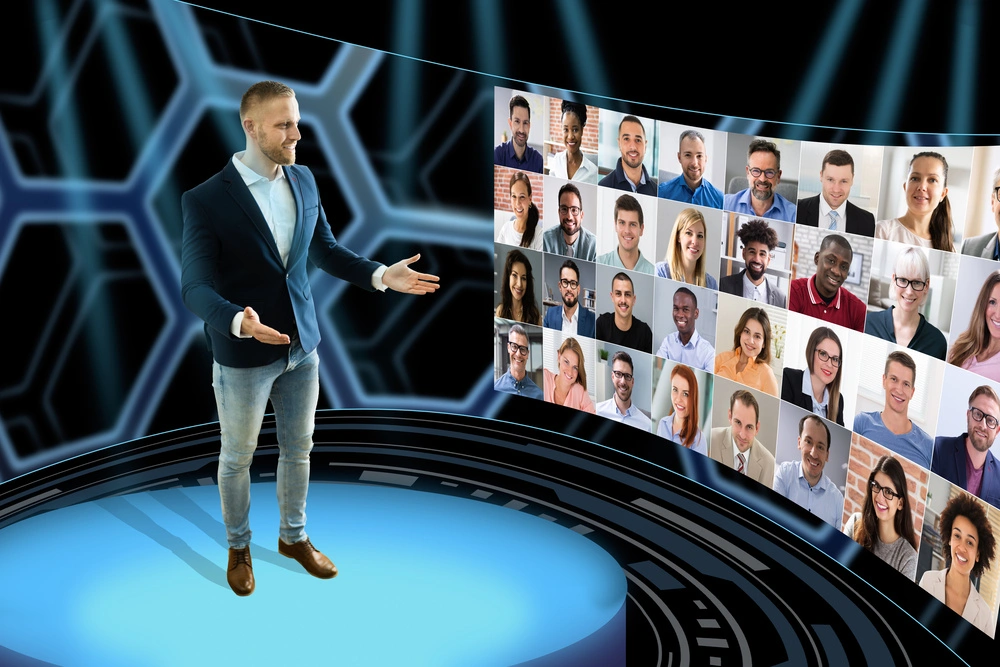
4. Hybrid Events Are Here to Stay
Hybrid events—combining in-person and virtual components—have transitioned from being a pandemic necessity to a preferred format. They offer unparalleled flexibility, allowing attendees to participate remotely or on-site based on their preferences. By 2025, hybrid events are becoming more sophisticated, with integrated technologies ensuring seamless interaction between virtual and physical audiences. Live-streaming with interactive features, such as polls and Q&A sessions, ensures remote attendees feel as engaged as those in the room. Additionally, platforms that provide on-demand content post-event add significant value to participants.
5. Multi-Sensory Experiences
In 2025, event planners are focusing on engaging all five senses to create unforgettable experiences. From the scent of fresh flowers in a wedding venue to curated soundscapes for conferences, sensory elements are being carefully crafted.
For instance, culinary experiences are being elevated with molecular gastronomy, while lighting setups are designed to change dynamically throughout the event. These multi-sensory approaches are particularly effective in leaving a lasting impression on attendees and enhancing emotional connections.
6. The Rise of “Bleisure” Events
The line between business and leisure continues to blur in 2025. “Bleisure” events—combining professional development with vacation-like experiences—are becoming highly popular. Companies are hosting conferences in scenic locations, encouraging attendees to bring their families and extend their stay for personal enjoyment.
Event itineraries often include ample downtime or optional activities like yoga sessions, sightseeing tours, or wellness workshops, ensuring participants feel recharged and valued. This trend reflects the growing emphasis on work-life balance and holistic well-being.

7. Micro-Events with Macro Impact
Small, intimate gatherings are on the rise as companies and individuals prioritize meaningful connections over large-scale productions. Micro-events are designed to be highly curated, focusing on niche audiences and delivering tailored experiences. These events allow for greater interaction and personalization, often featuring artisanal catering, interactive workshops, and exclusive content. For brands, this format provides an opportunity to foster stronger connections with loyal customers or partners in a more personal setting.
8. Technology Integration Beyond the Basics
Technology is deeply integrated into every aspect of event planning in 2025. From block chain ticketing systems ensuring security and transparency to wearable devices that track attendee engagement, innovation is at the forefront.
AI-generated content, such as video highlights or personalized post-event reports, is becoming commonplace. Additionally, drone technology is enhancing event production, offering dynamic camera angles for live-streaming or delivering breathtaking light shows.
9. Diversity, Equity, and Inclusion (DEI) in Event Planning
Events in 2025 are designed to be more inclusive, reflecting a strong focus on diversity and equity. From ensuring accessible venues to creating programming that highlights underrepresented voices, planners are taking deliberate steps to make everyone feel welcome.
This also extends to catering, with inclusive menus accommodating dietary restrictions and cultural preferences. Representation matters, and planners actively seek diverse speakers, performers, and vendors to reflect the audience’s demographic.
10. Mental Health and Wellness-Focused Events
Wellness is no longer a niche concern—it’s a priority for event attendees. Planners are incorporating mindfulness activities like meditation breaks, relaxation zones, and even therapy dog sessions. Wellness-focused events also feature healthier catering options and shorter, more engaging sessions to prevent burnout.
Corporate events are particularly embracing this trend, as companies recognize the importance of employee well-being. By incorporating wellness elements, organizers are not only meeting attendee needs but also promoting a positive brand image.

11. Creative Venue Choices
In 2025, the demand for unique and unconventional venues continues to grow. From rooftop gardens and art galleries to historical landmarks and immersive pop-up spaces, planners are thinking outside the traditional ballroom.
These venues enhance the overall theme and vibe of the event, making it more memorable. For instance, a tech company might host a product launch at an innovation lab, while a fashion brand might choose an art deco theater for its runway show.
12. Data-Driven Decision Making
Data analytics is a powerful tool in the event planner’s arsenal. In 2025, planners are using real-time data to adjust event dynamics on the fly, ensuring maximum engagement and satisfaction. Post-event analytics provide insights into attendee behavior, helping planners refine future events. Heatmaps of attendee movements, sentiment analysis from social media, and survey responses are just a few examples of how data is driving smarter decisions.
13. Ethical Sponsorships and Brand Alignments
Ethical considerations are taking center stage in sponsorships and partnerships. Attendees are increasingly discerning about the brands associated with events they attend. In 2025, planners are aligning with companies that share their values, particularly around sustainability, social responsibility, and inclusivity.
This conscious approach to sponsorship not only appeals to ethically minded attendees but also strengthens the credibility of the event itself.
Conclusion
The event planning industry in 2025 is characterized by innovation, inclusivity, and sustainability. As audiences demand more personalized, engaging, and ethical experiences, planners must adapt to these evolving expectations. By embracing these trends, event professionals can create impactful events that resonate deeply with attendees and leave a lasting legacy.
Whether it’s leveraging cutting-edge technology, crafting intimate experiences, or championing diversity, the future of event planning business is exciting, dynamic, and full of potential. Are you ready to embrace what’s next?
