
You don’t need a big budget to make a big impact. From social media and community engagement to partnering with online reputation management firms, this guide explores affordable, practical marketing ideas for small businesses looking to grow sustainably.
Key Takeaways
- Marketing doesn’t have to be expensive—creativity and persistence go further than dollars.
- Build visibility using social media, email newsletters, and local engagement.
- Partnering with online reputation management firms can protect and enhance your brand image affordably.
- Encourage customer reviews and referrals—they’re free and powerful.
- Always track results to see which tactics deliver the best ROI.

Introduction: Why Budget Marketing Matters More Than Ever
Marketing is essential, but for small business owners, budgets can feel painfully tight. The good news? You don’t need millions—or even thousands—to create a lasting impression.
Affordable marketing isn’t about cutting corners; it’s about creativity, consistency, and connection. With the right mix of strategies—like leveraging social media, nurturing customer relationships, and building your online presence—you can compete with larger brands while spending wisely.
In today’s digital-first landscape, customers expect transparency and authenticity. That’s where strategies like content marketing, Google My Business optimization, and working with online reputation management firms can help you stand out and protect your brand image without draining your wallet.
Let’s explore practical, budget-friendly ways to market your business—each designed to generate real results.
Table of Contents

1. Get Social on a Budget
Social media remains one of the most cost-effective marketing tools available. Platforms like Instagram, Facebook, TikTok, and LinkedIn give you direct access to your customers—no expensive ad campaigns required.
According to Statista, over 4.8 billion people worldwide use social media, and many rely on it to discover new brands and make purchasing decisions. The key? Consistency and engagement.
Tips for maximizing your social presence:
- Post regularly: Share photos, stories, and updates about your business at least a few times a week.
- Respond to comments: People love interacting with real humans, not faceless brands.
- Leverage hashtags: Use relevant hashtags to expand your reach—especially on Instagram and LinkedIn.
- Show your personality: Behind-the-scenes posts, customer shoutouts, and product demos humanize your brand.
- Experiment with Reels and short videos: They often outperform static posts in engagement and reach.
💡 Pro Tip: Use free scheduling tools like Buffer, Later, or Meta Business Suite to plan your content in advance. This saves time and ensures you stay consistent.
2. Create Valuable Content That Attracts Customers
Content marketing is your long-term growth engine. It positions your business as an authority while driving organic search traffic.
You don’t need a big team—just expertise and creativity.
Start with these content ideas:
- Blog posts: Write about topics your customers care about—like “how-to” guides or industry insights.
- Infographics: Summarize complex information visually to grab attention quickly.
- Videos: Record short explainer videos, testimonials, or educational clips using just your phone.
- Podcasts or guest articles: Collaborate with other businesses or creators in your niche to expand reach.
Why it works:
When you create useful, SEO-optimized content, your website can appear in Google searches—bringing in consistent, free traffic.
💡 Action Tip: Use tools like AnswerThePublic or Google Trends to discover what your audience is searching for, then craft articles around those questions. valuable once a week. Over time, your content will build credibility and drive organic traffic to your site.
3. Protect and Promote Your Online Reputation
Even if your business has the best products or services, a few negative reviews can hurt your credibility. That’s why managing your online reputation is just as crucial as traditional marketing.
Partnering with online reputation management firms can help you:
- Monitor customer reviews and mentions across Google, Yelp, and social media.
- Respond professionally to complaints or negative comments before they escalate.
- Encourage positive feedback from happy customers to balance out occasional criticism.
- Boost search visibility by highlighting high-quality reviews and PR features.
If hiring an agency isn’t in your budget yet, you can DIY your reputation management by setting up Google Alerts, replying to every review, and maintaining consistent brand messaging.
💡 Pro Tip: A strong reputation not only builds trust but also improves SEO, since Google favors businesses with positive ratings and frequent engagement.
4. Engage Your Local Community
Local marketing is one of the most effective ways to attract loyal customers. When people see your brand actively supporting the community, they’re more likely to trust and support your business in return.
Here are some easy ways to get involved:
- Partner with other small businesses: Co-host an event or share promotions to cross-pollinate audiences.
- Sponsor community activities: A small donation to a local sports team or school event can increase brand visibility.
- Join local business groups: Chamber of Commerce meetings, local fairs, or community cleanups are great networking opportunities.
- Volunteer: Giving back builds goodwill and genuine connections.
Local engagement is not just about exposure—it’s about belonging. When people associate your brand with community support, they’re more likely to become long-term customers.gage with their local community can expect to see stronger customer loyalty and higher local visibility.
5. Optimize Your Google My Business Profile
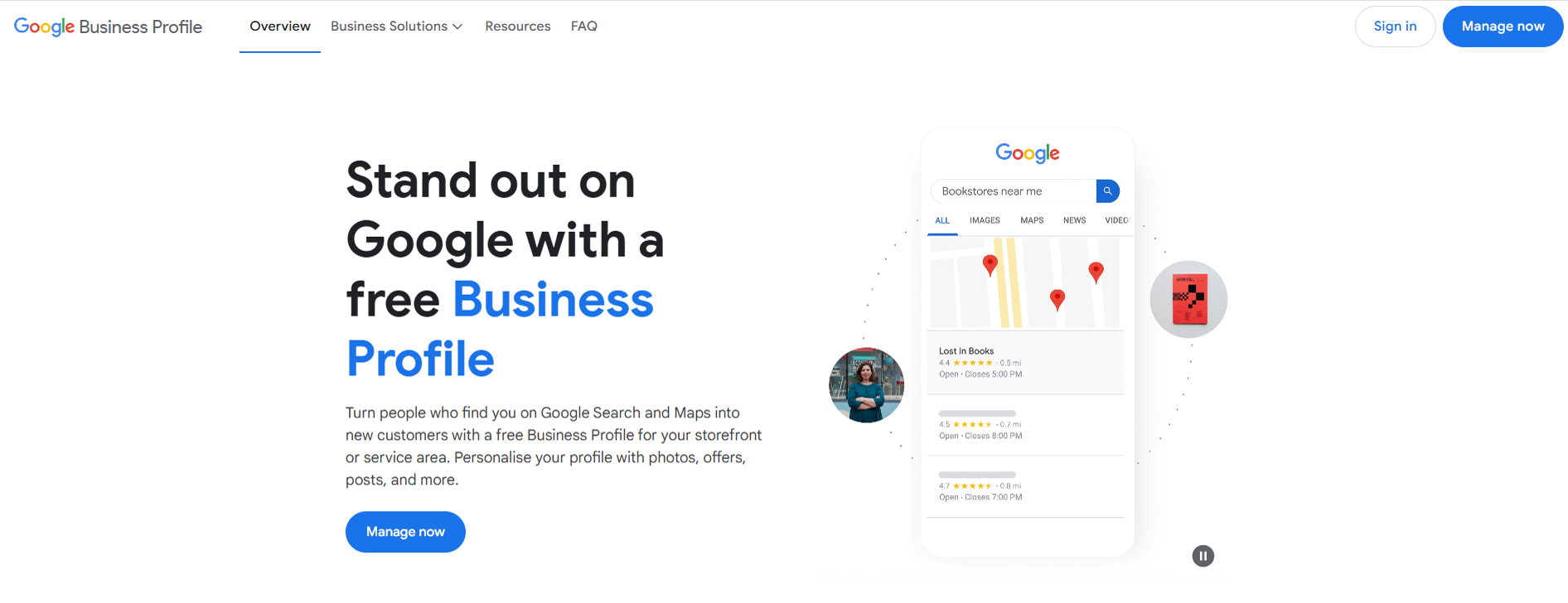
Your Google My Business (GMB) listing is like free real estate on the world’s most powerful search engine.
A well-optimized profile ensures your business appears in local search results and Google Maps when customers nearby are looking for your products or services.
Steps to optimize your GMB profile:
- Complete all fields—name, category, hours, phone number, and website.
- Upload high-quality photos of your store, staff, or products.
- Use the “Posts” feature to announce promotions, events, or blog updates.
- Ask for customer reviews and respond to them promptly.
💡 Action Tip: Businesses with at least 10 high-quality photos receive 42% more requests for directions on Google Maps, according to BrightLocal, which helps improve their local reputation without spending a dime.
5. Use Email Newsletters to Stay Connected
Email marketing remains one of the highest-ROI marketing tools—for every $1 spent, businesses earn an average of $36 back, according to Litmus.
Use newsletters to share exclusive content, promotions, or updates that keep your audience engaged.
How to make email marketing work:
- Keep it personal: Use your customer’s first name and tailor content to their interests.
- Add value: Share tips, case studies, or product recommendations, not just sales pitches.
- Stay consistent: Send at least one email per month to stay on their radar.
- Use free tools: Platforms like Mailchimp, ConvertKit, and MailerLite are great for beginners.
💡 Pro Tip: Track open and click rates to learn what your audience responds to. Then refine your approach for better results over time.
6. Leverage Low-Cost Promotional Materials
Branded merchandise can be surprisingly affordable and effective—especially when it’s practical.
From pens and tote bags to magnets and t-shirts, these small reminders of your business keep your name top of mind.
Ideas for affordable promos:
- Custom t-shirt brands or mugs: Give them to customers, staff, or event attendees.
- Stickers and magnets: Perfect for local giveaways or mailing campaigns.
- Eco-friendly items: Reusable bags or water bottles appeal to environmentally conscious consumers.
💡 Bonus Tip: Share photos of customers wearing or using your branded items on social media—it creates authentic, shareable content.
8. Encourage Customer Testimonials and Referrals
Satisfied customers are your best marketing team. A positive testimonial can influence buying decisions far more than any ad.
Ways to collect and use testimonials:
- Follow up after purchase: Ask happy customers to leave a review.
- Offer referral rewards: Give a small discount or freebie for every referral.
- Showcase success stories: Publish real testimonials on your website or social channels.
According to Nielsen, 92% of consumers trust recommendations from friends and family more than any other type of advertising. That’s why creating a referral culture pays off.
💡 Action Tip: Create a simple “Refer a Friend” landing page with clear rewards to make sharing easy.lus, it’s a no-cost marketing strategy that can have a significant impact on customer acquisition.
9. Seasonal and Holiday Marketing on a Budget
Seasonal marketing adds personality and timeliness to your campaigns. You don’t need a massive Christmas budget to join the festivities—creativity is your best ally. You just need to stay updated with the latest Christmas card trends.
Affordable seasonal ideas:
- Add festive graphics to your website banners or emails.
- Offer limited-time promotions or holiday bundles.
- Run a “12 Days of Deals” campaign or a New Year giveaway.
- Post themed social media content (e.g., “Behind-the-scenes holiday prep”).
💡 Pro Tip: Use Canva’s free templates to create seasonal visuals quickly and easily.
10. Track, Measure, and Adapt
Affordable marketing only works if you track results. Otherwise, you’re guessing.
Monitor key metrics such as:
- Website traffic (Google Analytics)
- Social media engagement
- Email open and click-through rates
- Local search visibility
- Customer acquisition costs
Then double down on what’s working and drop what’s not. Over time, you’ll find your sweet spot for both budget and results.
Conclusion: Small Steps, Big Growth
Affordable marketing is all about creativity, consistency, and community. You don’t need an agency-sized budget to make an impact—just the right mix of strategies that fit your goals and values.
From social media to email, from local networking to partnering with online reputation management firms, every tactic you try helps build your presence, strengthen your reputation, and grow your customer base.
Start small, stay authentic, and keep showing up—because consistency always beats perfection in marketing.
FAQs
How can I market my small business with almost no budget?
Start with free digital tools: optimize your Google My Business profile, post regularly on social media, and join local community events. Create useful content that answers customer questions, and encourage reviews from happy clients. These low-cost strategies build awareness and trust over time.
Are online reputation management firms worth it for small businesses?
Yes—especially if you rely heavily on online reviews or local search traffic. Online reputation management firms help monitor feedback, manage negative comments, and promote positive reviews across multiple platforms. For small businesses, this can protect your credibility and ensure that potential customers see your best side online.
What’s the cheapest way to advertise locally?
The most budget-friendly methods include community partnerships, sponsoring local events, and using free platforms like Google My Business and Nextdoor. Word-of-mouth referrals and social media groups also drive traffic at zero cost when you consistently engage with your local audience.
How often should I post on social media?
For most small businesses, posting 3–4 times per week is ideal. Focus on quality, not just quantity—each post should educate, entertain, or engage. Use analytics tools to find out which content resonates best, then adjust your strategy accordingly.
How do I know if my marketing efforts are working?
Track engagement, conversions, and traffic. Free tools like Google Analytics, Meta Insights, and Mailchimp Reports can show how people interact with your campaigns. If certain tactics consistently produce results—like higher website visits or new inquiries—keep investing your time there.
This article was originally published on November 14, 2024, and updated on October 6, 2025
