
Starting a kitchen and bathroom remodeling business can be a lucrative and rewarding endeavor, given the high demand for home renovation projects. Homeowners continually seek to enhance the functionality and aesthetics of their kitchens and bathrooms, often resulting in significant investments in remodeling services. Here’s a comprehensive guide to help you navigate the process of launching your remodeling business.
Table of Contents

Market Research and Business Planning
Market Research: Begin by conducting thorough market research. Identify your target market, which typically includes homeowners looking to upgrade their kitchens and bathrooms. Analyze the competition in your area to understand their strengths, weaknesses, pricing strategies, and customer reviews. This information will help you position your business effectively.
Business Plan: A well-crafted business plan is crucial. It should outline your business goals, target market, competitive analysis, marketing strategies, financial projections, and operational plans. This document will serve as a roadmap and will be essential if you seek financing from investors or banks.
Legal Considerations
Business Structure: Decide on a legal structure for your business, such as a sole proprietorship, partnership, limited liability company (LLC), or corporation. Each structure has different implications for taxes, liability, and administrative requirements.
Licensing and Permits: Obtain the necessary licenses and permits to operate legally. This may include a general contractor’s license, business license, and permits for specific types of work (e.g., electrical, plumbing). Check local, state, and federal regulations to ensure compliance.
Setting Up Your Business
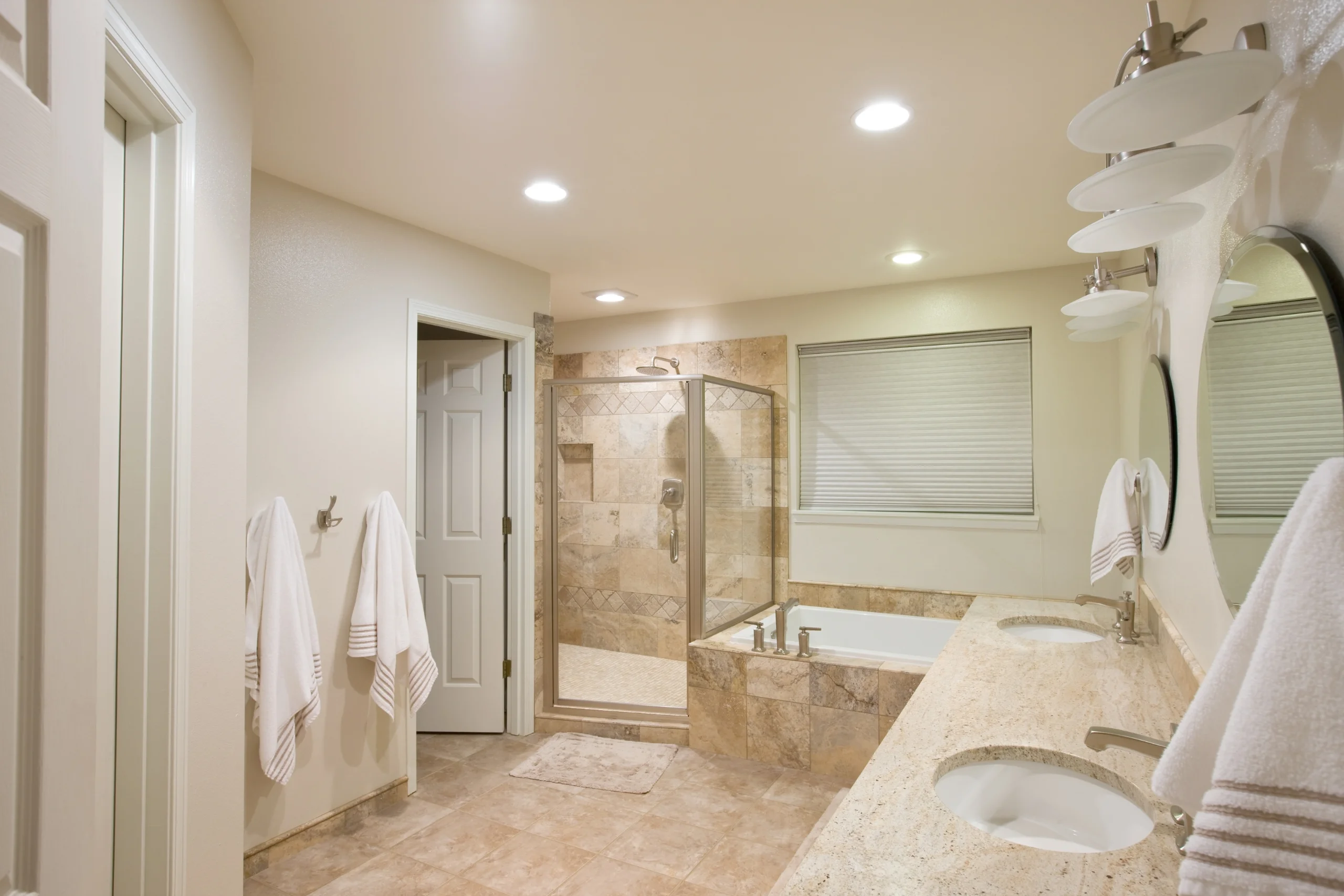
Location and Office Setup: Decide whether you will need a physical office or if you can operate from home. If you choose a physical location, consider factors such as visibility, accessibility, and proximity to suppliers and clients. Equip your office with necessary tools such as computers, design software, and communication systems. Consider offering modern amenities like a functional bidet toilet seat to enhance the functionality and luxury of your bathroom remodeling projects.
Branding and Marketing: Create a strong brand identity that reflects the quality and style of your services. Develop a professional logo, business cards, and a website showcasing your portfolio. Utilize social media platforms, online advertising, and local marketing strategies to reach potential clients. Consider offering promotions or discounts to attract your first customers.
Financial Management
Startup Costs: Estimate your startup costs, including office setup, equipment, licensing, insurance, marketing, and initial inventory. Secure sufficient funding through personal savings, loans, or investors.
Pricing Strategy: Develop a competitive pricing strategy based on market research and your cost structure. Ensure your prices cover all expenses and allow for a reasonable profit margin. Offer transparent quotes and contracts to build trust with clients.
Accounting and Bookkeeping: Establish a reliable accounting system to monitor revenue, costs, and earnings. To effectively handle your accounts, think about adopting accounting software or employing a professional accountant.

Operations and Customer Service
Project Management: Effective project management is crucial for timely and successful remodeling projects. Develop a system to schedule tasks, allocate resources, and monitor progress. Communicate regularly with clients to keep them informed and address any concerns promptly.
Quality Control: Conduct regular quality checks to maintain high standards of workmanship. Ensure that all subcontractors adhere to your standards and that projects meet or exceed client expectations.
Customer Service: Exceptional customer service can set you apart from competitors. Respond promptly to inquiries, provide detailed consultations, and offer personalized solutions. Satisfied clients are likely to recommend your services and provide positive reviews.
Building a Reputation
Portfolio: Document your completed projects with high-quality photographs and detailed descriptions. A strong portfolio will demonstrate your capabilities to potential clients.
Testimonials and Reviews: Encourage satisfied clients to leave testimonials and reviews on your business website and social media pages. Positive feedback can significantly influence prospective clients.
Networking: Join local business associations, attend trade shows, and participate in community events to network with potential clients and industry professionals. Building relationships within your community can lead to valuable referrals.

Growth and Expansion
Continuous Learning: Stay updated on industry trends, new materials, and innovative design techniques. Attend workshops, seminars, and courses to enhance your skills and knowledge.
Expand Services: As your business grows, consider expanding your services to include other areas of home remodeling or offering design consultation services.
Franchising and Partnerships: Explore opportunities for franchising your business model or forming partnerships with related businesses to expand your reach and increase revenue.
Starting a kitchen and bathroom remodeling business requires careful planning, dedication, and a commitment to quality and customer satisfaction. By following these steps and continuously striving for excellence, you can build a successful and reputable remodeling business that stands out in the competitive market.
Conclusion
Starting a kitchen and bathroom remodeling business offers a significant opportunity for success in a market driven by homeowners’ desires to improve their living spaces. By understanding the essentials of business setup, maintaining high standards of craftsmanship, and staying informed about the latest trends and materials, you can build a reputable and profitable remodeling business. Remember, success in this industry relies not just on your ability to perform quality work, but also on your skills in customer service and marketing. Equip yourself with the right tools and knowledge, and you’ll be well on your way to making your remodeling business a preferred choice for homeowners looking to transform their kitchens and bathrooms.