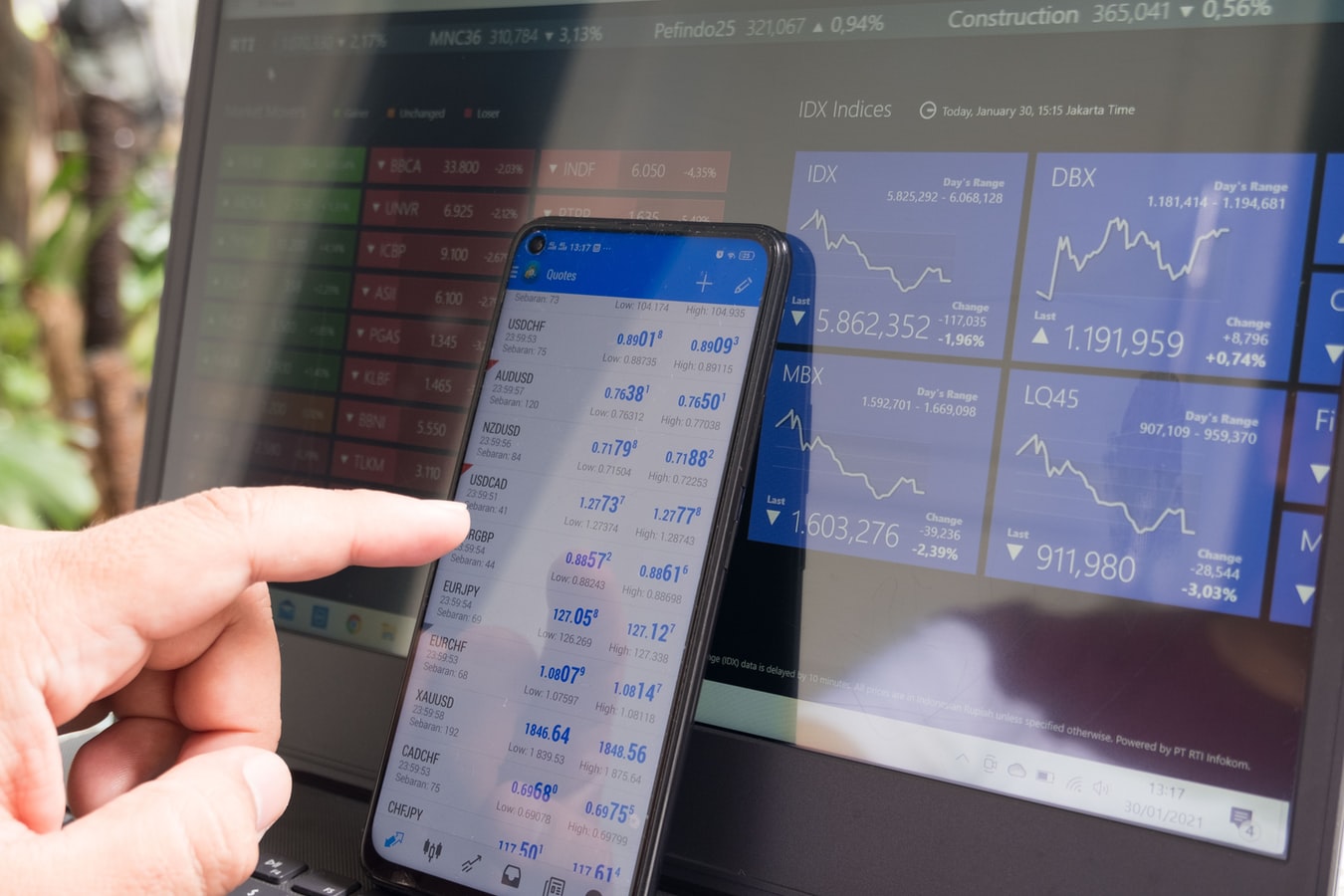
Forex trading and Contracts for Difference, or CFD are often confused for the same thing. Although they are quite similar, they, however, have major distinctions that separate them from each other. For one, they both allow bonus trading with promos like the Avatrade bonus offer or City Traders Imperium Funding Plans. Also, they are both financial instruments that follow similar trade execution patterns.
However, there’s more to each of them than the above-mentioned similarities. They are quite different from each other. Let’s have a look at some of these differences.
Flexibility
One major factor that distinguishes these two forms of trading is flexibility. While one offers more options to trade on, the other is very limiting. Forex is all about trading currency pairs and nothing more. Usually, forex doesn’t allow much diversity since most brokers often provide the major 8 currency pairs alongside some other minors. Some major markets you can trade on include GBP/USD, USD/JPY, EUR/USD, and several others.
CFDs, on the other hand, give traders a more vast range of assets to trade on. It offers many trading options from which traders can select their interests. CFDs allow the trading of assets such as Commodities, Indices, Crypto, etc. Moreover, with CFD, you can also trade the forex market. Thus, if you want to hedge funds, CFD is a better option than forex trading.
Key Price Determinants
Another major difference between CFD and forex trading is the factors that determine prices. Usually, in CFD trading, the major price determinant is the supply and demand of the particular asset. If an asset is in high demand, it means the demand for the corresponding CFD would be high also. Thus, CFD is ideal for trading price movements in the market since traders only need to monitor the underlying asset’s price movements.
Forex markets, however, are affected by various other basic factors. Seemingly minor details are key determinants of the movements of market prices. Some of these factors include geopolitical events, economic indicators, monetary policy changes, and others. Of all these factors, macroeconomic statistics have the greatest influence on the market.
Therefore, for traders who wish to simply monitor price movements, then CFDs are the better option. However, for those more interested in using fundamental and technical analysis to determine market trends, forex is ideal.

Traded Contracts Size
Contract size simply means the amount of stock or quantity that can be delivered at a time. It is more or less an amount that defines the actual number of assets being bought or sold. It is also the same as lot sizes except in some cases.
Now, in forex trading, the standard lot size for all currency pairs stands at 100,000 units. However, due to leverage, brokers allow trading of smaller lots such as
- Mini (10,000 units)
- Micro (1,000 units)
- Nano (100 units)
With these lot sizes, you get the chance to alter your profits. For example, a one-pip movement for standard contract size is equivalent to a $10 change.
As for CFDs, the contract size is different for various markets. Here, the general lot size is usually one share per contract but it differs for some markets. For instance, metals have a standard of 100 ounces per contract. Thus, a CFD contract would correspond to 100 ounces of a particular metal, such as Gold. Note that the larger the contract size, the riskier the trade.
Trading Times
This criterion goes more in favor of forex than CFDs since forex markets are always available. For FX, the market is always open for 24 hours only on weekdays, from Monday to Friday. Irrespective of your geographical location, these trading hours remain the same.
On the other hand, CFDs allow trading on weekends except for forex contracts. Additionally, some other contracts may be available only for select periods.
Wrap Up
Now that you know the major differences between CFDs and Forex trading, distinguishing them should no longer be an issue. Before stepping into trading, first of all, take a look at these two options and decide the one that favors you more. Make sure you choose the one best suited to your style of trading. And don’t forget the psychological aspect of both!