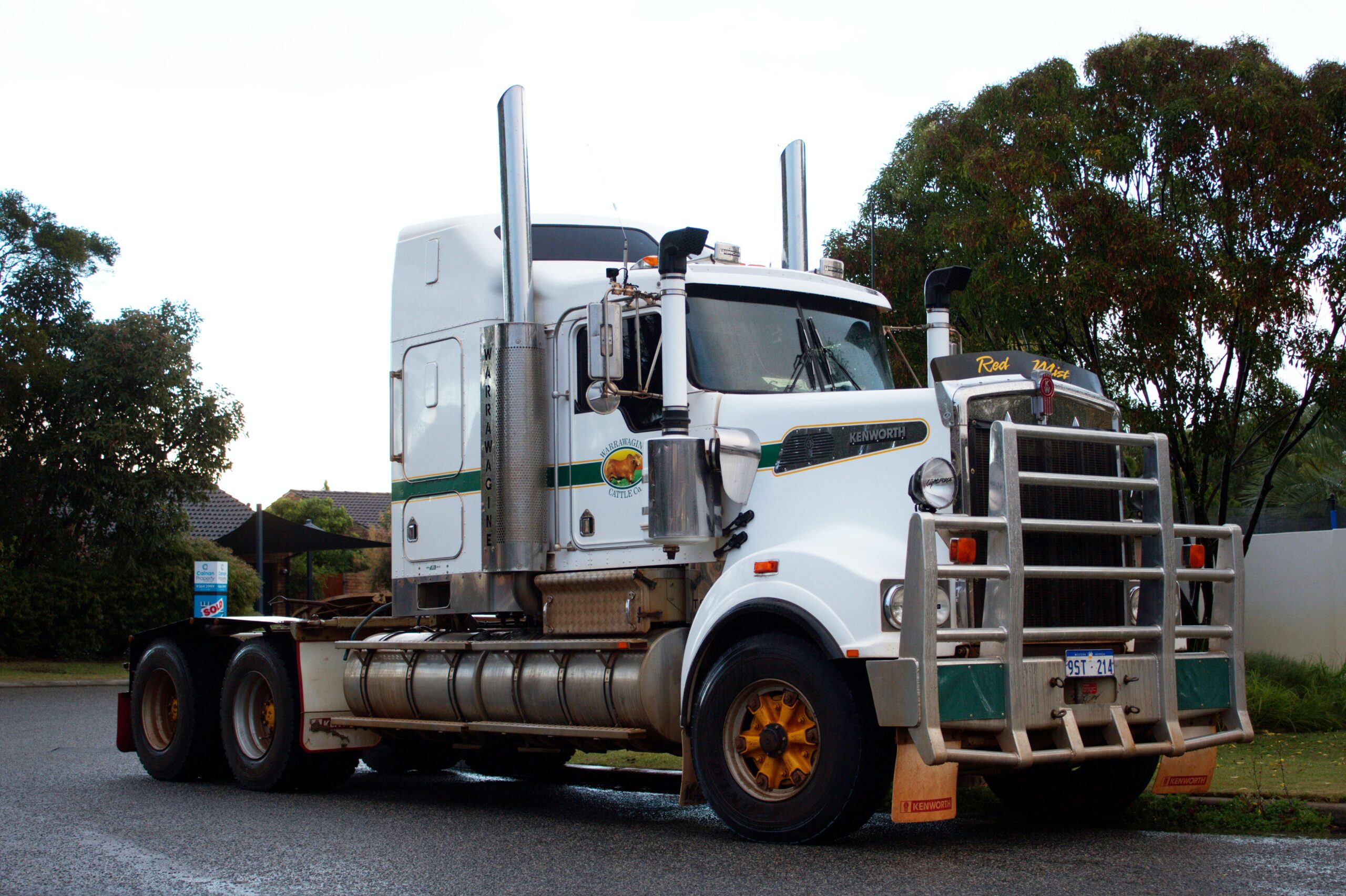
Going into business for yourself is a big step and takes a lot of courage. If you have a solution to a problem and can help others, why shouldn’t you do it? Here’s an idea: you can start an owner-operator trucking business. You’re in the possession of one vehicle that is used to ship goods or items interstate and intrastate. As you can imagine, becoming a successful entrepreneur requires planning, learning, discipline, and commitment. You’re probably curious to know what you can do to get your company off the ground. Please continue reading to find out what it takes to develop an organization that turns into a lasting source of income and satisfaction.
Select the most suitable legal entity
The most common entity choice for owner-operator trucking businesses is the limited liability company. Setting up an LLC protects you from personal liability, meaning that, if anything should go wrong, it’s not your money that will be at risk. Equally, a limited liability company involves fewer start-up costs. Other options worth mentioning are general partnerships and sole proprietorships. The sole proprietorship is the ideal business structure for a small-scale operator, in theory at least. If you want to grow the business into a fleet of trucks and operate internationally, you won’t be able to do that. The choice of the structure depends on your personal circumstances and whether or not you intend to grow the business. When you’ve made up your mind, choose a catchy name for the business and register the company.

Buy a big rig
Without any doubt, the most important piece of equipment is the big rig (or the semitruck, if that’s what you prefer). It can run on its own without any support. You can buy a new vehicle for compliance and mileage purposes. You don’t have to worry about maintenance because it has new components that are guaranteed to last for a very long time. Nonetheless, a used big rig can do just as good a job as a new one. Set up a budget and carefully plan your purchase. You should meet with the seller in person and ask for details about the specifics of the truck. Don’t get distracted from what’s important. Set expectations well in advance and resist the temptation of going for bigger and better. Know what you want and what you need in the big rig.
Obtain insurance
Obtain the required insurance. One good company to use is Bobtail Insurance, which covers for you in case you’re involved in or responsible for an accident. Bobtail insurance won’t provide coverage if you’re hauling a trailer, reefer, or any other type of load. Attention needs to be paid to the fact that bobtail insurance isn’t the same thing as non-trucking liability, although they’re often used interchangeably. Reach out to an insurance agent or broker and ask for more details. Not only will they answer all your questions but also offer you a quote. In addition to bobtail insurance, you’ll need general liability insurance. If you’re running the business from the comfort of home, review the homeowner’s insurance and ensure it covers for damage or theft of business assets.
Last but not least, set up an accounting system. You can deploy cash or an electronic system for accounting. If you don’t want to keep track of inventory, it’s preferable to use the cash method. However, it’s a good idea to keep accurate and detailed information on mileage and trips. Keep your personal transactions separate from business transactions.