

Key Takeaways
- Instagram views are crucial for visibility, brand trust, and lead generation.
- Optimize your profile and bio with keywords, CTAs, and branding.
- Reels, Stories, and engaging UGC outperform static product videos.
- Collaborate with influencers, respond to comments, and be present.
- Study analytics and double down on high-performing content formats and topics.
Introduction: Why Instagram Views Matter for Business
On Instagram, views are more than just vanity metrics—they’re the social currency that reflects your brand’s visibility, credibility, and relevance. For musicians, artists, and influencers, views often showcase talent. But for business marketers, every view represents a potential customer or lead. That’s why increasing your Instagram video views should be part of your broader brand growth strategy.
As of 2025, Instagram boasts over 2 billion monthly active users, with over 500 million using Stories daily. It’s no longer just a place for lifestyle snapshots. Today, Instagram is a powerhouse marketing platform for businesses of all sizes—from solo entrepreneurs to global corporations. The challenge? Standing out and getting noticed amid a flood of content.
So how can business marketers ensure their videos and posts get the views they deserve?
Let’s dive into a comprehensive guide of actionable, expert-backed strategies to maximize your Instagram visibility and get more views organically—and intelligently.
READ: 50 Tips on How to Use Instagram for Your Business
Table of Contents
Instagram tips to get more views
1. Start with a Strong Foundation: Optimize Your Profile
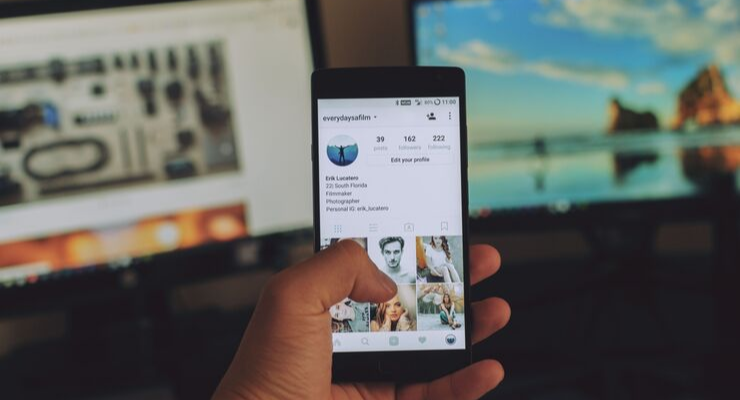
Your Instagram profile is your brand’s digital storefront, and first impressions matter. When someone visits your page, they should instantly understand who you are, what you offer, and why they should follow you. A strong profile builds trust and drives action.
🔹 Profile Picture: Choose a high-resolution image—your company logo for brand pages or a professional headshot if you’re a personal brand. Make sure it’s easily recognizable, even as a small circle.
🔹 Username and Name Fields: Your username should match your brand name as closely as possible. Use the “Name” field to add keywords, like “Email Marketing Coach” or “Vegan Bakery NYC” for SEO benefits within Instagram search.
🔹 Bio: Explain what you do, who you help, and what makes you different—in 150 characters. Add emojis to guide the eye and include a call-to-action like “DM for bookings” or “⬇️ Free download below.”
🔹 Link in Bio: Use tools like Linktree, Later’s Linkin.bio, or your own mobile-optimized landing page to share multiple links (e.g., newsletter signup, blog, product page).
🔹 Story Highlights: Treat these like a mini website menu. Use custom icons to make categories like “Reviews,” “Tutorials,” or “FAQ” easy to browse.
PRO TIP: Test different bio variations each quarter. A subtle tweak to your CTA or tone can increase click-through rates dramatically.
2. Post the Right Type of Content for Maximum Engagement
Posting on Instagram isn’t about showing off—it’s about showing up for your audience with content they care about. And different types of posts serve different purposes.
🔹 Reels: Currently the king of reach. Short, attention-grabbing videos (under 30 seconds) perform best. Use humor, storytelling, or visual transformation to hook viewers.
🔹 Carousel Posts: Great for educational content, tutorials, and storytelling. People swipe through multiple images or tips, which boosts time spent on your post—an engagement signal to the algorithm.
🔹 Behind-the-Scenes (BTS): Humanize your brand. Show your team packing orders, brainstorming, or setting up for a shoot. BTS builds trust and relatability.
🔹 User-Generated Content: Reposting real customer photos or testimonials not only builds social proof but also strengthens community engagement.
🔹 Before & After or Case Studies: Whether you’re in fitness, design, or digital marketing, transformations are powerful.
PRO TIP: Use a content calendar with pillars like “educate,” “entertain,” and “sell” to maintain variety and balance.
3. Use Hashtags Strategically
Hashtags are a discovery tool—but only when used smartly. The goal is to get your content in front of people who don’t already follow you.
Use a blend of:
- Branded hashtags (e.g., #TeamPowerHomeBiz)
- Industry tags (e.g., #DigitalMarketingTips)
- Niche-specific terms (e.g., #WomenWhoFreelance)
- Trending or seasonal tags (e.g., #BackToSchoolSale)
- Location tags (e.g., #DetroitSmallBusiness)
Avoid banned hashtags, which can suppress your content. Tools like Flick or Later can help identify which hashtags are flagged or overused.
PRO TIP: Create a few “hashtag sets” and rotate them based on content type to avoid repetition and improve reach.

4. Buy Views? Tread Carefully.
Buying Instagram views may seem tempting, especially when you’re starting from zero. It gives the appearance of popularity, which can lead to a psychological effect known as “social proof.” But the risks often outweigh the rewards.
🔹 Bot views inflate your metrics but hurt your authenticity and visibility in the long term.
🔹 If you must, only use vetted services that deliver real engagement from actual users. Better yet, put your budget toward Instagram ads.
🔹 Alternative Paid Boosts:
- Promote Reels to your target demographic.
- Run Story ads with swipe-up CTAs.
- Collaborate with influencers who offer shoutouts.
PRO TIP: Focus on sustainable growth. It’s better to have 100 real viewers who buy from you than 10,000 ghost views that vanish overnight.
5. Collaborate with Influencers and Industry Peers
Instagram is a social platform—so be social. Collaborations are one of the most powerful ways to amplify reach and build credibility fast.
🔹 Influencer Types:
- Nano-influencers (1K–10K) have small but loyal audiences.
- Micro-influencers (10K–50K) are ideal for niche products or B2B.
- Macro-influencers (50K–250K) are better for big launches, but often charge premium rates.
🔹 Ways to Collaborate:
- Co-create a Reel or carousel post.
- Go Live together to share insights or run a giveaway.
- Offer affiliate commissions to influencers who drive signups or sales.
PRO TIP: Always check engagement rate—not just follower count—before choosing a partner. A 20K-follower account with 8% engagement can outperform a 200K account with 0.5%.
6. Engage Like a Real Person (Not a Brand)
The algorithm favors real conversations, not robotic broadcasts. And your customers prefer it that way, too.
🔹 Daily Engagement Checklist:
- Reply to every comment with a name or thoughtful note.
- React to 5–10 Stories per day using emojis or questions.
- Leave value-adding comments on 3–5 posts by others in your niche.
- Follow new relevant accounts regularly.
🔹 Don’t use bots or auto-likers. Instagram cracks down on automation and shadowbans accounts that seem spammy.
PRO TIP: Save common replies as quick responses in the Instagram app to speed up customer communication while keeping it personal.
7. Leverage Instagram Stories and Highlights
Stories are where conversations happen and trust is built. They’re ephemeral, which makes them perfect for real-time updates, micro-content, and casual interactions.
🔹 Story Ideas for Marketers:
- Run “This or That” polls to understand audience preferences.
- Share quick “3 Tips in 30 Seconds” tutorials.
- Go behind the scenes of your day or a product process.
- Announce a flash sale or new post to drive traffic.
🔹 Save top-performing Stories to Highlights:
Label them clearly with icons like 🎓 Tips, 💬 Reviews, 🛍 Offers, 📍 Locations.
PRO TIP: Use Story templates and scheduling tools like Canva or Later to keep your Stories visually consistent and on-brand.
8. Time It Right: When to Post for Maximum Views
Timing is everything on Instagram. You could create the most captivating, high-value Reel or carousel, but if you post it when your audience isn’t active, your content will vanish into the algorithm void. That’s because Instagram prioritizes recency—meaning newer posts are more likely to appear on users’ feeds, especially if they’re already active on the app.
Publishing your content when your followers are most likely to be scrolling can boost your visibility by 20–50%, dramatically increasing your reach, engagement, and chances of landing on the Explore page or Reels tab.
Best Practices for Timing Your Posts
Use A/B Testing to Find Your Sweet Spot
Try posting the same type of content—like a tip-based Reel or a carousel infographic—at different times on different days. Measure which performs better using Insights.
Use Instagram Insights to Identify Peak Times
If you have a business or creator account (and you absolutely should), Instagram provides free insights about when your audience is most active. Check the “Followers” tab in your Insights dashboard to see breakdowns by day and hour. Are most of your viewers online during lunchtime? Or is your engagement stronger in the evening after work hours?
Tip: Analyze at least two weeks of data to spot trends. Don’t rely on just one day’s numbers.
Follow the General Guidelines (Then Customize)
If you’re just starting out or don’t have much data yet, these timeframes are considered “safe bets” for most business accounts:
- Weekdays, 9 a.m. – 11 a.m. (Catch morning scrollers)Weekdays, 6 p.m. – 8 p.m. (After-dinner scrolling boost)Sunday evenings (Especially for product-based businesses prepping for Monday buyers)Avoid Saturday afternoons, unless your niche thrives on weekends (e.g., travel, events)
Account for Time Zones
If your business serves a global audience, factor in time zones. A post at 9 a.m. in New York might completely miss your audience in London or Los Angeles. Use Instagram’s location analytics to determine where the bulk of your followers reside, then stagger your content schedule accordingly.
➤ Example: If 40% of your followers are in the UK and 35% in California, consider posting twice—once around 9 a.m. GMT and another around 6 p.m. PST.
Don’t Compete with Yourself
Avoid posting content too close together. Give your posts time to breathe and be discovered. If you post a Reel at 10 a.m., wait at least 6–8 hours before publishing another piece of content. Otherwise, you risk cannibalizing your own reach.
Tools to Automate Perfect Timing
Manually posting at the right time isn’t always realistic. That’s where scheduling tools come in.
Here are a few top-rated options:
- Later: Visual planner with analytics and Instagram-approved scheduling
- Buffer: Simple and intuitive, great for solopreneurs
- Hootsuite: Offers team collaboration, deep analytics, and bulk scheduling
- Metricool: Includes smart-time posting recommendations and performance breakdowns
Most tools offer time zone support, auto-publishing for Reels and carousels, and engagement tracking.
PRO TIP: Instagram’s algorithm favors consistency. If you post at random times or disappear for days, your visibility will take a hit. But posting at the same time, 3–5 times per week, teaches the algorithm and your audience to expect and engage with your content.
Think of it like a TV show. People tune in more when they know exactly when to expect new content.
9. Hook Your Viewers in 3 Seconds or Less
Instagram is a fast-moving, thumb-scrolling battlefield. With the average user spending less than 3 seconds deciding whether to keep watching or swipe away, your content needs to capture attention—immediately. The first few seconds of your video aren’t just the beginning—they’re the most important real estate.
Without a strong hook, your carefully crafted Reel or video post may never get the engagement it deserves. But when done right, a compelling hook can stop the scroll, spark curiosity, and drive your views, saves, and shares through the roof.
Why the First 3 Seconds Matter So Much
Instagram’s algorithm is driven by engagement signals like watch time, replays, saves, and shares. But none of those metrics matter if users don’t watch beyond the first few seconds. The faster you get to the point, the better your content performs.
When someone watches more than 3 seconds of your video, it signals to the algorithm: “Hey, this is interesting!” That increases the likelihood of your video being pushed to others through the Explore tab, Reels feed, or suggested posts.
What Makes an Effective Hook?
An effective hook grabs your viewer’s attention emotionally or intellectually. It can surprise, tease, shock, amuse, or educate—but it must interrupt the pattern of passive scrolling.
Here are battle-tested types of hooks that work for marketers, coaches, creators, and small businesses:
1. Ask a Provocative Question
Use questions that tap into your audience’s core frustrations or aspirations.
- “Are you still doing this in 2025?”
- “Want to double your online sales in 60 seconds?”
- “Struggling to get clients from Instagram? Watch this.”
Why it works: Questions naturally trigger curiosity and compel people to stick around for the answer.
2. Challenge a Common Belief
Start with a truth bomb or contrarian opinion that makes your audience do a double take.
- “Stop posting every day if you want more engagement.”
- “Most people use hashtags the wrong way—here’s how to fix it.”
- “The worst time to post on Instagram is…”
Why it works: Viewers love to be surprised—and if you go against the grain, they’ll want to hear your reasoning.
3. Dramatic Transformation or Reveal
Reels that begin with a visual change or “before/after” moment perform exceptionally well. These are popular in niches like beauty, home décor, fitness, and coaching.
- Visual: A cluttered desk becomes a sleek workspace in one cut.
- Caption: “Watch me turn $200 into $10K with this one product tweak.”
- Visual: A creator goes from blank screen to finished artwork in fast-forward.
Why it works: The brain is wired to notice visual movement and pattern disruption.
4. Emotional Storytelling
Tapping into vulnerability or relatable emotions builds instant connection.
- “This launch failed—and it almost made me give up.”
- “I cried the first time a customer said this…”
- “This mistake cost me 6 months of growth—don’t let it happen to you.”
Why it works: Emotion drives attention and memory. If people feel something, they’ll keep watching—and often share.
5. Text Overlays That Tease Value
If your video doesn’t have someone speaking right away, start with a bold text overlay.
- “3 Instagram caption formulas that never fail”
- “What I’d do differently if I started my business today”
- “Here’s how to sell without sounding salesy”
Make sure the text appears in the first second and stays long enough for people to read it—even if they’re watching silently.
Bonus: Use contrasting background colors to make your text pop.
6. Fast Cuts, Movement, and Energy
Static intros don’t work. You need motion, sound, and energy—especially in Reels.
- Add a trending sound or upbeat track.
- Use zoom-ins, quick transitions, and light motion graphics.
- Change your setting mid-sentence or switch outfits for surprise.
Why it works: Movement captures attention and makes your content feel modern, dynamic, and alive.
Hook Writing Formula (Use This!)
Here’s a simple formula you can use to brainstorm your next hook:
“Most [audience type] struggle with [pain point]—here’s how to fix it fast.”
Examples:
- “Most freelancers undercharge because of this one mindset block.”
- “New realtors: Here’s how to find your first client—without paid ads.”
- “E-commerce owners—this Instagram post format boosts sales 3X.”
PRO TIP: Study your top-performing Reels to find patterns in your opening frames. Then double down on what works.
10. Analyze, Test, and Repeat What Works
What gets measured gets improved. If you’re not looking at your analytics, you’re flying blind.
Metrics to Track Weekly:
- Reach: How many people saw your content
- Saves and Shares: Indicates value and virality
- Comments: Shows conversation and connection
- Follower Growth: Are people sticking around?
- Profile Visits and Link Clicks: Tied directly to conversions
Experiment:
- Test long vs. short captions.
- Try different Reel lengths (7 sec vs. 30 sec).
- Use music vs. no music.
- Vary your hooks and CTAs.
PRO TIP: Create a monthly insights report (even a Google Doc) to track patterns and make data-backed decisions.

Frequently Asked Questions
Should I buy Instagram views to kickstart my business profile?
Buying Instagram views can offer a temporary boost in perceived popularity, especially for new business accounts trying to gain traction. However, it comes with risks—many sellers use bots, which inflate metrics without real engagement or conversions. Worse, they could violate Instagram’s terms and lead to shadowbanning or account issues. If you choose to purchase views, use a reputable vendor that guarantees real, organic engagement. Still, the best strategy is to focus on creating high-quality content that resonates with your target audience, encourages sharing, and builds long-term community engagement.
How often should I post on Instagram to get more views?
Consistency matters more than frequency. Aim to post at least three to five times per week, with a focus on Reels and Stories. Reels tend to reach new users, while Stories nurture your existing followers. Avoid over-posting or rushing low-quality content just to fill your calendar. Use content pillars (e.g., education, behind-the-scenes, testimonials) to maintain variety and relevance. Posting consistently trains the algorithm and your audience to expect and engage with your content. Don’t forget to schedule posts using tools like Later or Buffer to maintain consistency even during busy weeks.
What’s the difference between a view and a like on Instagram?
A view is counted when someone watches your video for at least 3 seconds. A like, on the other hand, indicates that a viewer actively tapped the heart icon. Views show reach and visibility, while likes represent engagement. Reels, in particular, may get thousands of views but fewer likes because many users watch without interacting. Both metrics are important: views increase your chances of being discovered by new users, while likes and comments help the algorithm push your content to more people. Ideally, your content should aim to maximize both.
Can Instagram help small local businesses, or is it only for big brands?
Instagram is one of the best platforms for small and local businesses to build awareness, trust, and customer loyalty. Features like location tags, hashtags, and Reels allow local businesses to compete with bigger brands on a level playing field. For example, a local coffee shop can share behind-the-scenes clips, promote community events, and showcase daily specials. Using targeted hashtags like #ChicagoEats or #ShopLocalNYC can help attract nearby customers. By combining authenticity with smart content strategy, small businesses can create personal connections that bigger brands often struggle to achieve.
What are Instagram Reels, and why do they get more views?
Instagram Reels are short, vertical videos (up to 90 seconds) that appear on the Reels feed, Explore page, and user profiles. Reels are Instagram’s answer to TikTok and are prioritized in the algorithm. They are discoverable even by people who don’t follow you—making them a powerful growth tool. Reels that include trending music, quick hooks, and relevant hashtags are more likely to go viral. If you’re not using Reels yet, you’re missing out on the fastest-growing format for visibility and engagement on the platform.
The article was originally published on November 23, 2019 and updated on August 2, 2025.
