If you like technology and would like to venture into business, one possible business idea is recycling and reconditioning batteries. The battery recycling and reconditioning business is a growing industry driven by increasing environmental concerns, government regulations, and the demand for cost-effective energy solutions. With the rise in electric vehicles (EVs), renewable energy storage, and portable electronics, there is a massive need to recycle and recondition batteries to reduce waste and extend battery lifespan.
This guide will provide a comprehensive overview of starting a battery recycling and reconditioning business, covering the demand, target market, startup requirements, costs, marketing strategies, and tips for success.
Table of Contents
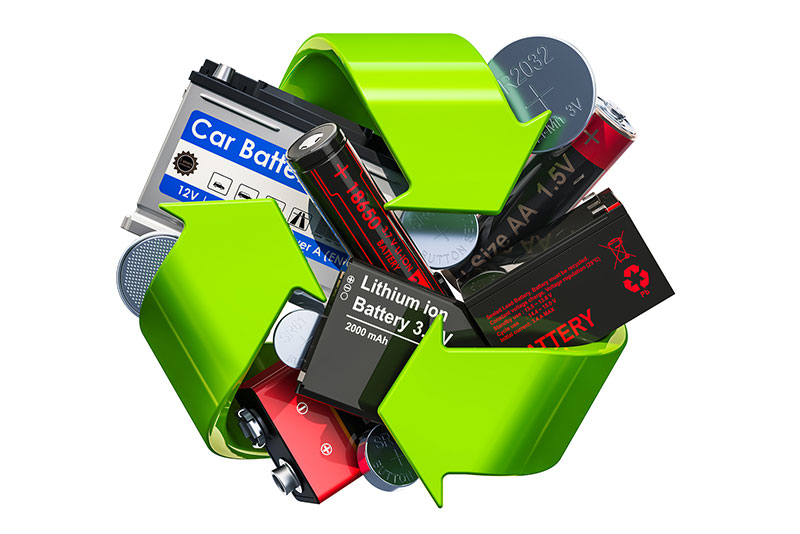
Key reasons why you should start a Battery Recycling and Reconditioning Business
Before venturing into any other business, for greater success, you always need to have compelling reasons, the most important of which is that you see a significant demand out there for the business.
Demand for the Battery Recycling Business
For this business, the demand is out there. Several electronic and electrical devices use either rechargeable or non-rechargeable batteries. Despite their usage, once they wear out or can no longer function effectively, the owners can either throw them away or forward them for recycling. The recycling process here refers to crashing the old or used batteries and using their parts to make new ones. It is one economical method some companies embrace to reduce their general spending while purchasing brand-new batteries.
The demand for battery recycling and reconditioning is increasing due to several factors:
- Environmental Concerns – Millions of batteries are discarded annually, leading to hazardous waste. Recycling helps reduce pollution and conserves valuable materials like lithium, lead, and nickel.
- Regulatory Compliance – Governments worldwide are implementing stricter regulations to manage battery waste, creating business opportunities for recyclers.
- Growth of Electric Vehicles (EVs) – As EV adoption rises, there is an increasing demand for sustainable battery management solutions.
- Cost Savings for Consumers and Businesses – Reconditioned batteries are often 30-50% cheaper than new ones, making them an attractive option for cost-conscious customers.
- Renewable Energy Storage Needs – Solar and wind power installations rely on batteries, and reconditioning can extend their life, reducing replacement costs.
Target Market for a Battery Recycling and Reconditioning Business
Battery recycling will require you to have two types of clients: those selling or giving you their old or used batteries and those purchasing the recycled ones from you. Hence, as an entrepreneur, you must ensure all these clients receive proper services and, more importantly, convenience. Either of your collection points should be very convenient for all clients.
In general, a battery recycling and reconditioning business serves a variety of customers, including:
- Individuals and Households – People looking for affordable car, laptop, and phone batteries.
- Automotive Businesses – Car repair shops and used car dealers seeking cost-effective battery solutions.
- Manufacturers – Companies that use batteries in their operations and need sustainable disposal options.
- Renewable Energy Companies – Businesses that rely on battery storage for solar and wind energy systems.
- Government and Municipalities – Cities and towns managing waste collection and disposal programs.
- Telecommunications Companies – Businesses that use battery backups for cell towers and communication infrastructure.
- Industrial and Commercial Facilities – Warehouses and factories with forklift and heavy machinery battery needs.
On the other hand, battery reconditioning is similar to recycling. A significant difference occurs in process handling. In reconditioning, chemicals replace crashing to restore the ineffective battery. One better thing about any of these processes is that they involve environmentally friendly processes. After all, littering batteries contribute to environmental hazards.
Estimated Costs to Start the Business
If you are thinking of starting a battery recycling business, here are some of the costs you will need to consider:
| Expense Category | Estimated Cost Range |
|---|---|
| Business Registration | $200 – $1,000 |
| Licenses & Permits | $500 – $5,000 |
| Equipment | $5,000 – $20,000 |
| Facility Rent | $1,000 – $5,000/mo |
| Marketing Budget | $500 – $5,000 |
| Operational Costs | $2,000 – $10,000 |
| Total Startup Cost | $10,000 – $50,000 |
When you read all these, I am sure it already sounds easy and practical. Yes, it is true that it is practical but, easy, not really. However, do not worry. We have a complete guide to help you with this entire idea to guarantee your success at the end of it.
Step-by-Step Guide on Starting a Battery Recycling and Reconditioning Business
1. Develop a plan
Any successful business needs a proper and more so practical plan. Writing one comes immediately after having your business idea. It acts like a blueprint, a basis and a foundation from which you establish your enterprise. Key things you must consider while writing one for battery recycling and reconditioning are the following;
Declare the primary source of your funding: Start-up capital is significant at the start-up stage of any business. With sufficient funds, you will be able to buy the necessary equipment, hire professionals, build a premises or rent one, and sort out any other bills as well.
Business Location: You need to have an idea of where you want to set up your business premises. You can either rent a house, office or some room somewhere convenient for your operations.
Marketing Plan
Only with a polished marketing strategy, you will get high profits. In your plan, you should set up the most convenient yet highly profitable marketing methods to use for your business.
Describe your ideal customers
Knowing detailed information demography, lifestyle, and any other of your clients makes it easier for you to design the best plan for your business. You will know exactly what they lack and what they would most likely need.
2. Register Your Business
It is within the laws of almost all countries and states that for each business you start, you must register. It is always your state’s secretary with more information on how you can go on registering your business. Remember, your business structure will determine so much of what the paperwork will entail. The business structure here will mean whether your enterprise is a sole proprietorship, corporation, partnership, or limited liability company.
3. Define the Battery Types that you want to recycle
One thing about battery recycling and reconditioning is that you can never execute your services to all types of batteries. Specializing in a kind of battery is essential as it narrows down your focus on one and allows you to focus on it. For this reason, you can choose to recycle phone batteries alone, laptop batteries, or any other type of battery. Well, this does not mean that you cannot establish a general battery recycling business, still, you can if you have a great plan for it.
4. Establish a business relationship with government-certified battery recycling centers.
Government-approved centers for recycling and recycled batteries exist in many states. Building a business relationship with them will help you know their charges for recycling or reconditioning batteries. It will also help your company determine the most cost-effective means of supplying your new batteries. This supply procedure might involve mail, pick-up, drop-off, or any other method.
5. Identify your Potential Customers
It is the profits you want to make in any business you are starting. Profits, however, come with lots of sales alongside little spending. The most likely customers to purchase your recycled products are businesses dealing in electronics. These could be cell phone retailers, laptop retailers, automotive businesses ,and other related enterprises.
6. Develop a battery collection strategy
You should create the most convenient plan for collecting old/ spoilt batteries from your customers. Installing collection bins near the customer’s location and scheduling pick-up can work pretty well in this situation. The pick-up can be weekly, bi-weekly, or any other time. Alternatively, you can set up a shipping procedure whereby clients can ship the items to your business center or location.
7. Create marketing campaigns to draw clients
Creating and launching a successful marketing campaign will likely earn your business more clients – which means more sales. Digital marketing has become one of the best marketing strategies since it is economical and has the potential to reach lots of people simultaneously. These advertisements could be in emails, social media, pop ads, and much more.
Here is a list of effective marketing strategies for a battery recycling and reconditioning business:
Build an Online Presence
- Create a professional website with services, pricing, and contact details.
- Use SEO to target keywords like “battery recycling near me” and “reconditioned batteries for sale.”
- Start a blog about battery maintenance tips and environmental benefits.
Leverage Social Media
- Share educational posts on Facebook, Instagram, and LinkedIn.
- Run ads targeting local businesses and eco-conscious consumers.
- Post customer testimonials and success stories.
Offer Discounts and Promotions
- Provide discounts on bulk battery purchases or trade-ins.
- Offer referral bonuses for customers who bring in used batteries.
Partner with Local Businesses
- Collaborate with auto shops, solar panel companies, and e-waste recyclers.
- Provide reconditioned batteries as an alternative to new ones.
Attend Trade Shows and Networking Events
- Connect with potential clients in the automotive, industrial, and renewable energy industries.
Develop an Eco-Friendly Brand
- Highlight your role in reducing battery waste and promoting sustainability.
- Get certifications from environmental organizations.
Conclusion
Starting a battery recycling and reconditioning business can be profitable while contributing to environmental sustainability. With growing demand, a well-structured marketing plan, and adherence to safety and regulatory guidelines, you can build a successful venture in this space. Whether you operate locally or expand into a larger-scale business, this industry presents an excellent opportunity for long-term growth.
This article was originally published on September 21, 2019, and updated on February 27, 2025.