

Starting a home-based photography business combines creativity with entrepreneurship. From building a strong business plan and investing in quality equipment to leveraging AI for faster workflows, today’s photographers have more opportunities than ever to thrive. Learn how to turn your passion for photography into a sustainable, future-ready business.
Photography has come a long way from darkrooms and film rolls. Today, nearly everyone with a smartphone can take a decent picture — but turning photography into a profitable home-based business still takes skill, creativity, and solid business sense.
Whether you dream of capturing weddings, shooting portraits, or selling stock images, running a photography business from home can be deeply rewarding — if you treat it like a true enterprise, not just an artistic hobby.
Let’s explore how to get started, what it takes to thrive, and how to stay competitive in an industry rapidly evolving through AI and new digital tools.
Table of Contents
Understanding the Modern Photography Landscape
Photography is one of those rare fields where art meets commerce. It’s a blend of creative vision, technical expertise, and business acumen — and all three matter more than ever.
According to Precedence Research, the global photography services market is valued at USD 37.96 billion in 2025 and is projected to grow to USD 64.68 billion by 2034. This growth is driven by rising demand for corporate photography and digital content across industries such as real estate, fashion, social media, and e-commerce.
One major contributor to this expansion is the surge in drone photography, now widely used across fields such as film and television, real estate marketing, and construction site monitoring. The growing popularity of mobile videography and social media platforms has also fueled the market. With smartphones enabling instant, high-quality image and video capture, users can effortlessly share moments online — a trend that continues to push global interest in photography services.
Yet the profession has also become more competitive. Smartphones have democratized photography, and AI-generated imagery has added new layers of opportunity and challenge.
Instead of competing with technology, successful photographers are learning to partner with it — using AI tools to enhance efficiency, creativity, and client satisfaction. We’ll cover that more in the “AI and the Future of Photography” section below.
Types of Photography Business
What kind of photography work do you want to do?
Before investing in equipment or filing paperwork, decide the type of photography that you want to do. The field is vast, and choosing a niche helps you stand out. There is a wide variety of players out there, from the part-timers freelancing for the local weekly paper to a few superstars who can command fees of $10,000 per day.
Some popular types include:
- Portrait and Family Photography – Capturing life milestones like graduations, newborn sessions, or family portraits.
- Wedding Photography – Still one of the most lucrative niches, though highly competitive.
- Product Photography – In demand by small e-commerce brands and Etsy sellers who need professional product shots.
- Real Estate Photography – Growing quickly, especially with drone imagery and 3D virtual tours.
- Event Photography – Covering corporate gatherings, birthdays, or community events.
- Fine Art or Landscape Photography – Selling prints or licensing images for décor, stock, or editorial use.
- Freelance Photojournalism – Working with news outlets or magazines on assignment.
- Stock Photography – Uploading images to platforms like Adobe Stock, Shutterstock, or Getty Images for passive income.
- Sports Photography – An action-packed and rewarding niche that blends creativity with technical precision.
Many home-based photographers begin with portraits and family sessions, capturing milestones like graduations, newborns, and anniversaries. Wedding photography remains one of the most profitable but competitive fields, requiring careful planning, impeccable timing, and strong interpersonal skills.
Others find success in product photography, serving small e-commerce brands that need professional images for online stores, or in real estate photography, which has exploded thanks to drone imagery and virtual tours. Event photographers cover everything from corporate functions and birthdays to nonprofit galas, often building repeat business through referrals.
Another growing niche is sports photography, an action-packed field that combines creativity with technical precision. Whether capturing local high school tournaments or youth sports leagues, sports photographers are in high demand. Schools, clubs, and parents frequently hire photographers for team portraits, action shots, and highlight reels. Many professionals also sell prints and digital images directly to families or use them in athlete branding packages. With AI-assisted autofocus, real-time motion tracking, and automated editing software, sports photographers can now capture fast-paced movement and produce highlight videos within hours. Those who invest in fast lenses, reliable high-speed cameras, and strong community relationships often find steady work and a loyal client base.
Some photographers take a more artistic route through fine art or landscape photography, selling prints or licensing their work for décor, calendars, or publications. Others pursue freelance photojournalism, contributing to newspapers or magazines, or build passive income through stock photography, uploading images to platforms like Adobe Stock or Shutterstock.
Categories of Professional Photography:
Professional photography typically falls into two categories:
1. Assignment Photography
This includes commissioned work — where a client hires you for a specific project such as a wedding, headshots, or product campaign. Assignment photography offers more predictable income, as you’re paid per project or contract.
2. Stock Photography
This involves creating and licensing images on speculation. Instead of a direct client, you upload your work to stock photo sites and earn royalties each time your image is downloaded. AI tools have made tagging, keywording, and editing stock images faster, making this passive income stream more accessible than ever.
Many successful home-based photographers combine the two, using paid assignments to fund creative projects that later earn royalties as stock photos. This hybrid approach offers both financial stability and creative freedom.
Once you’ve identified your niche, it’s time to build the foundation of your business — from planning and registration to equipment and insurance.

Getting Started with Your Photography Business
Turning your photography passion into a business means handling the logistics just like any other entrepreneur. Here’s a step-by-step approach:
1. Write Your Business Plan
Even if you’re a creative, a business plan is your foundation. It helps you define your goals, pricing, expenses, and target market.
Your plan should include:
- Business overview: What services you’ll offer and to whom.
- Market analysis: Who are your competitors? What gaps can you fill?
- Pricing strategy: Your rates and how they compare to others in your niche.
- Startup costs: Equipment, insurance, software, and website.
- Revenue goals: How much you need to earn to break even and profit.
- Operational plan: Workflow from booking to delivery.
- Financial forecast: Budget, expenses, and potential funding sources.
Your business plan isn’t just for investors — it’s your roadmap for staying focused and tracking growth.
2. Establish Your Legal Business Identity
Photography may start as a passion, but once you start charging for it, you’re a business.
Check with your city or county clerk about business registration requirements, especially if you’re operating from home. Most home-based photographers start as sole proprietors or form a limited liability company (LLC) to protect personal assets.
If you’re using a brand name (e.g., “Sunset Lens Photography” instead of your personal name), file a “Doing Business As” (DBA) certificate. You’ll also need a tax ID and possibly a sales tax permit if you sell physical prints or products.
3. Set Up a Business Bank Account
Separating your business and personal finances is critical for managing taxes and cash flow.
Open a dedicated checking account and, if possible, a business credit card to track expenses like software subscriptions, travel, and equipment repairs.
You’ll thank yourself come tax season.
4. Check Zoning Restrictions
If you plan to host clients for photo sessions at home, check local zoning laws. Some residential neighborhoods limit home-based businesses with customer traffic or parking issues.
If restrictions are tight, consider renting a shared studio space part-time or setting up a small mobile studio.
5. Get the Right Equipment
You don’t need every gadget on the market, but you do need reliable, high-quality gear. Start with:
- A professional DSLR or mirrorless camera (e.g., Canon R6, Sony A7 IV, Nikon Z6).
- Lenses for your niche (portrait, macro, wide-angle, telephoto).
- Tripods and lighting equipment.
- Memory cards, batteries, and external hard drives for backup.
- A color-calibrated monitor for accurate editing.
- A fast computer with enough RAM and graphics capability for editing software.
For editing, tools like Adobe Lightroom, Capture One, or DxO PhotoLab are industry standards. But more photographers are now integrating AI editing tools (like ImagenAI or Topaz Labs) to speed up culling, retouching, and noise reduction.
You can also rent gear for one-time projects through platforms like LensRentals or ShareGrid instead of buying upfront.
6. Protect Yourself with Insurance
Insurance is often overlooked by beginners, but it’s essential.
Consider:
- General liability insurance – protects you if someone gets injured during a shoot.
- Equipment insurance – covers damage, theft, or loss of your gear.
- Professional liability insurance – protects against claims of missed deadlines or unsatisfactory work.
- Health and disability insurance – especially important for solo entrepreneurs.
If you’re working with weddings or corporate clients, many venues require proof of insurance before allowing you to shoot.
7. Build Relationships and Join Professional Organizations
Networking is as valuable as your portfolio. Join organizations such as:
- Professional Photographers of America (PPA)
- American Photographic Artists (APA)
- National Press Photographers Association (NPPA)
These groups offer access to insurance, education, certification, and networking opportunities. Locally, attend Chamber of Commerce events or art fairs where small businesses might need a photographer.
8. Choose Reliable Labs and Suppliers
If you print or deliver physical photos, partner with a trusted lab that ensures consistent color accuracy and quick turnaround. Experiment with a few before committing. For gear and supplies, building long-term relationships with suppliers can earn you discounts and priority service.
The Business Side of Photography
Photography isn’t just about capturing beauty — it’s also about managing operations, pricing correctly, and maintaining cash flow.
Pricing Your Work
Avoid the trap of undercharging just to land clients. Calculate your cost of doing business — including your time, taxes, and overhead — and price accordingly.
A good starting rule is the “3x Rule”: charge at least three times your cost of production. For example, if it costs you $100 in time, editing, and materials to produce a shoot, your fee should be no less than $300.
Contracts and Copyright
Always use written contracts to define scope, deliverables, timelines, and payment terms. Contracts protect both you and your client and help prevent disputes.
Also remember: you own the copyright to your photos by default unless you transfer it in writing. Always clarify image rights, especially for commercial use.
The Rise of AI in Photography — and How to Use It
Artificial intelligence is reshaping nearly every creative field, and photography is no exception. Some fear AI will replace photographers, but the truth is more nuanced. AI is transforming workflows, not replacing artistry.
Here’s how modern photographers are using AI to their advantage:
1. AI Editing and Culling
Programs like ImagenAI, AfterShoot, and Adobe Firefly can automatically select the best shots from hundreds of images, saving hours of post-production time.
AI can detect smiles, open eyes, lighting consistency, and even apply your preferred editing style automatically.
2. Smart Retouching
Tools such as Luminar Neo and Topaz Labs can remove blemishes, enhance skies, or reduce noise — all while preserving natural detail. This lets photographers spend more time shooting and less time behind the screen.
3. AI for Client Communication
AI chatbots and automated scheduling tools (like Calendly + ChatGPT integrations) help manage inquiries, send contracts, and remind clients about sessions. It’s like having a personal assistant.
4. Concept Visualization and Moodboards
Photographers are using AI image generators to mock up ideas before shoots. By inputting prompts, they can visualize lighting setups, poses, or concepts to present to clients.
5. Protecting Authenticity
AI has also increased the demand for authenticity. As synthetic images flood the internet, clients increasingly value human-taken, emotionally real photos. That’s good news for photographers who lean into storytelling, emotion, and personal connection.
Pro Tip: Use AI as a tool — not a replacement. The best photographers will blend creativity with technology to deliver faster, smarter, and more original results.
Trends Shaping the Photography Industry
Beyond AI, several other trends are redefining the modern photography business:
1. Demand for Short-Form and Vertical Content
With platforms like Instagram Reels and TikTok, photographers are expanding into short video and hybrid photo-video content. Even portrait photographers are offering quick behind-the-scenes clips as part of their packages.
2. Drone Photography and 360° Imagery
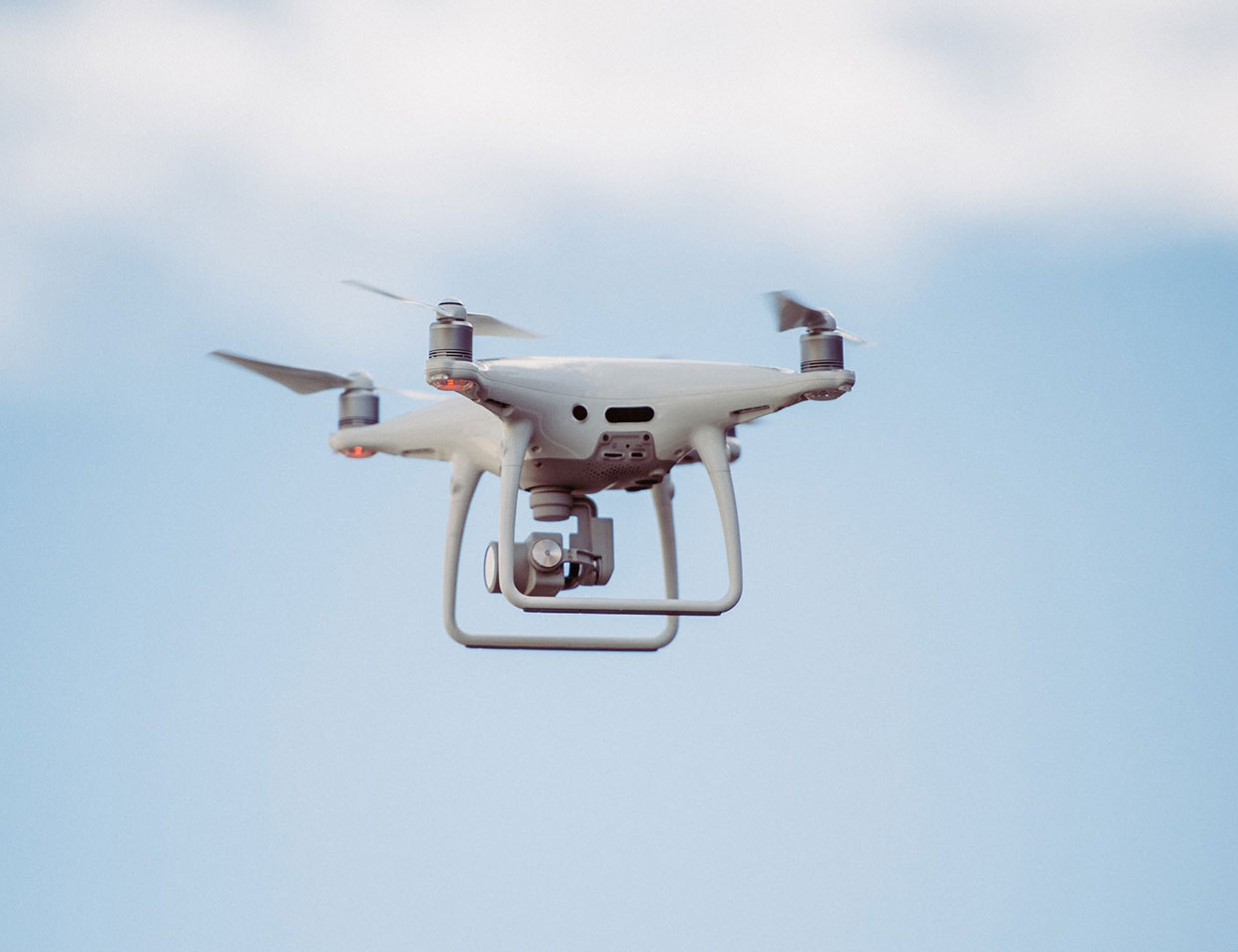
Drone licensing and 360-degree technology have opened new business opportunities in real estate, tourism, and outdoor events.
3. Subscription-Based Services
Some photographers now offer monthly content packages for influencers and small businesses — shooting a set number of photos and videos per month for a retainer fee.
4. Sustainability in Photography
Eco-conscious practices — like digital-only delivery, minimal travel, or renewable studio setups — appeal to environmentally aware clients.
5. The Freelance Economy
More photographers are freelancing full-time or part-time, using platforms like Thumbtack, Upwork, and Fiverr Pro to find gigs. The home-based model gives flexibility while keeping costs low.
Final Thoughts
Starting a home-based photography business combines the freedom of entrepreneurship with the satisfaction of creative work. You’ll need talent, discipline, and an understanding of both art and business.
Technology, especially AI, will continue to evolve. But creativity, empathy, and human storytelling will always remain at the heart of photography. Use these new tools to your advantage — and let your lens tell the stories only you can see.
Key Takeaways
- Photography is both an art and a business. Treat it like one — with a plan, budget, and clear goals.
- Niche specialization helps you stand out. Whether weddings, real estate, or product photography, focus on what you do best.
- AI tools can boost productivity. Use them for editing, organization, and client management, but keep your creative touch.
- Contracts and insurance are essential. Protect your work, your gear, and your business legally.
- Trends favor digital agility. Vertical content, drone photography, and sustainability are reshaping the industry.

FAQ on Starting a Home-Based Photography Business
What are the startup costs for a home-based photography business?
Startup costs typically range from $2,000 to $10,000, depending on your equipment and niche. The biggest expenses are cameras, lenses, lighting, and editing software. You can minimize costs by renting gear and starting small.
How much can a home-based photographer earn?
Earnings vary widely. Beginners might make $20,000–$40,000 per year, while established professionals or wedding photographers can earn $75,000–$150,000+. Building strong client relationships and diversifying income (e.g., offering prints, stock photos, or workshops) can increase revenue.
Do I need a license to start a photography business at home?
Most cities require a business license and may ask for a zoning permit if you host clients. Always check with your local clerk’s office or business bureau for regulations.
How is AI changing photography jobs?
AI is transforming how photographers work — not eliminating jobs. It automates repetitive tasks like culling or editing, helps generate creative ideas, and improves client workflows. Photographers who learn to integrate AI gain a strong competitive edge.
What kind of insurance does a photographer need?
At minimum, you need general liability insurance and equipment coverage. If you shoot at client venues or events, venues often require proof of liability insurance before allowing you to work on-site.
Can you run a photography business out of your home?
Yes, absolutely — many successful photographers start right from home. A home-based photography business is perfectly viable as long as you follow local zoning laws and meet basic requirements such as obtaining a business license and ensuring you have appropriate insurance coverage. You’ll need a dedicated space for editing, storage, and possibly a small studio setup, though many photographers also shoot on location.
Part 2: Marketing and Pricing Your Photography Business
Recommended Articles on the Photography Business:
- How to Market Your Wedding Photography Business
- How to Price Your Wedding Photography Business
- Managing your Wedding Photography Business
- How to Earn from Stock Photography
Recommended Books on Starting a Photography Business:
- The Photo Hustle: An Insider Guide on How to Book Clients, Get Paid, and Master the Business of Photography (Starting a Photography Business)
- The Successful Professional Photographer: How to Stand Out, Get Hired, and Make Real Money as a Portrait or Wedding Photographer
- The Professional Photography Playbook: Mastering Portrait Photography, Branding and Business Success (The Photographer’s Mastery Series)
- The School of Photography: Beginner’s Guide: Master your camera, clear up confusion, create stunning imagery
This article was originally published on January 27, 2013 and updated on October 27, 2025.

Hello.This post was really remarkable, particularly since I was browsing for thoughts on this issue last Wednesday.
That is really interesting, You’re an excessively professional blogger. I have joined your rss feed and stay up for in the hunt for more of your excellent post. Also, I have shared your website in my social networks
This article was indeed very useful especially since I’m about to start a photography business. Thank you so much
Great article, Jenny.
Photography is one of those few professions where you need to master more than one skills to make it a sole source of income. You need to learn how to take good pictures, edit them, start a photography website, optimize it and much more.
Building a photography website and working on its SEO is one of the best things you can do for your photography business. I’ve built my website on Pixpa, and it allows me to define SEO properties of individual content items including images. The process is tedious but the results are all worth.