

Starting a food business in Texas is an exciting venture, but it also means navigating a highly regulated environment. Whether you’re dreaming of opening a bakery, selling homemade jam, or launching a food truck, Texas law has detailed requirements to ensure public safety and food quality.
The Lone Star State is known for its entrepreneurial spirit, and since passing Senate Bill 81 in 2011, it has opened the doors wide for home-based food producers through the Cottage Food Law. But before you whip up your first batch of cookies or bottle your hot sauce, it’s crucial to understand the legal framework.
Here’s a comprehensive guide to help you get started.
Table of Contents
Step 1: Determine Your Food Business Type
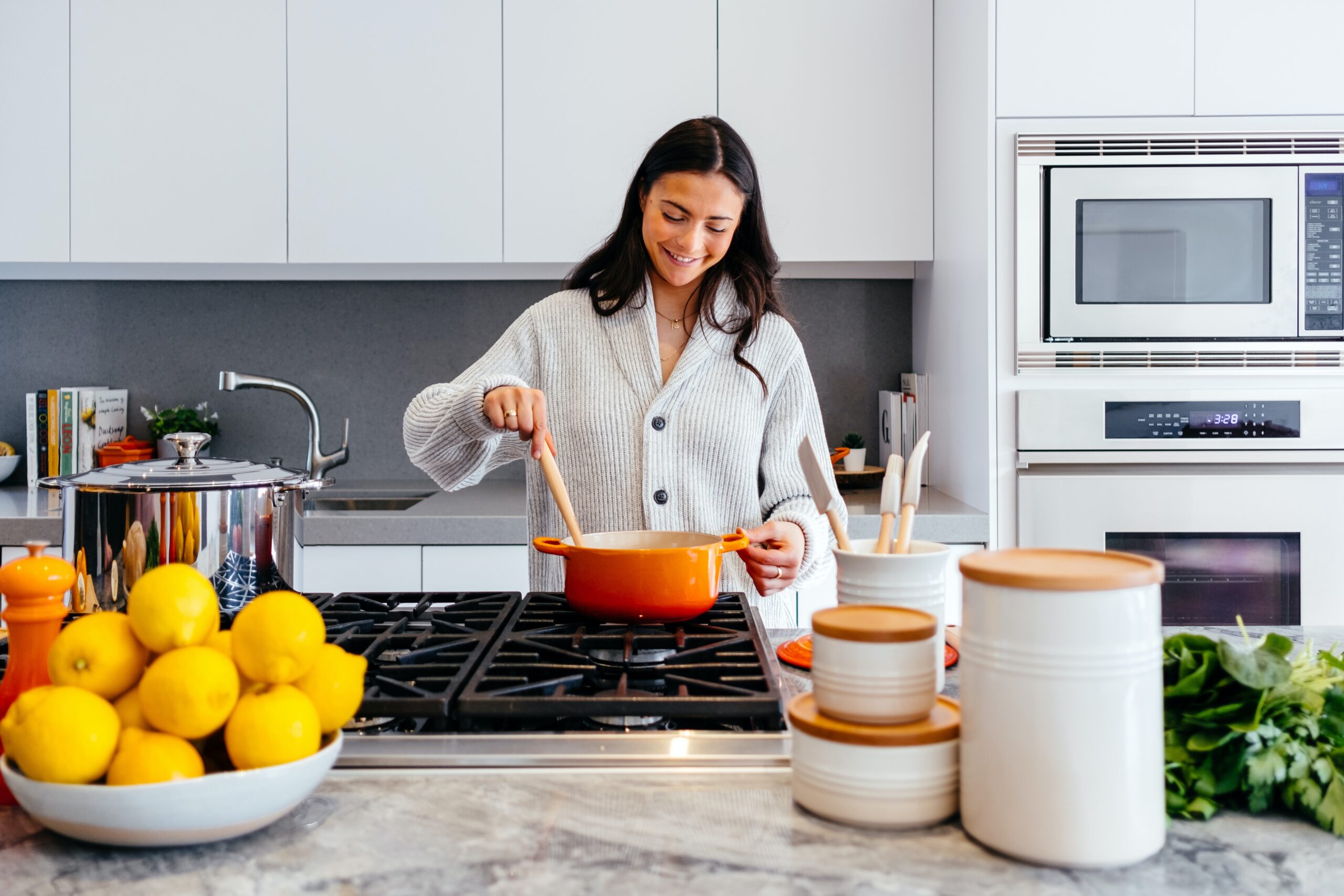
Before diving into licensing, permits, or recipes, you first need to clarify what type of food business you’re starting. This decision will shape everything that follows—from your legal requirements to your marketing strategy and your customer base.
The State of Texas recognizes two main categories of food businesses:
- Cottage Food Operations
- Commercial Food Establishments
Are You Starting From Home?
If you’re planning to bake bread in your kitchen, make jam from your backyard berries, or sell cookies at a local farmers’ market, you may fall under Texas’ Cottage Food Law. This law allows individuals to produce and sell specific non-perishable food items from their residential kitchen without needing a food manufacturer’s license or routine inspections.
Examples of common cottage food businesses:
- Home-based bakeries
- Homemade jam, jelly, or pickle producers
- Dried spice and tea blends
- Popcorn and snack mix vendors
However, cottage food operations come with important limitations:
- You must sell directly to consumers—no wholesale, no resale in shops or restaurants.
- Your products cannot require refrigeration.
- There are strict labeling requirements, and you must complete a food handler’s course.
If this sounds like your setup, the Cottage Food Law could be the perfect fit to get started with low overhead and fewer regulatory hurdles.
Learn more at the Texas Cottage Food Law Overview.
Are You Planning to Operate a Larger or More Complex Food Business?
On the other hand, if your goal is to:
- Sell hot or perishable foods (e.g., tamales, dairy, meat products)
- Ship products online or across state lines
- Sell wholesale to grocery stores or cafes
- Use a shared-use or commercial kitchen
- Open a food truck, café, catering company, or bottling business
…then you’ll need to be licensed and inspected by the Texas Department of State Health Services (DSHS) as a commercial food manufacturer or food establishment.
This path involves more paperwork, higher startup costs, and compliance with state health codes—but it also allows you to scale your business, reach more customers, and operate in a wider range of environments.
Not Sure Which One Applies to You?
If you’re somewhere in between—for example, producing baked goods in a rented commercial kitchen but selling them at local events—you’ll want to talk to your local health authority or the DSHS to clarify what kind of license or registration is required.
Also, keep in mind that local zoning laws, city ordinances, and county regulations may further affect how and where you can operate.
Tip: Write out your business idea in detail—what you’re selling, where you’re selling, and how you’re preparing it. Then compare that to the legal definitions and limitations of cottage food versus commercial food businesses in Texas. This will help you confidently choose the right path.
Step 2: Understand Cottage Food Laws in Texas
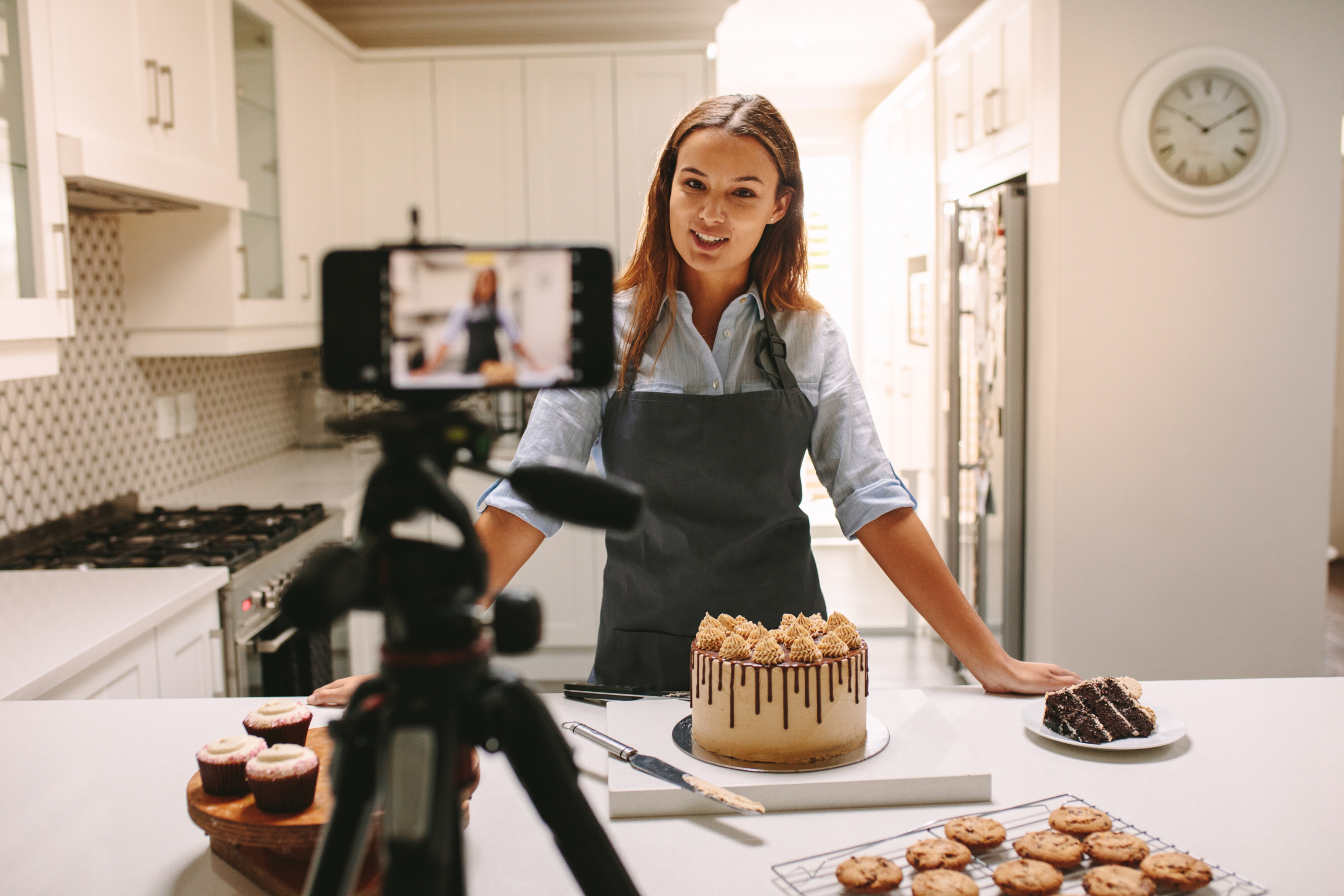
The Texas Cottage Food Law allows individuals to make and sell certain non-perishable foods directly to consumers from their homes.
Permitted Items Include:
- Breads, muffins, cookies
- Cakes (non-refrigerated)
- Jams and jellies
- Dried herbs
- Candy, popcorn, and dry mixes (added in recent updates)
As of HB 970 and SB 572, recent expansions also allow for pickled, fermented, and freeze-dried goods. Read the Cottage Food FAQs from the Texas DSHS.
Restrictions:
- No sales through restaurants, grocery stores, or online.
- All food must be sold directly to the customer.
- Sales are limited to $50,000 per year in gross revenue.
- Foods must not require refrigeration.
Labeling Requirements:
Your label must include:
- Your name and address
- Ingredients in descending order of weight
- Statement: “This food is made in a home kitchen not inspected by a health department.”
Refer to Texas Health and Safety Code Sec. 437.0193 for full labeling rules.

Step 3: Get a Food License (If Not Cottage)
If your food business plans go beyond the limitations of Texas’ Cottage Food Law—such as selling perishable foods, distributing to retailers, shipping products online, or using a commercial kitchen—you’ll need to obtain the proper licensing from the Texas Department of State Health Services (DSHS). This step is essential for any operation that falls outside the narrow definitions of a cottage food producer.
Who Needs a Food Manufacturer License?
You will need a Food Manufacturer License if:
- You produce foods that require refrigeration (e.g., dairy-based goods, meats, salsas, etc.)
- You sell wholesale to stores, coffee shops, restaurants, or online retailers.
- You operate from a commercial kitchen, shared-use facility, or food production warehouse.
- You prepare or package food that is not exclusively sold face-to-face directly from your home.
If your products are intended for mass consumption, involve hazardous ingredients, or are distributed beyond farmers’ markets and home pickup, a license is not just recommended—it’s legally required.
License Application Process
To get started, you must submit a Food Manufacturer License application through the DSHS. This includes providing:
- Business name and address
- Facility address (if different from your home)
- Description of food products you will manufacture
- Estimated annual gross sales
- Details of your production process and food safety procedures
Apply online or download the appropriate forms here:
Texas DSHS Food Manufacturer License Application Page
You will also need to ensure your facility meets health code requirements and may be subject to inspection before your license is issued.
How Much Does It Cost?
The license fee is based on your projected gross annual sales from food manufacturing:
| Gross Sales Range | License Fee |
|---|---|
| $0 – $9,999.99 | $104 |
| $10,000 – $49,999.99 | $208 |
| $50,000 – $99,999.99 | $312 |
| $100,000 – $249,999.99 | $520 |
| $250,000 – $499,999.99 | $729 |
| $500,000 – $999,999.99 | $1,042 |
| $1 million – $9,999,999.99 | $1,250 |
| $10 million or more | $1,731 |
Note: These fees are current as of the latest DSHS guidelines but are subject to change. Always verify on the official DSHS site before applying.
Contact for Help or Questions:
Food and Drug Licensing Group – MC 2835
Texas Department of State Health Services
P.O. Box 149347
Austin, TX 78714-9347
📞 Phone: (512) 834-6626
📠 Fax: (512) 834-6618
📧 Email: foodslicensinggroup@dshs.texas.gov
Before You Apply: Checklist
- Have a clear business plan and list of food products
- Make sure your facility complies with zoning and health regulations
- Prepare a food safety plan or standard operating procedure
- Review the inspection guidelines from DSHS
- Budget for the license fee and any necessary upgrades to your kitchen or facility
Bottom line: If you’re building a food business that goes beyond home sales—especially one that involves perishables, wholesale, or shipping—licensing is not optional. It’s your gateway to legal operation, consumer trust, and long-term growth.

Step 4: Complete a Certified Food Handler’s Course
Before you sell your first cookie or jar of jam in Texas, you’re required by law to complete a state-approved food handler training course. This is a non-negotiable step for all cottage food operators, regardless of how small your operation is or how safe you believe your kitchen already is.
Why It’s Required
Food safety isn’t just for restaurants and large manufacturers. As a cottage food producer, you are handling products that people will consume, and even shelf-stable foods can pose health risks if they’re prepared or stored improperly.
The food handler training ensures you understand essential principles such as:
- Proper handwashing techniques
- How to avoid cross-contamination
- Safe cooking and storage temperatures
- How to keep your kitchen sanitary
- Basic allergen awareness
These practices not only help prevent foodborne illnesses—they build trust with your customers and help protect your business from liability.
Course Details
- The course typically takes 1.5 to 2 hours to complete.
- It’s available 100% online, making it flexible and convenient.
- Once completed, you’ll receive a certificate of completion that is valid for two years.
- Most courses cost between $10 and $20.
Many programs are self-paced and can be completed on your own schedule. Some even allow you to take the course in Spanish or other languages.
Who Needs It?
All individuals directly involved in preparing or handling food products must be certified. Even if you work alone, or only occasionally make products for sale, you still need to have the certificate on hand.
What Happens if You Skip It?
Operating without completing a food handler training course puts you at risk of non-compliance. If a customer files a complaint and the health department investigates, failure to present your certificate could result in warnings, fines, or even the forced shutdown of your business.
Get Certified Here
Visit the official Texas DSHS site to find an accredited course provider:
Texas Food Handler Training Programs
You can also search for local in-person classes through your county health department or community colleges if you prefer face-to-face learning.
Tip: Once you complete your training, print multiple copies of your certificate and store them with your business paperwork. You may also want to display a copy at farmers’ markets or vendor booths to reassure customers that you’re following food safety best practices.

Step 5: Choose the Right Business Structure
How you register your business depends on your chosen structure.
Sole Proprietor or Partnership:
- File a DBA (Doing Business As) with your county clerk.
- No registration with the Secretary of State required.
LLC or Corporation:
- Register through the Texas Secretary of State
- Also file an assumed name certificate if using a name different from your registered entity.
Consider consulting a small business attorney or accountant to choose the structure that minimizes liability and optimizes taxes.
Step 6: Understand Local Zoning and Permits
Starting a food business is not just about the kitchen—it’s also about location, location, location. Before you invest in equipment or start selling to customers, you need to make sure your business is legally allowed to operate in your area. That’s where zoning laws and local permits come into play.
Zoning regulations vary widely from one city or county to another in Texas. What’s permitted in rural areas may be prohibited in urban zones, and even within a single city, rules may change by neighborhood or district.
Why Zoning Matters for Food Businesses
Zoning laws are designed to separate residential, commercial, agricultural, and industrial land uses to maintain order and safety in communities. If you’re operating a business from home—especially one that involves food preparation—you could run into restrictions if your area is zoned strictly for residential use.
Common zoning issues food businesses may face:
- Prohibited commercial activities in residential neighborhoods
- Limits on signage, customer traffic, or delivery vehicles
- Restrictions on constructing or converting detached structures (like garages or sheds) into commercial kitchens
Two Scenarios to Consider:
1. Home-Based Businesses (Cottage Food)
If you’re running your business under the Cottage Food Law and preparing non-perishable items in your home kitchen, you may still need to check whether:
- Your city or HOA allows home-based businesses
- There are restrictions on selling from your home or signage
- Any additional permits (like a home occupation permit) are required
For example, Austin-Travis County prohibits home preparation of food for public consumption unless it meets the requirements of the Cottage Food Law. That means even free samples made at home could violate the rules if your business doesn’t qualify under the cottage designation. See the guidance from the City of Austin Environmental Health Services.
2. Commercial Kitchens and Food Establishments
If you’re planning to open a food truck, commercial bakery, restaurant, or catering service operating from a rented or built-out kitchen, zoning requirements become even more critical. You’ll need:
- A certificate of occupancy for the space
- A commercial kitchen location that complies with local zoning ordinances
- Possible fire and building inspections before you can open
Many cities and counties will require you to submit detailed site plans or blueprints before issuing permits.
How to Check Zoning in Your Area
- Contact your local planning or zoning office. Most counties and cities have zoning maps online.
- Use your address to look up how your property is zoned.
- Ask about home-based business permits and whether food preparation is allowed.
- Check with your homeowners association (HOA) if applicable—many have additional restrictions beyond city ordinances.
Bonus Tip: Get It in Writing
Whenever possible, get confirmation from your local planning department or zoning office in writing (email is fine). This can protect you in case of future complaints or inspections.
The Bottom Line:
Don’t assume your kitchen—or any location—is automatically approved for business use just because it has a stove and a sink. By proactively checking your zoning and permitting requirements, you’ll avoid fines, shutdowns, or conflicts with your neighbors. It’s a critical step for starting your food business legally and with peace of mind.
Step 7: Know the Texas Food Tax Rules
The Texas Comptroller oversees sales tax collection for food businesses.
Quick Tax Summary:
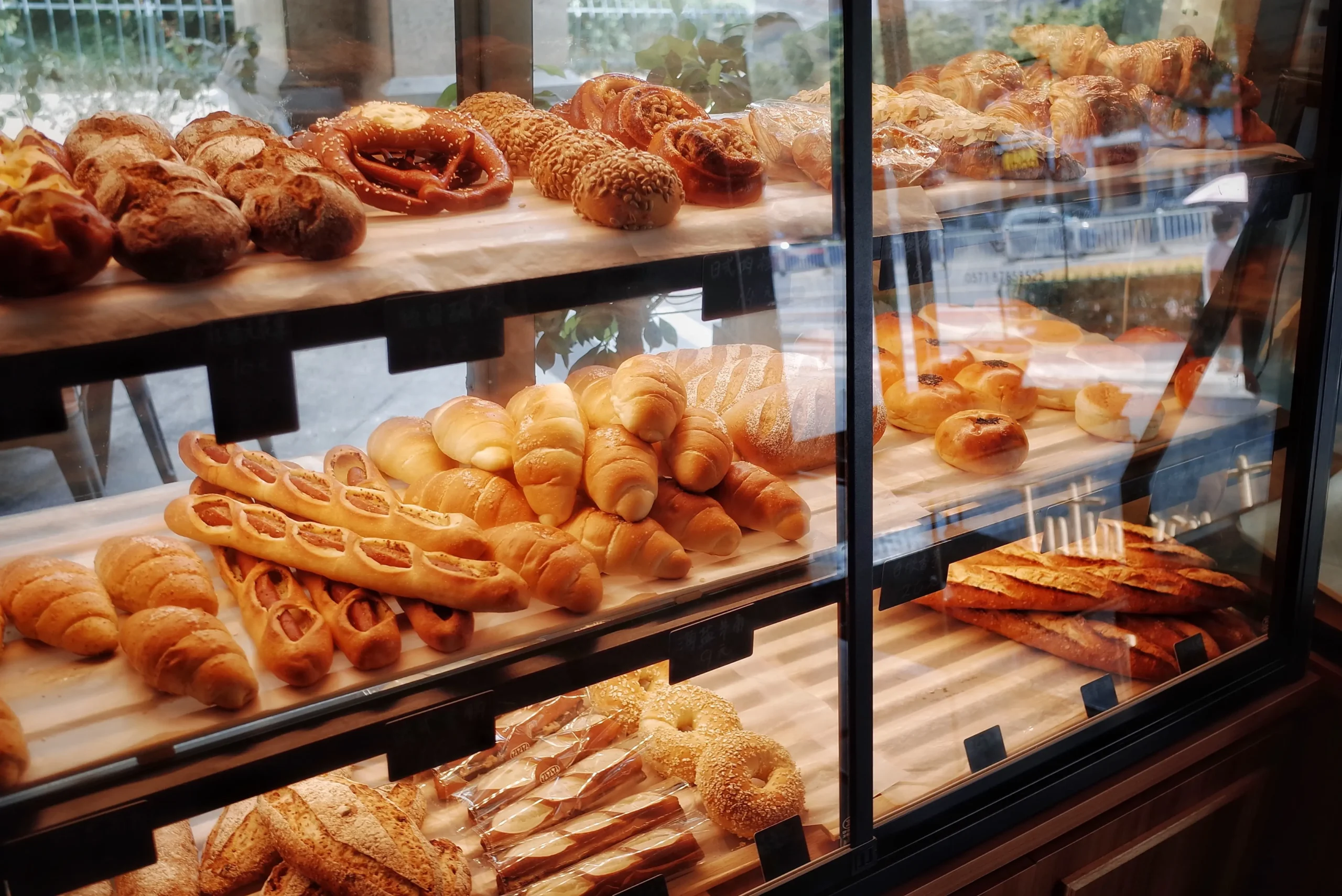
- Bakery items are not taxable unless sold with eating utensils or on a plate.
- Hot or ready-to-eat food is usually taxable—even to-go items.
- Cottage food items sold without utensils are generally tax-exempt.
👉 See the full food tax guide: Texas Sales Tax on Food
You may also need to file personal property tax on equipment if your county requires a rendition. Learn more: Rendition Form 50-144
Step 8: Use Safe Food Handling Practices When Preparing Your Cottage Foods
Food safety isn’t just a good practice—it’s your responsibility as a food business owner. The Centers for Disease Control and Prevention (CDC) estimates that 1 in 6 Americans get sick from foodborne illnesses each year. While anyone can be affected, some groups—like pregnant women, young children, seniors, and those with weakened immune systems—face a much higher risk of serious illness.
Even if you’re operating under Texas’ Cottage Food Law and aren’t subject to routine health inspections, you are still responsible for protecting your customers from contamination. Unsafe food handling can lead to illness and complaints—and in serious cases, your business could be shut down.
How to Reduce the Risk of Foodborne Illness:
- Practice good personal hygiene: Wash your hands often and wear clean clothes or an apron when preparing food. Avoid handling food if you’re sick.
- Prevent cross-contamination: Keep raw ingredients separate from ready-to-eat products. Use separate cutting boards, utensils, and prep areas when necessary.
- Cook food to proper temperatures: Although cottage food operators generally sell non-TCS (non-Time/Temperature Controlled for Safety) foods, any heat-treated ingredients (like baked goods) should still be cooked thoroughly.
- Store food properly: Protect your ingredients and finished products from pests, moisture, and temperature extremes. Use clean, airtight containers, and label them clearly.
Special Note on Jams, Jellies, and Pickles
If you’re producing shelf-stable items like jams, jellies, or pickled products, make sure to:
- Use tested and approved recipes from trusted sources like the USDA or state extension services.
- Process them correctly using a boiling water bath canner, not just a simple stovetop method.
You can find trusted preservation methods and recipes from the National Center for Home Food Preservation, which is a reliable resource for food safety guidelines.
Practicing these food safety principles not only protects your customers—it protects your brand. As your food business grows, word-of-mouth and customer trust will be two of your most valuable assets.

Step 9: Track Customer Complaints and Stay Compliant
Running a food business under Texas’ Cottage Food Law gives you more flexibility, but it doesn’t make you immune to oversight. While cottage food producers are not subject to routine inspections, the Texas Department of State Health Services (DSHS) or your local health authority can still take action if consumer complaints are filed against your business.
That’s why it’s important to take a proactive approach to food safety, transparency, and compliance—because your reputation and livelihood depend on it.
Here’s What You Need to Know:
1. Complaints Can Trigger Health Department Action
If a customer reports a potential issue—whether it’s foodborne illness, mislabeling, or suspected unsanitary conditions—DSHS can open a case and begin investigating. In severe cases, they have the authority to shut down your operation.
That’s why you should take every complaint seriously, even if it seems minor or unfair.
2. Maintain a Clean and Organized Production Area
Make sure your kitchen or prep area is spotless and adheres to basic sanitation and storage standards. You don’t need stainless steel counters or industrial-grade appliances, but you do need to avoid clutter, contamination, and improper food handling. Keep pets, children, and personal items out of your prep space during business hours.
Document your cleaning routines and ingredient sourcing—it’s a good habit that can help if you’re ever questioned by a health official.
3. Label Accurately and Follow the Rules
Most complaints to authorities about cottage food businesses are related to labeling errors, such as missing allergen information or failing to include the required “not inspected” statement.
Make sure every product includes:
- The name and physical address of your business
- An ingredient list (in descending weight order)
- A clear label that states:
“This food is made in a home kitchen not inspected by the Texas Department of State Health Services or a local health department.”
You can review label requirements again at Texas Health & Safety Code §437.0193.
4. Stay Informed About Law Changes
Texas’s cottage food laws have evolved since they were first passed in 2011, and more changes could come. Keep yourself informed by:
- Checking the DSHS Cottage Food Page regularly
- Signing up for updates through your county’s environmental health office
- Joining online forums or local business groups for home-based food entrepreneurs in Texas
Staying current helps you adapt quickly and avoid accidental non-compliance.
5. Create a Complaint Log
Even if it’s informal, keep a record of any customer feedback, especially complaints. Note the date, what the concern was, how you responded, and what you changed (if anything). This shows good faith and may serve you well if you ever need to demonstrate your commitment to public health and customer satisfaction.
Bottom line? Compliance doesn’t stop at the kitchen. Treat your small business like a professional operation by prioritizing customer safety, transparency, and proactive communication. The more responsibly you manage risk, the more likely your business will thrive—and grow.
Final Thoughts
Starting a food business in Texas is more than just cooking up something tasty—it’s about doing it by the book. With the state offering avenues for both home-based and commercial food ventures, you have the flexibility to start small and scale smart. Just remember: compliance is key to protecting your customers and your business.
Key Resources:
- Food Handler Course Providers
- Texas Department of State Health Services – Food Licensing
- Texas Cottage Food Law Guide – DSHS
- Texas Secretary of State – Business Filings
- Texas Comptroller – Sales Tax on Food
Resources on Starting a Food Business
For additional reading on how to start a food business, check out the following articles:
- How to Start a Food Business
- Social Media and the Mobile Food Truck Business
- How to Start a Mobile Food Truck Business
- How to Start a Home-Based Baked Goods Business
- U.S. Food and Drug Administration’s Small Business Guide to Food Starting a Bakery: Success in the Niche Food Business (PDF)
This article was originally published on February 16, 2014 and updated on July 7, 2025
