Choosing the right tools and equipment to offer is the backbone of a successful tool rental business. This guide helps you identify high-demand tools, understand what different customers are looking for, and build a rental inventory that earns consistent revenue—all backed by industry research, real-world trends, and practical advice for new and growing rental businesses.
Key Takeaways
- The rental market is booming due to rising demand from homeowners and contractors.
- Choosing the right tools is essential for profitability.
- Prioritize high-demand categories: construction, painting, demolition, and welding.
- Heavy equipment rentals offer high margins but require operator policies.
- Don’t buy too much inventory—grow slowly and strategically.
- Offer specialized tools to differentiate your business.
- Maintain tools meticulously for customer satisfaction and repeat business.
- Selling used tools and accessories creates valuable additional income.
Articles in the Starting a Tool and Rental Equipment Series:
- How to Start a Tool and Equipment Rental Business
- Tool Rental Business: What Tools and Equipment to Rent Out
Table of Contents
Why Choosing the Right Tools Matters
When you’re starting or expanding a tool rental business, the biggest question is always the same: Which tools should I rent out? The answer isn’t simply “as many as possible.” It’s about choosing tools that your customers rent often, are durable enough to handle repeated use, and deliver strong return on investment.
This matters now more than ever. According to Data Bridge Market Research, the global construction equipment rental market reached $112.38 billion in 2024 and is projected to grow to $161.05 billion by 2032. This growth is driven by rising home improvement activity, small business expansion, and the ongoing shift from tool ownership to tool access.
In other words, people don’t want to own everything—they want the right tool when they need it.
Your rental inventory is the beating heart of your business. Choosing wisely not only boosts revenue but positions you as the go-to resource in your community for reliable, well-maintained, professional-grade equipment.
Below is your complete guide to choosing the right rental tools—from homeowner favorites to contractor essentials and heavy-duty commercial equipment.
Visual Snapshot: High-Demand Rental Tools
| Category | High-Demand Tools | Customer Type | Rental Profitability |
|---|---|---|---|
| Painting & Walls | Paint sprayers, drywall sanders, wallpaper steamers | Homeowners, remodelers | ⭐⭐⭐⭐ |
| General Construction | Trenchers, compactors, core drills, pressure washers | Contractors, landscapers | ⭐⭐⭐⭐⭐ |
| Demolition | Jackhammers, breakers, chipping hammers | Contractors | ⭐⭐⭐⭐⭐ |
| Fastening & Welding | Nailers, staplers, welders | Flooring pros, framers | ⭐⭐⭐⭐ |
| Landscaping | Chainsaws, aerators, leaf vacuums | Homeowners, landscapers | ⭐⭐⭐⭐ |
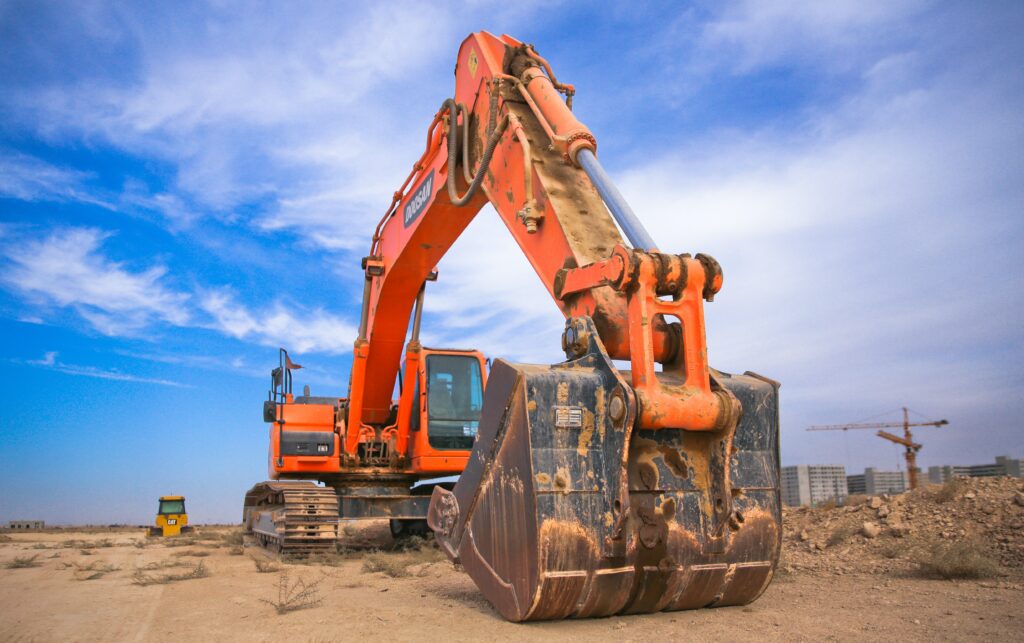
| Heavy Equipment | Excavators, bulldozers, asphalt milling machines | Commercial clients | ⭐⭐⭐⭐⭐ |
Choosing Categories: Start With Your Customer Needs
According to Toolstastico, the first step is organizing your rental offerings into categories such as:
- Painting & walls
- General construction
- Landscaping
- Fastening & welding
- Demolition
- Heavy equipment
This makes it easier to build inventory strategically. You don’t need to start with everything—you start with the categories most relevant to your customers and your local market.
Table: ROI by Tool Category
Selecting tools should never be guesswork. This table gives you a realistic sense of what tools earn the most—and how quickly they pay for themselves.
| Tool Category | Example Tools | Avg Purchase Price | Avg Daily Rental Rate | Break-Even Point | Profit Potential |
|---|---|---|---|---|---|
| Painting & Finishing | Sprayers, drywall sanders | $150–$450 | $25–$65 | 4–8 rentals | ⭐⭐⭐⭐ |
| General Construction | Compactors, trenchers | $300–$3,500 | $40–$150 | 4–10 rentals | ⭐⭐⭐⭐⭐ |
| Demolition | Jackhammers, breakers | $500–$1,200 | $60–$120 | 6–8 rentals | ⭐⭐⭐⭐⭐ |
| Flooring & Fastening | Nailers, compressors | $150–$500 | $20–$45 | 5–8 rentals | ⭐⭐⭐⭐ |
| Landscaping | Aerators, chainsaws | $200–$3,000 | $35–$120 | 5–10 rentals | ⭐⭐⭐⭐ |
| Heavy Equipment | Excavators, skid-steers | $15,000–$60,000 | $250–$900 | ~18–25 rentals | ⭐⭐⭐⭐⭐ |
| Transport Equipment | Utility trailers | $900–$4,000 | $40–$100 | 8–15 rentals | ⭐⭐⭐⭐ |
Seasonality Table: When Tools Rent Best
Understanding seasonal demand helps you stock the right tools at the right time—and avoid tools sitting idle.
| Season | Most-Rented Tools | Why Demand Spikes |
|---|---|---|
| Spring | Aerators, pressure washers, chainsaws | Yard cleanup + exterior maintenance |
| Summer | Concrete saws, compactors, trenchers | Peak construction season |
| Fall | Leaf vacuums, blowers, stump grinders | Cleanup & winter preparation |
| Winter | Floor sanders, heaters, generators | Indoor renovations + storms/outages |
| Year-Round | Nailers, drills, wet/dry vacs, trailers | Consistent contractor + homeowner demand |
Starter Inventory List for Beginners
If you’re launching a new tool rental business, start lean with the tools that deliver the fastest ROI and the highest rental frequency.
Painting & Finishing
- Paint sprayer
- Drywall sander
- Wallpaper steamer
General Construction
- Pressure washer
- Tile saw
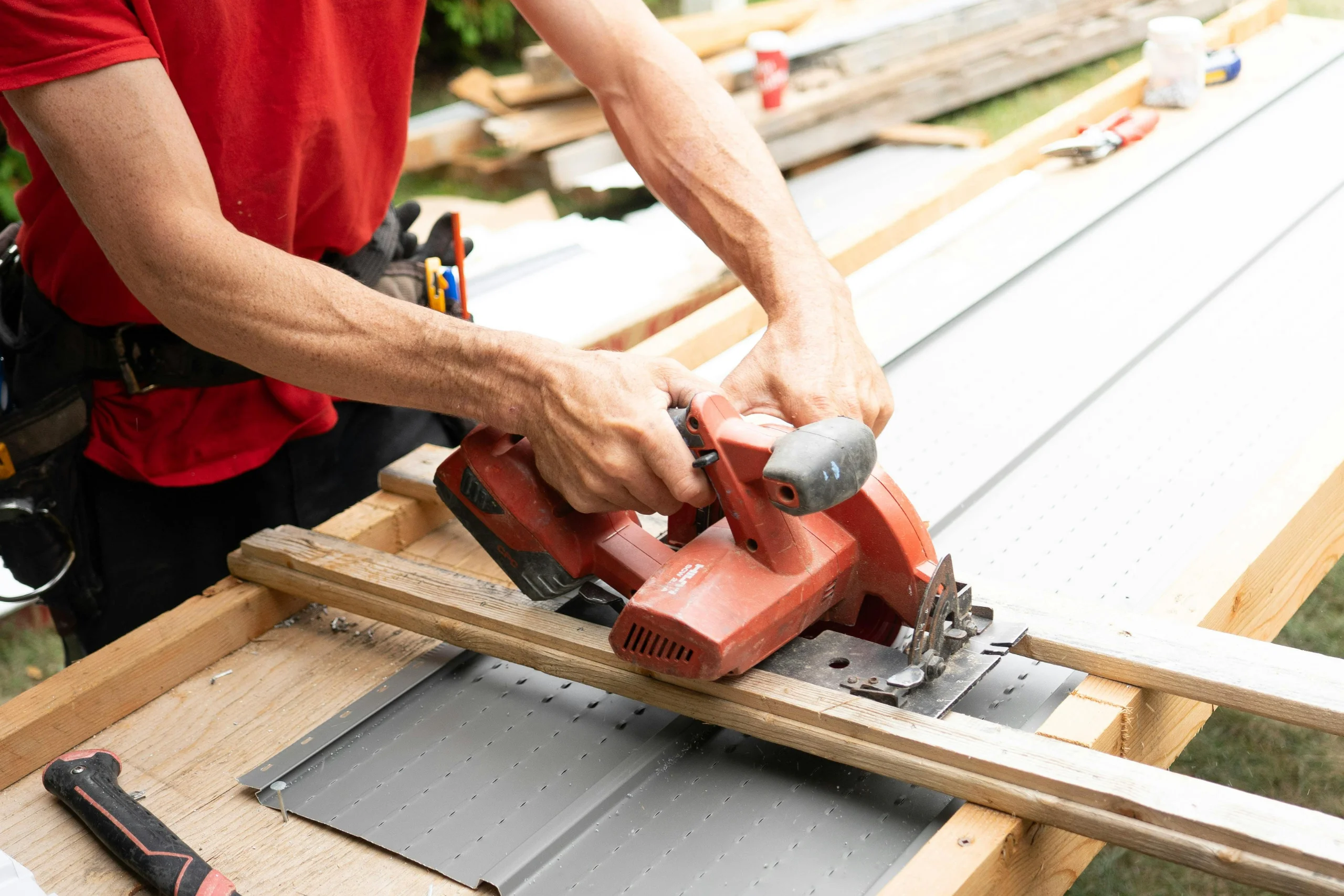
- Circular saw
- Wet/dry vacuum
- Chainsaw
- Rotary hammer
- Plate compactor
- Walk-behind trencher (budget permitting)
- Laser level kit
Fastening & Flooring
- Floor nailer
- Flooring stapler
- Framing nailer
- Finish nailer
- Air compressor
Demolition
- Electric jackhammer
- Chipping hammer
- Floor stripper
Landscaping
- Lawn aerator
- Leaf blower
- Hedge trimmer
- Gas string trimmer
Transport
- Small utility trailer (5×8 or 6×10)

Painting & Walls Tools to Rent Out
Painting and wall-prep tools are popular rentals because these projects are:
- Frequent
- Time-consuming
- Equipment-dependent
Homeowners, painters, and DIYers often need tools they won’t use frequently enough to justify buying.
High-Demand Painting & Wall Tools
- Drywall sanders
- Electric wallpaper steamers
- Paint sprayers
- Texture sprayers
Why These Tools Rent Well
Paint sprayers alone can cost $300–$1,000 for a homeowner—renting is more practical. Drywall sanders are another favorite because they eliminate the dust, mess, and uneven results of manual sanding.
Table: Painting Tool ROI
| Tool | Buy Price | Avg Daily Rental | ROI Timeline |
|---|---|---|---|
| Paint Sprayer | $400 | $65/day | 6–7 rentals |
| Drywall Sander | $250 | $40/day | 7–8 rentals |
| Wallpaper Steamer | $150 | $25/day | 6 rentals |
General Construction Tools to Rent Out
General construction tools are the bread and butter of most rental businesses. They are essential for contractors and trusted heavily during home renovations.
Popular General Construction Rentals
- Core drills
- Walk-behind and ride-on trenchers
- Air jackhammers
- Mini excavators
- Tampers
- Plate compactors
- Rotary laser levels
- Gas-powered concrete saws
- Chainsaws
- Roto hammers
- Electric pressure washers
Why These Tools Matter
Concrete tools, excavation equipment, and compactors provide some of the highest rental margins in the entire industry. They rent for higher prices and often for multiple days or weeks at a time.
Mini Case: Sanders
A random orbital sander is one of the most requested construction tools by woodworkers and automotive professionals. Multiple sander types (orbital, belt, finishing) allow you to tailor options to customer needs—reducing idle inventory and increasing rental frequency.
Fastening & Welding Tools to Rent Out
Fastening and welding equipment is extremely popular among:
- Flooring installers
- Framers
- Siding contractors
- DIY home renovators
High-Demand Tools
- Air compressors
- Floor nailers
- Floor staplers
- Framing nailers
- Finish nailers
- Welders
Why These Tools Rent Frequently
Nailers are expensive, require specific compressor capacity, and are essential for flooring, building, and remodeling. They are used intensively but inconsistently—perfect for renters.
Demolition Tools to Rent Out
Demolition tools are some of the highest-earning rentals due to:
- High retail costs
- Intensive short-term use
- Broad contractor demand
Essential Demolition Rentals
- Electric jackhammers
- Breakers
- Chipping hammers
- Roto hammers
- Floor strippers
Why These Tools Rent Well
Demolition is often a short-term job. Customers don’t want to store or maintain bulky tools that they may only need once a year—even professional contractors.
Vehicles, Trailers & Transport Equipment
Tools are only half the business. Transport equipment provides strong revenue and expands your service offerings.
High-Demand Transport Rentals
- Flatbed trailers
- Double axle trailers
- Utility trailers
These are especially useful for contractors moving materials, landscaping companies, or customers towing rental equipment.
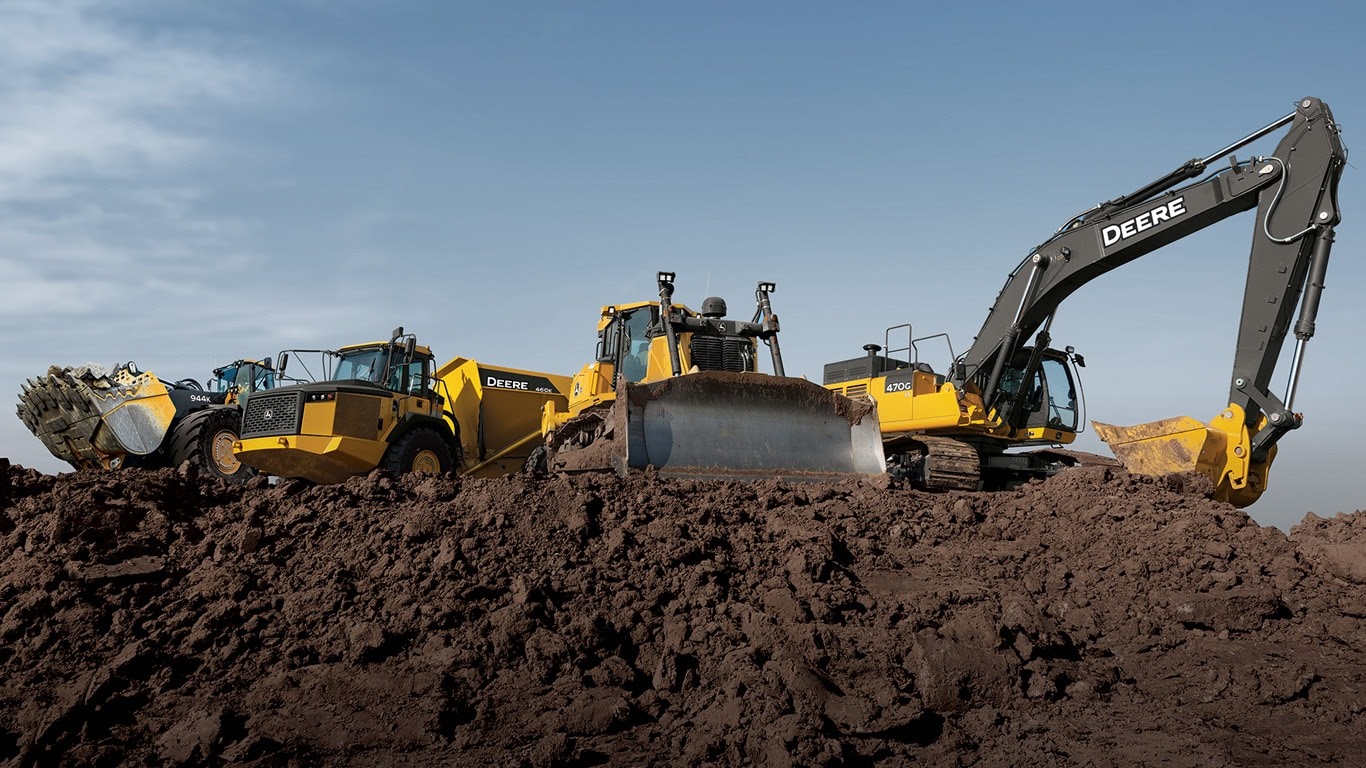
Commercial & Industrial Equipment Rentals
If you’re targeting larger contractors or industrial clients, high-end rentals provide excellent margins but require careful management.
Examples
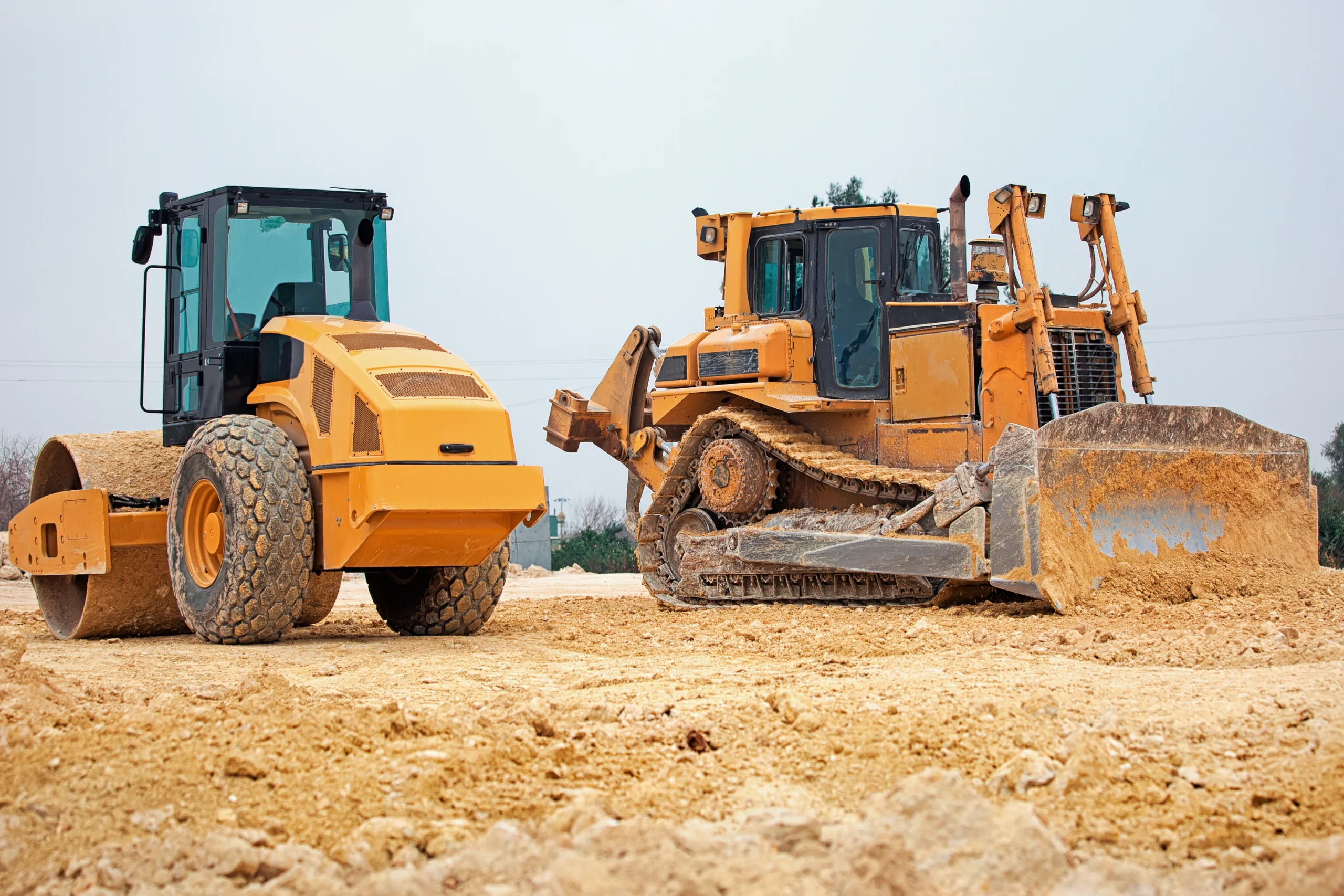
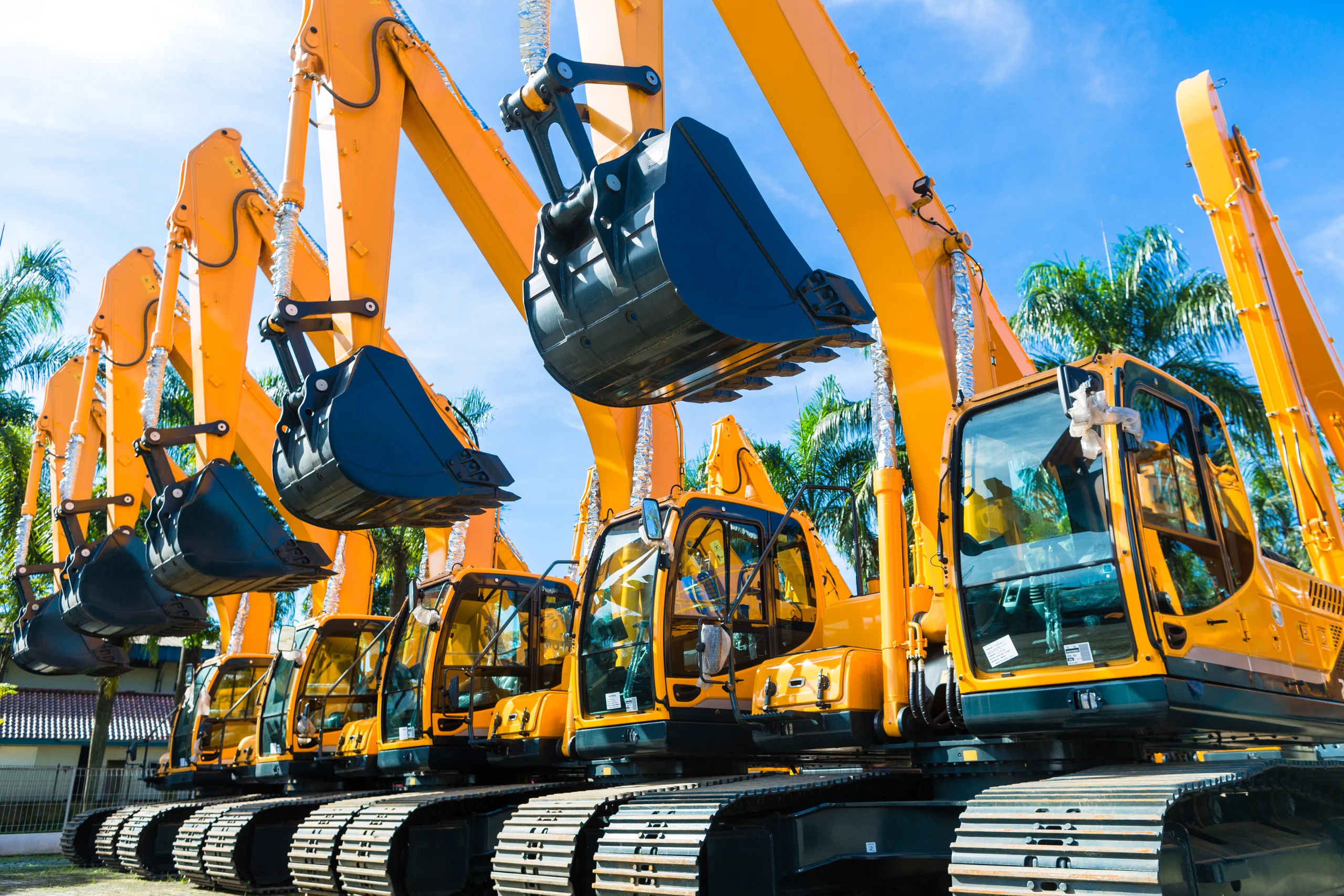
- Excavators
- Bulldozers
- Asphalt milling machines
- Large skid-steers
Heavy-duty rentals often come with an operator because:
- The machines are expensive
- Improper use risks major damage
- Many customers lack certification
Providing an operator adds a profitable service layer while protecting your asset.
Specialized Tools That Differentiate Your Business
Beyond standard rentals, offering specialized tools boosts demand and positions you as a premium provider.
Example: Self-Dumping Hoppers
These are popular in:
- Commercial construction
- Industrial cleanup
- Manufacturing facilities
Companies like Roura Material Handling produce durable, long-life hoppers that reduce labor costs and improve job-site efficiency.
Why Specialty Tools Matter
They:
- Command higher rental rates
- Face less competition
- Build customer loyalty
- Set your business apart from big box stores
Managing Inventory: Don’t Buy Everything at Once
One of the biggest early mistakes rental businesses make is buying too many tools too quickly. Inventory ties up capital, and low-demand tools can sit unused, costing you money.
A Better Strategy
- Start with the top 20% of tools that produce 80% of rental demand in your area
- Expand slowly based on actual rental analytics
- Rotate inventory based on seasonal trends
- Sell used equipment to refresh stock
Table: High vs. Low Priority Purchases
| Priority | Tool Type | Reason |
|---|---|---|
| High | Pressure washers, nailers, compactors | High frequency rentals |
| Medium | Specialty saws, wet vacs | Moderate demand |
| Low | Niche welding tools, rare attachments | Only buy for proven demand |
Customer Service Is Your Secret Weapon
When two rental businesses offer the same tools at roughly the same price, what makes a customer choose one over the other? It’s not always inventory size or brand names—it’s the experience.
Outstanding customer service is the most powerful competitive advantage a tool rental business can have, especially if you’re operating with a smaller inventory or are still growing your selection. Many customers, whether homeowners or contractors, walk through the door unsure of exactly what they need or how to use a tool safely. When you can guide them confidently, explain options clearly, and save them from making costly mistakes, you become more than a rental company—you become a trusted partner in their project’s success.
Customers value:
- Clean, well-maintained tools
- Quick availability and efficient pickup
- Simple, clear demonstrations
- Friendly, approachable guidance
- Accurate recommendations tailored to the job
- Transparent pricing with no surprises
Delivering consistently great service builds trust—and trust builds loyalty. When customers know they can rely on you not just for tools, but for honest advice and dependable support, they return again and again.
A homeowner who rented a pressure washer from you this spring will come back for a tile saw during winter renovations. A contractor who appreciates your fast turnaround will rely on you for every job.
Exceptional service isn’t just a “nice-to-have”—it’s a long-term revenue engine. And in a competitive market where tools can be found anywhere, service becomes the thing that makes your business unforgettable.
Selling New & Used Tools for Extra Revenue
To supplement your rental income:
- Sell used rental tools at discounted prices
- Mark them “Previously Rented” for transparency
- Offer new accessories, blades, bits, and attachments
- Sell safety gear (gloves, goggles, respirators)
Used tools can generate hundreds or thousands in additional profit each year.
Go to Part 1: How to Start a Tool and Equipment Rental Business
Frequently Asked Questions
What are the most profitable tools to rent?
The most profitable tools are those with high demand, high retail cost, and frequent short-term usage. These include compactors, trenchers, jackhammers, pressure washers, floor sanders, and paint sprayers. Heavy equipment such as mini excavators or skid-steers also generate strong income, especially when rented by the week or month. Profitability increases when tools have low maintenance needs and fast ROI, typically after 4–7 rentals. The key is buying high-quality, durable equipment that can withstand repeated use without costly repairs.
How do I know which tools customers need most?
The best approach is direct market research. Talk to local contractors, landscapers, remodelers, and homeowners. Check Google Trends and neighborhood Facebook groups to see what projects people are discussing. Visit nearby rental stores to see which tools are consistently checked out and which are fully stocked. Understanding local patterns—like seasonal landscaping work or renovation trends—helps you stock the tools customers want most. Rental software also tracks demand over time, letting you expand based on real usage data.
Should I buy used tools or new tools for my rental business?
It depends on budget and reliability. New tools offer warranties, longer life, and better performance, making them ideal for high-demand items. Used tools can be a great way to lower startup costs, but only buy from reputable sellers and inspect thoroughly for wear, electrical issues, or missing parts. For heavy equipment, used purchases are common, but maintenance history matters. A good rule is: buy new for your core rentals, buy used for niche tools with moderate demand.
How many tools do I need to start a rental business?
Many rental businesses start profitably with 20–40 essential tools. Focus on the highest-demand items in your area: pressure washers, drills, compactors, trenchers, paint sprayers, ladders, chainsaws, nailers, and carpet cleaners. Heavy equipment can come later. Starting small keeps your cash flow healthy and prevents shelves full of tools nobody rents. Expand based on customer requests and rental frequency.
How do I decide when to add heavy equipment?
Only add heavy equipment—such as excavators, skid-steers, or asphalt milling machines—when you have steady contractor demand, enough storage, and a budget for maintenance. Heavy equipment has high ROI but also higher risk. Many rental companies include an operator to prevent misuse and protect the equipment. If your local contractors frequently ask for it, it may be worth the investment.
This article was first published on September 13, 2015 and updated on November 13, 2025.