

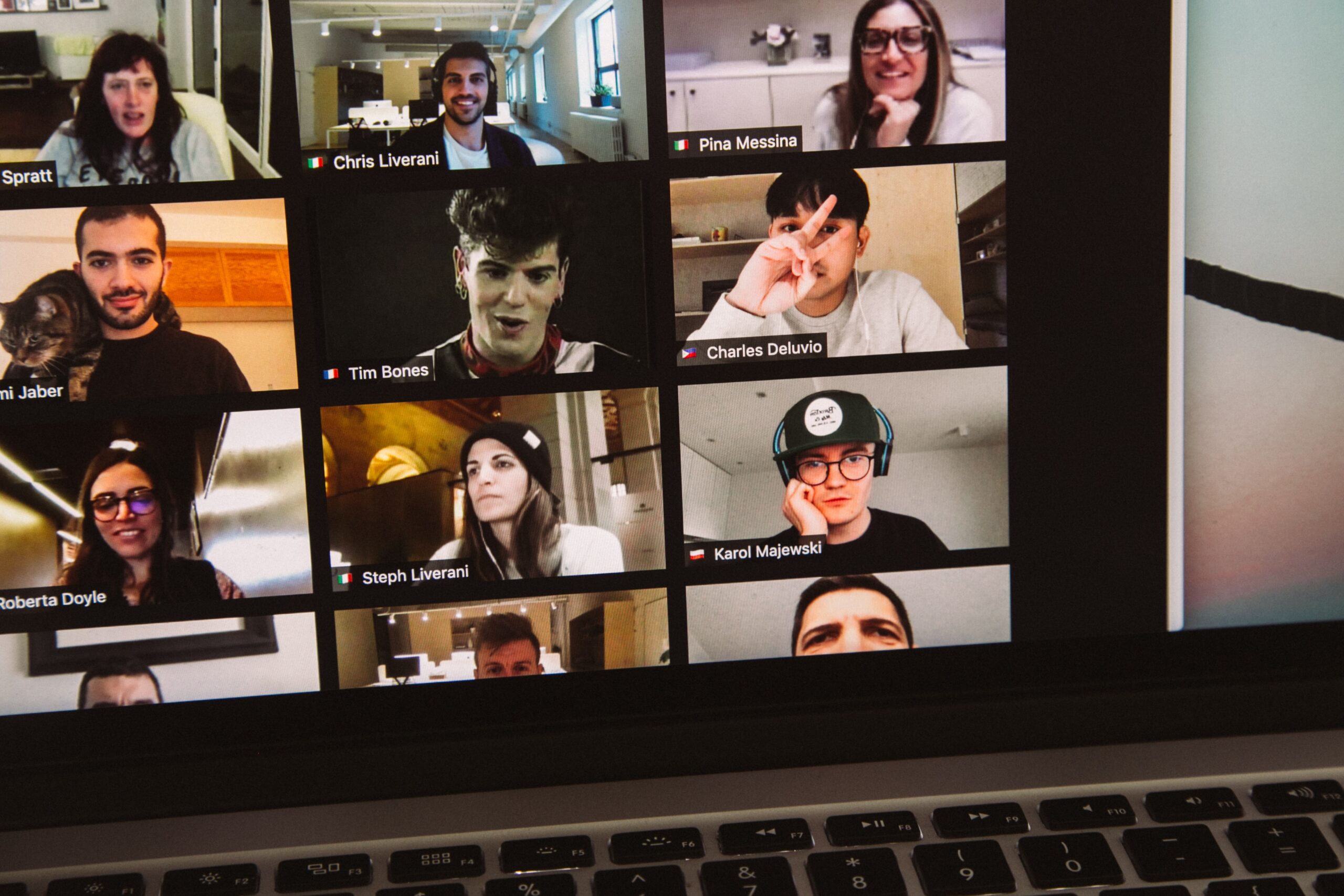
Event planners and marketers are always looking for new ways to host events. Due to the recent pandemic, the event industry has come to a standstill. But thanks to technology, it’s easier than ever to plan an event that feels like you’re in the same room as your attendees with virtual events. While virtual events were a solution to the pandemic, they continue to prosper even as things go back to normal. According to a recent LinkedIn survey of UK and Ireland-based companies, 72% of respondents want to continue using virtual events post the pandemic.
There are many types of virtual events out there, but they all have one thing in common: success depends on how well you prepare. Here are some tips for making sure your next virtual event is successful.
Choose the Right Hosting Platform Based on Your Needs
Choose the right hosting platform for your needs. There are several platforms on the market, and they all have their pros and cons. Some are better at managing large events, while others are best suited to small groups or teams.
Some things to consider when choosing a hosting platform include:
- Ease of use – How easy is it for attendees to access the event? Can they easily navigate through registration, content, and other interactions? Is there an option for them to get help if needed?
- Scalability – How well does this platform scale as you grow? Does it easily handle high volumes of traffic (or will you need additional resources)?
- Management – Do you need tools to manage your content from one place, or does each channel have its management system (for example, webinar software vs. live video streaming software)?
- Customization – Can this platform be customized according to your needs, or do they offer customizations but don’t support them very well after implementation?
If any of these features are essential for your virtual event, then make sure that whichever solution(s) you choose meets these criteria before signing up!
One of the most reputed platforms is Zoom. Zoom became the go-to virtual meeting and conferencing option for businesses worldwide during the pandemic. In fact, Zoom meeting minutes increased from around 1 trillion to over 2.5 trillion in just three months. Data shows that currently, the platform hosts over 3.3 trillion minutes annually.
Promote Your Virtual Event Before It Starts
Your virtual event doesn’t start during the meeting; it starts well before. You need to start planning for and promoting your event several weeks before its date. In fact, data shows that even small businesses need at least 3-6 weeks to promote an event successfully. You can promote your virtual event in several ways:
- Social media. Social media has a user base of 4.26 billion. Well, why not use this already available user base? Use social media to share information about the event, encourage people to sign up for it, and get them excited about what will happen at your virtual conference. You can also use hashtags on Twitter or Facebook to make it easy for others who join in the conversation on social media.
- Email marketing. Send out emails before the event with information about how they can register and what they’ll gain from participating in it—and send another email afterward thanking them for attending, asking if they enjoyed themselves or learned something new/useful in particular, and offering even more resources related to what was discussed during the webinar/teleconference/etc.
- Landing page or blog post promoting registration link(s) – Make sure everyone knows where they need to first thing once registration opens! This could be a dedicated landing page created just for this purpose or an existing blog post explicitly updated with a call-to-action button linking directly to whatever registration page(s) you have set up (more info coming soon!)
Focus on Audience Experience and Engagement
As a host, it’s your job to make sure the virtual event is easy for attendees to access. Make sure you’re accessible on all devices. Attendees will likely be viewing the content through their phones or tablets, so make sure you can be found there too.
Keep it simple and short (no more than 10 minutes). While this may seem counterintuitive since you want people to stay engaged with your presentation, shorter sessions are typically more successful because they don’t overstay their welcome and keep audiences feeling fresh throughout the day or evening.
For engagement, you must ensure that your content is informative and exciting. It should be something that the audience wants to know. You can also include some trivia games during the event to lighten up the mood and ensure everyone is engaged.
Besides, you can also send gift baskets to some of the attendees. This can be like a giveaway. Giveaways can be very powerful in attracting more audiences. Probably that’s the reason why over 55% of brands run multiple giveaways on social media simultaneously.
You can send a corporate gift basket to some chosen attendees. Moreover, you can send the gift basket before the virtual event starts and declare who received them during the event. This will increase the excitement and ensure your attendees return to future events. If the size of the event is small, with only a handful of participants, you can also send corporate gift baskets to all of them.
Follow-Up After the Event
After you’ve hosted your virtual event, it’s time to follow up with attendees. This can be done in many ways, but here are a few things to keep in mind:
- Ask for feedback from attendees. Asking for feedback is one of the easiest and most effective ways to get word-of-mouth referrals from your participants! Make sure you ask people how they felt about the event and what they would like to see at future events.
- Send thank you notes after the event and before everyone returns to their regular lives (or jobs). You can send out individualized emails or postcards thanking each participant for attending the event, sharing any new information regarding upcoming events or products/services offered by your company, etc.
Final Thoughts
Your virtual event might be a little different from the ones you’re used to, but that doesn’t mean it can’t be equally successful, especially if you use an event planning tool like EventMobi, which helps take care of all the different aspects of the event. Simply follow these tips, and remember that there are always things you can do to make sure your next virtual event runs smoothly.
