Summer provides the perfect opportunity for children to explore entrepreneurship. Starting a small business not only allows kids to earn extra cash but also helps them develop essential life skills such as responsibility, communication, money management, and problem-solving.
However, even though these are businesses run and operated by kids, albeit only for the summer, some states may require the business to have the necessary permits or licenses. This is especially true if the business will serve the public. Help your kids run their business properly by making sure that their summer business will not run afoul of the law.
Here are 10 comprehensive and engaging summer business ideas kids can successfully launch during their break.
Table of Contents

1. Lemonade Stand
Overview
A lemonade stand is a timeless, classic kid-friendly business, especially attractive during the summer heat. This simple venture is not only easy and inexpensive to set up, but it also serves as an excellent practical introduction to the basics of entrepreneurship. For generations, kids have learned invaluable business lessons by running lemonade stands, from setting prices and managing inventory to interacting with customers and promoting their products. The seasonal appeal of ice-cold lemonade on hot summer days creates a natural demand, making it an ideal first business experience for young entrepreneurs.
Getting Started
To launch a lemonade stand, kids need to gather essential supplies such as a sturdy table, disposable cups, lemonade mix or fresh lemons, water, ice, and attractive signage. Additional supplies like pitchers, a cash box for handling money, and cleaning materials for spills and sanitation will also be useful.
Selecting the right location is critical. Ideally, kids should set up their stand in areas with high foot traffic, such as neighborhood parks, community events, busy street corners, or even local sports games. To attract more customers, the stand can be decorated with colorful tablecloths, balloons, and clear, inviting signs indicating prices and specials.
Just to be on the safe side (since you never know which of your neighbors could be “Karens”), check with your local county if your lemonade stand needs to have permits or licenses. Some states require this if your lemonade stand will serve the public (if only family and friends, there’s no need). Currently, 15 states allow kids to operate a lemonade stand without a permit.
- Vermont
- California
- Colorado
- Connecticut
- Georgia
- Illinois
- Louisiana
- Missouri
- Nebraska
- Nevada
- New York
- North Dakota
- Rhode Island
- Texas
- Utah
Tips for Success
Kids can succeed by being friendly, maintaining cleanliness, and offering something unique like different flavors, sugar-free options, or homemade cookies on the side. Pricing should be attractive yet profitable, with possible promotions such as discounts on hotter days or loyalty cards for repeat customers.
Skills Learned
Children learn valuable lessons in money handling, marketing strategies, customer service, and basic bookkeeping.

2. Lawn Mowing and Yard Work
Overview
Summer is peak season for yard maintenance, making lawn mowing and yard work ideal business ventures for kids who enjoy outdoor tasks and physical activity. This seasonal enterprise not only offers a way to earn money but also provides valuable experience in responsibility, customer relations, and practical skills. Many homeowners require regular lawn care services throughout the warmer months, providing a consistent and potentially lucrative business opportunity for ambitious young entrepreneurs.
Getting Started
Initially, kids might borrow or rent equipment from family or neighbors to minimize startup costs. Essential equipment typically includes lawnmowers, rakes, gardening gloves, hedge trimmers, and possibly leaf blowers. Begin advertising by distributing flyers throughout the neighborhood, posting on local bulletin boards at community centers, libraries, or grocery stores, and leveraging social media platforms such as neighborhood Facebook groups or Nextdoor. Clearly outline the services offered, pricing structures, and availability on promotional materials to attract potential customers.
Tips for Success
To ensure success, kids should clearly state the range of services they offer, such as lawn mowing, weeding, trimming bushes, watering plants, and basic landscaping tasks. It’s crucial to set fair, consistent pricing based on factors like yard size, complexity, and service frequency. Reliability and punctuality are key—showing up as scheduled and completing tasks efficiently builds trust with customers, encouraging repeat business and positive recommendations. Offering package deals, discounts for recurring services, or referral incentives can also help expand the client base. Communication is equally important; keeping homeowners informed about scheduling, progress, and any issues encountered fosters good customer relations.
Skills Learned
Engaging in lawn mowing and yard work helps children grasp the importance of consistency, time management, and hard work. They also develop negotiation skills when setting prices or discussing service details with customers. The physical nature of the work instills discipline and resilience, while interacting with clients teaches essential interpersonal and communication skills. This practical experience fosters a strong work ethic, laying a solid foundation for future professional endeavors.

3. Pet Sitting and Dog Walking
Overview
Pet sitting and dog walking services are particularly valuable during summer months when families travel and require trustworthy care for their pets. This type of business offers kids who love animals an enjoyable way to earn money while providing pet owners with peace of mind knowing their furry family members are well cared for.
Getting Started
Kids can begin by informing neighbors, friends, and family about their available pet services through flyers, social media posts, or personal recommendations. Essential supplies include leashes, treats, waste bags, and possibly a notebook or scheduling app to keep track of each pet’s needs and appointments. It’s beneficial to start with animals the child already knows to build confidence and gain experience. Creating a clear list of services such as daily walks, feeding, playing, grooming, or even overnight care will help potential customers understand precisely what they can expect.
Tips for Success
Reliability and clear communication are paramount in pet sitting and dog walking. Being punctual and consistently responsible helps build trust with clients. Providing regular updates, including photos or messages about how their pets are doing, can greatly reassure pet owners and differentiate a child’s business from others. It’s also helpful to gather detailed information about each pet, including dietary needs, exercise preferences, and medical considerations, to offer tailored care. Offering flexible scheduling options and competitive pricing can also attract more customers and ensure repeat business.
Skills Learned
Children involved in pet sitting and dog walking develop essential life skills such as responsibility, empathy, and attentive communication. They also gain organizational abilities by managing schedules, tracking various pet care requirements, and ensuring timely service delivery. These experiences foster maturity and practical skills beneficial in future personal and professional scenarios.
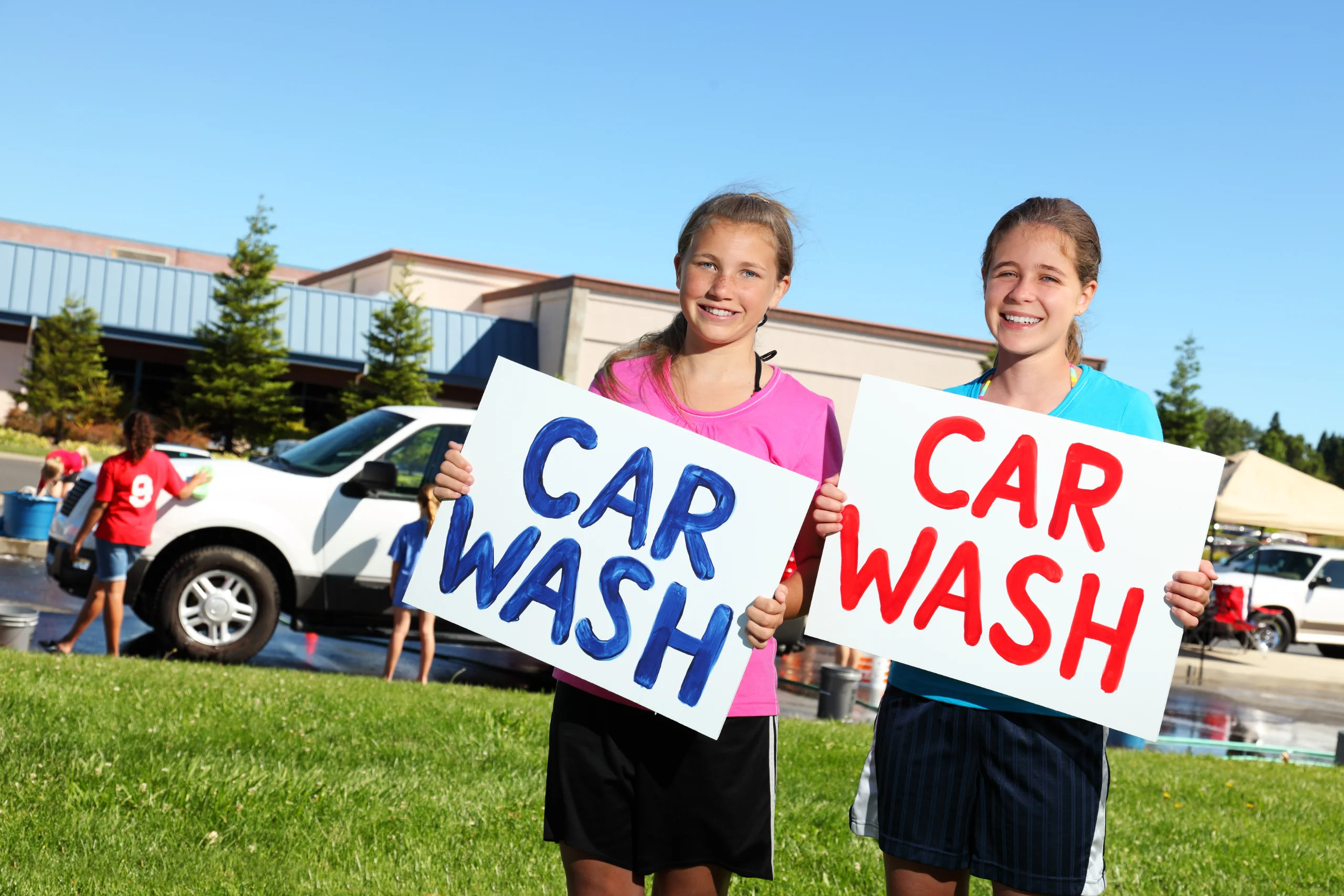
4. Car Wash Service
Overview
A car wash service is an excellent summer business opportunity for kids, given the high demand from vehicle owners wanting their cars clean and presentable during warmer months. This business not only allows kids to earn money but also provides practical experience in customer service, teamwork, and managing a small enterprise. A car wash can attract numerous customers since vehicles tend to get dirtier during the summer due to outdoor activities, travel, and road conditions.
Getting Started
To begin a car wash service, kids will need basic supplies such as soap, sponges, buckets, hoses, drying towels, and possibly brushes for tougher cleaning tasks. Setting up in a visible and accessible location is critical for attracting customers. Suitable places include driveways, local community centers, or business parking lots (with permission). Securing permission is vital to avoid conflicts or legal issues. Advertising the service through clear signage, flyers around the neighborhood, or posts on local community social media groups will help spread awareness and attract customers.
Tips for Success
Emphasize thoroughness and efficiency in the car washing process. Ensuring that each vehicle is thoroughly cleaned and promptly returned to the customer enhances satisfaction and encourages repeat business. Offering additional services like interior vacuuming, dashboard cleaning, window polishing, or tire shining can attract more customers and significantly increase revenue. Clear and competitive pricing should be visibly posted to help customers make quick decisions. Kids can also offer special packages or discounts for multiple washes or referrals. Providing excellent customer service by greeting clients warmly, addressing any concerns promptly, and following up after service completion can greatly enhance the business’s reputation and ensure ongoing success.
Skills Learned
Running a car wash service teaches kids valuable skills such as attention to detail, teamwork, and the importance of delivering high-quality customer satisfaction. They also gain practical experience in basic financial management, including pricing services, managing supplies, and handling money. This experience helps instill a strong work ethic, effective communication abilities, and foundational business management skills, all valuable in future entrepreneurial endeavors.

5. Arts and Crafts Sale
Overview
Kids with artistic abilities can transform their creativity into a profitable summer venture by making and selling handcrafted items. An arts and crafts sale offers young entrepreneurs the opportunity to showcase their talent while learning valuable business and marketing skills. This type of business can cater to various customer tastes and preferences, making it versatile and adaptable. The unique, personalized nature of handcrafted products makes them highly desirable, especially in today’s market where consumers increasingly value individuality and creativity in their purchases.
Getting Started
To begin an arts and crafts business, kids should first identify items that are simple yet attractive and marketable, such as handmade jewelry, greeting cards, bookmarks, custom artwork, or decorative accessories. Gathering minimal yet quality supplies such as beads, paper, paints, markers, glue, ribbons, and cardstock is essential for creating appealing products. Packaging also plays a crucial role; using clear and attractive packaging materials can enhance the product’s presentation and appeal to potential buyers. Kids can sell their crafts at local markets, fairs, community events, or online platforms like Etsy, which provide access to broader markets and audiences beyond their immediate community.
Tips for Success
Creativity in both product creation and presentation is crucial for success. Highlighting the handmade, one-of-a-kind aspect of items can significantly boost their appeal, as customers often seek unique, personalized products. Taking appealing, high-quality photos for online sales listings or promotional materials helps attract potential buyers. Offering customization options, such as personalized names or specific color schemes, can add significant value to products and make them stand out in the market. Marketing through social media, crafting communities, and local groups can increase visibility and attract more customers. Additionally, setting competitive yet profitable prices based on material costs, time investment, and market research ensures that the business remains viable and rewarding.
Skills Learned
Through running an arts and crafts business, kids enhance their creativity and develop critical marketing skills by learning how to promote and sell their products effectively. They also gain essential financial literacy by budgeting for supplies, setting prices, and tracking expenses and profits. Moreover, interacting directly with customers provides valuable experience in customer service, negotiation, and interpersonal communication, all of which are vital skills for future personal and professional endeavors.

6. Babysitting
Overview
Babysitting is a time-tested and trusted summer job for responsible kids and teens. With parents juggling work, errands, or evening plans, reliable childcare becomes essential—especially during the summer months when children are out of school. Babysitting allows young entrepreneurs to earn money while learning how to manage responsibility, navigate emergencies, and connect with children of different ages. It’s a flexible job that can fit a teen’s schedule and grow over time as they gain more experience and trust in their community.
Getting Started
Kids interested in babysitting should begin by gaining foundational knowledge and skills. Many organizations, such as the American Red Cross, offer babysitting certification programs that teach essential childcare techniques, age-appropriate activities, and basic first aid. Earning a certificate not only boosts credibility but also reassures parents. Once trained, the next step is marketing. Start by offering services to family friends and neighbors, then expand through community bulletin boards, local Facebook groups, or word-of-mouth referrals. It’s helpful to create a simple flyer or business card that outlines availability, services (e.g., date night sitting, after-school help), and contact information.
Tips for Success
Clear communication with parents is crucial. Kids should discuss availability, hourly rates, any rules or special instructions, and expectations upfront. Preparing age-appropriate games, books, and activities can set them apart as engaged and proactive caregivers. Parents value sitters who keep their children entertained in safe, structured ways. Reliability and punctuality are non-negotiable—being on time and responsive earns long-term trust. Additionally, knowing basic first aid and being prepared for emergencies significantly boosts a babysitter’s competence and confidence. Sending occasional updates via text while babysitting can reassure parents and build goodwill. Offering add-ons like light tidying or homework help may also increase their value to busy families.
Skills Learned
Babysitting helps kids develop a range of skills that extend far beyond childcare. They learn responsibility by ensuring the well-being of others, patience by managing children’s emotions and behaviors, and critical decision-making in unpredictable scenarios. Communication skills are sharpened through regular interaction with both children and adults. Babysitters also build emotional intelligence by nurturing and understanding younger children, and they gain a strong sense of independence and professionalism by managing time, schedules, and payments. This experience can provide a valuable foundation for future jobs or careers involving education, healthcare, or social services.

7. Tutoring and Educational Support
Overview
Tutoring and educational support offer kids and teens a rewarding way to use their academic or artistic strengths to help others while earning money during the summer. Whether it’s helping younger children with reading and math or offering lessons in music, drawing, or coding, tutoring provides a structured yet flexible business opportunity. This type of work appeals especially to those who enjoy teaching and want to make a meaningful impact in their community. Many parents are eager to maintain their children’s learning progress during the long summer break, making tutoring a highly sought-after service.
Getting Started
The first step in launching a tutoring business is to identify a subject or skill area in which the child excels. This could be a core academic subject like English, math, or science, or a specialized skill such as playing an instrument, speaking a second language, or using a computer program. Once a subject is chosen, it’s important to develop a plan, which may include outlining lessons, preparing worksheets, or using educational games to reinforce learning. Having a quiet, organized space for tutoring sessions—whether in-person or virtual—is essential for effective instruction. To promote the service, kids can create flyers, post on local online forums, ask teachers or parents for referrals, and reach out to their school’s PTA or community learning center.
Tips for Success
Tutoring sessions should be interactive and tailored to each student’s learning style. Using a mix of visuals, games, practice problems, and discussion keeps students engaged. Setting specific goals at the beginning of each session helps track progress and shows tangible results to parents. It’s also useful to provide brief updates to parents on how their child is doing and what will be covered next. Being patient, encouraging, and adaptable is critical—every student learns differently. Tutors should also maintain a professional tone, including being punctual, prepared, and respectful of each client’s time. Offering a free trial session or discounted rate for referrals can help build an initial client base.
Skills Learned
Tutoring helps children develop critical soft skills such as patience, adaptability, and empathy as they guide others through learning challenges. It also enhances organizational skills through lesson planning and scheduling. Communication abilities are refined through regular interactions with both students and parents. Furthermore, tutoring instills a deeper understanding of the subject matter, as teaching others often reinforces one’s own knowledge. These skills not only contribute to personal growth but also create a foundation for future roles in education, leadership, or customer-facing careers.

8. Plant and Produce Stand
Overview
A plant and produce stand is a wonderful summer business that teaches kids entrepreneurship while promoting sustainability and healthy living. This venture allows children to grow and sell their own vegetables, fruits, flowers, or herbs to their local community. It’s ideal for kids who enjoy gardening or want to learn more about where their food comes from. With more families prioritizing locally grown, organic produce, there’s increasing demand for small-scale, fresh, and pesticide-free options—making a kid-run stand both relevant and valuable.
Getting Started
Starting a plant and produce stand begins with early planning in the spring. Kids should choose easy-to-grow plants based on their region and the amount of time available before summer. Popular choices include cherry tomatoes, lettuce, cucumbers, basil, sunflowers, and marigolds. Children should learn about soil preparation, watering routines, and pest control. Gardening kits and online tutorials can help them get started. As the crops mature, kids should plan for harvesting, washing, and packaging produce neatly and safely. The stand itself can be set up at the end of a driveway, in front of a local business with permission, or at a farmer’s market. A bright, welcoming display with handwritten signs and friendly service can draw in more customers.
Tips for Success
Promoting the freshness, organic quality, and homegrown nature of the products adds appeal. Creative displays using baskets, signs showing plant names and uses, and even recipe ideas can help move inventory. Offering bundle deals (e.g., a salad kit with lettuce, cucumbers, and tomatoes) or free samples can attract more buyers. Pricing should reflect local market norms while ensuring costs are covered. Kids can also keep a small tip jar or encourage return visits with punch cards or discounts. Being knowledgeable about the plants and how they were grown adds credibility and builds trust with customers.
Skills Learned
Through this business, children learn sustainable practices and responsibility by caring for plants daily. They gain experience with salesmanship by interacting with customers and explaining their offerings. Managing harvests, tracking inventory, and pricing items help build basic inventory management and financial planning skills. Gardening also teaches patience and problem-solving, especially when dealing with plant diseases or unexpected weather. This hands-on experience fosters a deeper appreciation for the environment and the work that goes into food production.

9. Ice Cream or Popsicle Sales
Overview
Selling homemade ice cream or popsicles is a delightful and refreshing business idea for hot summer days. This seasonal venture is ideal for kids who enjoy being in the kitchen and experimenting with flavors. With summer temperatures soaring and people spending more time outdoors, there is high demand for cool, sweet treats. It’s a fun way to combine culinary creativity with business savvy, and the low-cost ingredients and simple production methods make it a manageable and profitable enterprise for young entrepreneurs.
Getting Started
To get started, kids will need basic ingredients such as fruit juice, yogurt, milk, sweeteners, and fresh fruit, along with molds, popsicle sticks, mixing tools, and a freezer. For ice cream, they may use an ice cream machine or make no-churn versions using condensed milk and whipped cream. It’s essential to research local health regulations to determine what is legally allowed when selling food, even on a small scale. A brightly decorated stand with colorful signage and a cooler or portable freezer to keep treats cold is crucial. They can set up in front of their home, at a local park (with permission), or at neighborhood events.
Tips for Success
The key to success in this business is offering unique, tasty flavors and a memorable experience. Kids can create special popsicle flavors using fresh fruit combos like mango-strawberry, lemonade-blueberry, or creamy coconut-lime. Offering options for different dietary needs—such as dairy-free, low-sugar, or vegan treats—can attract a wider range of customers. Presentation matters: packaging popsicles with fun wrappers or branding adds to the product’s appeal. Pricing should cover the cost of ingredients and supplies while still being affordable. Promotions like “Buy 2, Get 1 Free” or family-size bundles can help increase sales. Marketing strategies may include handing out flyers, posting on local parent groups or community forums, and creating eye-catching signs with flavor descriptions and prices.
Skills Learned
This venture helps kids build culinary skills by learning how to follow recipes and measure ingredients accurately. It also develops their creativity through flavor experimentation and presentation design. Managing money and tracking expenses introduces financial planning, while handling customer interactions enhances communication and service skills. By running their own frozen treat stand, kids get a firsthand understanding of product development, inventory management, and how to adapt to customer preferences—skills that will serve them in future business endeavors.

10. Bicycle Repair and Maintenance
Overview
Bicycle repair and maintenance is an ideal summer business for mechanically inclined kids who enjoy hands-on work. With more families taking to bikes during warm weather, there’s an ongoing need for quick fixes and regular upkeep—especially in active communities where biking is a popular pastime. This type of business is perfect for kids who enjoy problem-solving and tinkering with tools and who want to provide a practical service that helps people stay mobile and safe. From flat tires and loose chains to squeaky brakes, there’s a wide range of common issues young entrepreneurs can address.
Getting Started
To launch a bicycle repair business, kids will need a basic toolkit that includes wrenches, Allen keys, tire levers, an air pump, a patch kit, chain lube, and rags for cleaning. They can begin by practicing on their own bike or a family member’s to build confidence. Advertising can start with simple flyers in the neighborhood, word of mouth, and posts in local online community groups. Offering mobile services—where the child comes to the customer’s home—can be a great differentiator. A folding work stand and portable toolkit make it easy to offer tune-ups or basic fixes curbside.
Tips for Success
Clearly defining services and setting fair, transparent pricing is essential. Kids should start with basic offerings like pumping tires, adjusting brakes, oiling chains, fixing flat tires, or cleaning bikes, and expand as they learn. Providing quick turnaround times builds trust and encourages repeat business. Offering maintenance tips to customers after completing a job—like how often to oil a chain or how to check tire pressure—can add value and showcase professionalism. Keeping records of each repair can help track performance and plan for restocking supplies. Kids can also offer package deals for seasonal tune-ups or family discounts to encourage multiple bike services at once.
Skills Learned
Running a bicycle repair business helps children build strong mechanical and technical skills. They develop confidence in using tools, diagnosing problems, and performing hands-on repairs. It also encourages analytical thinking and precision. From a business standpoint, kids gain experience in customer service, appointment scheduling, and financial management. They also learn patience and the importance of quality workmanship—key traits that benefit future careers in engineering, mechanics, and beyond.
Conclusion
Starting a summer business empowers kids with more than just pocket money—it’s an immersive, hands-on education that fosters independence, creativity, and real-world problem-solving. Each venture, whether it’s selling lemonade or repairing bikes, provides an age-appropriate way to explore responsibility, customer service, and entrepreneurship. These early experiences can spark a lifelong interest in business, technology, education, or the arts, depending on what each child chooses to pursue.
Beyond the financial rewards, summer businesses teach kids how to set goals, plan, adapt to challenges, and follow through with commitments. They learn the importance of time management, professional behavior, and communicating clearly with customers. In the process, they begin building a sense of self-confidence that comes from knowing they can create, manage, and grow something of their own.
With encouragement, support, and a bit of guidance from parents or mentors, children can run these businesses with surprising autonomy. Whether they are building crafts, tutoring peers, or walking neighborhood dogs, kids are capable of taking initiative and learning from every interaction. These small summer ventures plant seeds of innovation and discipline that will grow for years to come—making them not only worthwhile but invaluable experiences.