Choosing the right craft business model can determine whether your handmade venture feels profitable or exhausting. Learn how to align your personality, margins, and growth strategy with the right revenue structure — and evolve from beginner to multi-stream stability.
Introduction: Why Revenue Architecture Matters in the Crafts Business
If you analyze the craft industry closely, one pattern becomes clear: there is no single dominant sales path. Some makers generate the majority of their revenue through online marketplaces like Etsy. Others build profitable wholesale relationships with boutiques and gift shops. Many rely on seasonal craft fairs for concentrated bursts of cash flow. A growing segment bypasses physical inventory altogether by selling digital patterns, design files, or online workshops.
This diversity isn’t accidental. It reflects a broader truth about the handmade economy: revenue structure matters more than product category. Two artisans can sell nearly identical items and experience dramatically different income outcomes depending on their chosen business model and sales channels.
That’s why one of the most common strategic errors among new craft entrepreneurs is assuming that starting a craft business and selling handmade products follows a predictable formula. It doesn’t. Your income potential is shaped less by what you make and more by how you structure your revenue.
A business model defines how you generate income — whether through direct retail sales, bulk wholesale orders, customized commissions, or scalable digital products. A sales channel determines where and how customers transact — online marketplaces, your own website, in-person events, retail partnerships, or social platforms. Together, these two decisions influence your gross margins, operational workload, scalability, marketing intensity, cash flow stability, and overall risk exposure.
Choose the wrong combination, and you may find yourself busy but underpaid, visible but unstable. Choose the right structure, and you create a system that supports predictable, diversified growth.
Instead of asking, “Where should I sell?” a more strategic question is:
What kind of craft business am I building — and what revenue architecture will support it?
That shift in thinking moves you from experimentation to intentional design.
Table of Contents
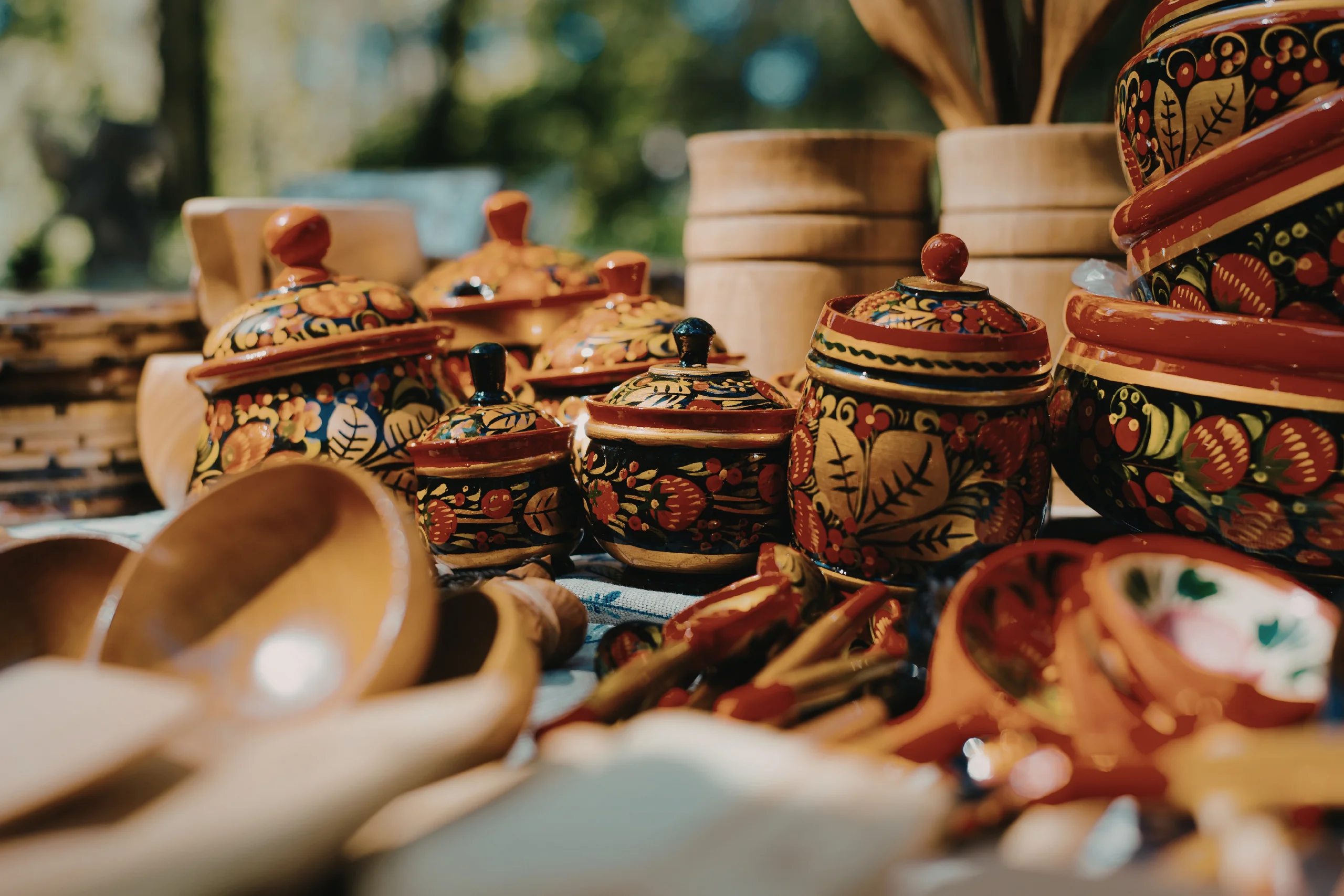
Industry Context: The Craft Economy Is Bigger Than Most Realize
Before choosing a craft business model, it’s important to understand the economic landscape you’re operating within.
The global handicrafts market has been valued in the hundreds of billions of dollars, with some industry analyses estimating it at over $700 billion in recent years (Grand View Research, 2024). In the United States alone, craft and hobby-related retail represents a multi-billion-dollar industry segment, spanning online marketplaces, independent sellers, and traditional retail supply chains (IBISWorld, Online Hobby & Craft Supplies Sales in the US – Market Size (2005–2032).
Online platforms have dramatically expanded access to buyers. Etsy reports tens of millions of active buyers globally and millions of active sellers (Etsy Investor Relations, 2025), demonstrating sustained consumer demand for handmade and personalized goods.
At the same time, broader retail trends show continued growth in e-commerce as a percentage of total retail sales (U.S. Census Bureau, 2024). Social commerce — purchases made directly through platforms like Instagram and TikTok — is also projected to grow significantly over the next several years (EMARKETER, 2024).
In short, the opportunity is real. Demand exists at scale.
However, access to demand is not the same as profitability. That depends on structure.
Step 1: Understand the Core Craft Business Models
Before choosing platforms, understand the revenue structure underneath them.
Each craft business model carries different:
- Income ceilings
- Operational demands
- Cash flow patterns
- Scalability limits
The model you choose determines the lifestyle your business will create.
Common Craft Business Models
Before you decide where to sell, you need clarity on how your craft business will generate revenue. That distinction matters more than many new entrepreneurs realize. A business model is not just a label — it determines how money flows into your business, how often it flows, and how much work is required to maintain it.
Two makers selling similar handmade candles, jewelry pieces, or home décor items can experience very different income levels depending on whether they sell direct-to-consumer, wholesale, at craft fairs, or through digital downloads. The product may be identical, but the structure behind it changes everything — from pricing flexibility to workload to scalability.
Understanding the core craft business models allows you to evaluate tradeoffs before committing time and capital. Each model has a different margin profile, operational rhythm, and growth ceiling. Some favor brand builders. Others favor production efficiency. Some require marketing intensity. Others require production capacity.
The key is not choosing the “trendiest” model — it’s choosing the one that aligns with your goals and resources.
| Model | Description | Income Potential | Risk Level | Scalability |
|---|---|---|---|---|
| Direct-to-Consumer (DTC) | Sell via Etsy, Shopify, or your own website | Moderate to High | Medium | High |
| Craft Fairs Only | Sell locally at markets & shows | Moderate | High (seasonal) | Limited |
| Wholesale | Sell in bulk to boutiques & retailers | High volume, lower margins | Medium | Moderate |
| Custom Orders | Personalized or made-to-order pieces | High margin | Time-intensive | Limited |
| Digital Crafts | Patterns, SVG files, tutorials, printables | Highly scalable | Low overhead | Very High |

Advantages and Challenges of Each Model
Every craft business model comes with opportunities and constraints. Too often, new entrepreneurs see only the upside. They notice that wholesale produces large orders but overlook the margin compression. They see that digital products are scalable but underestimate the marketing visibility required to generate consistent downloads. They assume craft fairs generate quick cash but overlook booth fees, travel time, and unsold inventory.
Looking at both advantages and challenges side by side forces strategic thinking. It helps you understand not just how you could make money, but what that money will cost in terms of time, stress, production pressure, and operational complexity.
The goal of this comparison is not to discourage you from any specific model. It’s to provide a realistic framework. A model that looks profitable on paper may not be sustainable if it conflicts with your personality, margins, or production capacity. Conversely, a model that appears modest at first glance may offer strong long-term stability when structured properly.
Making this decision with clear eyes dramatically reduces future friction. Let’s examine each more deeply.
Direct-to-Consumer (DTC)
This is the most common starting model. You sell directly to buyers through Etsy or your own website.
Advantages:
- Higher margins than wholesale
- Full brand control
- Direct customer relationships
- Email list building
Challenges:
- You are responsible for marketing
- Customer service can be time-consuming
- Platform competition is intense
This model works well if you’re willing to invest in branding and marketing consistency. Over time, DTC allows for strong lifetime customer value and repeat purchases.
Craft Fairs & Local Markets
Many makers start here because it feels tangible and immediate.
You produce inventory, rent a booth, and interact with buyers face-to-face.
Advantages:
- Immediate feedback
- Instant cash flow
- Relationship building
- Low tech requirements
Challenges:
- Booth fees reduce margins
- Sales are seasonal
- Weather and event turnout affect revenue
- Hard to scale
Craft fairs are excellent for testing products and building confidence — but relying solely on them can create unstable income.
Wholesale
Wholesale flips the structure.
Instead of selling one item at a time to customers, you sell large quantities to retailers.
Advantages:
- Larger, predictable orders
- Less daily marketing required
- Scalable production
Challenges:
- Lower margins
- Strict production timelines
- Payment terms (Net 30/60)
- Retailer expectations
Wholesale works best when you have streamlined production and can maintain consistent quality at volume.
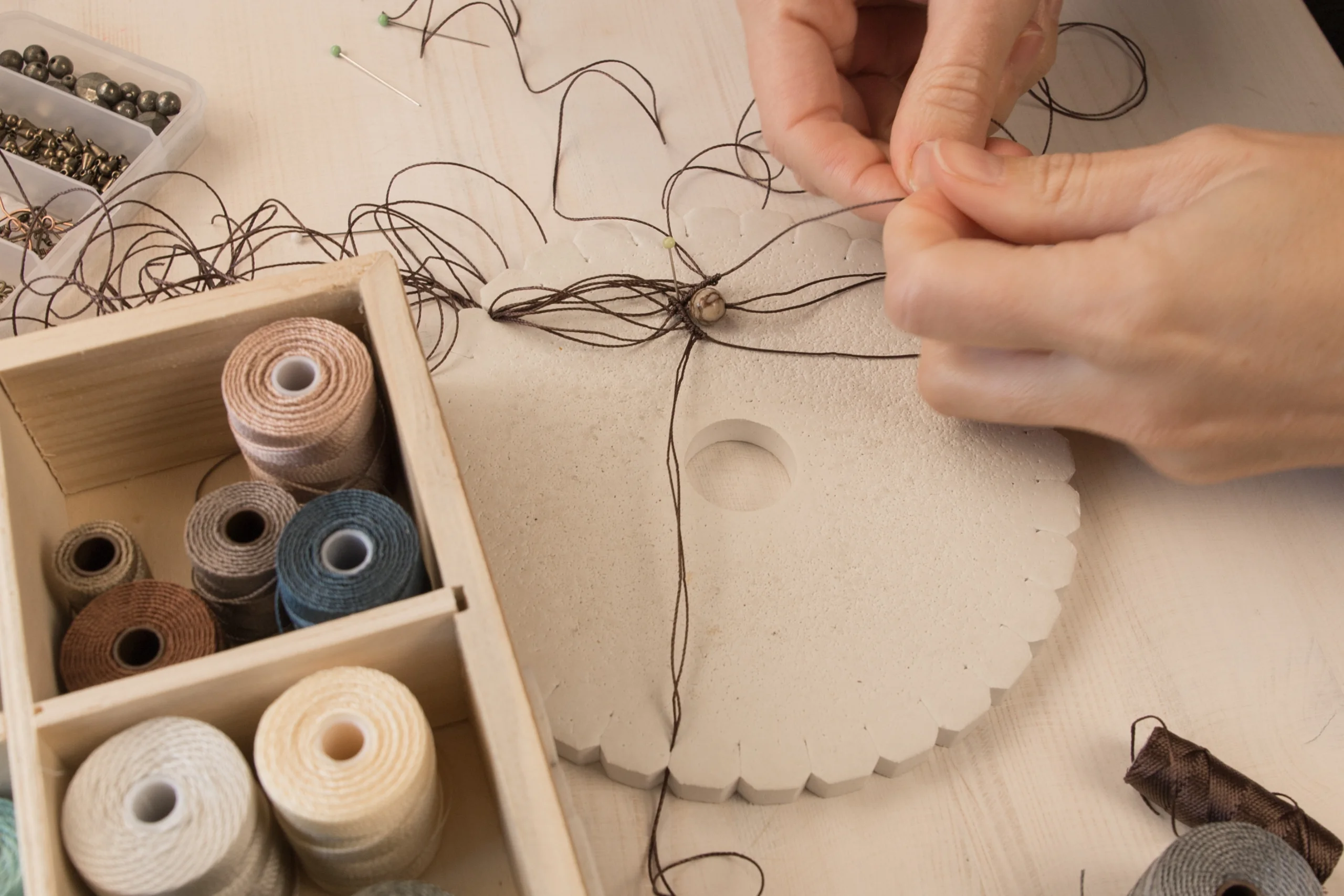
Custom Orders
This model focuses on personalization — wedding items, engraved products, made-to-order décor, and commissioned artwork.
Advantages:
- High profit margins
- Premium pricing
- Emotional value
Challenges:
- Time-intensive
- Hard to scale
- Client communication heavy
Custom work is profitable but can trap you in a time-for-money cycle if not structured carefully.
Digital Crafts
Digital products eliminate inventory entirely.
Examples:
- Sewing patterns
- Cricut SVG files
- Printable planners
- Online workshops
- Craft templates
Advantages:
- No physical shipping
- Very high margins
- Infinite scalability
- Passive income potential
Challenges:
- Requires marketing and visibility
- High upfront content creation effort
For makers comfortable with design software and online marketing, digital products can dramatically increase income stability.
Table: Advantages and Challenges of Common Craft Business Models
| Business Model | Key Advantages | Key Challenges |
|---|---|---|
| Direct-to-Consumer (DTC) (Etsy, website, social selling) | Higher margins than wholesale; full control over brand + pricing; direct customer relationships; easier to test new products quickly | You must drive demand (marketing + content); customer service + returns fall on you; platform fees/competition (especially Etsy); inconsistent traffic if you rely on algorithms |
| Craft Fairs & Markets | Fast validation with real buyers; immediate cash flow; great for building local fans and collecting feedback; strong for giftable/visual products | Booth fees + travel time reduce profit; sales can be seasonal/weather dependent; inventory risk (making too much); limited scalability (you can only be in one place at a time) |
| Wholesale (boutiques, gift shops, retailers) | Larger, more predictable orders; less daily marketing; credibility boost (“carried in stores”); can stabilize production schedules | Lower margins (retailers need their cut); may require higher production capacity; payment terms (Net 30/60) can squeeze cash flow; strict quality/packaging/lead times |
| Premium pricing potential; strong customer loyalty; differentiation is built-in; great for weddings, gifts, sentimental items | Very high margins; no inventory or shipping; scalable (sell the same file repeatedly); smoother income potential when paired with SEO/email/Pinterest | Time-intensive communication and revisions; hard to scale; deadlines add pressure; scope creep risk if policies aren’t clear; inconsistent workflow if orders vary widely |
| Digital Crafts (patterns, SVGs, printables, tutorials) | Very high margins; no inventory or shipping; scalable (sell same file repeatedly); smoother income potential when paired with SEO/email/Pinterest | Requires visibility (SEO/social/email); upfront effort to create and refine products; more competition in some categories; customer support still exists (download issues, file compatibility) |
Before you pick a model, it helps to see the trade-offs side by side. Every option has a “hidden cost” — usually either marketing time, production time, or margin pressure. This table gives you a quick reality check so you can choose a model that fits your personality and capacity.
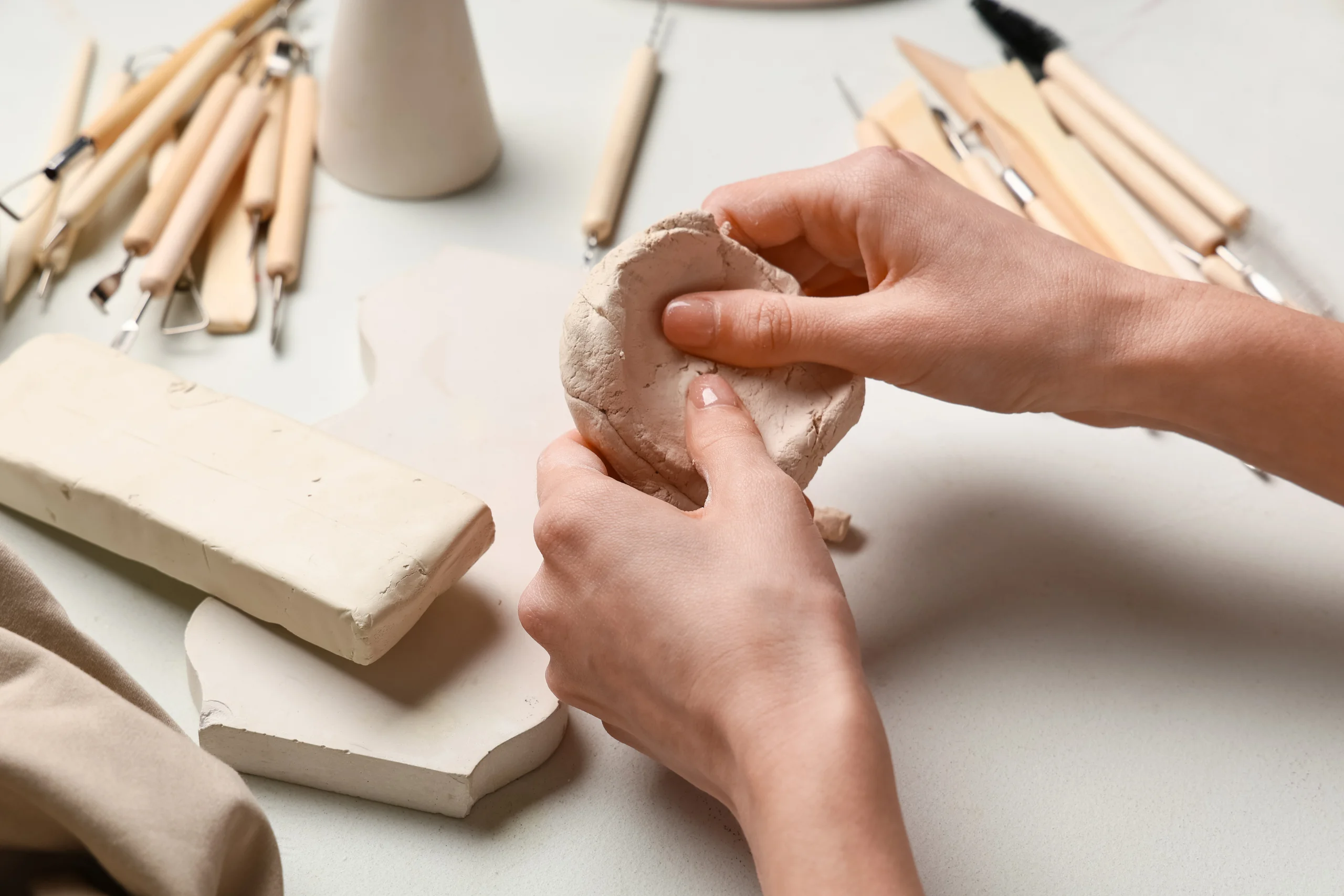
How to Choose the Right Craft Business Model
Choosing a craft business model is not a small tactical decision — it’s a foundational strategic choice. The structure you select determines how you spend your time, how much you earn per sale, how predictable your income becomes, and whether your business feels energizing or exhausting.
Many new entrepreneurs look at what others are doing and copy it. But what works for a full-time artisan with a workshop and staff may not work for someone creating products from a spare bedroom after work. What works for a highly visible Instagram personality may not work for someone who dislikes constant online marketing.
But here’s the truth:
Your business model determines how your days feel.
It affects:
- How much marketing you must do
- How predictable your income is
- How many hours you work
- Whether you feel energized or overwhelmed
There is no universal “best” model. There is only the model that aligns with your resources, temperament, and long-term vision.
The right model depends on:
- Your production capacity — Can you produce consistently at volume, or do you work in limited batches?
- Your lifestyle goals — Do you want flexible side income or a full-time scalable operation?
- Your marketing comfort level — Are you willing to show up online daily?
- Your margin requirements — Do you need high per-unit profit, or can you operate on volume?
- Your long-term growth ambitions — Do you want to build a brand asset or simply monetize a skill?
Before deciding, ask yourself honestly:
- Do I enjoy marketing daily?
- Do I want predictable bulk orders?
- Do I prefer personal interaction with customers?
- Do I want scalable income, or am I comfortable trading time for money?
- Am I building a recognizable brand — or simply selling products?
Your answers reveal your natural alignment.
Many of the most stable craft businesses combine two or three models intentionally. They don’t rely on one revenue stream — they design income resilience from the start.
For example:
- A Direct-to-Consumer website supported by seasonal craft fairs
- Wholesale accounts alongside a branded online store
- Physical products paired with digital tutorials or downloadable patterns
This layered approach reduces revenue volatility and minimizes dependence on one platform, one algorithm, or one sales season.
The strongest craft businesses aren’t accidental.
They’re architected.
Choose your structure deliberately — because your model determines your momentum.
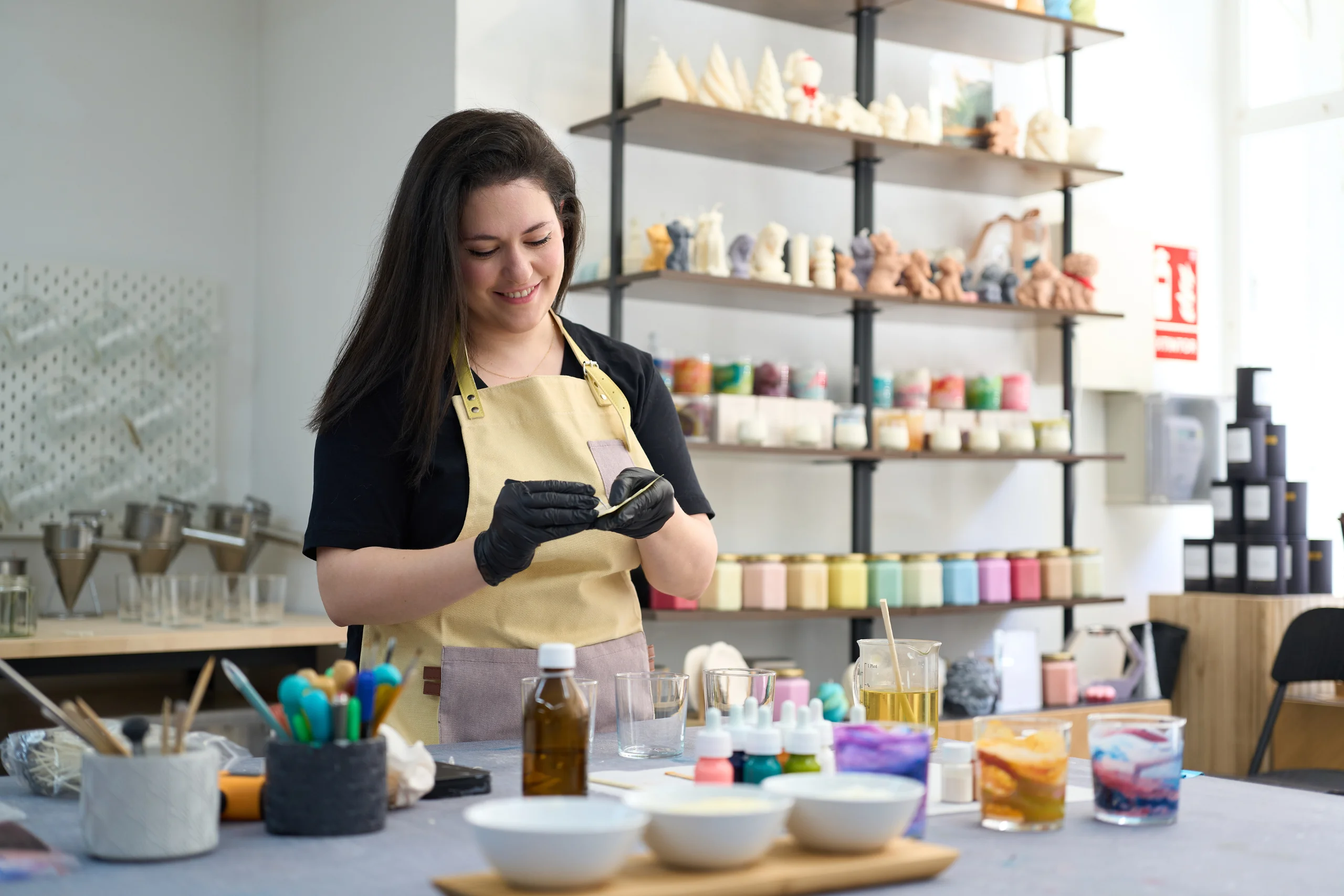
Model Personality Match Chart
Not every business model fits every personality. Use this quick guide to see where you naturally align.
| If You Are… | You’ll Likely Thrive In… | Why It Fits |
|---|---|---|
| A natural marketer who enjoys branding and storytelling | Direct-to-Consumer (Etsy → Own Website) | You’ll enjoy building audience and driving traffic |
| Outgoing and energized by in-person selling | Craft Fairs & Markets | Face-to-face interaction fuels you |
| Organized and production-focused | Wholesale | Systems and volume suit your strengths |
| Detail-oriented and perfection-driven | Custom Orders | High-touch personalization matches your style |
| Tech-comfortable and efficiency-minded | Digital Crafts | Scalable income without inventory stress |
| Risk-averse and stability-seeking | Hybrid Model (2–3 streams) | Diversification reduces volatility |
| Creative but introverted | Etsy + Pinterest or Website SEO | Visibility without constant social posting |
| Ambitious and long-term brand focused | DTC + Email List + Website | Builds an asset, not just sales |
Notice something? None of these say “best.” They say “fit.”
The Quiet Advantage of Alignment
One of the most overlooked advantages in a craft business isn’t a better platform or a trendier product — it’s alignment. When your business model genuinely fits your personality and strengths, everything operates more smoothly:
- Marketing feels natural
- Production feels manageable
- Growth feels sustainable
Marketing begins to feel like communication instead of performance. Production feels organized rather than overwhelming. Growth unfolds at a pace that feels ambitious but manageable. You aren’t constantly fighting your own tendencies.
But when there’s a mismatch between your personality and your chosen model, friction shows up quickly.
- You procrastinate
- You underprice
- You avoid marketing
- You feel “busy” but stuck
You procrastinate on marketing tasks you dislike. You underprice because you lack confidence in your positioning. You avoid outreach, delay launches, and end up feeling constantly “busy” without making real progress.
This is why structure matters so much. The goal of choosing the right business model isn’t maximum exposure or doing what everyone else is doing. It’s creating sustainable, profitable growth that fits your capacity, temperament, and long-term goals.
Choose your structure deliberately. Start with focus. Master one channel before adding complexity. When your model aligns with who you are, growth becomes steady rather than stressful — and that’s what turns a creative pursuit into a durable business.
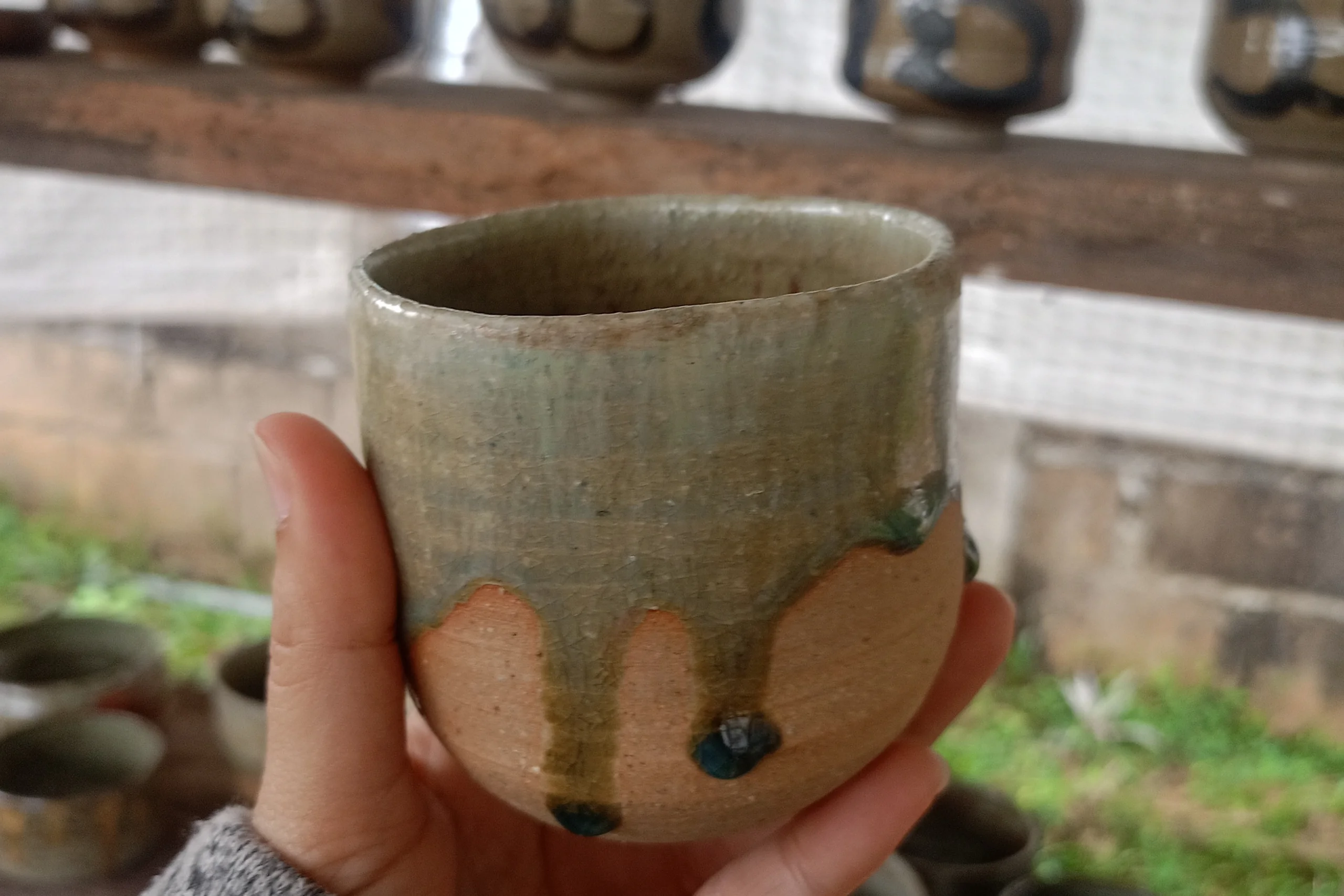
Model Evolution Roadmap: From Beginner to Multi-Stream Stability
Most craft businesses don’t begin diversified.
They evolve into it.
Trying to launch Etsy, wholesale, craft fairs, digital products, Pinterest, Instagram, and paid ads all at once is not ambition — it’s chaos. And chaos usually leads to burnout.
The smarter path is staged growth.
Each stage builds strength for the next. Each step improves margins, systems, and confidence. Each phase reduces risk before adding complexity.
Think of your craft business as something you architect, not something you improvise.
Here’s what sustainable evolution typically looks like.
Stage 1: Validation (Beginner Phase)
Primary Objective: Prove that customers will pay consistently — and profitably — for your product.
This is not the stage for scaling. This is the stage for clarity.
Many makers skip validation and jump straight into branding, bulk inventory, custom packaging, and expensive equipment. That’s backwards.
In Stage 1, your job is simple: Can I sell this reliably?
Focus on:
- One clear product category (avoid scattered offerings)
- One primary sales channel (Etsy OR craft fairs — not both heavily)
- Accurate cost calculation and pricing
- Listening to customer feedback
- Identifying what actually sells vs. what you like most
Typical Setup:
- Etsy shop or local craft markets
- Small production batches
- Simple inventory tracking
- Manual systems (spreadsheet is fine)
- Lean marketing
What Success Looks Like:
- 10–30 consistent sales
- Repeat buyers beginning to appear
- Clear bestsellers emerging
- Pricing feels sustainable
At this stage, clarity matters more than complexity. You’re not trying to build a brand empire. You’re trying to confirm demand.
Stage 2: Optimization (Stability Phase)
Primary Objective: Improve margins and operational efficiency.
Once you’re seeing consistent weekly or monthly sales, you move from testing to refining. This is where many businesses quietly level up — or quietly stagnate. Instead of chasing new channels, you improve what already works.
Focus on:
- Raising prices if you’re under-market
- Increasing production efficiency
- Refining product line (cut slow movers)
- Collecting reviews
- Starting an email list
- Tracking gross margin intentionally
This is also where you begin thinking like a business owner instead of just a maker.
Typical Setup:
- Etsy + light Instagram presence
- Craft fairs only for proven products
- Basic bookkeeping software
- Defined profit targets (example: 60%+ gross margin)
- Organized production workflow
What Success Looks Like:
- Predictable monthly revenue
- Bestsellers clearly identified
- Stable pricing
- Lower stress around inventory
Now you’re no longer guessing. You’re refining.
Stage 3: Expansion (Multi-Stream Phase)
Primary Objective: Reduce platform dependency and stabilize income.
Once your primary channel is stable, you strategically add a second revenue stream.
Not because you’re bored.
Not because someone else is doing it.
But because your foundation is strong.
This is where diversification becomes smart — not reactive.
Examples of Smart Expansion:
- Launch your own website after strong Etsy traction
- Add wholesale once production capacity is consistent
- Introduce digital downloads alongside physical products
- Add seasonal craft fairs for holiday revenue boosts
- Launch limited-edition drops to increase AOV
Focus On:
- Revenue diversification
- Margin protection
- Workflow automation
- Inventory forecasting
- Brand consistency across channels
What Success Looks Like:
- No single channel accounts for 100% of revenue
- Sales are smoother across seasons
- You’re less anxious about algorithm changes
- Production systems handle increased volume
This is where many businesses become sustainable.
You are no longer fragile.
Stage 4: Asset Building (Brand Phase)
Primary Objective: Build equity, not just income.
At this stage, you stop thinking in transactions and start thinking in assets.
You ask: How do I make this business valuable long term?
Now your focus shifts to:
- Email marketing
- Repeat customer programs
- Product collections
- Seasonal campaigns
- Higher average order value
- Small-batch manufacturing or outsourcing
- Brand storytelling
- Community building
Your business becomes:
- Recognizable
- Predictable
- Scalable
- Transferable
You are no longer just “selling crafts.” You are building a brand with equity. That’s a different level.
Revenue Evolution Snapshot
Here’s how income structure often changes across stages:
| Stage | Revenue Structure | Risk Level | Stress Level |
|---|---|---|---|
| Validation | 100% one channel | High | High |
| Optimization | 1 strong channel | Medium | Medium |
| Expansion | 2–3 channels layered | Lower | Lower |
| Asset Building | Diversified + email driven | Lowest | Controlled |
Notice something important:
Stress decreases as structure increases.
The Key Principle
Diversification shouldn’t come from panic. It should come from progress. Expanding into new channels or adding new revenue streams only makes sense when your business’s foundation is steady and predictable. Growth built on anxiety tends to create more stress than income.
Ideally, growth in a craft business feels layered and intentional. You strengthen one part of the structure before adding the next. If you constantly feel overwhelmed or scattered, it may be a sign that expansion happened before optimization. Adding more moving pieces to an already stretched system rarely solves the problem — it usually amplifies it.
Strong craft businesses are built in phases. First comes clarity: knowing what sells and how to price it properly. Then efficiency: tightening production and improving margins. After that comes stability: predictable revenue and smoother operations. Over time, that stability turns into equity — a brand, an audience, and a business that has real long-term value.
When growth follows that sequence, it feels steady rather than stressful. And that’s what transforms a creative pursuit into something sustainable.
Why Strong Craft Businesses Eventually Combine Models
While many craft businesses begin with a single primary model, long-term stability often comes from layering complementary revenue streams. Relying entirely on one platform or one seasonal channel creates fragility. If Etsy traffic drops, a retail buyer delays payment, or event attendance declines, revenue can shift suddenly.
Combining models doesn’t mean doing everything at once. It means adding strategically aligned streams once your foundation is stable. For example, a direct-to-consumer business might add wholesale accounts after production becomes efficient. A physical product seller might introduce digital downloads to smooth income between seasons. A craft fair–focused maker might launch an online store to capture repeat buyers year-round.
The goal isn’t complexity — it’s resilience. Over time, thoughtful diversification reduces volatility and increases predictability.
For example:
- A DTC website supported by seasonal craft fairs
- Wholesale accounts alongside a branded online store
- Physical products paired with digital downloads
- Craft fairs for customer discovery + Etsy for recurring sales
This layered approach does two important things:
- Reduces dependence on one platform or algorithm
- Smooths out seasonal revenue swings
Diversification doesn’t mean doing everything at once. It means expanding strategically after one channel is stable.
Step 2: Choose Sales Channels Strategically (Not Emotionally)
Now that you understand your revenue model, you must choose the appropriate channels to support it.
One of the fastest ways to burn out is trying to sell everywhere at once. Managing Etsy, Shopify, Instagram, TikTok, Facebook Marketplace, craft fairs, and wholesale accounts simultaneously can overwhelm even experienced entrepreneurs.
Each channel:
- Attracts a different type of buyer
- Requires a different marketing approach
- Has different fees and margin implications
- Demands different operational systems
Instead of chasing visibility, choose strategically.
Start with one primary channel, master it, and expand intentionally.
Sales Channel Comparison
| Channel | Pros | Cons | Best For | Margin Impact |
|---|---|---|---|---|
| Etsy | Built-in traffic | High competition, fees | Beginners validating demand | Medium |
| Own Website (Shopify/WooCommerce) | Higher margins, full control | Requires marketing | Brand builders | High |
| Craft Fairs | Direct customer feedback | Booth fees, seasonal | Local validation | Medium |
| Wholesale | Larger, predictable orders | Lower margins | Scaling production | Lower |
| Social Media Shops | Free exposure | Algorithm-dependent | Visual products | Medium–High |
Strategic Channel Matching
Here’s how model and channel intersect:
| If Your Model Is… | Best Primary Channel |
|---|---|
| Direct-to-Consumer | Etsy → Own Website |
| Craft Fair Focused | Local Events + Instagram |
| Wholesale | Trade shows + Direct Outreach |
| Custom Orders | Instagram + Website |
| Digital Crafts | Etsy + Pinterest + Email |
Smart Growth Strategy (How to Expand Without Burnout)
One of the most common mistakes new craft entrepreneurs make isn’t a lack of effort — it’s expanding too quickly in too many directions. There’s a natural temptation to believe that growth means visibility everywhere: Etsy, Shopify, Instagram, TikTok, craft fairs, wholesale accounts, custom orders, and maybe even paid ads. But trying to operate across all of these channels at once usually creates confusion, not momentum.
Sustainable growth in a craft business rarely happens through simultaneous expansion. It happens through staged development, where each layer strengthens the one beneath it. Instead of launching everywhere at once, the smarter approach is to build sequentially and intentionally.
A practical growth path often begins with testing in a controlled environment. That might mean selling at local craft fairs or opening a single Etsy shop. At this stage, the goal isn’t scale — it’s clarity. You want to understand which products resonate, which price points meet resistance, and what questions customers repeatedly ask. In-person markets are especially valuable because customers provide immediate, unfiltered feedback that can shorten your learning curve dramatically.
Once you’ve gathered data, the next step is identifying your true bestsellers. Expansion should never be based on the product you personally love most; it should be based on consistent demand and sustainable margins. Look for patterns: Which items sell repeatedly? Which ones generate strong emotional reactions? Which products are efficient to produce and priced profitably? These are the products that deserve broader exposure.
After establishing that foundation, moving to a scalable channel like Etsy becomes strategic rather than experimental. Here, your focus shifts to visibility and optimization. Professional photography, clear pricing, search-optimized descriptions, and review generation become priorities. You’re no longer guessing whether the product works — you’re refining how efficiently it sells.
At this point, many craft businesses miss a critical opportunity: relationship ownership. Sales are valuable, but customer access is even more powerful. Building an email list — even a small one — protects you from platform dependence and creates opportunities for repeat purchases. Offering early access to launches, seasonal previews, or small incentives can gradually shift your business from a transactional to a relational model.
Only after sales become predictable does launching your own branded website make sense. A personal website increases margins, strengthens brand credibility, and builds a long-term asset. Importantly, it doesn’t replace platforms like Etsy immediately; it reduces dependence on them over time.
Finally, once production systems are stable and pricing supports lower margins, adding wholesale or a second revenue stream becomes viable. This might mean introducing digital products, seasonal collections, or limited-edition releases. At this stage, diversification strengthens your foundation rather than overwhelming it.
Instead of launching everywhere at once:
- Test products at local craft fairs
- Identify bestsellers
- Launch Etsy store for broader exposure
- Build email list from buyers
- Launch your own branded website
- Add wholesale accounts once production stabilizes
This staged approach reduces financial risk and operational overwhelm. This layered approach works because each phase builds operational confidence before adding complexity. Growth becomes cumulative instead of chaotic.
The Hidden Burnout Factor
Burnout in craft businesses rarely comes from making products. It comes from managing too many competing systems simultaneously. Handling daily social media posting, paid ad experimentation, craft fair preparation, Etsy SEO updates, wholesale communication, custom order revisions, and customer service emails — all without streamlined processes — can quickly turn a creative venture into a constant source of stress.
It comes from managing too many systems at once. Trying to juggle:
- Daily Instagram posting
- Paid ads experimentation
- Craft fair inventory prep
- Etsy SEO updates
- Wholesale invoices
- Custom order revisions
- Customer service emails
…without operational systems leads to exhaustion.
The illusion of growth often hides inefficiency. More channels do not automatically mean more income. In fact, without optimization, additional channels can dilute focus and reduce overall performance.
Sustainable growth requires deliberate focus. Before expanding, it’s worth asking whether your current channel is predictable and optimized. If it isn’t, adding another layer will amplify stress rather than revenue. Mastery should come before multiplication.
Before expanding, ask:
Is my current channel optimized and predictable?
If the answer is no, expansion will amplify stress — not income. Choose one channel to dominate before expanding. Mastery first. Multiplication second.
Revenue Stability Framework
The most resilient craft businesses structure their income intentionally rather than reactively. Instead of relying on a single source of revenue, they gradually build diversification in controlled proportions.
A healthy revenue mix often looks like this:
| Revenue Stream | % of Total Revenue | Purpose |
|---|---|---|
| Primary Channel | 60–70% | Core predictable income |
| Secondary Channel | 20–30% | Risk buffer and seasonal smoothing |
| Experimental Channel | 5–10% | Innovation and future growth |
For example, a craft business might earn 65% of revenue from Etsy, 25% from craft fairs, and 10% from digital downloads. Another might generate 60% from its own website, 30% from wholesale accounts, and 10% from limited-edition launches. The exact structure matters less than the intentional balance.
Diversification lowers not only financial risk but emotional volatility. When one channel slows, the business remains stable rather than fragile.
Decision Questions to Ask Yourself
Before committing to a new channel or revenue stream, it helps to pause and evaluate your goals honestly. Ask:
- Do I want recurring or seasonal income?
- Am I comfortable marketing daily?
- Do I prefer production consistency or customization?
- Can my margins support wholesale?
- Do I want scalable income (digital) or hands-on production?
Do you prefer steady, recurring income or are you comfortable with seasonal spikes? Are you willing to market consistently? Do your margins support wholesale pricing? Do you want scalable digital income, or are you comfortable trading time for customization work?
These aren’t abstract questions. They shape your daily workload and long-term sustainability. Alignment between your personality and your model reduces friction and increases consistency. Your answers determine your architecture.
The Bottom Line: Structure Determines Sustainability
Choosing the right craft business model is less about trends and more about structure. Two makers can sell similar products and experience completely different outcomes based solely on how their revenue is designed. The difference isn’t talent — it’s architecture.
A sustainable craft business isn’t built by chasing every platform or opportunity at once. It’s built by selecting a model that aligns with your personality and margins, mastering one primary channel, and then expanding deliberately. Growth should feel layered and strengthening, not scattered and reactive.
When you focus on clarity first, efficiency second, and diversification third, you create a business that can absorb change instead of being disrupted by it. Over time, that structure transforms a creative skill into a stable income stream — and eventually into a brand with real equity.
The goal is not maximum visibility.
The goal is controlled, profitable growth that fits your capacity.
Design your revenue intentionally, and the rest becomes manageable.
Key Takeaways
- Your business model determines your workload, margins, and scalability.
- There is no universal “best” craft business model — only the right fit.
- Start with one primary sales channel and master it before expanding.
- Many stable craft businesses combine 2–3 revenue streams intentionally.
- Diversification reduces dependence on one platform or season.
- Choose a structure that matches your personality and lifestyle goals.
- Grow in stages: validation → optimization → expansion → brand building.
FAQ
What is the most profitable craft business model?
Profitability depends less on the model itself and more on pricing discipline, margin structure, and production efficiency. Direct-to-consumer models often produce higher margins because you sell at retail pricing, but they require consistent marketing effort. Wholesale can generate larger revenue volume but at lower per-unit margins. Digital products typically offer the highest margins due to minimal overhead and infinite scalability. The most profitable model is the one that aligns with your strengths while maintaining strong gross margins and operational efficiency.
Should I start on Etsy or build my own website?
For beginners, Etsy often provides faster validation because it offers built-in marketplace traffic. It allows you to test demand without immediately investing in advanced marketing. However, Etsy fees and competition can limit long-term margin control. Once sales are consistent, building your own website becomes strategically important. A website allows stronger brand positioning, email list ownership, higher margins, and long-term asset building. Many successful craft businesses begin on Etsy and transition toward greater independence over time.
Is it better to focus on one channel or diversify early?
In the early stages, focus almost always outperforms diversification. Managing multiple sales channels without established systems often leads to burnout and inconsistent results. Once your primary channel produces predictable revenue and your operations are efficient, adding a second stream can reduce risk. Diversification works best when layered gradually rather than launched simultaneously. Stability first, expansion second.
Can I combine wholesale and direct-to-consumer successfully?
Yes, but pricing must support it. Wholesale buyers typically expect 40–50% off retail pricing. If your retail margins are thin, wholesale will create financial strain. Production systems must also support higher volume without sacrificing quality. Many stable craft brands operate hybrid models, but only after optimizing their pricing and operational efficiency.