

Key Takeaways
- Set clear objectives to maximize ROI. Defining goals such as lead generation, brand awareness, or appointment setting ensures every design and staffing decision directly supports measurable outcomes.
- Design for instant understanding. Bold headlines, sharp visuals, and accessible layouts help visitors grasp your value proposition within seconds, even in crowded trade show aisles.
- Plan booth flow and staffing carefully. Open layouts, designated demo zones, and well-trained staff reduce bottlenecks, improve conversations, and ensure consistent messaging across shifts.
- Use reliable tools and data systems. Scanners, tablets, appointment apps, and backup systems keep contact capture smooth, prevent lost opportunities, and protect data integrity.
- Follow up quickly and measure results. Immediate thank-you notes, timely reminders, and accurate reporting ensure trade show leads convert into real revenue and inform better future strategies.
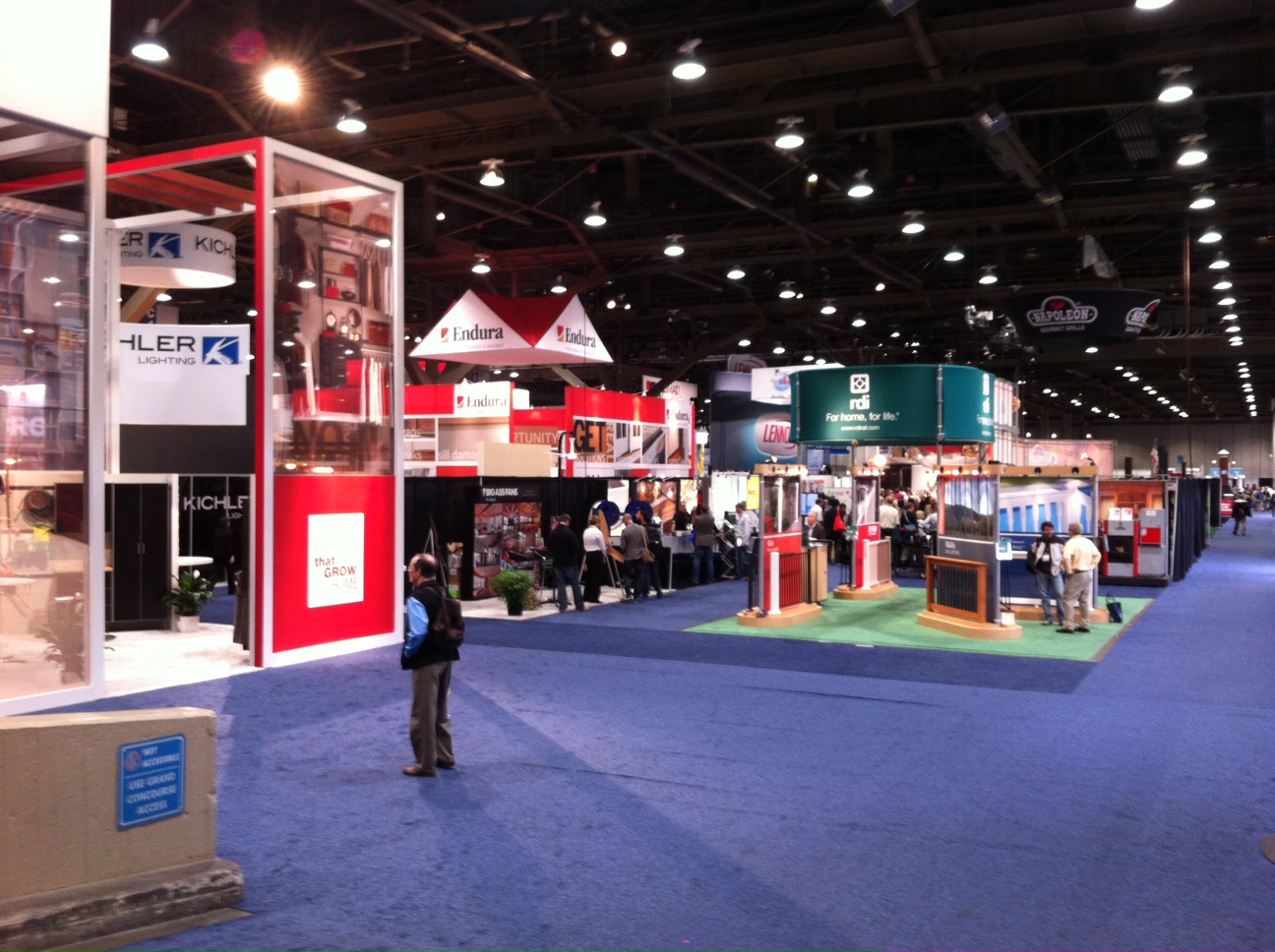
Trade shows can be busy and even a little overwhelming, but they’re also a great chance to grow your business if you plan wisely. The key is to keep things simple: know what you want to achieve, make your booth easy to understand, have the right people and tools in place, and follow up quickly after the event.
When you do this, your booth won’t just look good. It will attract the right people, spark real conversations, and turn those connections into lasting business opportunities. Each show becomes a chance to improve and get more value from your investment.
Table of Contents
Set Clear Objectives
Before you even think about booth design or giveaways, get clear on your goals. Do you want to generate leads, book appointments, or simply boost brand awareness? Knowing this upfront helps you cut through the noise and focus on what matters most. With clear objectives, you can shape everything from the headlines on your display to the way your team greets visitors.
Keep your calls to action short and simple, like scanning a code or scheduling a demo. Track progress with visible numbers so your team stays motivated and can adjust if something isn’t working. Using consistent phrases and messages across shifts avoids confusion and keeps interactions smooth. Finally, clear goals also help you budget wisely, ensuring your spending matches the return you expect.

Design for Fast Understanding
At a trade show, people are rushing down crowded aisles, glancing at hundreds of booths. You only have a few seconds to grab attention with your booth display. That’s why simple, bold visuals and clear headlines are your best tools. Use large images, easy-to-read text, and plenty of open space so your message doesn’t get lost in the clutter. Keep your colors and fonts consistent to build brand memory.
Also, think about placement: your main message should be at eye level and easy to see from a distance. Good lighting can make your booth feel more welcoming and professional. And don’t forget accessibility: wide aisles, reachable counters, and easy-to-read materials ensure everyone feels comfortable stopping by.
Plan Flow and Staffing
The way your booth is set up affects how visitors experience it. An open layout feels inviting and prevents traffic jams. Place demos or product displays at the front to catch attention, and create small spaces inside for quick meetings or note-taking. Keep supplies hidden but close at hand to keep your booth neat.
Just as important is your staff. Assign clear roles, from someone to greet, someone to explain, and someone to schedule follow-ups. Rotate shifts so your team stays fresh and energized throughout the day. When your staff is friendly, consistent in their messaging, and genuinely listens, visitors feel valued and are more likely to take the next step with your business.
Equip Reliable Tools and Data
Even the best booth and staff won’t matter if you can’t capture visitor information. Make sure you have reliable tools like scanners, tablets, or appointment apps ready to go. Always plan for backups, including extra chargers, offline options, and spare devices, which can save the day if tech issues pop up.
Set up clear data entry rules so contact details flow smoothly into your CRM or email system. This prevents duplicates and helps your sales team follow up faster. Train your team on how to use the tools and double-check entries, so nothing slips through the cracks. Reliable tools mean smoother conversations on the floor and more opportunities after the event.
Execute Follow-Up and Measurement
Trade shows don’t end when the booth comes down. Your follow-up is where the real ROI happens. Reach out quickly while the event is still fresh in people’s minds. Send thank-you notes, meeting confirmations, or resource links to keep the conversation going.
Organize the notes your team collected so leads go to the right place. Then, once the dust settles, compare your results against your original goals. Did you meet your lead targets? Which strategies worked best? Use this info to improve for the next show. A disciplined follow-up process not only converts leads but also helps you refine your trade show strategy for long-term success.
Conclusion
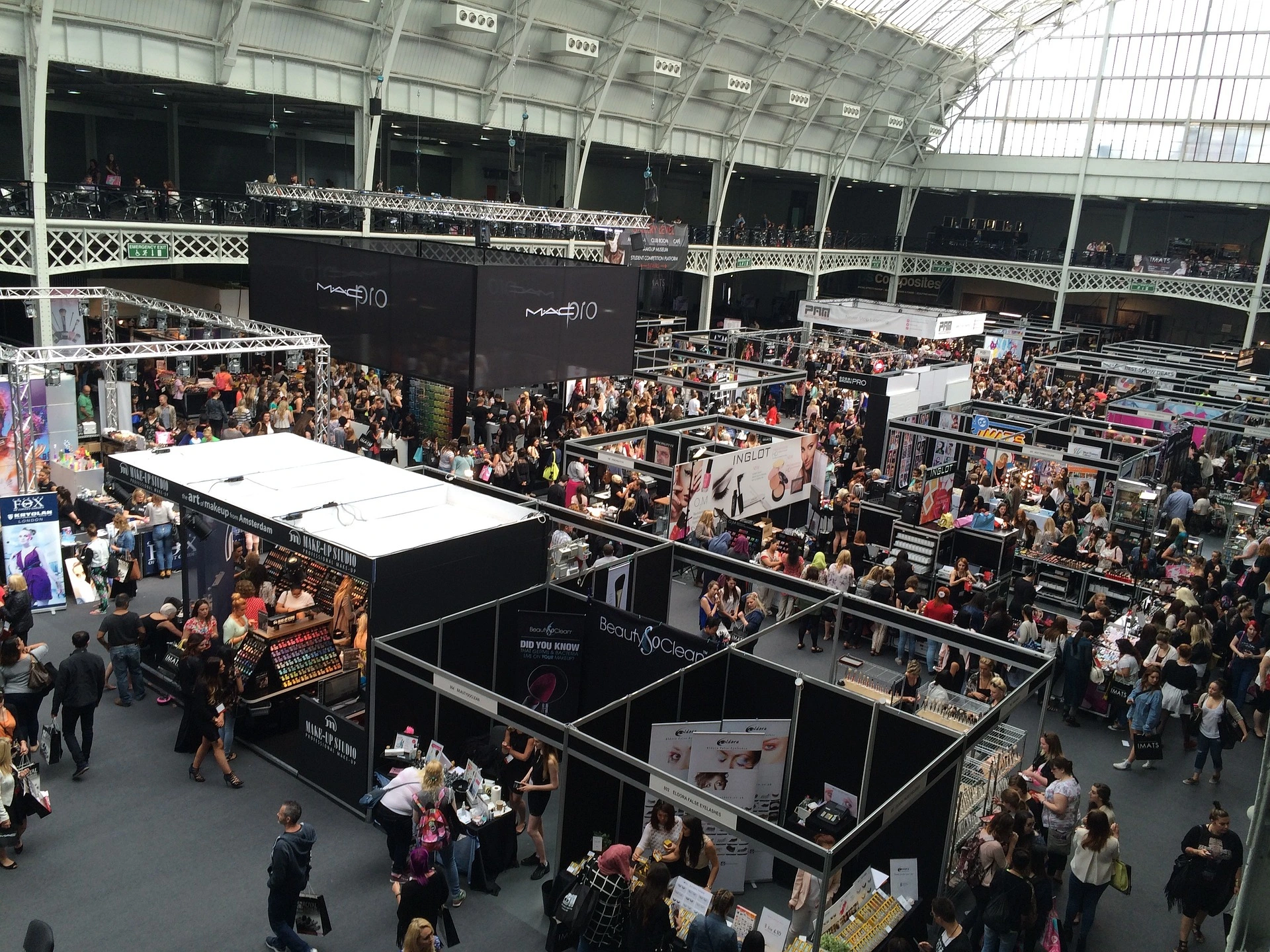
Trade shows can feel overwhelming, but with the right approach, they become powerful opportunities for growth. Success comes down to a few essentials: set clear goals, design your booth so it’s easy to understand, plan your layout and staffing carefully, use reliable tools to capture information, and follow up quickly after the event.
When you keep things simple and consistent, you create a booth that draws people in, sparks meaningful conversations, and turns interest into real business opportunities. With each show, you’ll get better at fine-tuning your strategy, making your trade show investment more valuable over time.
FAQs
Why are clear objectives critical for a trade show display?
Clear objectives serve as the foundation of trade show success. Without defined goals, exhibitors risk building a booth that looks good but doesn’t deliver results. For instance, if your objective is to generate leads, you’ll prioritize tools like scanners, forms, or appointment apps. If brand visibility is the goal, you’ll focus on bold graphics and interactive elements that create a lasting impression. Objectives also guide staffing—whether you need more greeters, product specialists, or schedulers. Measurable goals make it easier to evaluate ROI post-event, compare results across shows, and continuously improve strategies instead of guessing what worked.
How does booth design impact visitor engagement and ROI?
Booth design is more than aesthetics; it directly influences how visitors perceive your brand and whether they engage. In crowded trade shows, people only glance for seconds, so clear visuals and bold messaging are critical. A booth that’s cluttered or hard to navigate discourages visitors, while open layouts and accessible stations invite interaction. Good design also includes thoughtful details like lighting, durable prints, and ADA compliance, ensuring inclusivity. When visitors feel welcomed and understand your offering immediately, they are more likely to stop, engage, and leave their contact details—turning design into measurable ROI.
What role does staffing play in maximizing trade show returns?
Staffing can make or break trade show performance. A well-designed booth without the right people won’t convert interest into leads. Staff need to be trained not just in product knowledge but also in active listening and lead qualification. Assigning specific roles—greeters, demo guides, and schedulers—helps ensure visitors don’t get lost in the shuffle. Rotations also matter, as exhausted staff can lower engagement quality. When staff are energized, aligned, and consistent in messaging, they help deliver a professional experience that builds trust and encourages visitors to take the next step, whether that’s booking a meeting or signing up for a demo.
Why are tools and data management important during trade shows?
Reliable tools ensure smooth operations at trade shows where every second counts. Devices like scanners and tablets capture lead information quickly, while appointment apps streamline scheduling. Backup power and offline functionality safeguard against technical failures that could otherwise lose valuable contacts. Equally important is consistent data entry—standardized fields and tags prevent duplicates and ensure leads flow cleanly into CRM systems. This makes follow-up campaigns more effective, as messages can be tailored by interest, stage, or urgency. Without proper tools and data standards, exhibitors risk losing leads, slowing follow-up, and reducing ROI despite strong booth traffic.
How can businesses ensure effective post-trade show follow-up?
Follow-up is where trade show ROI is truly realized. Many businesses lose momentum by waiting too long after the event to reconnect. The most effective approach is to confirm appointments and send thank-you notes while the event is still fresh in attendees’ minds. Personalized follow-up emails with relevant resources or offers strengthen engagement. Data analysis post-event is also crucial—tracking leads against objectives highlights what worked and what didn’t. Businesses should use this insight to refine their strategy, whether adjusting booth design, staffing, or targeting for future shows. A disciplined follow-up process transforms event conversations into actual revenue.
