

Key Takeaways
- Maritime trade data is structured information that tracks seaborne activities, including ship movements, cargo details, routes, and port interactions, offering a consistent reference for planning, compliance, and monitoring.
- Common data fields in maritime trade records include vessel identifiers, port and terminal codes, cargo descriptions, arrival and departure times, and related documentation, all organized to be compatible across different systems.
- Data sources range from Automatic Identification Systems (AIS) and port community platforms to shipping line records, customs manifests, satellite feeds, and regulatory bulletins, which are often combined for better analysis.
- Maritime trade data can be used for scheduling, risk management, route optimization, performance reviews, compliance checks, and market intelligence, but its effectiveness depends on quality, timeliness, confidentiality, and governance practices.
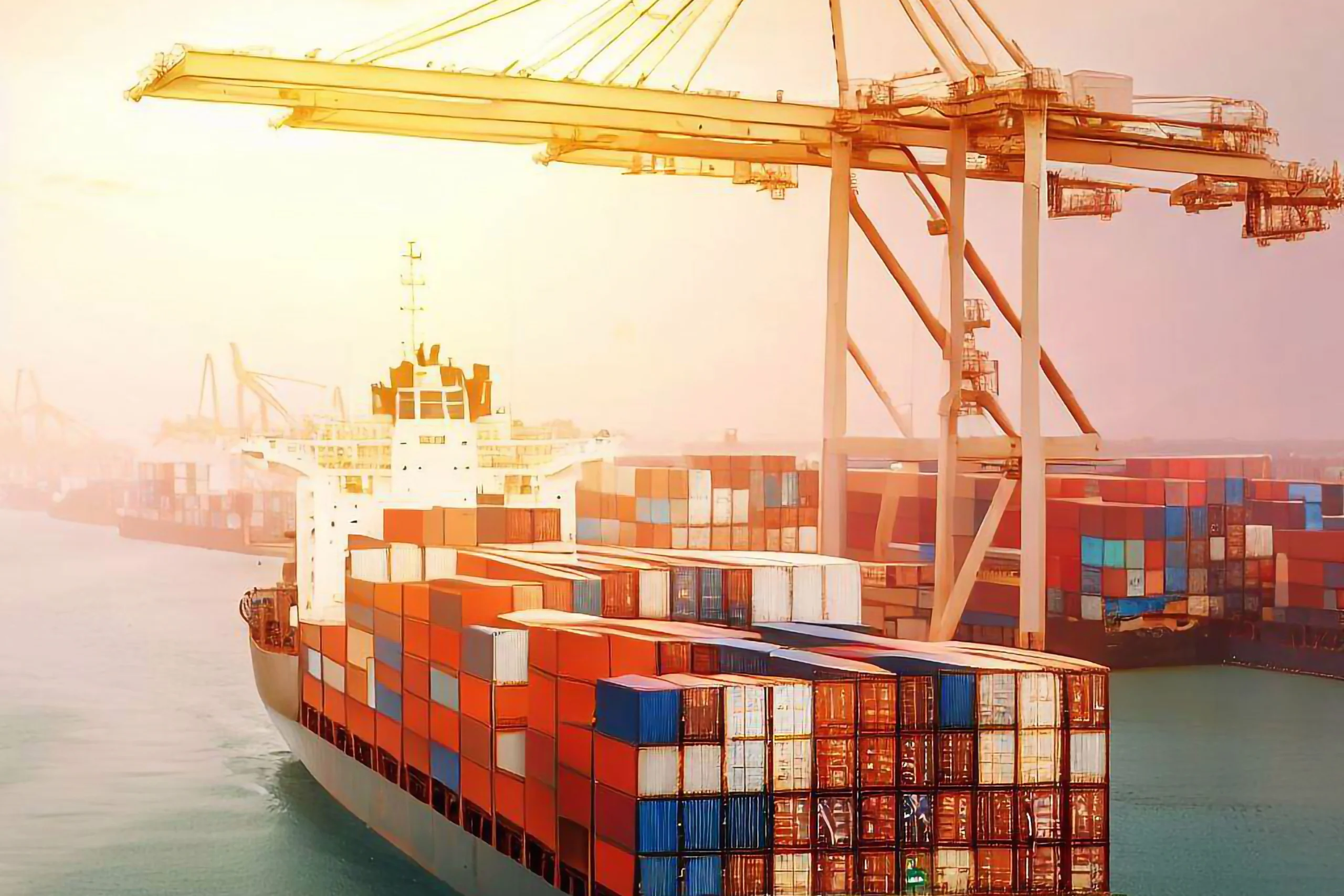
Maritime trade data is broadly described as the information that tracks how goods move by sea. It can also be understood as a collection of records about ships, cargo, routes, and ports. This topic can be approached as a practical layer of trade documentation that surrounds vessels and logistics. The phrase also refers to structured details that may guide planning, compliance, and monitoring across ocean transport activities.
Table of Contents
What This Data Means
Maritime trade data can be seen as information that describes seaborne trade activities in a structured way, usually focusing on how shipments are recorded across vessels and ports. The same concept can be described as a set of details that explain what moved, where it moved, and when events occurred during a voyage. It may include descriptions aligned with documents and identifiers used in shipping operations, forming a map of movements and interactions.
The concept often functions as a reference layer supporting tracking, planning, and compliance processes, depending on operational needs. It tends to bring many facts into a common format, which may reduce confusion and make audits easier. You could consider it an organizing view that ties port stays, sailing legs, and cargo handoffs to recognizable names and codes, so later queries can be answered with consistency.
What Fields Are Usually Included
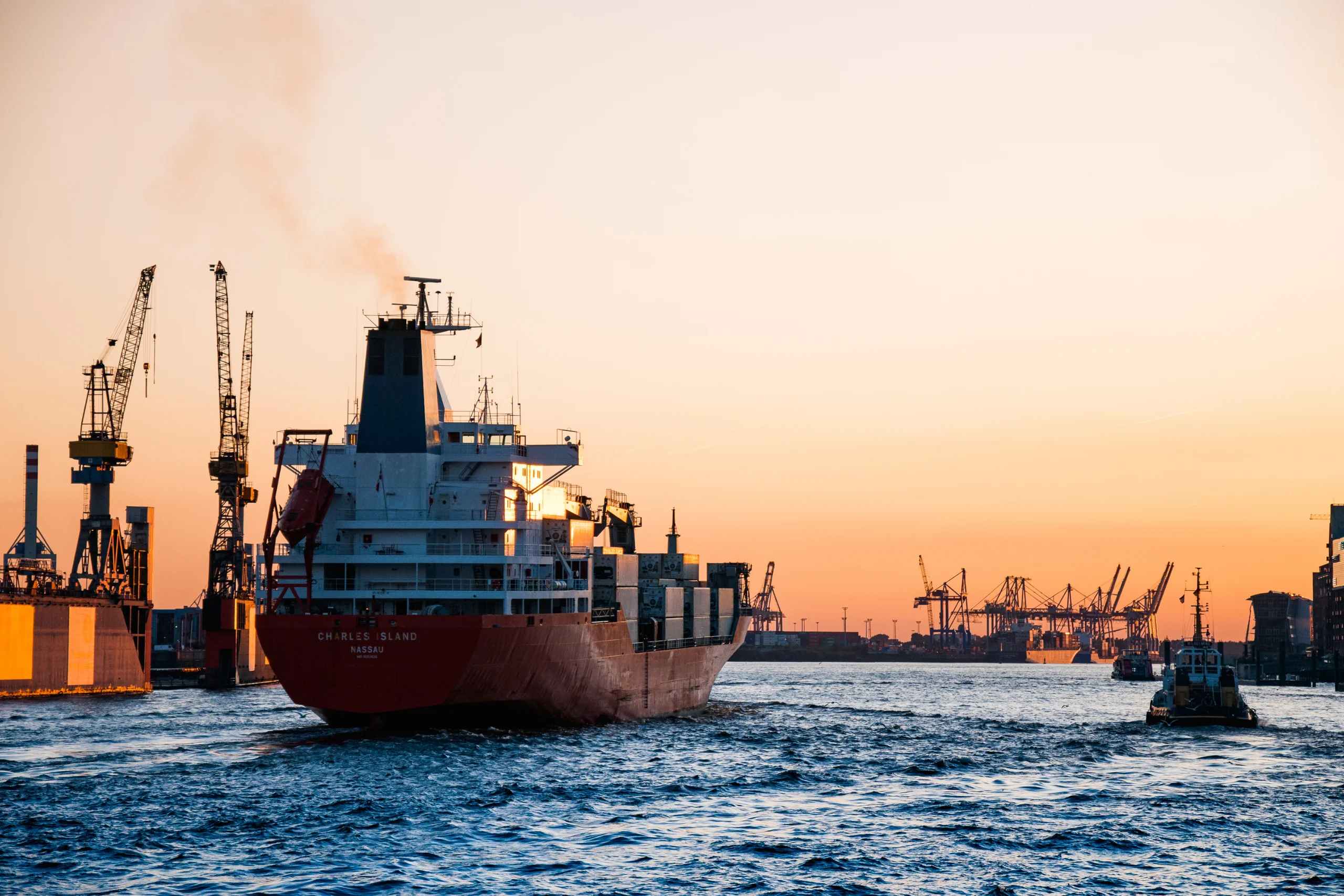
What fields are usually included can be explained by listing identifiers and events that often appear across many records, since a common structure supports reuse. The collection may include ship names, IMO numbers, and MMSI identifiers, call signs, flag-state, owner and manager details, port code, terminal name, and berth reference to indicate location.
Arrival, departure, anchoring, and cargo times are usually specified, while geographical positions can also provide useful context. Cargo details may be recorded through commodity names, standardized classification codes, weights, and package types, while documents might reference bills of lading, booking numbers, and container identifiers.
Operational notes such as draft, declared route, and reported incidents are sometimes included, and remarks could link one event to another. These items tend to form a structure that different systems can read without adjustment, making information exchange easier.
Where the Data Might Come From
Where the data might come from is usually explained by operational systems that already record maritime events, and these systems produce structured outputs. Automatic Identification System transmissions may provide vessel identity and positions, while port community platforms can record calls, berths, and service orders. Shipping lines and freight forwarders might maintain booking records, bills of lading, and container movements, and terminal operating systems could register gate moves and yard status.
Regulatory repositories sometimes compile safety notices, pollution reports, or fuel consumption submissions, and customs processes may generate manifest details that describe goods in standardized terms. Satellite feeds, coastal sensors, and maritime authority bulletins are added to complete the picture, depending on the area and purpose.
In practice, these flows tend to be combined and normalized so that different time stamps, identifiers, and formats can be compared more easily without unnecessary friction.

How the Data Could be Used
How the data could be used is generally framed as turning records into operational value that may guide decisions in ports and along routes. In particular, maritime business intelligence supports planning, risk monitoring, and performance review by converting raw events into practical signals that can be acted upon. Scheduling might be adjusted when arrival patterns shift, and dwell times could be reviewed when movements cluster.
Shippers and carriers may compare routings, and port authorities could screen for anomalies in declared cargo or unusual port calls, depending on policy. Finance and insurance teams might check voyage history and incident reports while assessing exposure, and procurement groups may use lead time observations to prepare contracts. You could consider these uses as steps where reviewing recent voyages, document references, and equipment flows tends to guide operations toward fewer surprises and clearer accountability over time.
Issues to Consider
What issues should be considered are usually framed around quality, governance, and responsible use, since these factors may change how reliable the outputs are for users and stakeholders.
Data quality could vary across sources, so time stamps, identifiers, and cargo descriptions may need standardization and correction to reduce mismatches. Timeliness often matters, yet update cycles could differ, and records may persist in caches or archives depending on system design. Confidentiality and legal obligations are important because certain filings, positions, or manifests might be restricted to defined parties, and access controls should be followed.
It is recommended to implement security procedures and version control with an audit trail, and to set time limits based on policy or regulation. When these elements are managed with good rules and responsibility, the resulting datasets tend to stay usable across teams, tools, and reporting activities without creating any new friction.
Conclusion
Maritime trade data can be viewed as structured information that organizes seagoing activity into useful daily records, and it usually supports practical coordination across many roles. By understanding what is captured, where it originates, how it might be applied, and which constraints affect its use, you could plan simple steps that improve clarity. A steady process that respects quality, access, and purpose may guide wider adoption and smoother collaboration over time.
Frequently Asked Questions
What exactly is maritime trade data and why is it important?
Maritime trade data is the structured collection of information detailing seaborne trade activities, such as vessel movements, cargo specifications, routes, and port calls. It is important because it helps stakeholders—like shipping companies, port authorities, regulators, insurers, and freight forwarders—track and manage the global flow of goods efficiently. This data enables better decision-making in areas like scheduling, route planning, and risk assessment. For example, knowing when a vessel will arrive can help ports optimize berth allocation and labor scheduling. It also supports transparency in supply chains and assists in compliance with legal and environmental regulations.
What type of information does maritime trade data include?
Maritime trade data typically includes vessel identifiers such as ship names, IMO numbers, and MMSI codes; port codes and terminal details; arrival and departure times; cargo descriptions; and relevant documentation like bills of lading and container numbers. It can also include operational notes, declared routes, and incident reports. Many datasets incorporate GPS positions and satellite tracking to offer real-time monitoring. This comprehensive data structure ensures compatibility across multiple systems and helps stakeholders maintain accurate, accessible records for operational planning, compliance audits, and business intelligence purposes.
Where does maritime trade data come from?
Maritime trade data is compiled from a variety of sources. Automatic Identification Systems (AIS) transmit vessel positions and identification details. Port community systems record calls, berths, and service orders. Shipping lines and freight forwarders provide booking records, container movements, and bills of lading. Customs and regulatory agencies contribute cargo manifests and safety notices. Additional inputs come from satellite imagery, coastal radar, and maritime authority bulletins. These diverse data sources are usually standardized and integrated to create a unified dataset, allowing users to compare and analyze information without inconsistencies caused by differing formats or timestamps.
How can businesses use maritime trade data?
Businesses use maritime trade data to improve operational efficiency, mitigate risks, and enhance market intelligence. Shipping companies can adjust schedules and optimize routes based on vessel movement patterns. Port authorities can analyze dwell times to improve throughput. Insurers and financial institutions use voyage history and incident data to assess risk exposure. Traders and procurement teams can monitor delivery timelines to better negotiate contracts. By converting raw maritime data into actionable insights, companies can reduce delays, prevent costly errors, and maintain compliance with international trade regulations—ultimately gaining a competitive advantage.
What challenges and considerations come with using maritime trade data?
Challenges in using maritime trade data often involve data quality, timeliness, confidentiality, and compliance with legal frameworks. Inaccurate or inconsistent timestamps, identifiers, and cargo descriptions can lead to operational errors if not standardized. Timeliness is critical, yet data update cycles may vary between sources. Legal restrictions may limit access to certain information, requiring strict access controls. Responsible use also demands proper governance, including security protocols, version control, and audit trails. When these challenges are managed effectively, maritime trade data remains a valuable resource that can be relied upon across multiple business functions.
