

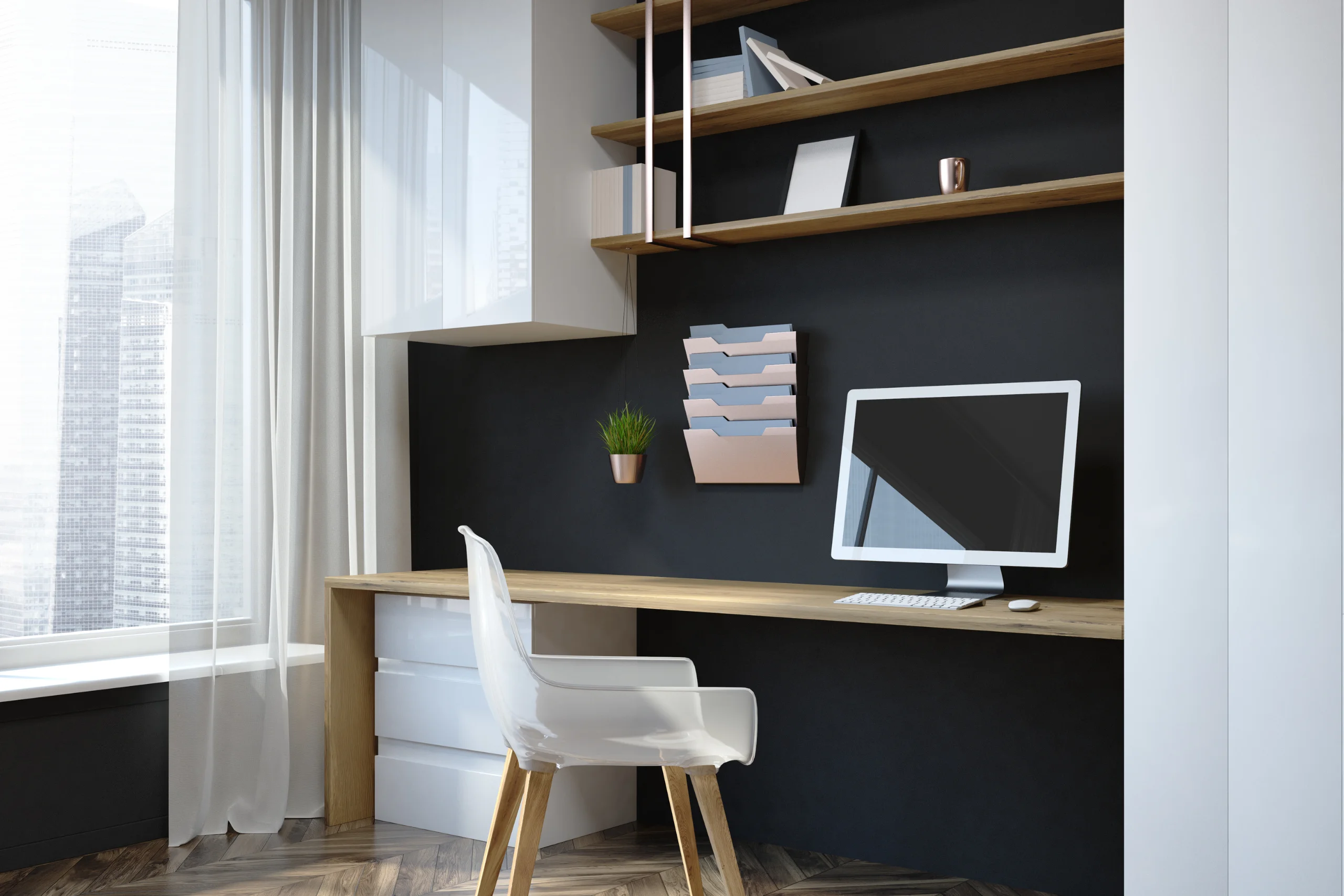
Whether you work remotely or have a hybrid setup, going to a home office is crucial. You want to have a space that fosters productivity and peace. A minimalistic design for your home office is a compelling idea as it blends simplicity with functionality. Enhancing your focus and reducing any distractions. Learn how to design a minimalist home office:
Table of Contents
Understanding Minimalism
Transcending mere aesthetics, minimalism is a lifestyle choice centered around simplicity, intentionality, and mindfulness. Applying this to a home office allows you to emphasize decluttering the physical space, simplifying your workflows, and promoting mental clarity. By eliminating excess and unnecessary items, your minimalist design can cultivate a sense of calm conducive to deep work and creativity.
Defining Your Purpose
Before creating your minimalist home office, you must reflect on your specific needs and preferences. Consider your work requirements; is it creative brainstorming, focused writing, or video conferencing? From there, look at what you use regularly, finding the essential items and separating them from the non-essential.
Understanding your workflow and work style will help you plan your minimalist office design.

Space Optimization
A crucial part of minimalism is maximizing the utility of your workspace. This is done by strategically arranging your furniture and equipment. You’ll want to create a clutter-free layout with ample open space to create a sense of expansiveness. By positioning your desk near a natural light source, you can create an inviting atmosphere, reducing the need for artificial lighting. Multi-functional furniture pieces are also a good route, allowing you to open your space more.
Decluttering Essentials
It isn’t a minimalist design if there’s no decluttering involved. You’ll want to be ruthless as you go through your space, removing anything that isn’t practical or has an aesthetic purpose. Keep nothing but the tools and materials that are essential to your job. You can store them neatly and within reach. Embrace digital solutions, too, which makes documents easier to find and reduces paper clutter.
Embracing Simplicity in Design
Characterized by clean lines, neutral colors, and uncluttered surfaces, minimalist design requires simplicity. You should choose a subdued color palette dominated by whites, greys, and earth tones to create a tranquil ambiance perfect for productivity. Choose furniture with sleek, minimalist aesthetics that prioritises functionality over ornate embellishments. Incorporating natural elements is another promising idea. Think about wooden furniture, wooden flooring, etc., and plants to infuse warmth and vitality into your workspace.
Prioritize Ergonomics
A minimalist home office should prioritize comfort and ergonomics to support long hours of focused work. You’ll want to consider an ergonomic chair that promotes good posture, reducing strain on your back and neck. Ensure your desk is at a suitable height, too, preventing wrist fatigue and promoting proper alignment. You should consider using a standing desk or incorporating ergonomic accessories like monitor stands and keyboard trays to customize your workspace.
Curating Inspirational Elements
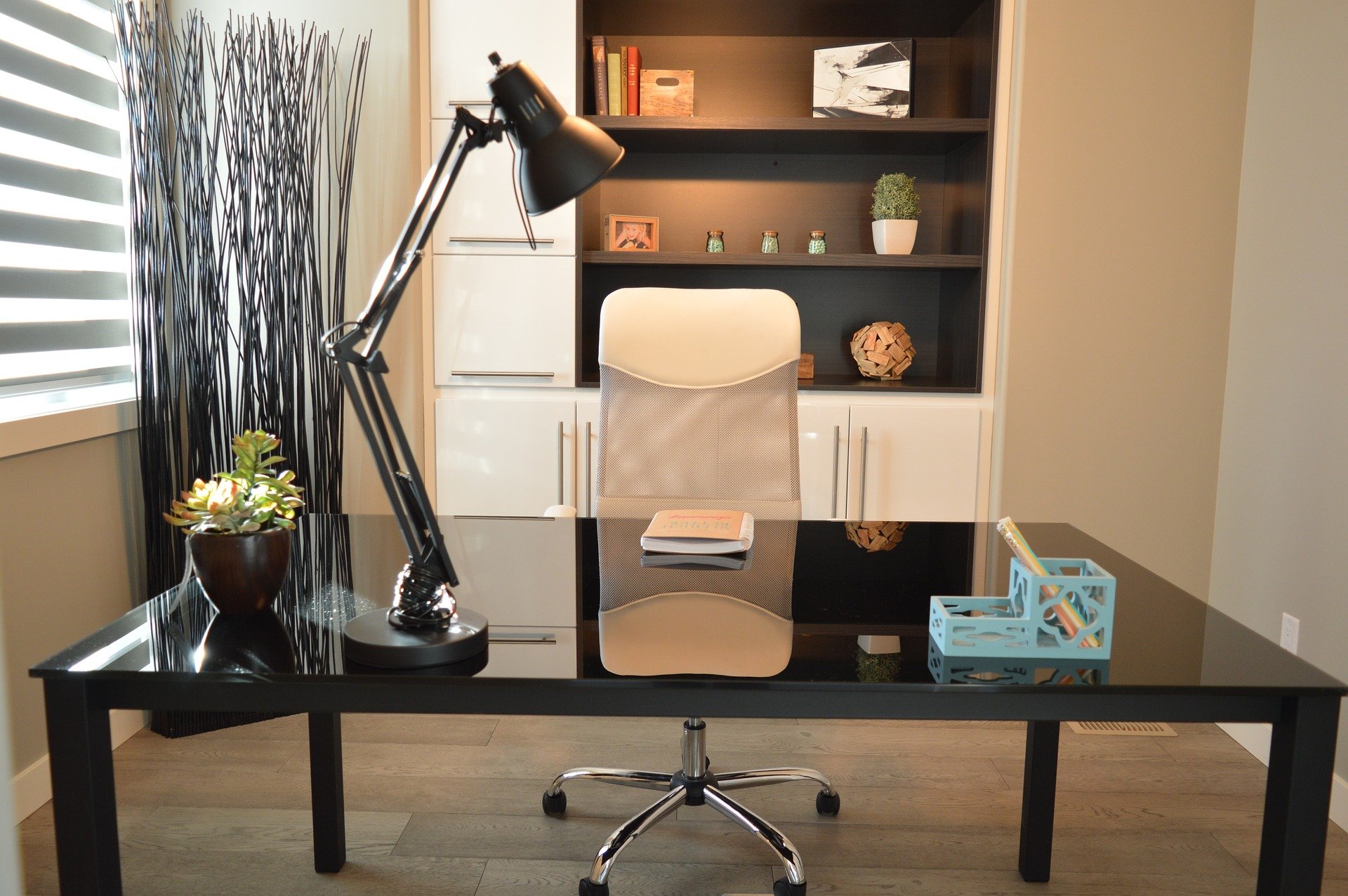
Despite the emphasis on simplicity, minimalist design doesn’t mean you can’t incorporate some personality into your space. Choose meaningful items, artwork, or motivational quotes to personalize your home office. Creating an inspiring place that helps your productivity. But limit the decorative items to a few carefully selected pieces. You want your space to resonate with your aesthetic sensibilities. You could create a dedicated area for inspiration and reflection, whether it’s a vision board or a shelf displaying cherished mementos.
Enhancing Productivity with Organisation
With minimalism, keeping on top of decluttering and organizing your workspace is important. You should implement storage solutions that promote tidiness and accessibility; think about floating shelves, filing cabinets, or storage bins. Adopting a minimalist approach to your organization by prioritizing functionality and visual coherence. Don’t forget to regularly look through your office if you’ve accumulated items you don’t need.
Cultivating a Mindful Work Environment
Beyond the aesthetics and physicality of minimalism, this design cultivates a mindset of mindfulness and intentionality. Consider developing daily rituals that signal the transition into work mode. You could do this by lighting a candle or practicing a brief mindfulness exercise. Make sure to minimize distractions by setting boundaries with your family or roommates and setting designated work hours. Don’t forget to give yourself some breaks throughout the day to recharge and maintain your focus.
Crafting Efficiency and Serenity
When designing a minimalist home office, you go beyond aesthetics. Prioritizing efficiency, serenity, and focus. You can create a workspace that empowers you by embracing simplicity, decluttering distractions, and focusing on functionality. Encouraging you to do your best work while nurturing your well-being. Whether you’re a remote worker, freelancer, or creative professional, minimalist design offers a blueprint for a space that reflects your values and inspires productivity. Allowing you to work effectively from the comfort of your home.
